இத்தர்காவிற்கு வெள்ளிக்கிழமை தோறும் முசுலிம் மக்கள் வந்து வணங்குகிறார்கள். இங்கேயே வந்து தங்கியிருக்கும் மக்களும் உள்ளனர்.
திருவிழாக்கள் விவரங்கள்
சந்தனக்கூடு உரூஸ் என்னும் பைரவம் ரஜ்ஷப் மாதம் (பிறை) 16க்கு நடைபெறும். ரஜ்ஷப் 16-க்கு கொடியேறுகிறது. 16-ஆம் நாள் இரவு இவ்வைபவம் நடைபெறுகிறது.
காலம்/ ஆட்சியர்
பொது ஆண்டு 1378
வரலாறு / கதை
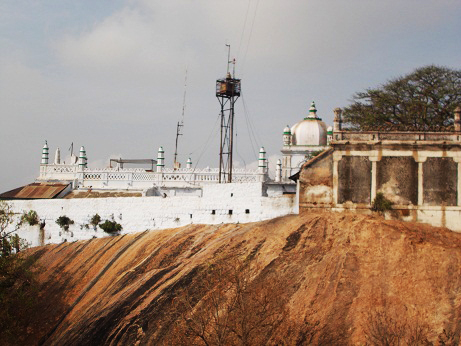
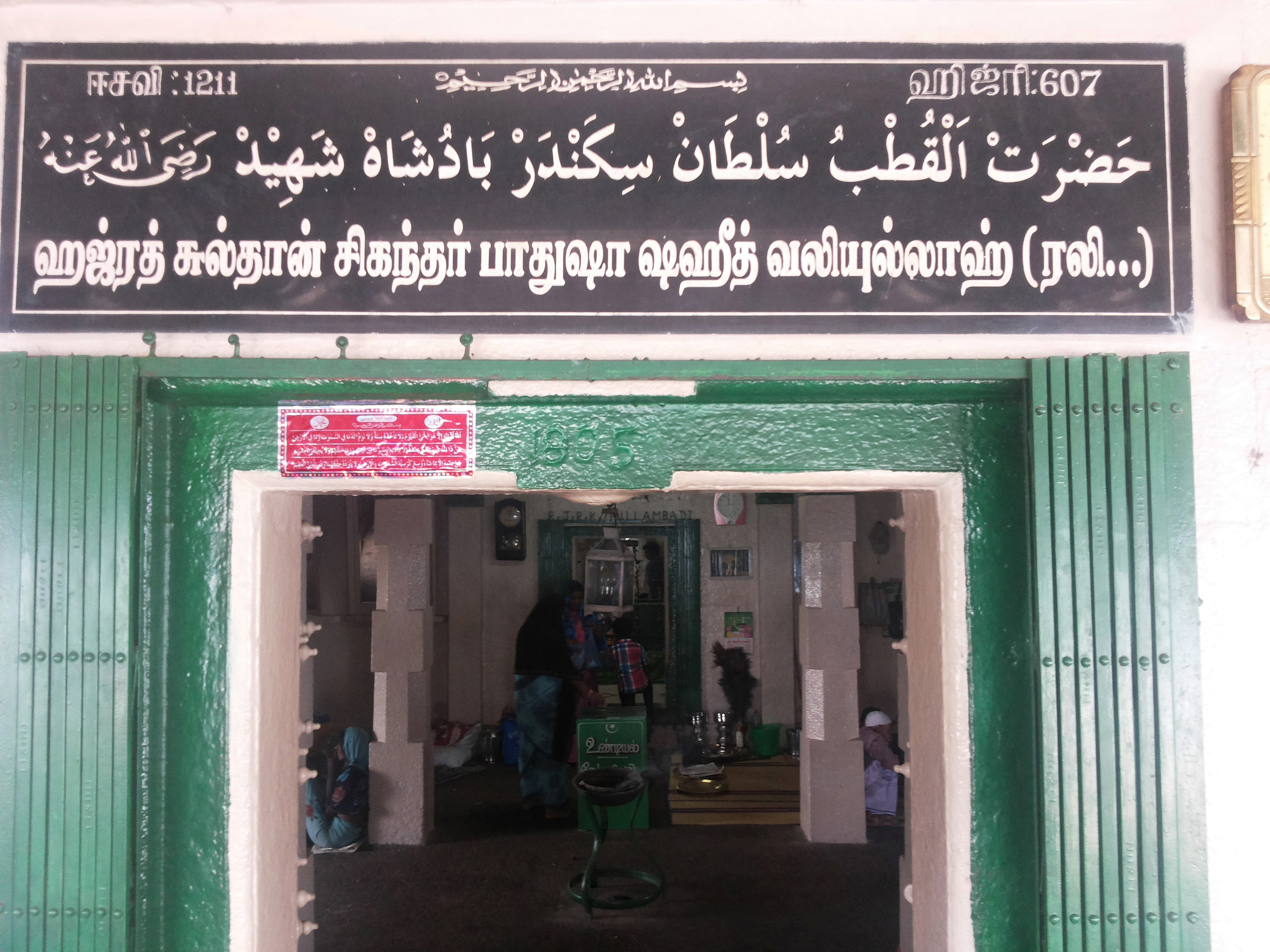
திருப்பரங்குன்றின் உச்சியில் முகமதியர் தர்கா உள்ளது. இதற்குச் சிக்கந்தர் தர்கா என்று பெயர். இதனால் இம்மலையை 'சிக்கந்தர் மலை' என்றும் அழைக்கிறார்கள். இத்தர்காவிற்கு எதிரேயுள்ள கல்மண்டபம் இந்துக்களின் பாணியிலும் முகமதியர் கட்டிடத்திற்குரிய சின்னங்களோடும் கட்டப்பட்டுள்ளது. இத்தர்காவினுள் இரண்டு சமாதிகள் உள்ளன. ஒன்று சுல்தான் சிக்கந்தர் பாதுஷா அவுலியா ரெக்மான் செரிப் (அல்லது) சுல்தான் சிக்கந்தர் பாதுஷா துல்கர்னைன் அவுலியாவினுடையதாகும். இதற்கு எதிரேயமைந்துள்ள சமாதி இவருடைய மந்திரி லுக்மான் செரிப் என்பவருடையதாகும்.
இக்கட்டிடங்கள் ஆண்டவரின் உத்தரவுப்படி, முகமதிய மக்களிடம் வசூல் செய்து இளையான்குடி மீராமுகையதீன் ராவுத்தர் (மஸ்தான்) என்பவரால் 1905-இல் கட்டப்பட்டதாக சொல்லப்படுகிறது. வாலாஜா நவாபு காலத்தில் திருநகர் அருகேயுள்ள தணக்கங்குளம் என்ற கிராமத்தில் 1500 ஏக்கர் நிலம் இத்தர்காவிற்கு மானியமாக விடப்பட்டதாம். தற்பொழுது தணக்கங்குளம் கிராமம் வக்போர்டிற்குக் கீழ் உள்ளதாகவும், ஆண்டிற்கு ரூபாய் 1566.58 பைசாவை வக்போர்டும் தஷ்திக் தொகையாகக் கொடுத்து வருவதாகவும் கூறுகின்றனர். இதற்கு ஐந்து அறங்காவலர்கள் (ஐந்து அண்ணன் - தம்பிகள்) உள்ளனர்.
இத்தர்காவின் தோற்றம் பற்றிக் குறிப்பிடுவோர், சுல்தான் சிக்கந்தர் பாதுஷா திருப்பரங்குன்றம் வந்தவுடன் இரண்டு மலையும் திறந்து கொடுத்தது என்றும், அவர் மலையிடுக்கில் உள்ள குகையில் (தற்போது சமாதி அமைந்துள்ள இடத்தில்) சென்று நிட்டையில் ஆழ்ந்து விட்டார் என்றும் தெரிவிக்கின்றனர். எப்படி இறந்தார், யார் அடக்கம் செய்தார்கள் என்ற விபரம் யாருக்கும் தெரியவில்லை. பாண்டிய நாட்டில் முகமதியரது ஆளுகை பொது ஆண்டு 1330-ஆம் ஆண்டில் தொடங்கி பொது ஆண்டு 1378 வரையில் நடைபெற்றது. விசயநகர அரசரான குமார கம்பணர் பொது ஆண்டு 1371-இல் படையெடுத்து வந்து மதுரையில் பக்ரூபீன் முபராக்ஷாவை வென்று ஆட்சியைக் கைக்கொண்டார். முபராக்ஷாவிற்குப் பின் வந்த சுல்தான் சிக்கந்தர் ஷாவின் ஆட்சி மதுரையில் பொது ஆண்டு 1378 வரை இருந்தது. இவர் தம் பெயரில் நாணயங்களையும் வெளியிட்டுள்ளார். திருப்பரங்குன்றத்து குகையில் இறந்துபட்ட மதுரையின் கடைசி சுல்தான் சிக்கந்தர் ஷாவிற்கும் அவருடைய படைத் தளபதிக்கும் இங்குள்ள முசுலிம்கள் தர்கா அமைத்து அவர்களை அவுலியாவாக வணங்கி வருகின்றனர்.
அமைப்பு
இசுலாமிய மற்றும் திராவிடக் கட்டிடக்கலை அம்சங்கள் காணப்படுகின்றன. இங்கு கல்மண்டப அமைப்பும் உள்ளது.
Worship
Muslim people come to worship at this dargah every Friday. There are also people who come here and stay.
Festival Details
The festival called Sandanakoodu Urus takes place on the 16th day of the month of Rajab (lunar calendar). The flag is hoisted on the 16th of Rajab. On the night of the 16th, this celebration is held.
Period/ Collector
1378 CE
History / Legend
On top of Tirupparankunram stands a Muslim dargah. It is named Sikander Dargah. Because of this, the hill is also called "Sikander Malai." The stone mandapa opposite this dargah is built in Hindu style along with Islamic architectural symbols. Inside this dargah, there are two tombs. One belongs to Sultan Sikander Badusha Auliya Rehman Sherif (or) Sultan Sikander Badusha Zulkarnain Auliya. The tomb opposite to this is that of his minister, Luqman Sherif. It is said that these buildings were constructed in 1905 by collecting funds from Muslims, as per divine command, by Ilayangudi Meeramukayathin Rowther (Mastan). During the time of the Nawab of Arcot, 1500 acres of land in the village of Thanakkankulam near Tirunagar was granted to this dargah. At present, Thanakkankulam village is under the Wakf Board, which pays an annual tashtik amount of Rs. 1566.58. There are five trustees (five brothers) for this dargah. Those who describe the origin of this dargah say that when Sultan Sikander Badusha came to Tirupparankunram, the two hills opened for him, and he went into meditation in the cave between the hills (the present site of the tomb). No one knows how he died or who buried him. Muslim rule in the Pandya country began in 1330 CE and lasted until 1378 CE. In 1371 CE, Vijayanagara ruler Kumara Kampana invaded, defeated Fakhruddin Mubarak Shah at Madurai, and took power. After Mubarak Shah, Sultan Sikander Shah ruled Madurai until 1378 CE. He even issued coins in his name. The Muslims here established this dargah for the last Sultan of Madurai, Sikander Shah, who died in the cave at Tirupparankunram, and for his general, and they continue to worship them as saints.
Architecture
Islamic and Dravidian architectural features can be seen here. There is also a stone mandapa structure.
தகவல்
முனைவர் ஆத்மநாதன்
Details
Dr. B. Athmanathan
அருகிலுள்ள வரலாற்றுச் சின்னங்கள்
காசி விஸ்வநாதர் கோயில்
Nearby Monuments
Kasi Viswanathar Temple
செல்லும் வழி
திருப்பரங்குன்றம் மலை அடிவாரத்தில் இருந்து செல்ல வேண்டும். மேலும் காசிவிஸ்வநாதர் கோயில் செல்லும் பாதையிலும் செல்லலாம்.
Directions
One has to go from the foothills of Tirupparankunram hill. It can also be reached through the path leading to the Kasi Viswanathar temple.
அருகிலுள்ள பேருந்து நிலையம்
திருப்பரங்குன்றம்
Nearby Bus Stand
Thiruparankundram
அருகிலுள்ள தொடர்வண்டி நிலையம்
திருப்பரங்குன்றம்
Nearby Railway Station
Thiruparankundram
அருகிலுள்ள விமான நிலையம்
பன்னாட்டு விமான நிலையம்
Nearby Airport
International Airport
தங்கும் வசதி
திருப்பரங்குன்றம் கோயில் அருகேயுள்ள தங்குமிடங்களில் தங்கலாம்
Accommodation Facilities
One can stay in the lodges near Tirupparankunram temple.