Additional Information
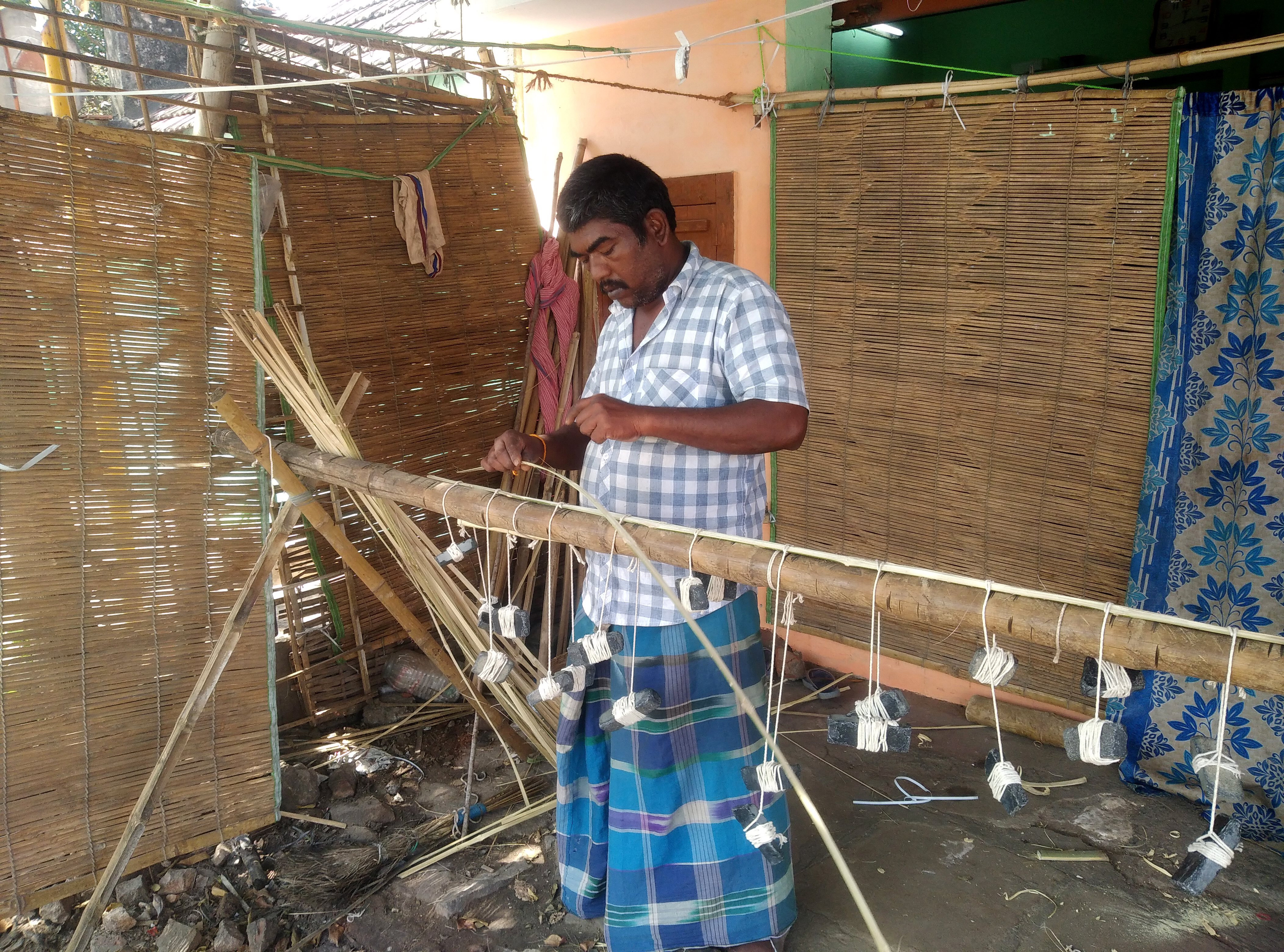
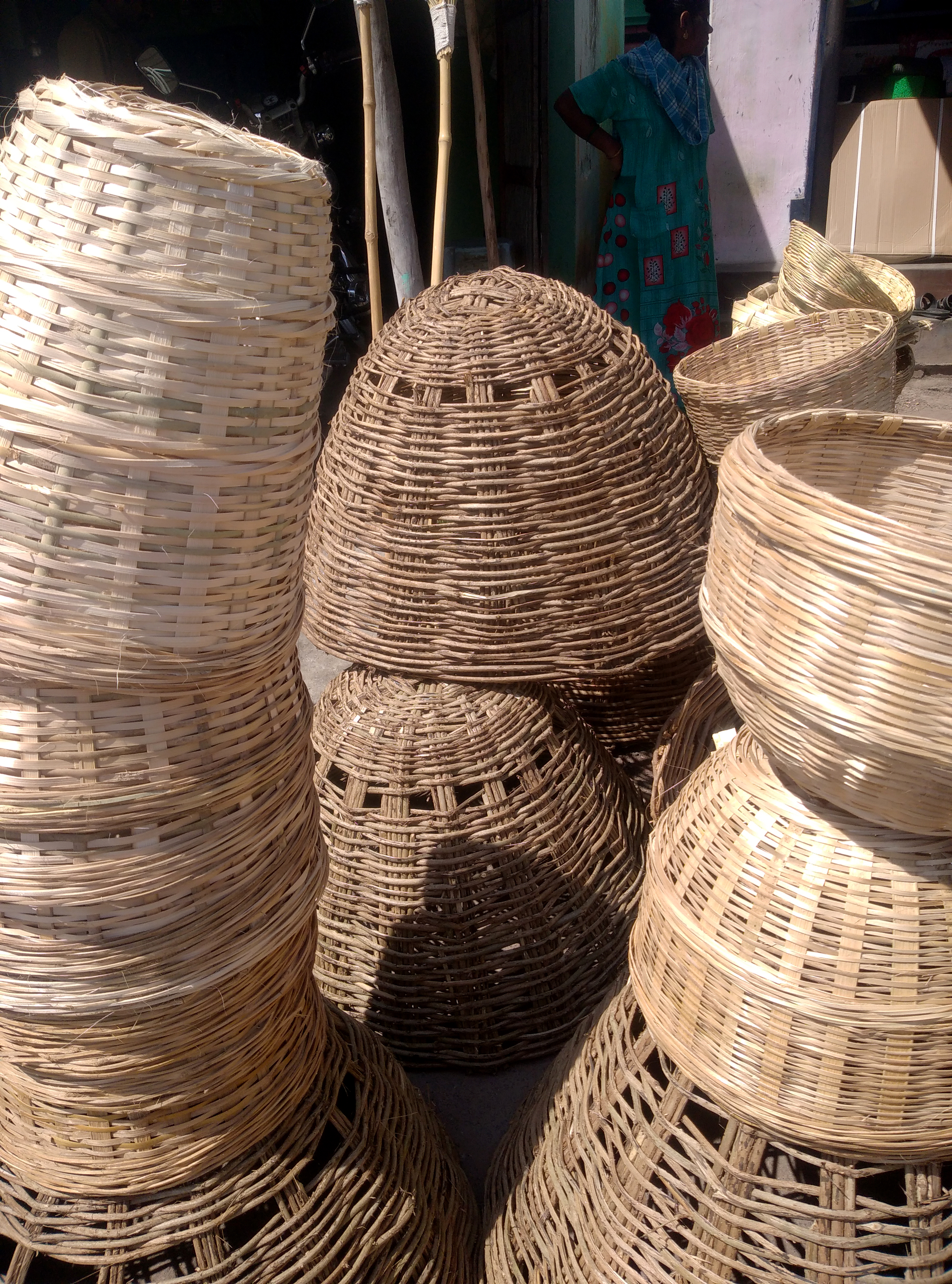
In Tamil Nadu, like the pottery industry, basket weaving is considered a very ancient craft. Humans who lived a nomadic life learned to settle in one place. As a result, to collect the food items they needed from the hills, they first wove baskets using simple twigs available there. These woven baskets gradually evolved into the basket weaving industry today.
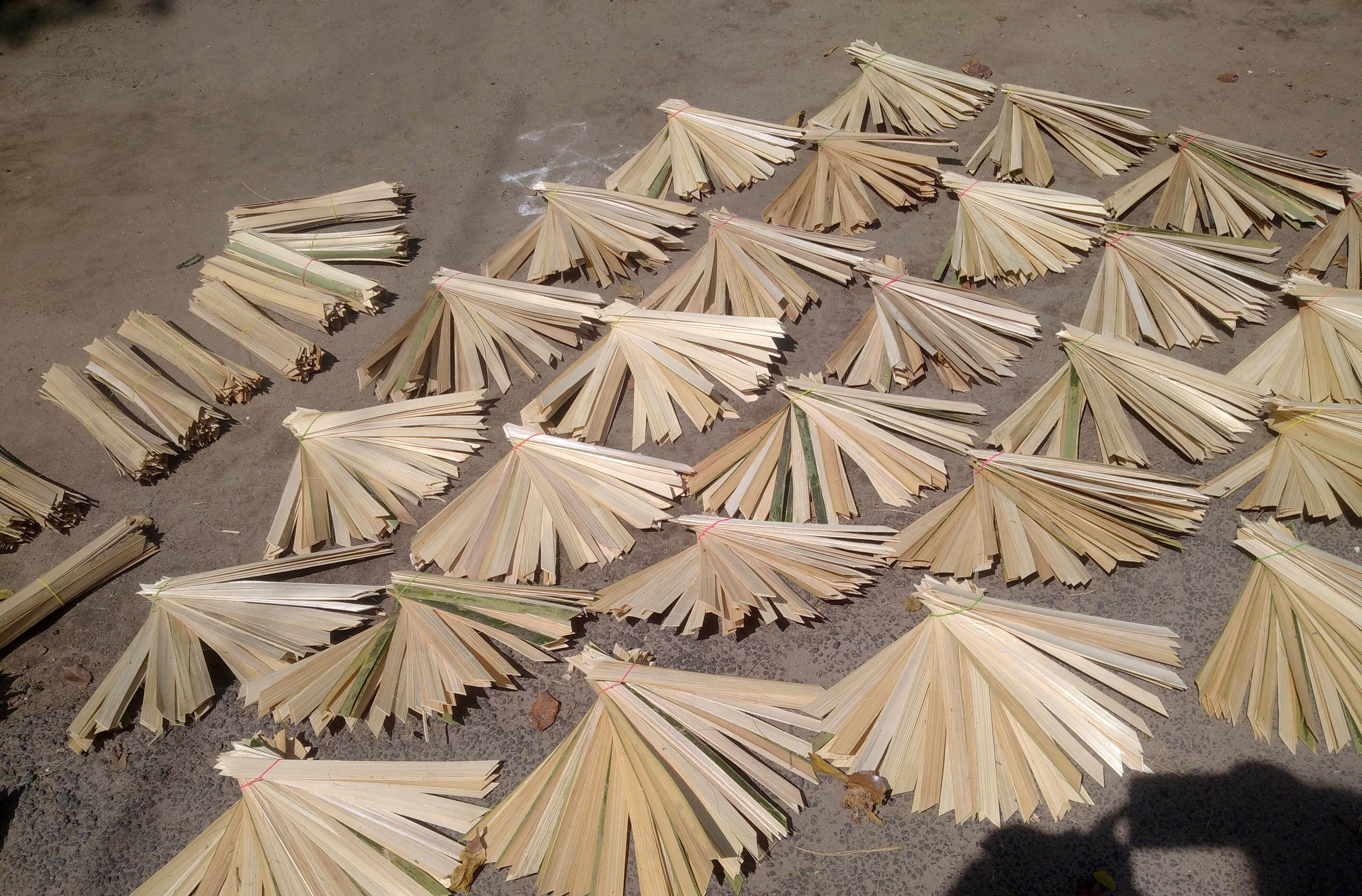
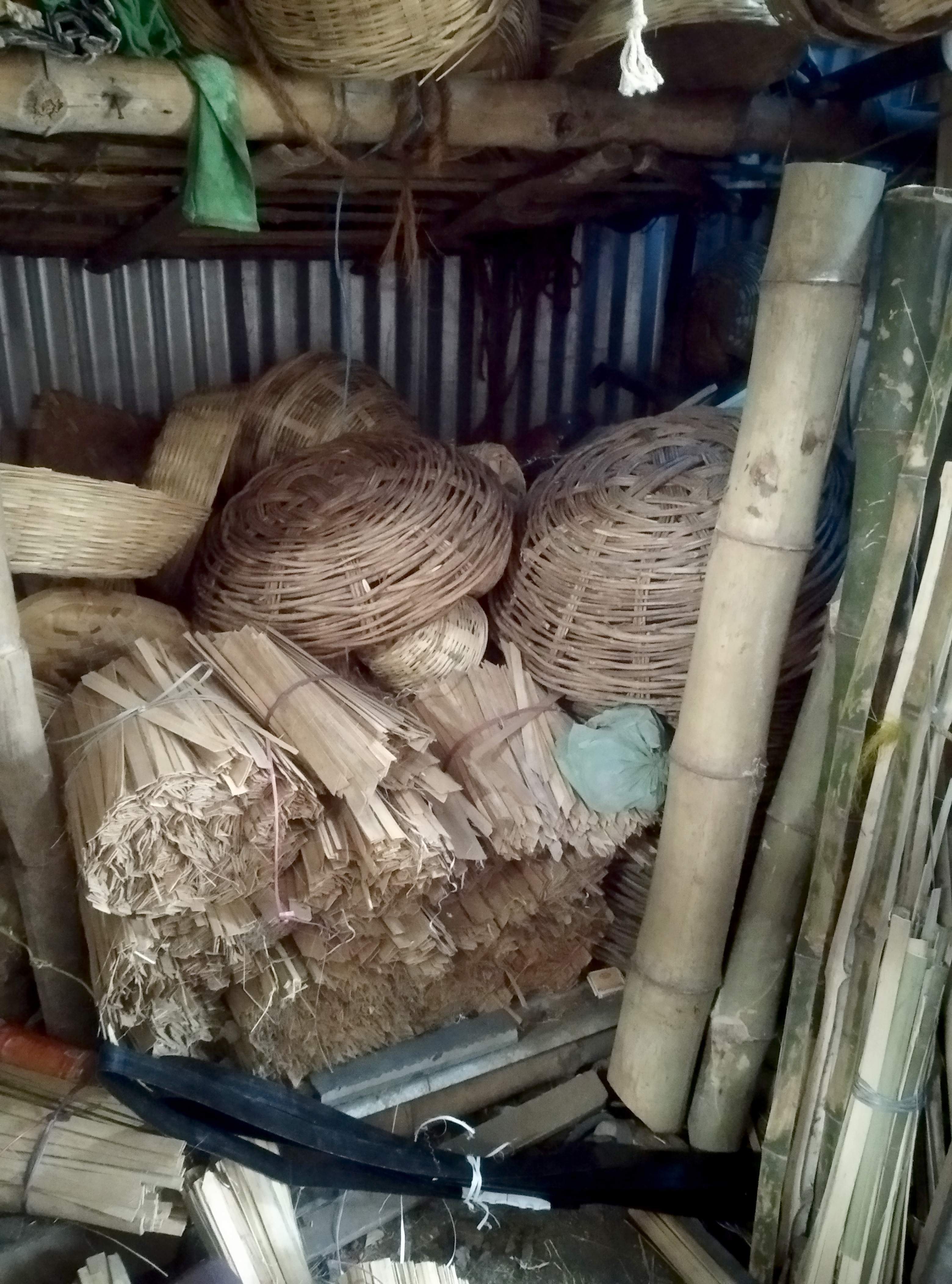
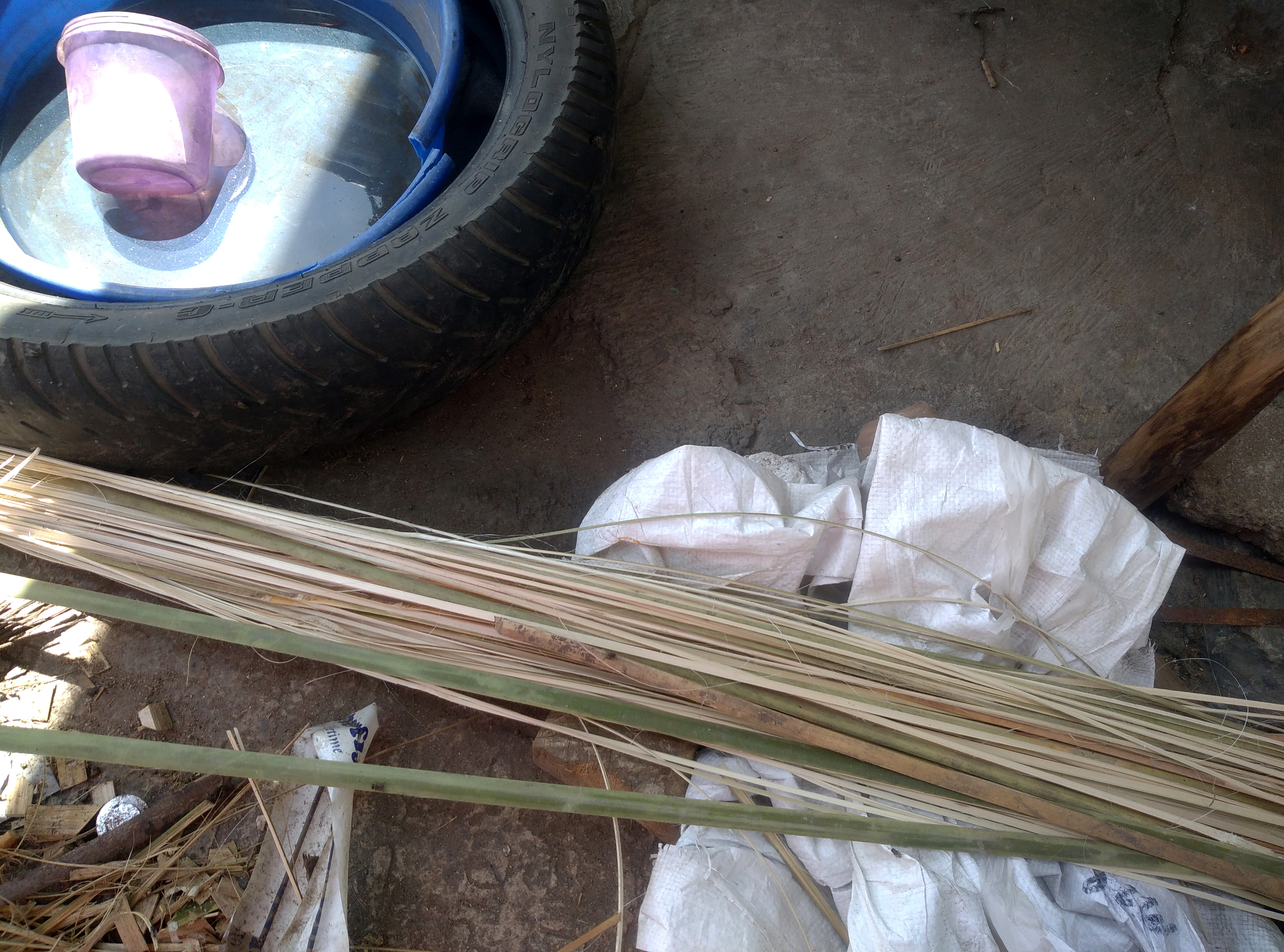
In basket weaving, generally more than 10 raw materials are used. These include nochi sticks, bamboo, karuvelam, poola sticks, puram sticks, eechang sticks, unnima sticks, sanga sticks, and nanal thattai, among others. The basket weaving process depends on the nature of these raw materials. Some raw materials must be woven into baskets immediately after collection (for example, nanal thattai). Some raw materials can only be used after drying in the sun; otherwise, they will break (for example, poola sticks, kakka mooku plant). Some raw materials can only be used after drying in the sun and then soaking in water. Some raw materials can be kept and used throughout the year (for example, unnima plant).
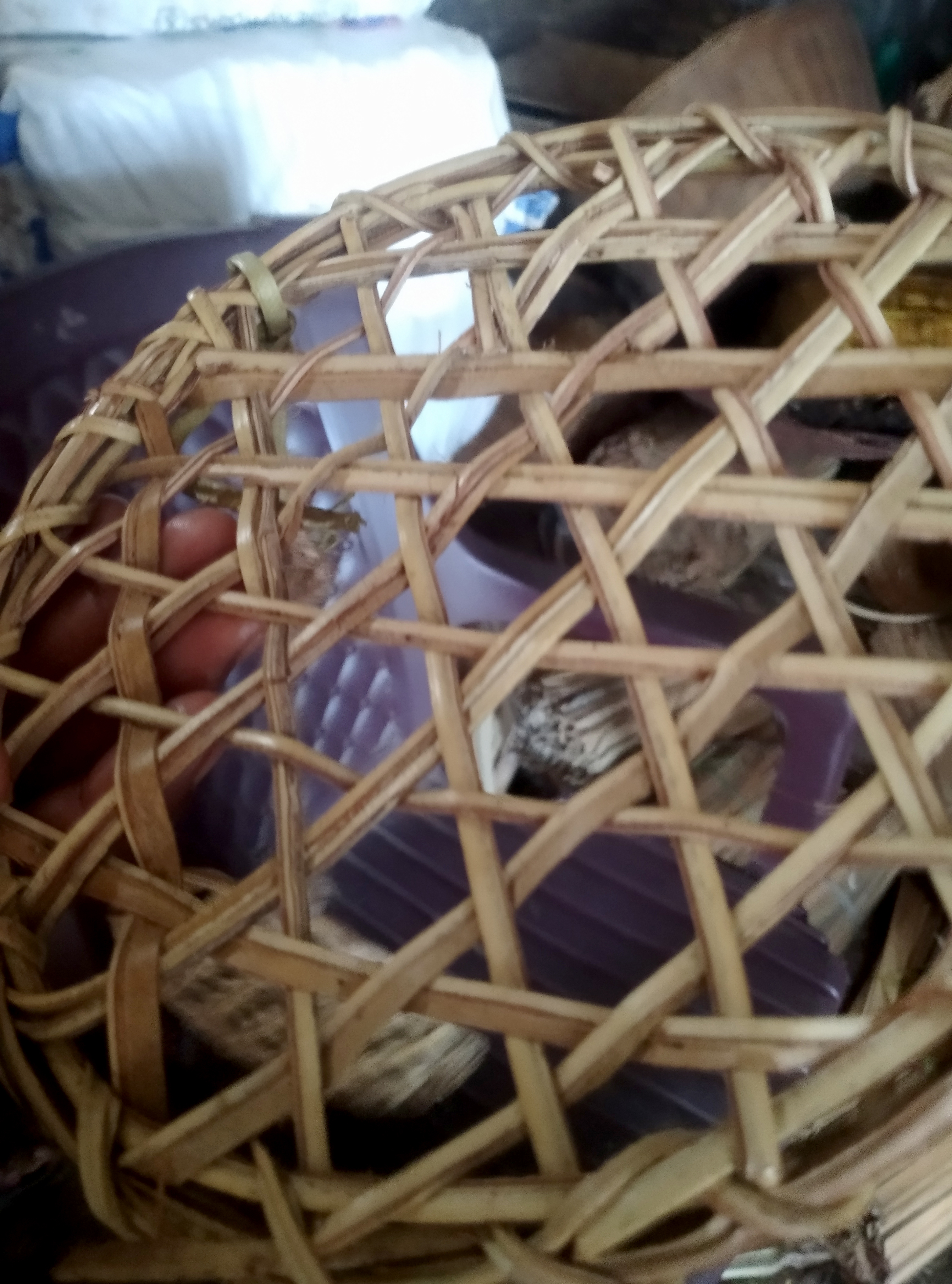
Using these various raw materials, baskets can be classified as follows: wedding baskets, olai boxes called saami petti, manure baskets, trash baskets, chicken feed baskets, fertilizer baskets, rattai baskets, rice baskets, flower baskets, fruit baskets, and so on. In the past, baskets were everyday household items, but today they are mostly used as decorative items or cultural symbols in weddings and small deity worship ceremonies.






 பதிவிறக்கவும்

 மு.சாந்தி