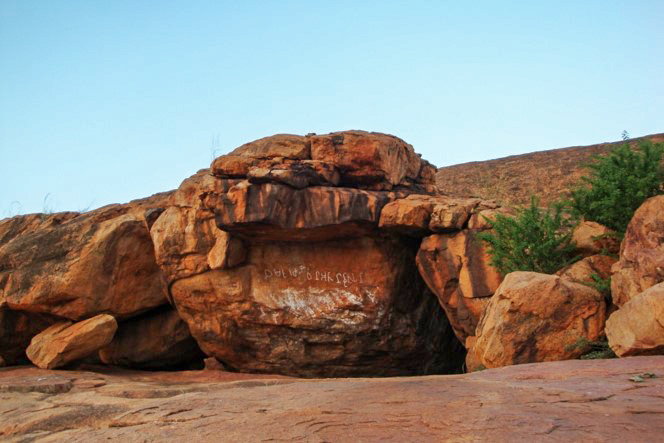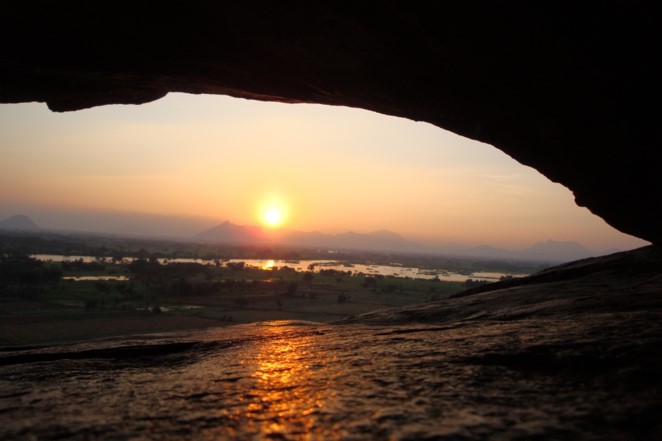
At Malaipparai, located on the way from Mudhalaikulam to Vikiramangalam.
Language & Script
Tamili/Tamil Brahmi
Period / King
Sangam period and Pandya period.
Village Name
Nadumudalaikulam
District
Madurai
வரலாற்று ஆண்டு
பொது ஆண்டுக்கு முன் 2ஆம் நூற்றாணடு மற்றும் பொது ஆண்டு 9-10ஆம் நூற்றாண்டு
கூடுதல் விவரங்கள்
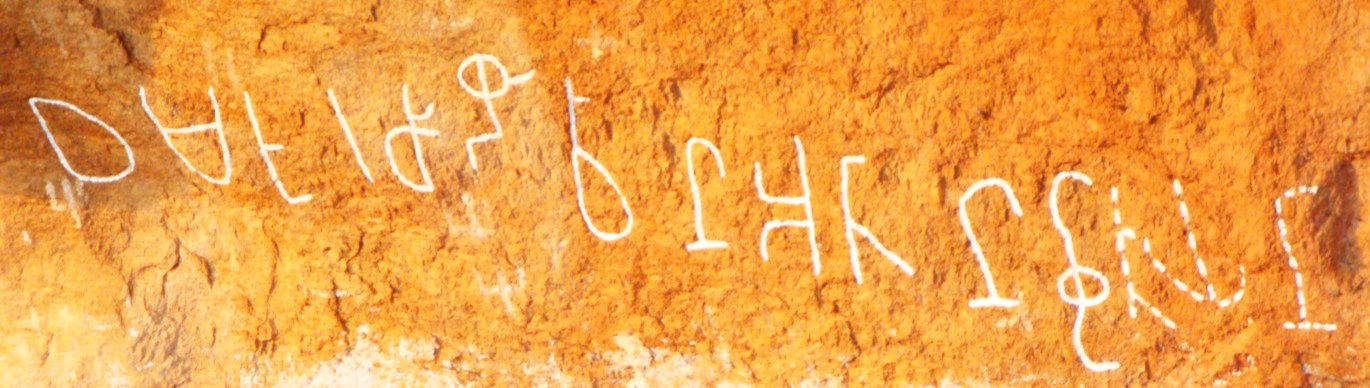
முதலைக்குளம் ஊரின் கிழக்கே உள்ள மலைப்பகுதியில் ஆறு பிராமி கல்வெட்டுகள், பொது ஆண்டு 1923 முதல் 1978 வரையிலான காலக்கட்டத்தில் கண்டுபிடிக்கப்பட்டன. மலையில் உள்ள குகைத்தளத்தின் நெற்றிப்பகுதியில் முதல் கல்வெட்டு வெட்டப்பட்டுள்ளது. இதில் “எம்ஊர் சிழிவன் அதன்தியன்“ என எழுதப்பட்டுள்ளது. ”எங்களூரைச் சேர்ந்த சிழிவன் அதன் தியன் என்பவரால் இந்தக் கொடை நல்கப்பட்டுள்ளது” என்பது இதன் பொருளாகும். மலையின் கீழே 2 கி.மீ. அளவிற்கு பரவிக் காணப்படும் கண்மாயைத்தான் இக்கல்வெட்டு குறிக்கிறது என அறிஞர்கள் சிலர் பொருள் கூறியுள்ளனர். அறிஞர்களுக்கிடையே பாடபேதங்களும் காணப்படுகின்றன.
இரண்டாம் பிராமிக் கல்வெட்டு பெரிய குகைத்தளத்தில் உள்ள கற்படுக்கைகளின் தலைப்பகுதியில் உள்ளது. “அந்தைய் பிகன் மகன் வெந்அதன்” என்று வெட்டப்பட்டுள்ளது. அந்தை பிகன் மகன் வெந்அதன் நல்கிய கொடை என்று அறிஞர்கள் சிலர் பொருள் கொள்கின்றனர்.
மூன்றாம் கல்வெட்டு ஒரு சிறு தனிப்பாறையின் கீழாக அமைந்துள்ள மிகச்சிறிய குகைத் தளத்தின் விதானத்தில் பொறிக்கப்பட்டுள்ளது. இக்கல்வெட்டில் ”எஇய்ல் அர்இய்தன் சேவித்ஒன்” என்று வெட்டப்பட்டுள்ளது. எஇய்ல் என்ற ஊரைச் சேர்ந்த அர் இய்தன் என்பவரால் செய்விக்கப்பட்டது என்பது இதன் பொருள்.
நான்காம் கல்வெட்டு மற்றொரு கற்படுக்கையின் தலைப்பகுதியில், ”பேதலை குவிரன்” என்று வெட்டப்பட்டுள்ளது. பே[த்]தலை என்ற ஊரைச் சேர்ந்த குவிரன் என்பவரால் இந்தப் படுக்கை செதுக்கப்பட்டுள்ளது என்பது இதன் பொருள்.
ஐந்தாவது கல்வெட்டு மற்றொரு கற்படுக்கையில் வெட்டப்பட்டுள்ளது. அதில் ”செங்குவிரன்” என்ற சொல் உள்ளது. செங்குவிரன் என்பவரால் இப்படுக்கை செதுக்குவிக்கப்பட்டுள்ளது என்பது இதன் பொருள்.
ஆறாம் கல்வெட்டு மற்றொரு கற்படுக்கையில் வெட்டப்பட்டுள்ளது. அதில் ”கு[வி] ரதன்” என்ற சொல் உள்ளது. கு[வி]ரதன் என்பவரால் இப்படுக்கை செய்தளிக்கப்பட்டுள்ளது என்பது இதன் பொருள். இவை ஆறும் பொது ஆண்டுக்கு முன் 2ஆம் நூற்றாண்டைச் சேர்ந்த கல்வெட்டுகளாகும்.
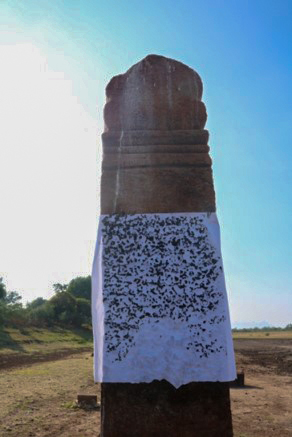
இதைத் தவிர ஏழாவதாகக் காணப்படும் வட்டெழுத்துக் கல்வெட்டானது, மலைக்குக் கீழ் உள்ள முதலைக்குளம் கண்மாயில், ஆய்வாளர் காந்திராஜன் அவர்களால் கண்டுபிடிக்கப்பட்டுள்ளது. நான்கு வரிகள் கொண்ட இந்தக் குமிழித்தூண் கல்வெட்டு, பொது ஆண்டு 9-10ஆம் நூற்றாண்டைச் சேர்ந்த வட்டெழுத்துக் கல்வெட்டாகும். முதல் சொல் ’ஸ்வஸ்தி ஸ்ரீ’ என்றும், அடுத்து “தென் கல்லக நாடு....” என்றும் கல்வெட்டு தொடங்குகிறது. பிற சொற்கள் தற்போது சிதைந்த நிலையில் உள்ளன. இக்குன்றுக்கு அருகில் உள்ள விக்கிரமங்கலம் குன்றிலும் பொது ஆண்டுக்கு முன் 2ஆம் நூற்றாண்டைச் சேர்ந்த பிராமிக் கல்வெட்டு காணப்படுகிறது. மேலும் இக்குன்றின் சுற்றுவட்டாரப் பகுதியில் சுமார் 2500 ஆண்டுகள் பழமையான பெருங்கற்கால எச்சங்கள் மற்றும் 17ஆம் நூற்றாண்டைச் சேர்ந்த நடுகல்லும் கண்டுபிடிக்கப்பட்டுள்ளன. எனவே, இந்த ஊர் இரண்டாயிரமாண்டுகளாகத் தொடர்ச்சியாக மக்கள் வாழ்விடப்பகுதியாகச் சிறப்புற்று விளங்கியிருப்பதை அறிய முடிகிறது.
A historic year
2nd Century BCE & 9th–10th Century CE
Additional Information
In the hilly region located to the east of Mudalaikulam village, six Brahmi inscriptions were discovered between the years 1923 and 1978. The first inscription is engraved on the frontal part of a cave site in the hill. It reads "EmUoor Sizhivan Athanthiyan", which translates to "This donation was given by Sizhivan Athan Thiyan from our village." Scholars suggest that this inscription refers to the irrigation tank located at the base of the hill, that extends up to 2 kilometers. However, interpretations among scholars vary.
The second Brahmi inscription is located above the stone beds in the largest cave. It reads "Anthai Pigan Magan VenAthan", which is interpreted by scholars as "The donation was given by Anthai Pigan’s son, Venathan."
The third inscription is found on the ceiling of a very small cave site beneath an isolated rock. It is engraved with the words "EIyl Ar Iythan Sēvithōn", meaning "This was established by Ar Iythan from the village of Eiyil."
The fourth inscription is carved on the head portion of another stone bed and bears the phrase “Pēthalai Kuviran.” This indicates that the bed was made by a person named Kuviran from the village of Pē[th]thalai.
The fifth inscription appears on another stone bed and contains the name “Senguviran.” This implies that the bed was carved out by an individual named Senguviran.
The sixth inscription, also carved on another stone bed, includes the name “Ku[vi]rathan.” It means that the bed was made and donated by a person named Ku[vi]rathan. All these six inscriptions date back to the 2nd century BCE.
Apart from these, a seventh inscription in Tamil Vatteluttu script was discovered by researcher Gandhirajan in the Muthalaikulam irrigation tank below the hill. This four-line sluice pillar inscription belongs to the 9th–10th century CE. The first word reads "Swasthi sri", followed by "Then Kallaga Nadu...", but the rest of the inscription is now partially damaged.
Additionally, another Brahmi inscription from the 2nd century BCE is found on Vikramangalam Hill, which is near this site. Furthermore, archaeological discoveries in the surrounding area reveal remnants from the Megalithic period (about 2500 years old) and hero stones (Nadukal) from the 17th century CE. These findings indicate that this region has been continuously inhabited for at least 2,000 years, making it a historically significant settlement.
தகவல்
முனைவர் இரத்தினகுமார்
Details
Dr. N. Rathnakumar
குறிப்புகள்
(ஸ்ரீதர் - தமிழ்ப் பிராமிக் கல்வெட்டுகள், ப. 34-37)