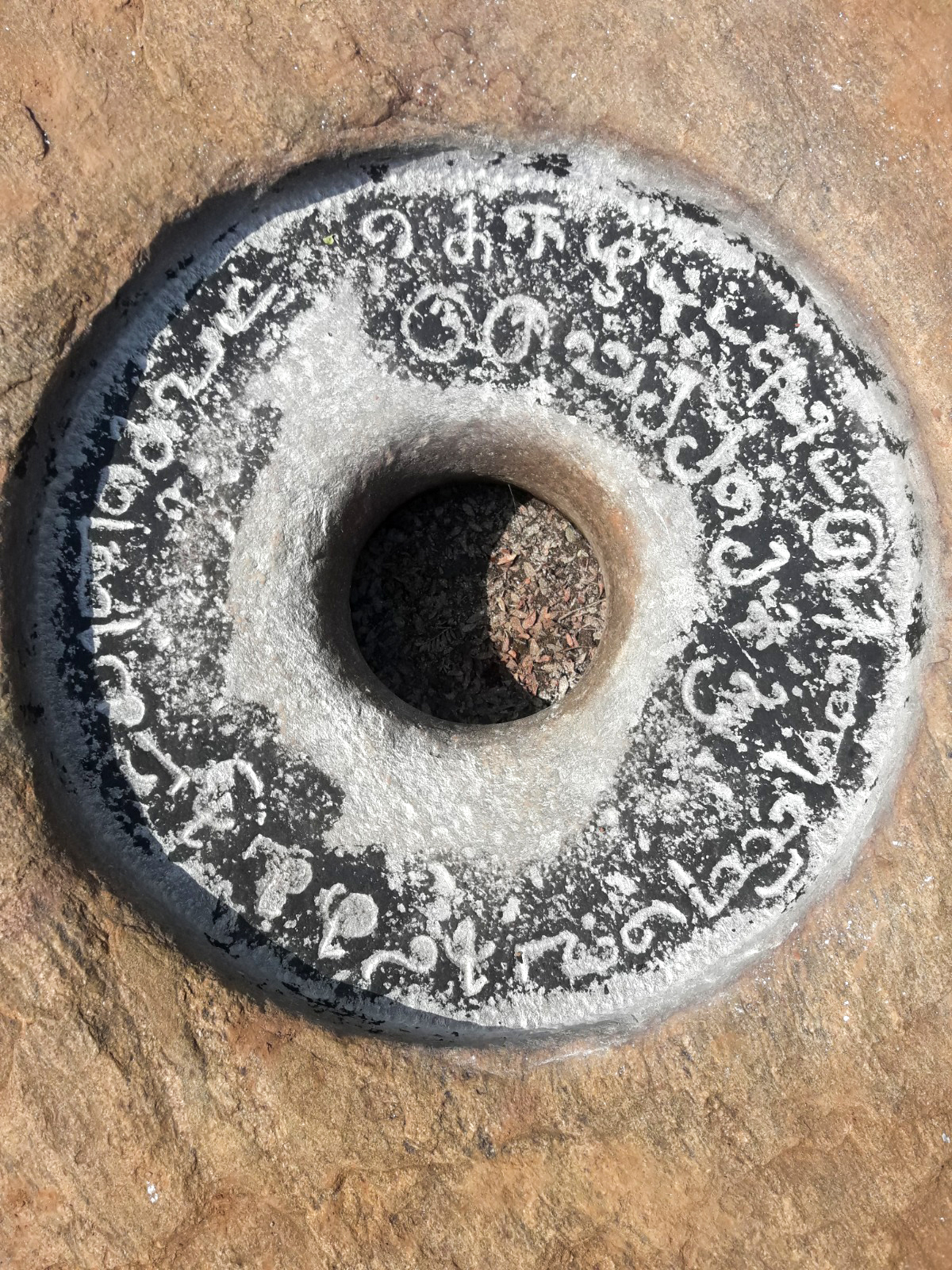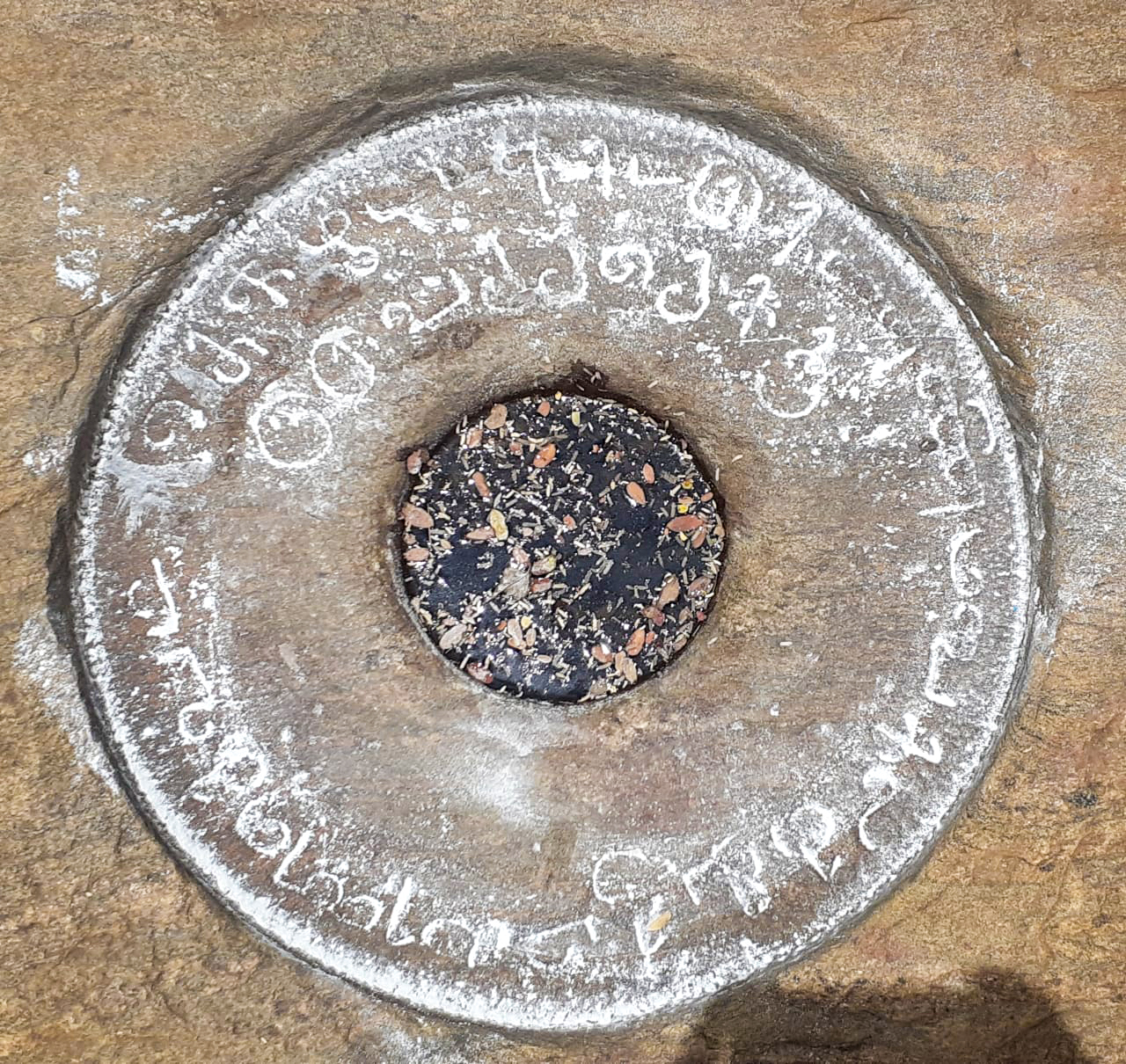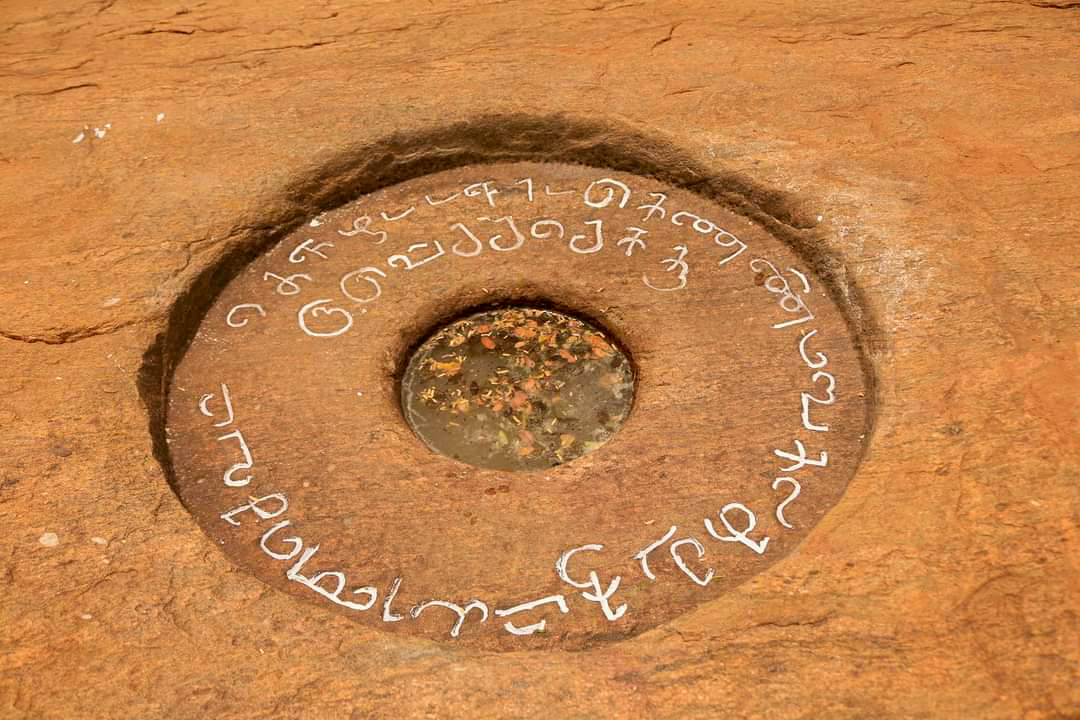
இக்கல்வெட்டின் படி கண்ணிமங்கலத்தைச் சேர்ந்த குடியான் சேவடி என்பவர் ஆண்டிபட்டி அருகே உள்ள நாகலாற்றுப் பகுதியில் இச்செக்கைச் செய்துகொடுத்துள்ளார் என்ற செய்தியை அறிய முடிகிறது. எழுத்தமைதியின் அடிப்படையில் இக்கல்வெட்டின் காலம் பொது ஆண்டு 9 - 10 ஆம் நூற்றாண்டாக இருக்கலாம் எனக் கருதப்படுகிறது. சுமார் 15 அடி நீளம், 3அடி உயரம், 7 அடி அகலத்தில் அமைந்துள்ள திறந்த வெளிப்பாறையில் உருவாக்கப்பட்டுள்ள இந்த செக்கில், அமைந்துள்ள கற்குழி 25 இன்ச் வெளி விட்டமும், 10 இன்ச் உள் விட்டமும் கொண்டுள்ளது.
தெந்முட்ட நாடு என்பது தேனி மாவட்டம் ஆண்டிபட்டி கணவாய் பகுதிக்கு கிழக்கே உள்ள மல்லப்புரம், சூலப்புரம், மேலத்திருமாணிக்கம், எழுமலையில் தொடங்கி பெருங்காமநல்லூர் வரையிலான இடங்கள் ஆகும். அந்த காலங்களில் வெளியூர்களுக்கு பயணம் மேற்கொள்ளும் பயணிகள், துறவிகள், வணிகர்கள், நடமாடும் கலைக் கூத்தாடிகள் உள்ளிட்டோர் வழிப் பயணத்திலேயே தங்க நேரிடும்போது அவர்கள் சமைப்பதற்காக நீர்நிலைகளுக்கு அருகேயுள்ள பாறைகளில் உணவுப் பொருட்களை அரைப்பதற்கு ஏதுவாக கற்களில் செக்கு உருவாக்குவது வழக்கம். அதன்படி மதுரையிலிருந்து சதுரகிரி மகாலிங்கம் கோயில், மாவூற்று வேலப்பர் கோயில், பெரியகுளம் பாலசுப்ரமணியர் கோயில், சின்னமனூர் சிவகாமியம்மன் கோயில் போன்ற வழிபாட்டுதலங்களுக்கு செல்பவர்களுக்கு உணவு தயார் செய்து வழங்க சேவடி கூட்டம் என்ற குழுவினர் இருந்துள்ளனர். இது அவர்கள் உருவாக்கிய கற்செக்காக இருக்கக் கூடும். சேவடி என்பது இறை அடியவர்கள் அல்லது இறைத்தொண்டை குறிப்பதாகும்.
Additional Information
On the Nāgalāru stream, an inscription is seen on a oil press which is made on the surface of a rock. The inscription contains in two lines:
Based on this inscription, it can be inferred that Kudiyān Sēvadi, a resident of Kannimangalam, commissioned this "Sekku" (oil press) in the Nāgalāru area near Āndipatti. Based on the style of writing, it is estimated that the inscription dates back to the 9th-10th century CE.
This stone sekku, created on an exposed rock surface measuring approximately 15 feet in length, 3 feet in height, and 7 feet in width, contains a carved pit with an outer diameter of 25 inches and an inner diameter of 10 inches.
Thenmuttanadu refers to the region stretching from Mallappuram, Soolappuram, Melathirumanickam, and Elumalai to Perunkaamanallur, located to the east of the Andipatti canal area in Theni district. In ancient times, travelers, ascetics, merchants, and nomadic performance artists who journeyed to distant places would sometimes need to rest along the way. For their convenience, stone sekku were carved into rocks near water sources to grind food ingredients for cooking.
In this context, groups known as "Sēvadi Koottam" were formed to prepare and provide food to devotees traveling from Madurai to pilgrimage sites such as the Sathuragiri Mahalingam Temple, Mavuttru Velappar Temple, Periyakulam Balasubramaniyar Temple, and Chinnamanur Sivagami Amman Temple. This stone oil press could have been made by them. The term "Sēvadi" refers to devotees or those engaged in divine service/religious charity.