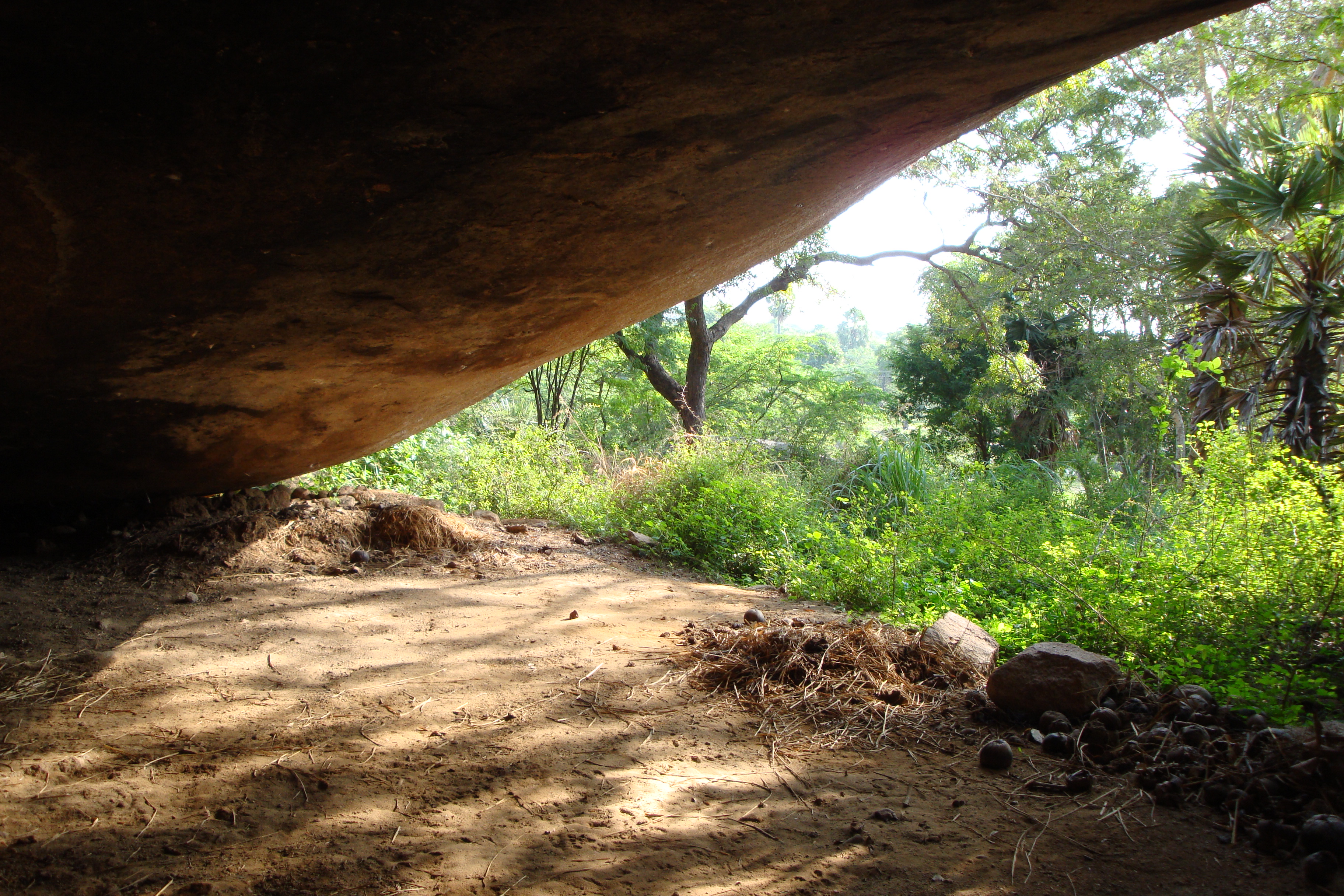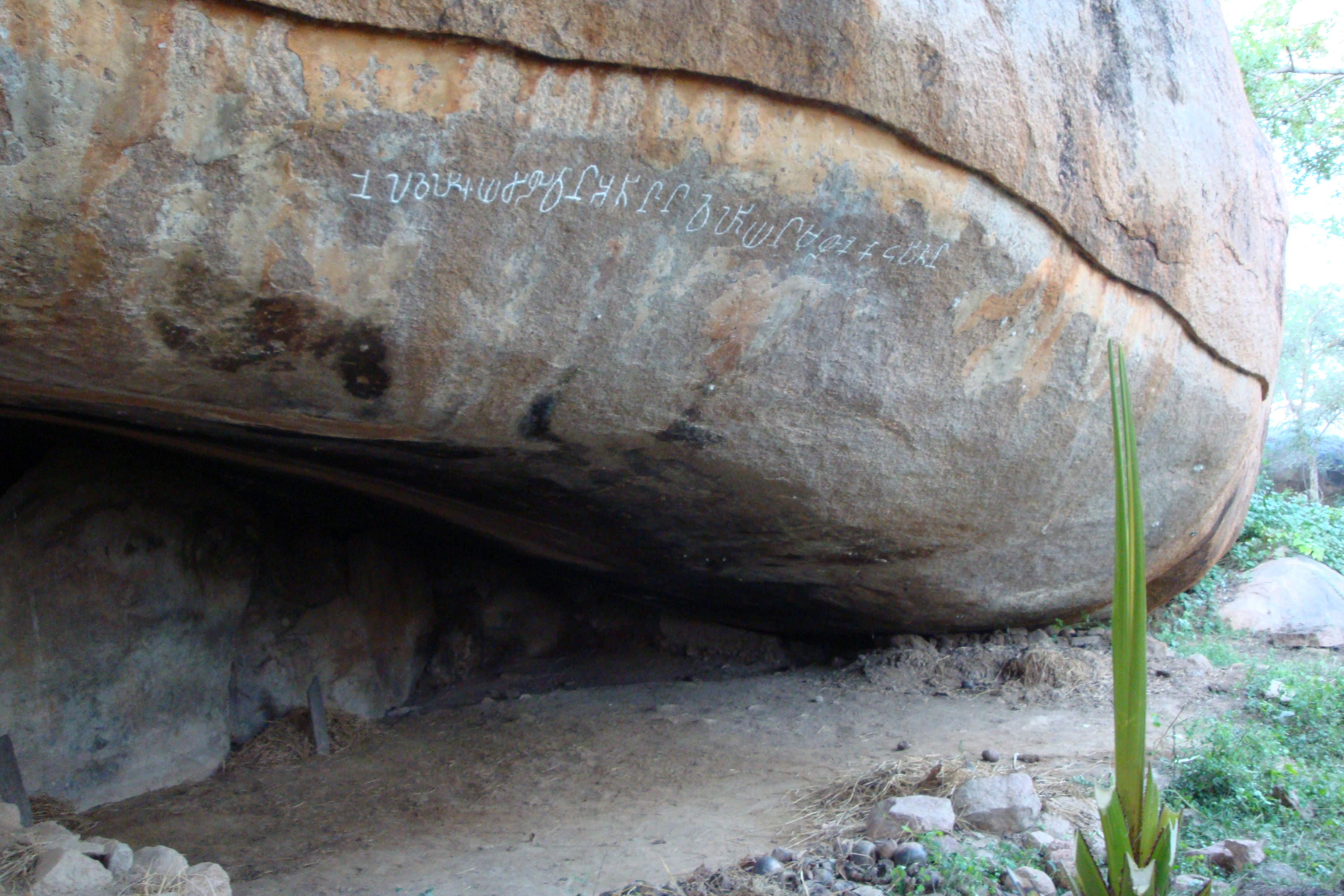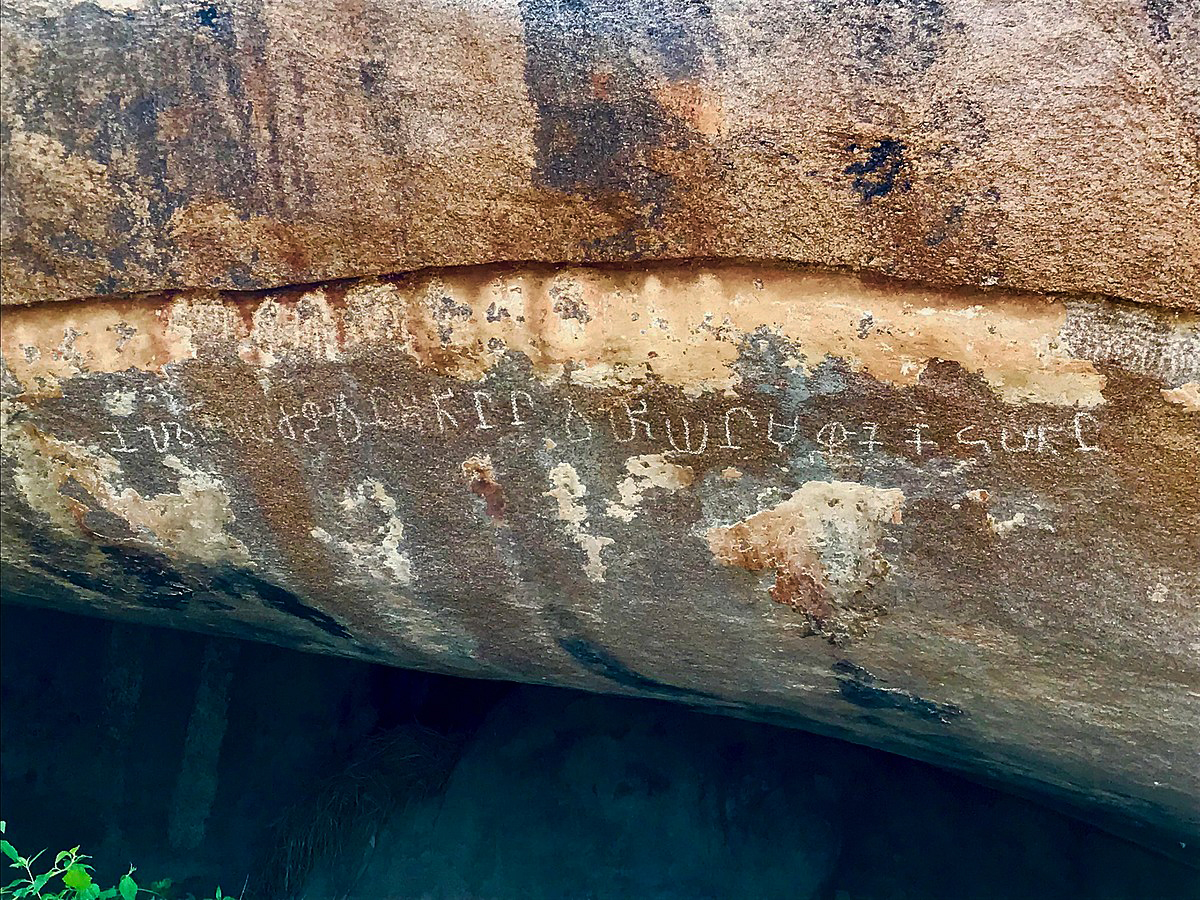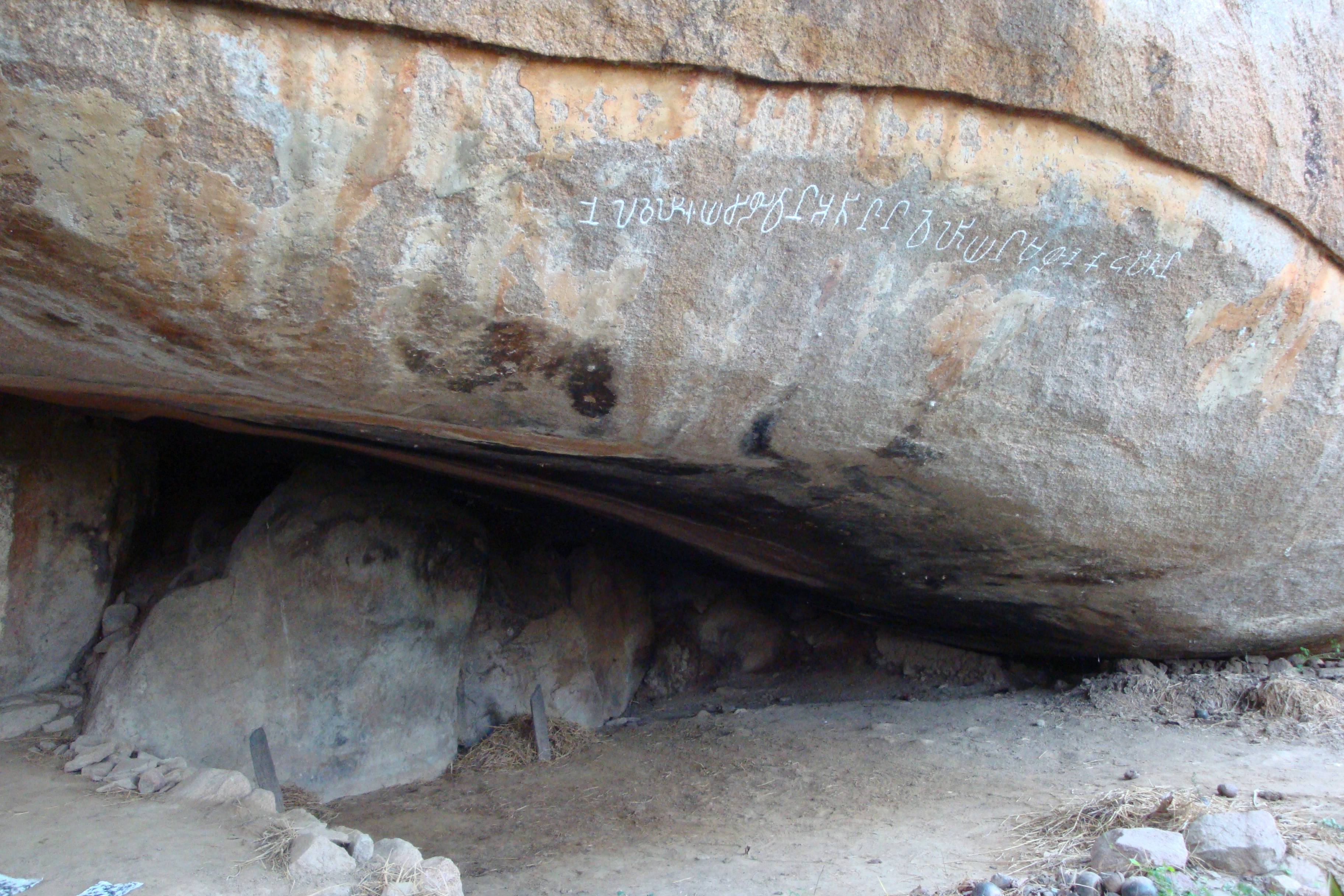
"தமிழகத்தின் முதல் பல்லுயிர் மரபுத் தலமான அரிட்டாபட்டியின் கழிஞ்சமலையில் உள்ள இயற்கையான குகைத்தளத்தில் இரண்டு தமிழ்ப் பிராமிக் கல்வெட்டுகள் வெட்டப்பட்டுள்ளன. கற்படுக்கைகள் அமைந்துள்ள இந்த குகையின் நெற்றிப் பகுதியில் காணப்படும் நீர்வடிவிளிம்பின் மேலும் கீழும் கல்வெட்டுகள் உள்ளன.
நீர்வடி விளிம்பின் கீழ் உள்ள இந்தக் கல்வெட்டு பொது ஆண்டு 1971 இல் பேராசிரியர் கே.வி. இராமன் மற்றும் பேராசிரியர் எ.சுப்பராயலு ஆகியோரால் கண்டறியப்பட்டது. இக்கல்வெட்டு, நெல்வேலியைச் சேர்ந்த சிழிவன் அதினன் வெளியன் என்பவர் இக்குகைத் தளத்தைப் பயன்படுத்த ஏற்றவாறு அமைத்துக்கொடுத்தார் என்று கூறுகிறது. கல்வெட்டில் குறிப்பிடப்பட்டுள்ள 'முழகை' என்ற சொல் கற்குகையைக் குறிப்பதாக இருக்கலாம். 'நெல்வேலி' என்ற இடம் இப்போதைய திருநெல்வேலியாக இருக்கலாம் எனத் தொல்லியல் ஆய்வாளர்கள் கருதுகின்றனர்.
2 ஆம் கல்வெட்டு-
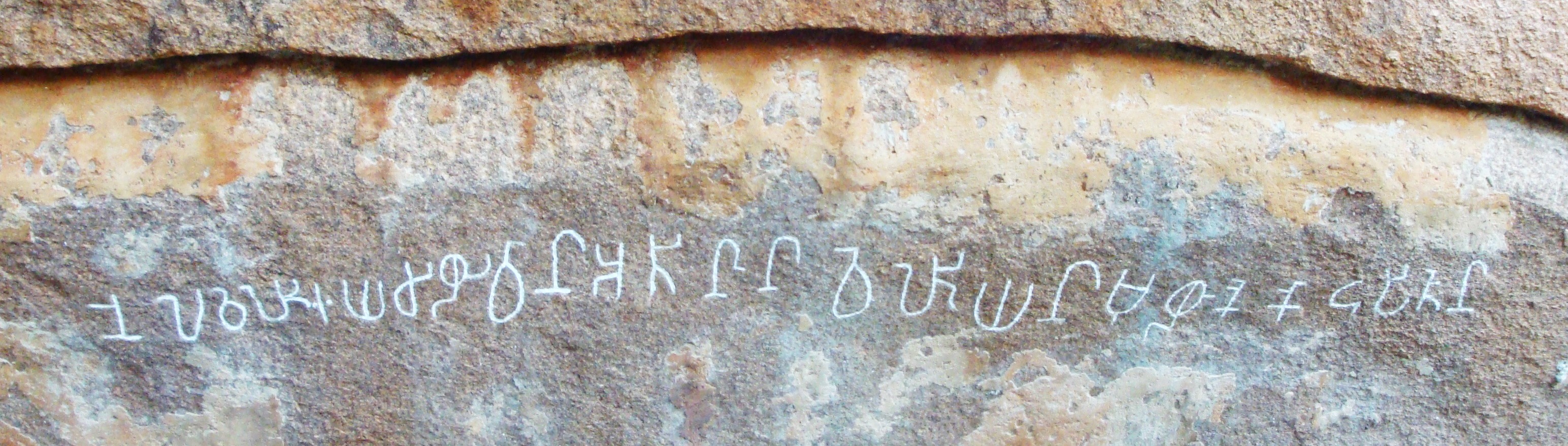
இலஞ்சிய் எளம் பேரா அதன் மகன் எமயவன்
இவ்முழ உகைய் கொடுபிதவன்
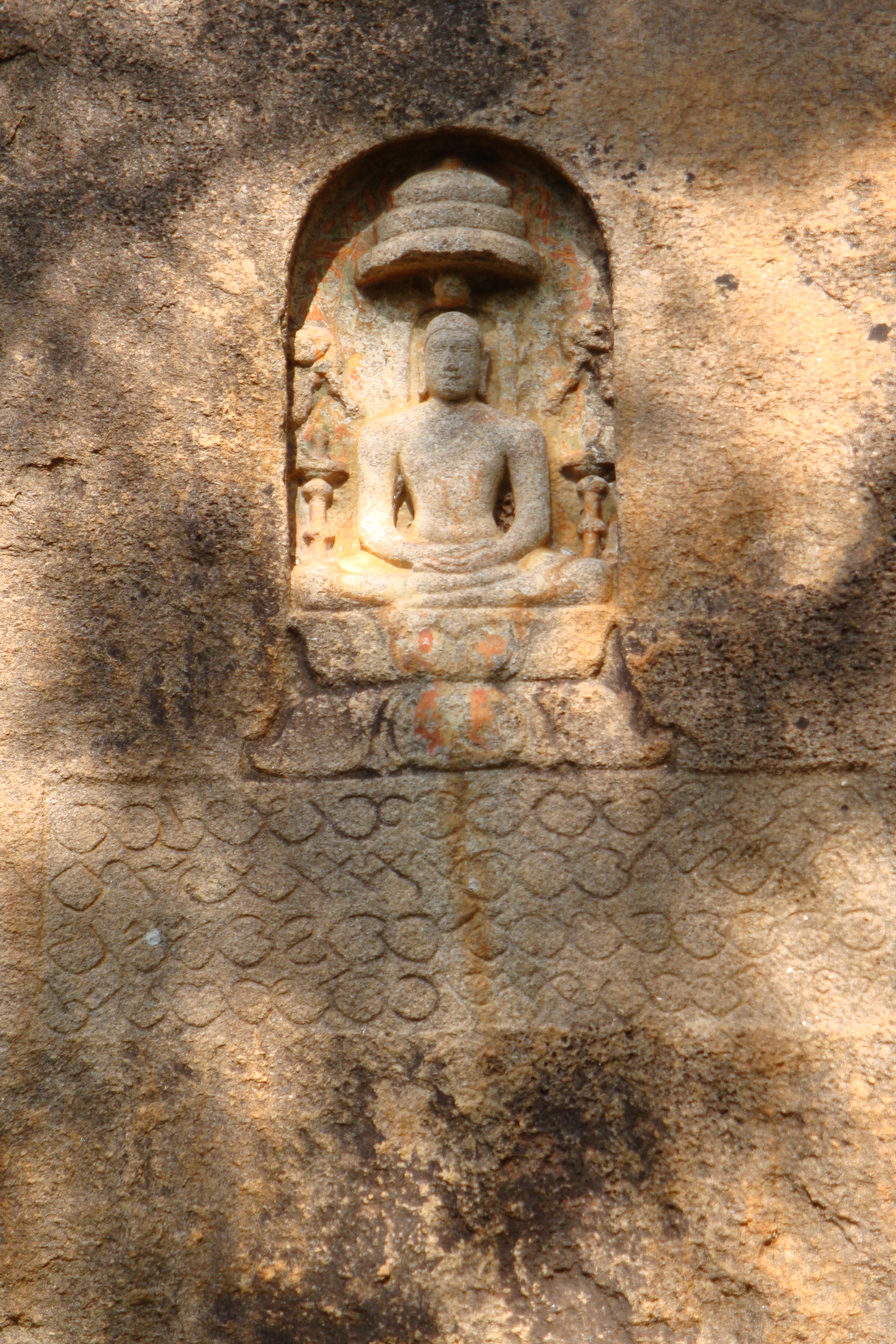
நீர்வடி விளிம்புக்கு மேலாக இக்கல்வெட்டு ஒரே வரியில் வெட்டப்பட்டுள்ளது. இதனை 2003ஆம் ஆண்டில் தமிழ்நாடு அரசு தொல்லியல் துறை அலுவலர்கள் கள ஆய்வின் போது கண்டறிந்தனர். இலஞ்சி என்னும் ஊரைச் சேர்ந்த எளம்பேராதன் மகன் எமயவன் இந்தக் குகைத் தளத்தை உருவாக்கிக் கொடுத்தான் என்பது இதன் பொருள். இங்கு இளம் பேராதன் - எளம் பேராதன் , இமயவன் - எமயவன் என்று பேச்சு வழக்கில் ஏற்படும் 'இ'கரம் 'எ’கரம் ஆகும் நிலையைக் காணமுடிகின்றது. இக்குகைத் தளத்தின் அருகில் பொது ஆண்டு 9ஆம் நூற்றாண்டைச் சேர்ந்த சமணத் தீர்த்தங்கரர் உருவச் சிற்பம் செதுக்கப்பட்டு அதன் கீழாக வட்டெழுத்தில் கல்வெட்டுள்ளது.
A historic year
2nd century BCE
Additional Information
At Arittapatti, Tamil Nadu’s first declared biodiversity heritage site, two Tamil-Brahmi inscriptions have been carved into the natural cave site. These inscriptions are located above and below a waterline formation on the brow of the cave, which also contains stone beds.
This inscription, located below the waterline, was discovered in the year 1971 by Professor K.V. Raman and Professor Y. Subbarayalu. It states that a person named Sizhivan Athinan Veliyan from Nelveli arranged for this cave site to be prepared for use. The word "muzhāgai" mentioned in the inscription is interpreted to refer to the stone cave. Some archaeologists believe that the place referred to as "Nelveli" in the inscription might correspond to present-day Thirunelveli.
This inscription is carved in a single line above the waterline. It was discovered in 2003 during a field survey conducted by officials from the Tamil Nadu State Department of Archaeology.
The inscription conveys that Emayavan, son of Eḷampērāthan from the village of Ilañchi, had this cave site prepared. The variation in pronunciation, where "Iḷam Pērāthan" becomes "Eḷam Pērāthan" and "Imayavan" becomes "Emayavan", reflects a common phonetic shift from the vowel "i" to "e" in spoken Tamil.
Near this cave site, there is also a sculpted image of a Jain Tirthankara dating to the 9th century CE, beneath which there is an inscription in Vattezhuthu script.
தகவல்
முனைவர் துர்கா தேவி
Details
Dr. T. Durgadevi
குறிப்புகள்
இந்தியக் கல்வெட்டு ஆண்டறிக்கை 264 -1978-79 ; தமிழ் பிராமிக் கல்வெட்டுக்கள், பக். 22, 23
Reference
Indian Epigraphy Annual Report No. 264 – 1978–79; Tamil Brahmi Inscriptions pg22,23.