Additional Information
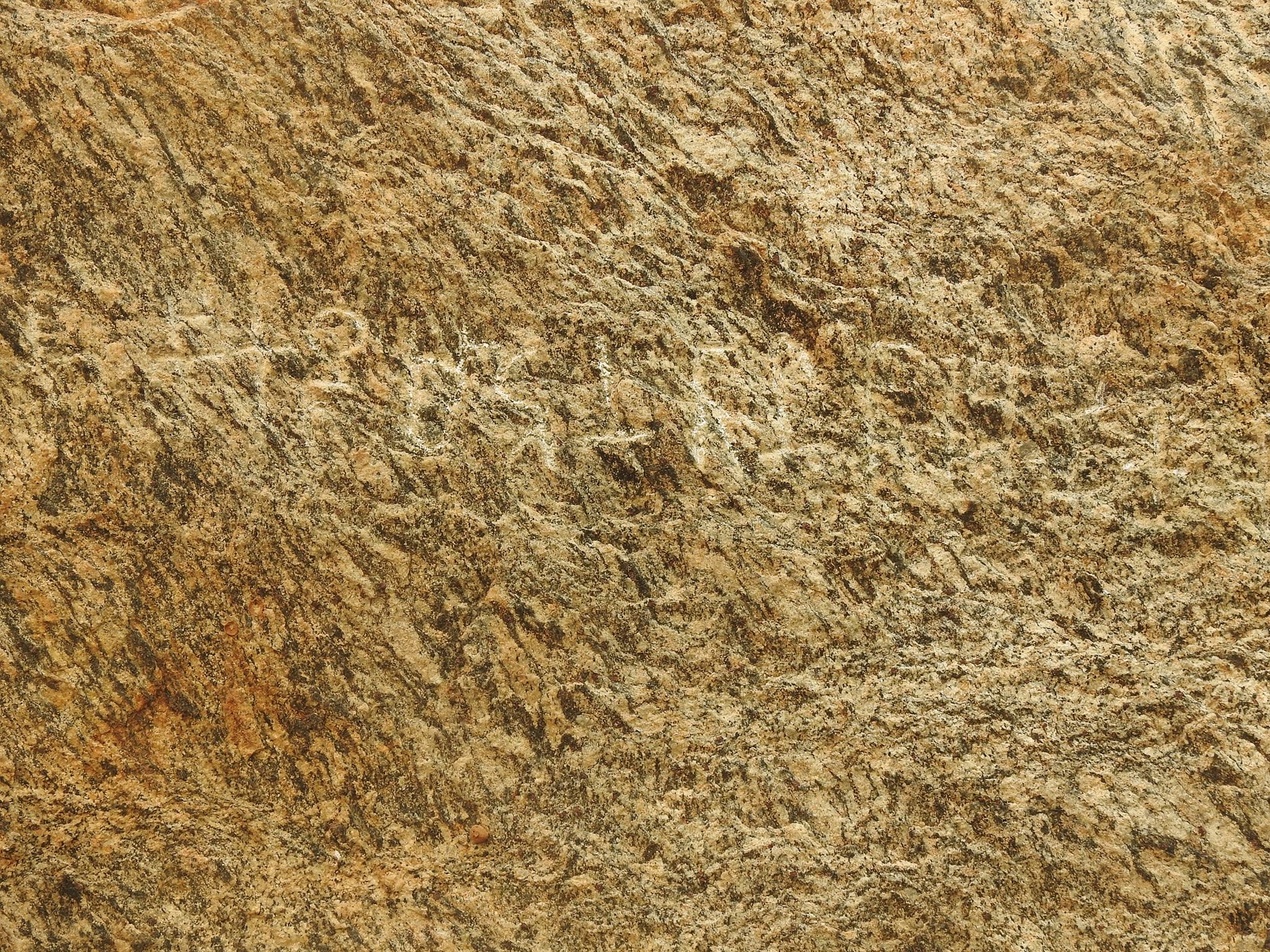
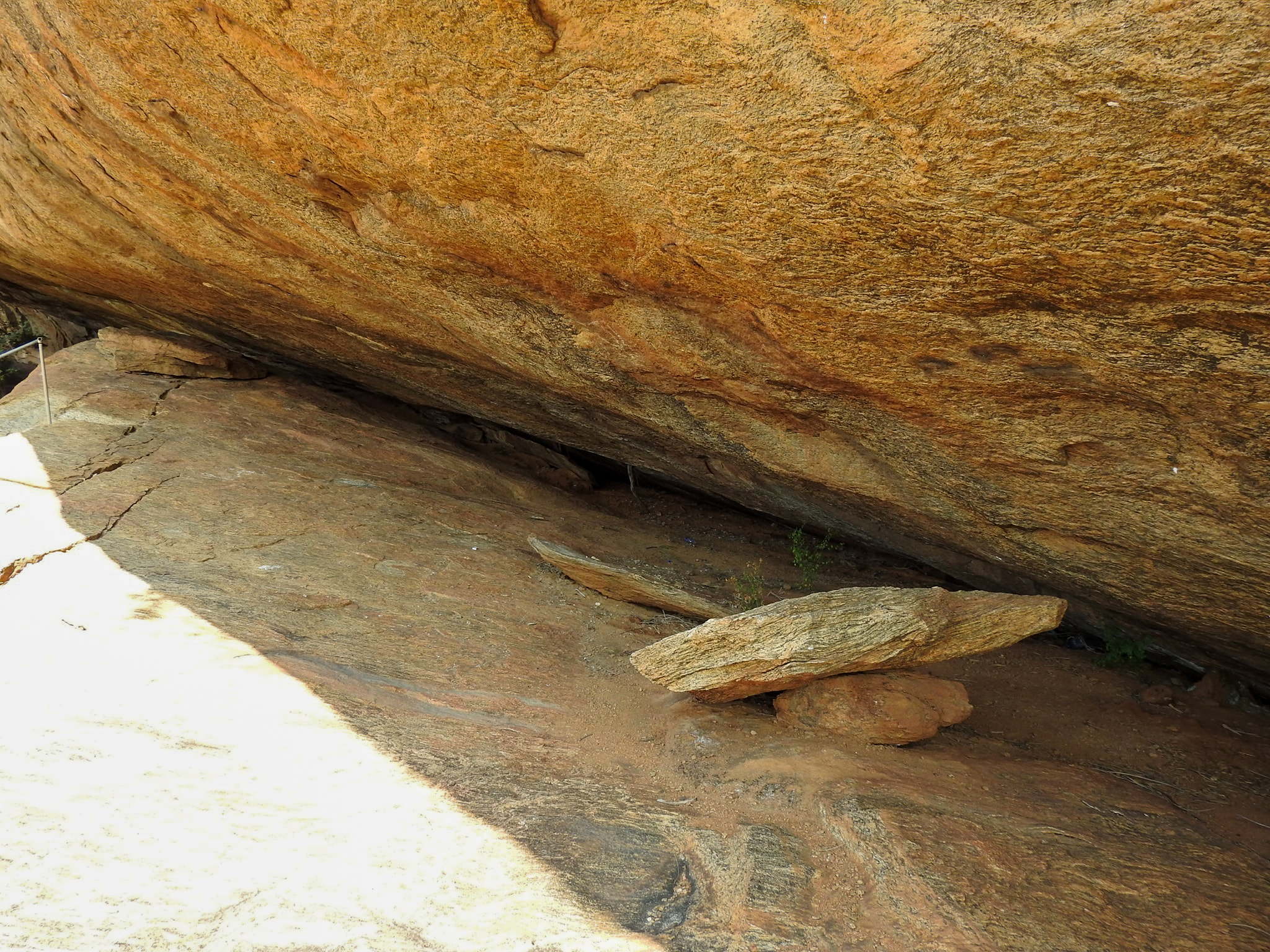
A total of 12 inscriptions have been carved at Kidaripatti, also known as Alagarmalai—one on the floor surface of the stone bed, and eleven on the brow/facade of the cave. Details revealed by the inscriptions:
1st inscription
Mentions a person named Athan Athan, a goldsmith from Madurai.
2nd inscription
Mentions the name of Nāgan.
3rd inscription
Refers to a salt trader from Maththirai (Madurai) named Viyakkan Kaṇathikan.
4th inscription
Mentions Athan Athan, son of Kaṇaka Athan. He may have contributed to the creation of the cave site or the spring (sunai).
5th inscription
Refers to a Jain female ascetic (pamiththi) named Sabamiththā (may be derived from the Sanskrit name Sarpamithrā). By inserting the letter 'th' in the middle of the name Sabmithā, it should be read as Sabmiththā or Sabmithrā. She is also said to have made a donation for the preparation of the cave site or a spring.
6th inscription
States that a trader named Nedumalaṉ, engaged in the sugar or camphor trade, contributed to the creation of the cave site and spring. Here, the word Nedumalaṉ can also be read as Nedumallaṉ by inserting an 'l'. The term pāṇitham refers to sugar syrup, while paṇitham denotes camphor.
7th inscription
Describes a donation made by a trader named Eḷa Sandhaṉ, involved in the trade of kozhu, the sharp end of a ploughshare. His name can also be read as Iḷa Sandhaṉ or Iḷaiya Sandhaṉ.
8th inscription
States that Kazhumāṟanathaṉ created a thāraṇi (possibly referring to a spring or water channel). His name is preceded by a place or title that seems to end in “…(ñ)chi”. The word thāraṇi may denote a water-course ledge or spring where water gathers.
9th inscription
Mentions donations made by individuals named Thaṉmaṇ and Kasaban.
10th inscription
Refers to a person named Eḷa A Aṭaṉ, a textile or cloth merchant from Veṇpaḷḷi, who may have made a donation.
11th inscription
Mentions a person named Thiyan Sandhaṉ.
12th inscription
States that the stone beds were established by Kaṇināgan and Kaṇinadhaṉ.
Among the 12 inscriptions found here, 8 have three types of symbols at the end. Of these, the first symbol appears after the names of five individuals, the second after the names of two individuals, and the third after the name of one individual. This symbol is also found on Sangam-period potsherds discovered in the excavation at Kodumanal site. Similar symbols are seen in Tamil-Brahmi inscriptions from Sri Lanka as well.
It is believed that these symbols might refer either to gold (pon) or could represent clan identifiers. Here, the word pon is likely used in the sense of money or coin. Since the same symbols appear on potsherds too, it's assumed they may also have served as clan or community symbols. These symbols are also seen in the Indus Valley script. In the Brahmi seal discovered at Anaikottai in Sri Lanka, where both Brahmi script and symbols are engraved together, it has been revealed that these symbols had phonetic (sound) values.
One of the unique features of these Tamil-Brahmi inscriptions is the use of the term “Mathirai” to refer to Madurai, highlighting its ancient significance. The mention of individuals like goldsmith of Madurai, salt trader of Madurai, pāṇita trader, koḻu (ploughshare) trader, and textile (surgical cloth) trader suggests that organized merchant guilds existed long before today’s formal trade unions.
These merchants are believed to have been the ones who created the stone beds, the brow-like water channel formations on the cave facade, and the spring. These contributions are recorded in the inscriptions.


 பதிவிறக்கவும்




 தெ.துர்கா தேவி