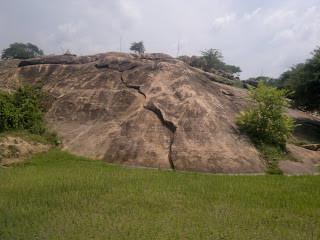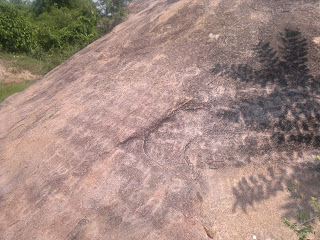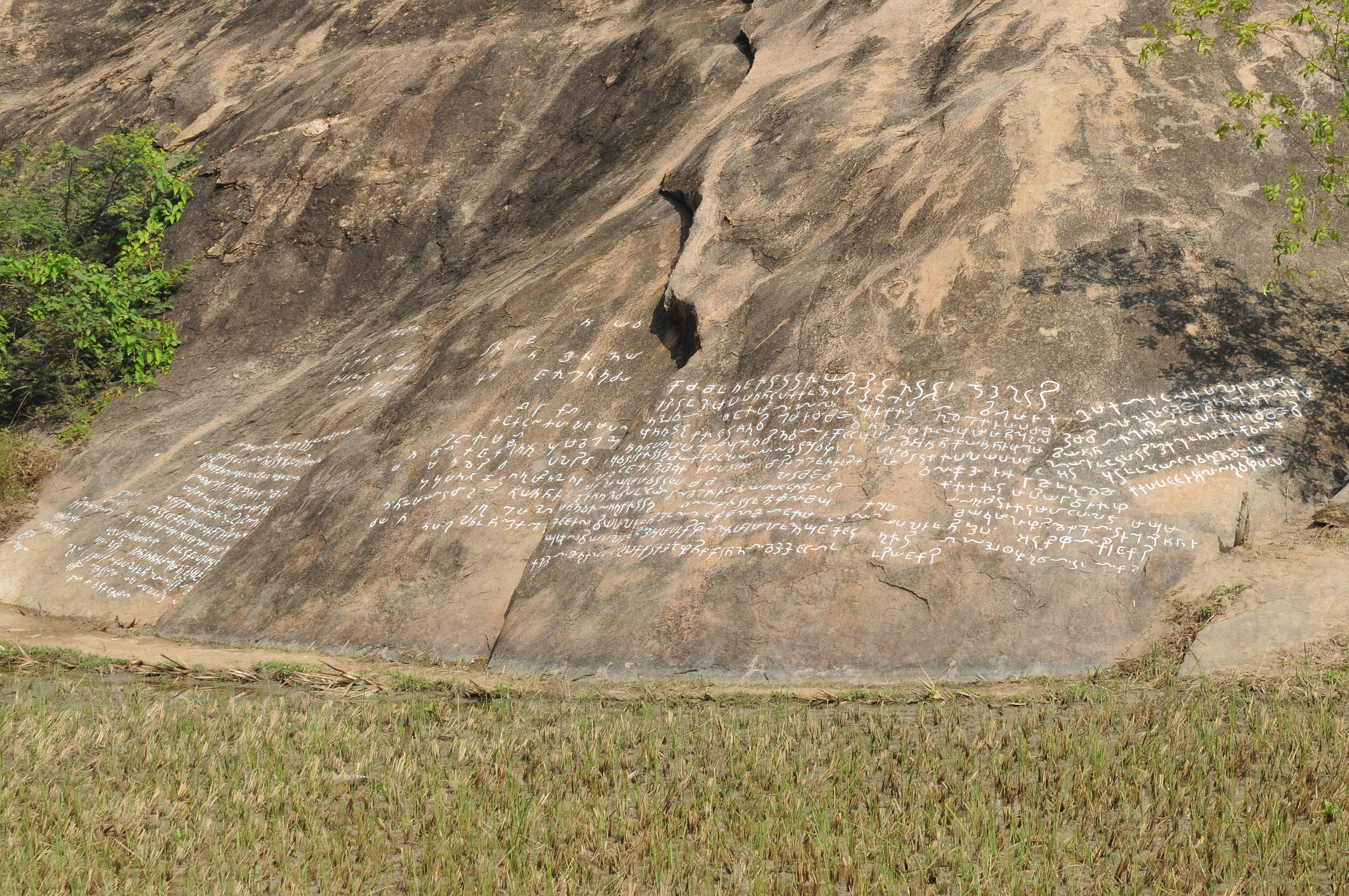
At Pulankurichi, on the slope of the hill adjacent to a sluice.
Language & Script
Tamil and Vattezhuthu
Period / King
Kalabhras / Sēnthaṉ kūtṟaṉ
Village Name
Pulankurichi
District
Sivaganga
வரலாற்று ஆண்டு
பொது ஆண்டு 4-5ஆம் நூற்றாண்டு
கூடுதல் விவரங்கள்
தமிழ்நாட்டில் கண்டறியப்பட்ட கல்வெட்டுகளில் நிலம் தொடர்பான செய்திகளைக் கொண்ட தொன்மையான கல்வெட்டு பூலாங்குறிச்சிக் கல்வெட்டாகும். தமிழ்நாட்டில் இதுவரை கிடைத்திருக்கும் பழைமையான கல்வெட்டுகளிலேயே பெரிய கல்வெட்டும் இது தான். இக்கல்வெட்டு 45 அடி நீளமும் 6 அடி உயரமும் கொண்டுள்ளது. பூலாங்குறிச்சி மதகுமலைச் சரிவின் தென்புறப் பகுதியில் பொது ஆண்டு 400ஐச் சேர்ந்த மூன்று கல்வெட்டுகள் காணப்படுகின்றன. இவற்றுள் ஒன்று முழுமையாகச் சிதைந்து விட்டது. மற்ற இரண்டு கல்வெட்டுகளில் ஒன்று சேந்தன் என்ற மன்னனுக்கு உரியதாகும். மற்றொன்று அவனது மகனான சேந்தன் கூற்றனுக்கு உரியதாகும்.
வடக்குப் பகுதியில் உள்ள முதல் கல்வெட்டு தொடக்கத்திலும் நடுவிலும் சேதுமடைந்துள்ளது. இது மன்னன் சேந்தன் காலத்தைச் சேர்ந்த நிலத்தானக் கல்வெட்டாகும். இதில் கடலூர் நாட்டைச் சேர்ந்த வெள்ளேற்றான் மங்கலம் என்ற பிரம்மதேயம் குறிப்பிடப்படுகின்றது. தமிழ்நாட்டுக் கல்வெட்டுகளில் பிரம்மதேயத்தைப் பற்றிக் குறிப்பிடப்படும் பழைமையான குறிப்புகளில் இதுவும் ஒன்றாகும். மலையின் தென் பக்கம் காணப்படும் இரண்டாவது கல்வெட்டு நல்ல நிலையில் பாதுகாக்கப்பட்டுள்ளது. இது மன்னன் சேந்தன் கூற்றன் காலக் கல்வெட்டாகும். இக்கல்வெட்டில் மூன்று செய்திகள் குறிப்பிடப்படுகின்றன. வேள்கூரில் இருந்து பச்செறிச்சின் மலையில் தேவகுலம் (வழிபாட்டுத் தலம்) அமைக்கப்பட்டதையும், முத்தூற்றுக் கூற்றத்தில் விளமர் என்ற ஊரில் தேவகுலம் அமைக்கப்பட்டதையும், மதுரையில் உளிவயத்தன் குளத்தின் கரையில் வசிதேவனார் கோட்டம் அமைத்ததையும் இக்கல்வெட்டு தெரிவிக்கின்றது. இச்செயல்களைச் சேந்தன் கூற்றனின் கடற்படைத் தலைவன், வேள் மருகண் மகனான எங்குமான் என்பவன் செய்திருக்கின்றான். இக்கல்வெட்டு நூற்றுத்தொண்ணூற்றிரண்டாம் ஆண்டில் பதிக்கப்பட்டதாக கல்வெட்டிலேயே குறிப்பு உள்ளது. இக்கல்வெட்டில் அத்திகோயத்தார், உள்மனையார், நாற்பற்றிணைகள் (நான்கு வகைத் திணைகள்) ஆகிய இம்மூன்று பிரிவினரும் இப்பகுதியில் அமைக்கப்பட்ட சமணக் கோயில்களுக்குப் (கோட்டம்) பாதுகாவல் ஏற்றுக்கொண்ட செய்தி குறிப்பிடப்பட்டுள்ளது. இந்தக் கல்வெட்டில் காணப்படும் மன்னர்களின் பெயர்களான சேந்தன், கூற்றன் ஆகியவற்றைக் கொண்டு அவர்கள் களப்பிரர் அரசர்களாக இருக்கக்கூடும் எனத் தொல்லியல் அறிஞர்கள் சிலர் கருதுகின்றனர். பூலாங்குறிச்சிக் கல்வெட்டுகள் குறிப்பிடும் இரு தேவகுலங்கள் மற்றும் வசிதேவனார் கோட்டம் ஆகிய மூன்றுமே சமண சமயஞ் சார்ந்தன எனக்கொள்வதோடு இவற்றைக் கட்டிய அதிகாரிக்கு ஆதரவளித்ததன் மூலம் அரசனும் சமண சமயஞ் சார்ந்தவனாக இருக்கலாம் என அறிஞர்கள் சிலர் கருதுகின்றனர்.
இக்கல்வெட்டின் அருகில் பராந்தகச் சோழன் காலத்தில் செய்து வைக்கப்பட்ட தலையிழந்த ஐயனாரின் உருவம் ஒன்று காணப்படுகிறது. இதனைச் சூரன்நாகை என்பவன் செய்திருக்கின்றான். இதற்குக் காவலாகத் திசையாயிரத்து ஐந்நூற்றுவர் என்ற வணிகர் குழு இருந்திருக்கிறது. இச்செய்திகளை இச்சிலையருகில் காணப்படும் பராந்தகச் சோழன் கல்வெட்டு தெரிவிக்கின்றது. இதுதவிர இம்மலையில் சமணர்கள் வாழ்ந்த பழைமையான குகைத்தளம் ஒன்றும் உள்ளது.
பூலாங்குறிச்சி மதகுமலைச் சரிவின் வடபுறம் உள்ள கல்வெட்டு:
13. கண்ணன் இது கடைப்பி ஓலைக் காற்கண்டெழுதிக் கொடுத்தேன் (வெ)ண்ணாட்டன்ந(ரியங்) நரியங்காரி
A historic year
4th-5th century CE.
Additional Information
The oldest inscription found in Tamil Nadu that contains information related to land is the Pulankurichi inscription. It is also the largest ancient inscription found in Tamil Nadu so far. This inscription is 45 feet long and 6 feet high. On the southern side of the Pulankurichi Madhakumalai slope, there are three inscriptions dating back to 400 CE. One of these is completely destroyed. Of the other two inscriptions, one belongs to a king named Sēnthan and the other belongs to his son Sēnthan Kūtran.
The first inscription in the northern part is damaged at the beginning and middle. This is a land donation inscription from the time of King Senthan. It mentions a Brahmadeyam called Vellētrān Mangalam of Cuddalore. This is one of the oldest references to Brahmadeyam in Tamil Nadu inscriptions. The second inscription on the southern side of the hill is well preserved. It is an inscription from the time of King Sēndhan Kūtran. Three messages are mentioned in this inscription. This inscription informs about the establishment of a Devakulam (place of worship) on the mountain of Pacherichin from Vēlkūr, the establishment of a Devakulam in a village called Vilamar in Muthūtru Kūtram, and the establishment of a Vasidēvanār Kōttam on the banks of the Ulivayaththan pond in Madurai. These works were undertaken by a person named Engumān, the son of Vēlmarugan, the naval commander of Sēndhan Kūtran. The inscription itself states that this inscription was inscribed in the year 192. The inscription also states that three groups—Aththikōyaththār, Uḷmaṉaiyār, and the Nāṟpatṟiṇai (four types of Thinai)—took responsibility for guarding the Jain temples (koṭṭam) established in this area. Some archaeologists believe that the names of the kings mentioned in this inscription, Sēndhan and Kūtran, may have been Kalabra kings. The two devakulams and the Vasidēvanār Kōttam mentioned in the Pulankurichi inscriptions are believed to be associated with Jainism. Since the official who built them had royal support, scholars suggest that the ruling kings themselves may have been patrons of Jainism.
Near this inscription, there is a headless Ayyanar statue made during the Parantaka Chola period. This was made by a man named Sūrannāgai. A group of merchants called Dhisai Āyiraththu Ainnūtruvar guarded it. These details are recorded in a Parantaka Chola inscription found near this statue. Apart from this, there is also an ancient cave site where the Jains lived.
The inscription on the northern side of the Pulankurichi Madakumalai slope: