திருமலை என்றழைக்கப்படும் இம்மலையில் இரண்டு கல்வெட்டுகள் இடம்பெற்றுள்ளன.
1 ஆம் கல்வெட்டு
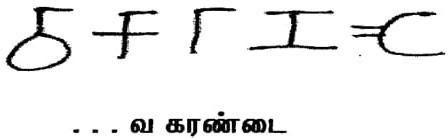
மலையின் மேல் வடபகுதியில் மேல்புறம் அமைந்துள்ள குகைத்தளத்தின் முகப்புப் பாறையில் முதல் கல்வெட்டு வெட்டப்பட்டுள்ளது. கல்வெட்டின் முன்பகுதி எழுத்துக்கள் சிதைந்துள்ளதால், “....வ கரண்டை” என்ற எழுத்துக்கள் மட்டுமே படிக்கும் நிலையில் உள்ளன. ’கரடு’ என்ற சொல் சிறு குன்றைக் குறிக்கும். அதன் அடிப்படையில் ’கரண்டை’ என்ற சொல் பிறந்திருக்கலாம். ’கரண்டை’ என்பது குகை அல்லது குகைத்தளத்தைக் குறிக்கும். நிகண்டுகள் மற்றும் தமிழ்ப் பேரகராதியில் இப்பொருள் சொல்லப்படுகிறது. இதன் காலம் ஏறத்தாழப் பொது ஆண்டுக்கு முன் முதலாம் நூற்றாண்டாகும்.
2 ஆம் கல்வெட்டு
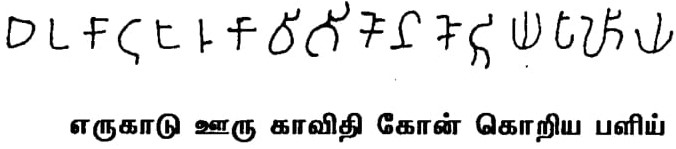
மலையின் வடக்கு நோக்கிய பகுதியில், கீழ்ப்புறம் அமைந்துள்ள சிறு குகைத்தள நெற்றிப் பகுதியில் இரண்டாவது கல்வெட்டு மிக மெலிதாக வெட்டப்பட்டுள்ளது. இக்கல்வெட்டில் “எருகாடு ஊரு காவிதி கோன் கொறிய பளிய்” என்று எழுதப்பட்டுள்ளது. ‘கொறிய’ என்ற சொல்லில் 'ற்’ மெய் சேர்த்து ‘பளிய்’ என்பதில் ’ள்’ சேர்த்து, ‘கொற்றிய’ என்றும் ’பள்ளிய்’ என்றும் கொள்ளலாம். அப்படிக் கொண்டால், எருகாடு ஊரைச் சேர்ந்த காவிதி கோன் என்பவரால் இக்குகைத்தளம் அமைக்கப்பட்டது என்று பொருள் தரும். திருப்பரங்குன்றம் தமிழி/ தமிழ்-பிராமிக் கல்வெட்டில் ‘எருகாடுர்’ என்றும், பிள்ளையார்பட்டி கல்வெட்டில் ‘எக்காட்டூர்’ என்றும் இதே ஊர்ப் பெயர்கள் உள்ளன எனலாம். எனவே இவ்வூர் பாண்டிய நாட்டில் இருந்திருக்க வேண்டும் என ஐராவதம் மகாதேவன் (கல்வெட்டு ஆராய்ச்சியாளர்) குறிப்பிடுகிறார். எருக்காட்டுர் தாயங் கண்ணனார் என்பவர் அகம் 149, 319 மற்றும் புறம் 397 ஆம் பாடல்களைப் பாடியவர். உ.வே.சாமிநாத ஐயர் இவ்வூர் திருவாரூருக்கு அருகில் உள்ளதாகக் குறிப்பிடுகிறார்.
’காவிதி’ என்னும் பட்டம் வேளாளர், வைசியர், அமைச்சர், கணக்கர், வரி தண்டும் அரசுத் தலைவர் ஆகியோர்களுக்கு வழங்கப்பட்டது எனத் தமிழ்ப்பேரகராதி குறிப்பிடுகிறது. ‘கோன்’ என்பது தலைவன், அரசன் எனப் பொருள்படும். இக்கல்வெட்டில் எருகாடு ஊரைச் சேர்ந்த காவிதி பட்டம் பெற்ற தலைவன் பள்ளி அமைத்தான் என்று வருவதால் கொடையாளியின் இயற்பெயர் குறிக்கப்படவில்லை என அறிஞர்கள் சிலர் கருதுகின்றனர்.
Additional Information
There are two inscriptions on this mountain called Thirumalai.
1st inscription
The first inscription is carved on the facade of the cave site located on the upper northern side of the mountain. Since the beginning of the inscription is damaged, only the letters “....vakaraṇḍai” are legible. The tamil word ‘Karaḍu’ means a small hill. The word ‘Karanḍai’ may have evolved from this word. ‘Karanḍai’ means a cave or cave site. This meaning is mentioned in the Nikaņḍus (Tamil dictioneries) and the Tamil Encyclopaedia. Its date is approximately the 1st century BCE.
2nd inscription
The second inscription is carved very thinly on the facade of the small cave site located on the lower level of the northern side of the mountain. This inscription reads “Erukādu Ūru Kāvithi Kōn Koṛiya Paḷiy”.
By adding the consonant 'ṛ' in the word 'Koṛiya' and adding 'ḷ' in 'Paḷiy', it can be read as 'Koṛṛiya' (‘Kotriya) and 'Palliy'. If so, it would mean that this cave site was built by Kāvithi Kōn from Erukāḍu village. It can be said that the same village name is found in the Thiruparankundram Tamil/Tamil-Brahmi inscription as 'Erukādur' and in the Pillayarpatti inscription as 'Ekkātūr'. Therefore, Airavatham Mahadevan (an epigraphist) suggested that this village must have been in the Pandya country. Erukāḍūr Thāyang Kannanār is the one who sang songs Agam 149, 319 and Puram 397. U. V. Swaminatha Iyer suggests that this village is near Thiruvārūr.
The Tamil Lexicon states that the title ‘Kāvithi’ was given to the chief minister, the minister, the accountant, the head of the state who collected taxes. ‘Kōn’ means leader, king. Since the inscription states that a chieftain bearing the title Kāvithi from the village of Erukāḍu established the stone bed, some scholars believe that the donor’s actual name is not mentioned.
தகவல்
க.த. காந்திராஜன்
Details
K.T. Gandhirajan
குறிப்புகள்
தமிழ் பிராமிக் கல்வெட்டுகள் பக்கம் - 58.
சிவங்கை மாவட்டம் தொல்லியல் கையேடு pg- 31
கல்வெட்டு காலாண்டு இதழ் எண் 24 மற்றும் எபிகிராபிகா இந்திகா எண் . 48 ஆகியவற்றில்
வெளியிடப்பட்டுள்ளன.
Reference
Tamil-Brahmi Inscriptions, page 58.
Sivagangai District Handbook, page 31.
Published in Kalvettu Quarterly, Issue No. 24, and in Epigraphia Indica, No. 48.,