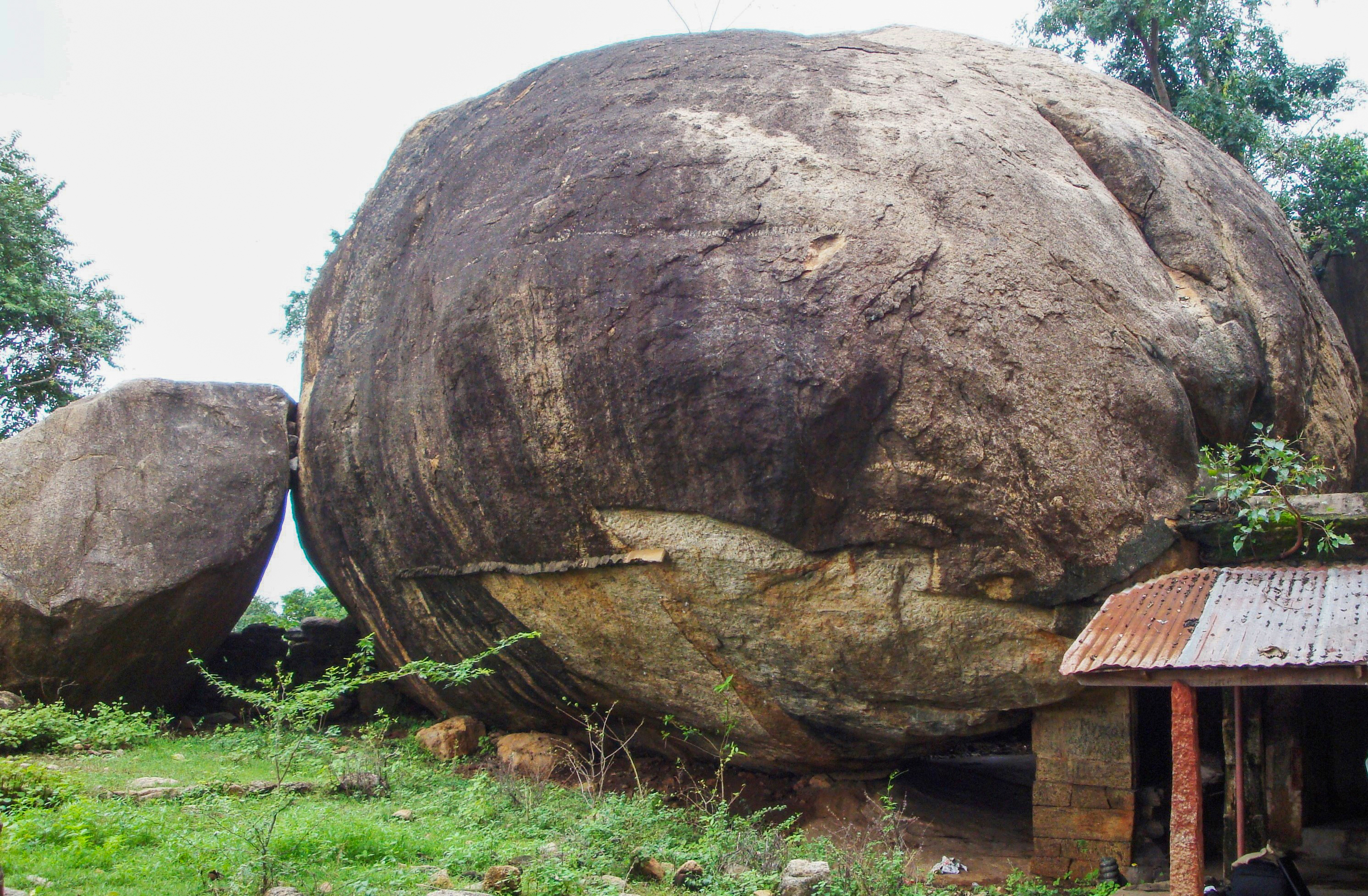
ஞானியார் மடம் எனப்படும் குகைத்தளத்தின் நீர்வடி விளிம்பில் இரண்டு தமிழி/ தமிழ் -பிராமி கல்வெட்டுகள் உள்ளன.
1 ஆம் கல்வெட்டு
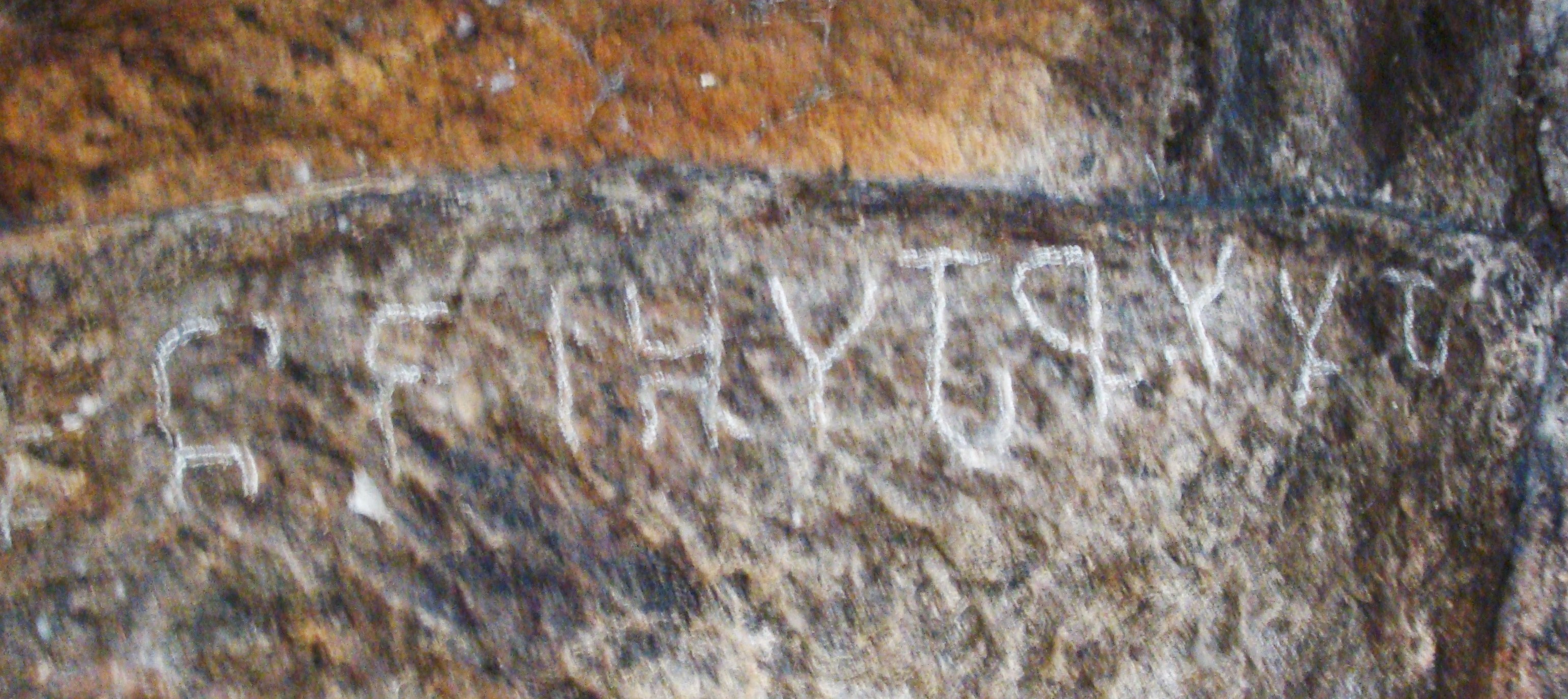
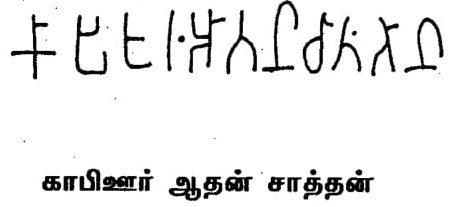
இக்கல்வெட்டு பொது ஆண்டு 1909ஆம் ஆண்டில் கண்டறியப்பட்டது. பொது ஆண்டு 1992இல் ஐராவதம் மகாதேவன் என்ற கல்வெட்டு ஆராய்ச்சியாளருடன் சென்ற தமிழ்நாடு அரசு தொல்லியல்துறைக் குழுவினர் கல்வெட்டின் முதல் எழுத்தை அதன் மீது பூசிக்கட்டப்பட்டிருந்த சுண்ணாம்புக் காரையை உடைத்துக் கண்டறிந்தனர். அப்போது அவ்வெழுத்துக்கள் தலைகீழாகவும், இட வலமாகவும் மாற்றி எழுதப்பட்டிருந்தது தெரியவந்தது. அவ்வெழுத்துக்களை முகம் பார்க்கும் கண்ணாடியில் பார்த்தால் பிம்பமாகத் தெளிவாகத் தெரியும். இக்கல்வெட்டில் “காபிஊர் ஆதன் சாத்தன்” என்று எழுதப்பட்டுள்ளது. காபி என்பதில் 'ப்' மெய்சேர்த்து ‘காப்பி’ என்று படித்தால், காப்பி ஊரைச் சேர்ந்த ஆதன் சாத்தன் என்ற ஆட்பெயராக உள்ளது. சாத்தன் என்ற சொல்லில் ‘த்’ புள்ளியிட்டு எழுதப்பட்டுள்ளது குறிப்பிடத்தக்கது. காப்பியக்குடி என்றொரு ஊர் இன்று சீர்காழி அருகில் உள்ளது. காப்பியக்குடி என்பதற்கு ஒத்த பெயரே 'காப்பிஊர்’ என்று அறிஞர்கள் சிலர் கருதுகின்றனர்.
2 ஆம் கல்வெட்டு
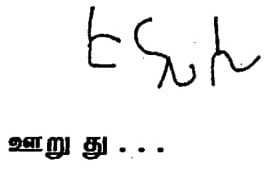
இவ்விடத்தில் காணப்படும் மற்றொரு கல்வெட்டு நீர்வடிவிளிம்பின் மறுபக்கம் உள்ளது. இக்கல்வெட்டில் மூன்று எழுத்துக்கள் தெரிகின்றன. மண்டபக் கட்டடத்தினுள் மேலும் எழுத்துக்கள் மறைந்துள்ளன. இது முன் கல்வெட்டின் தொடர்ச்சியாகவும் இருக்கலாம் என அறிஞர்கள் சிலர் கருதுகின்றனர். நீர்வடி விளிம்பு இவ்விடத்தில் பாறையின் வடிவிற்கேற்ப உட்சென்று வெளிவருவதால், இக்கல்வெட்டு முன் கல்வெட்டிற்கு அதிக இடைவெளிவிட்டு வெட்டப்பட்டுள்ளது என்றும் கருதலாம். இதுவும் எழுத்துக்கள் கண்ணாடியில் தெரிவது போன்று இடம் வலமாக, மேல் கீழாகப் பொறிக்கப்பட்டதாகும். இக்கல்வெட்டில் “ஊறு து..“ என்ற எழுத்துக்கள் காணப்படுகின்றன. ’ஊறு’ என்பதில் ‘ற்’ சேர்த்து ’ஊற்று’ என்று கொண்டால், முன் கல்வெட்டில் குறிப்பிடப்பட்டுள்ள நபர் நீர் ஊற்று அமைத்தார் என்பது இதன் பொருளாகலாம் என்று அறிஞர்கள் சிலர் கருதுகின்றனர். இக்குகைத்தளத்திற்குச் செல்லும் வழியில் சதுரவடிவச் சுனை ஒன்று பாறையில் வெட்டப்பட்டுள்ளது. அது இன்றும் நீர் தேக்கப் பயன்படுகிறது. இரண்டாவது கல்வெட்டில் சொல்லப்படும் ஊறு என்ற ஊற்றினை இது நினைவுபடுத்துகிறது.
A historic year
3rd century CE
Additional Information
There are two Tamil/Tamil-Brahmi inscriptions on the edge of the water channel (aqueduct) of the cave called Gnaniyar Maṭta.
1st Inscription
This inscription was discovered in the year 1909. In the year 1992, a team of the Tamil Nadu State Archaeological Department, accompanied by an epigraphic researcher named Airavatham Mahadevan, discovered the first letter of the inscription by breaking the limestone plaster that was applied to it. At that time, it was revealed that the letters were written upside down and reversed. If the letters are seen in a mirror, they can be read. The inscription reads “Kāpiūr Ᾱdhan Sāththan”. If the consonant ‘p’ is added to Kāpi and read as ‘kāppi’, then it reads Ᾱdhan Sāththan from Kāppiūr. It is noteworthy that the word Sāththan is written with a dotted ‘th’. A village called Kāppiyakuḍi is located near Sīrkāḻi (Sirkazhi). Some scholars believe that 'Kāppiūr' is a synonym for Kappiyakkudi.
2nd inscription
Another inscription found at this place is on the other side of the water-course ledge. Three letters are visible in this inscription. More letters are hidden inside the hall structure. Some scholars believe that this may be a continuation of the previous inscription. Since the water-course ledge goes in and emerges according to the shape of the rock at this place, it can be considered that this inscription was cut leaving a large gap to the previous inscription. This too is engraved upside down and reversed, like the letters would appear on a mirror. The letters “Ūṟu thu..” are found in this inscription. If (ṛ) is added to Ūṛu to make Ūṛṛu (Ūtṛu), some scholars believe that this may mean that the person mentioned in the previous inscription built a water spring. On the way to this cave site, a square-shaped spring has been cut into the rock. It is still used to store water. It reminds us of the spring called “Ūtṛṛu” mentioned in the second inscription.
தகவல்
க.த. காந்திராஜன்
Details
K.T. Gandhirajan
குறிப்புகள்
தமிழ் பிராமிக் கல்வெட்டுகள் பக்கம் - 78. §
சிவங்கை மாவட்டம் தொல்லியல் கையேடு
Reference
Tamil-Brahmi Inscriptions, page 78.
Sivagangai District Handbook