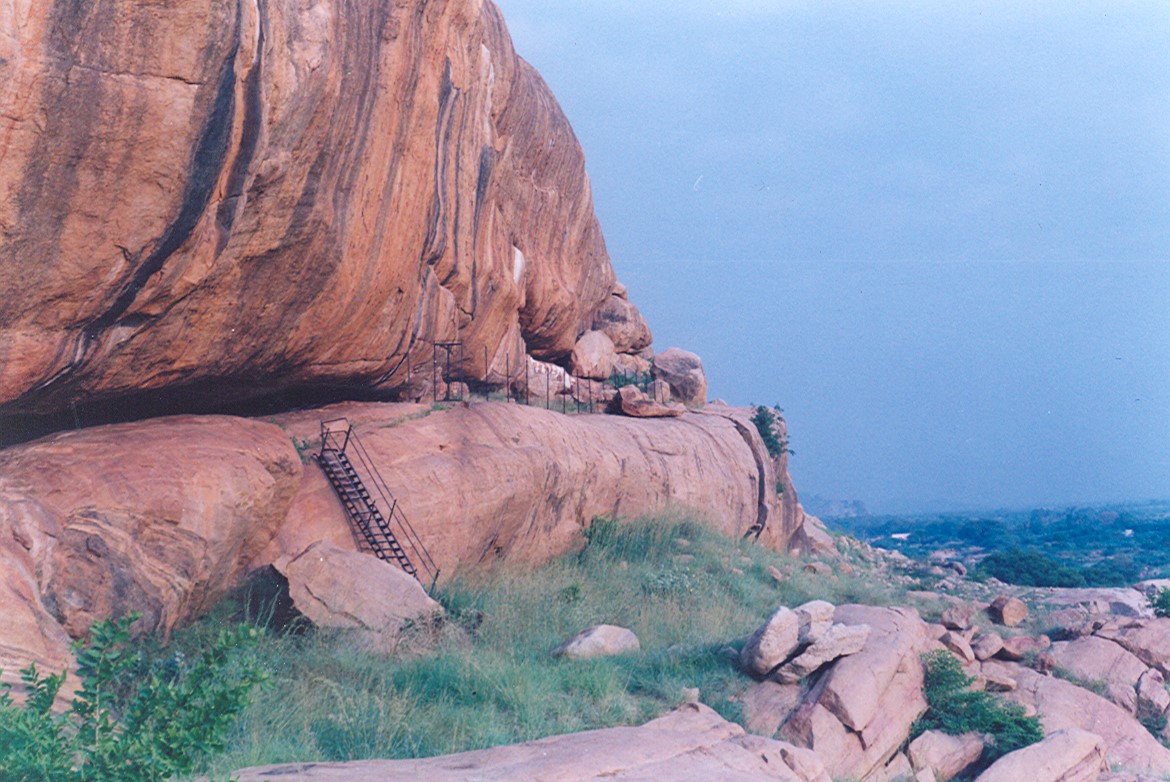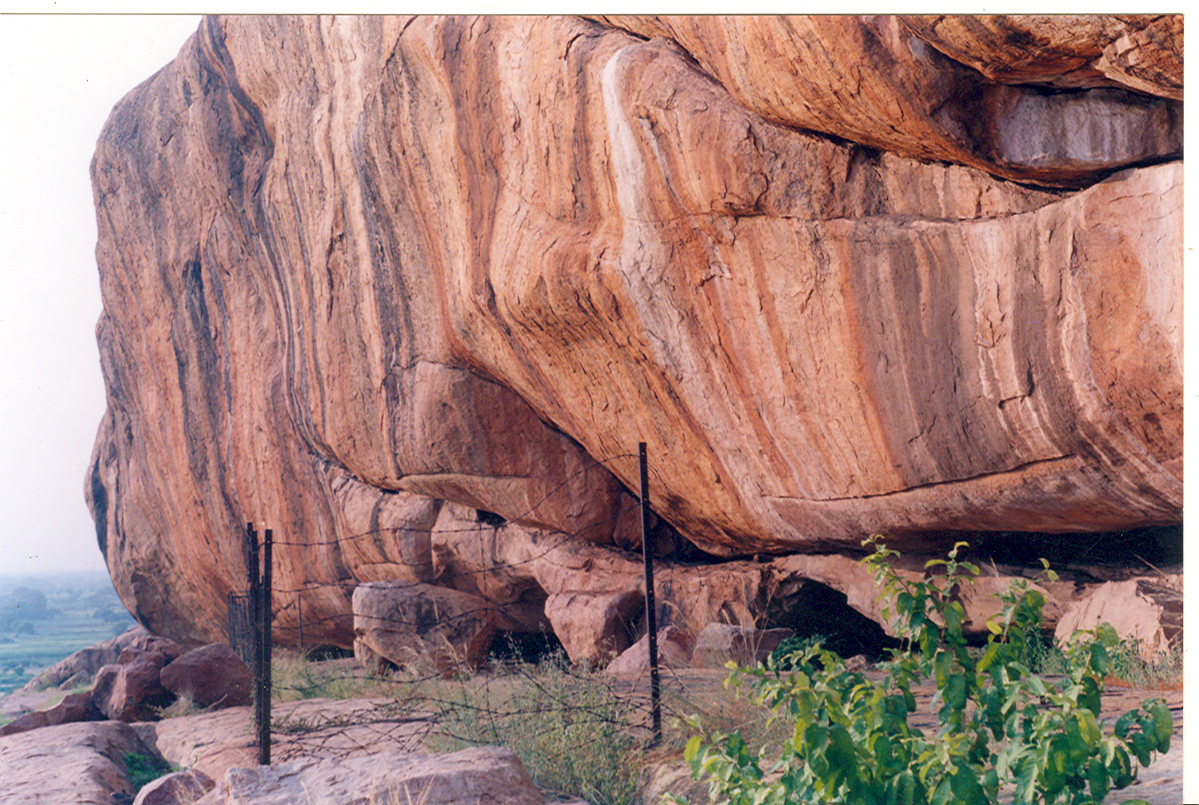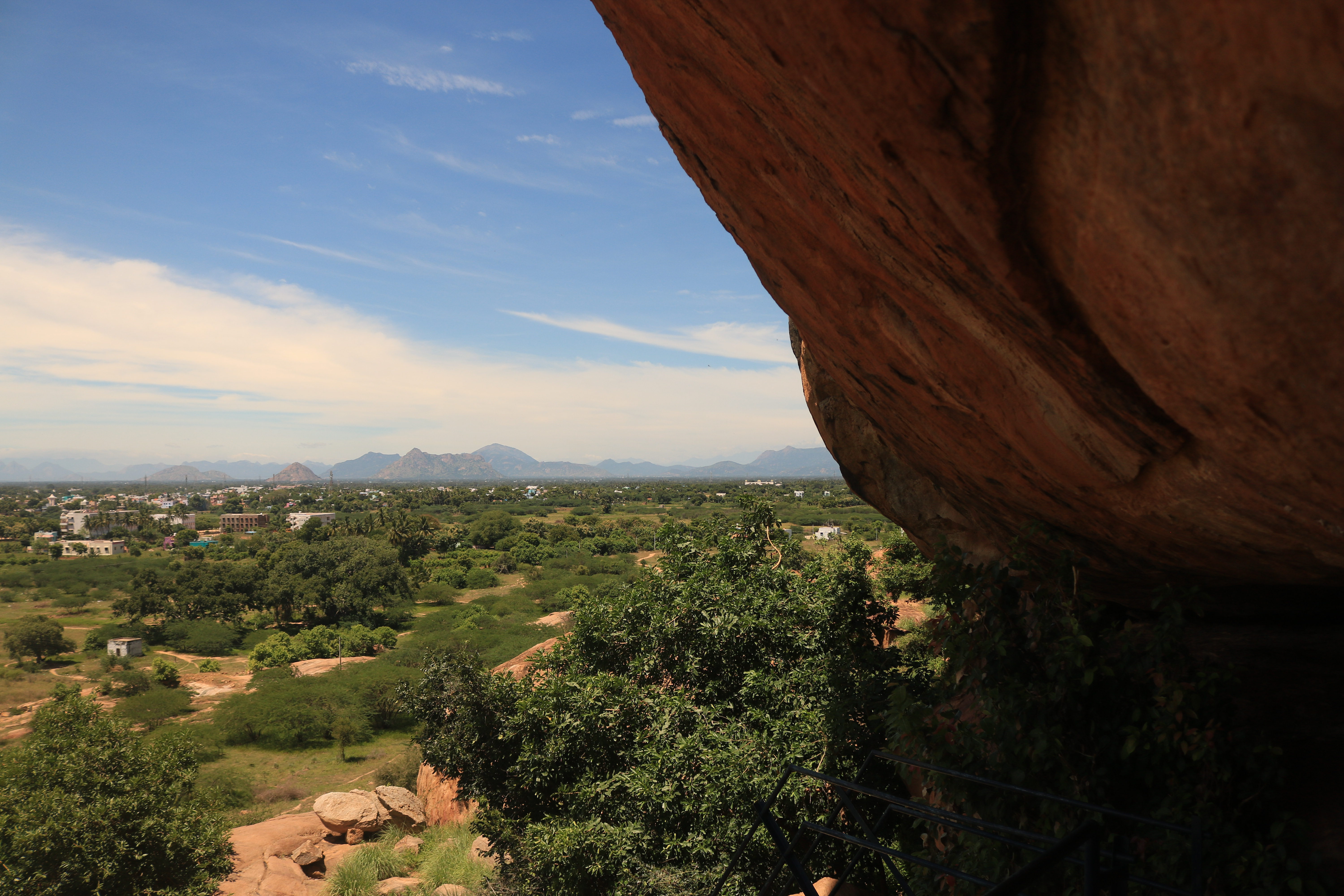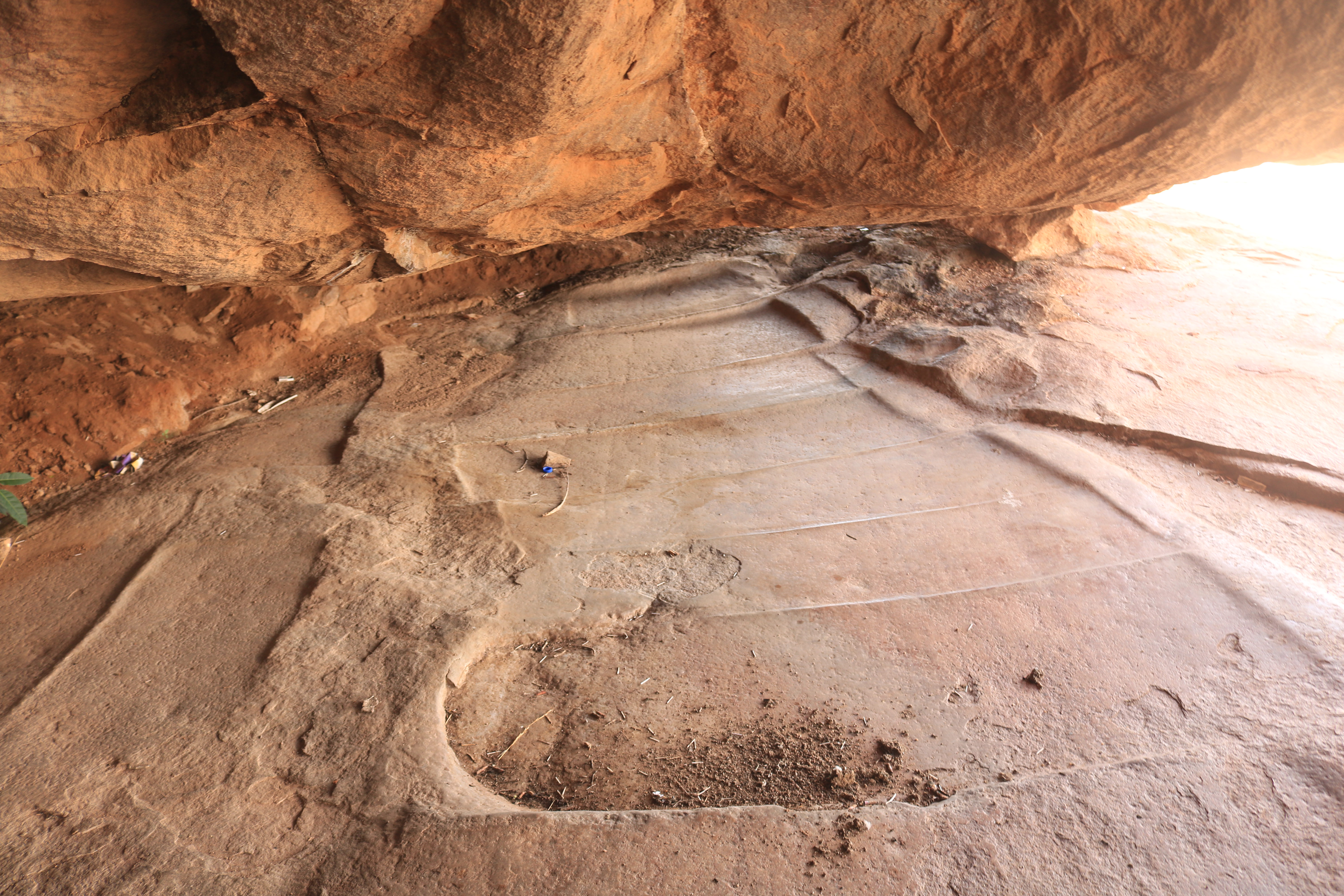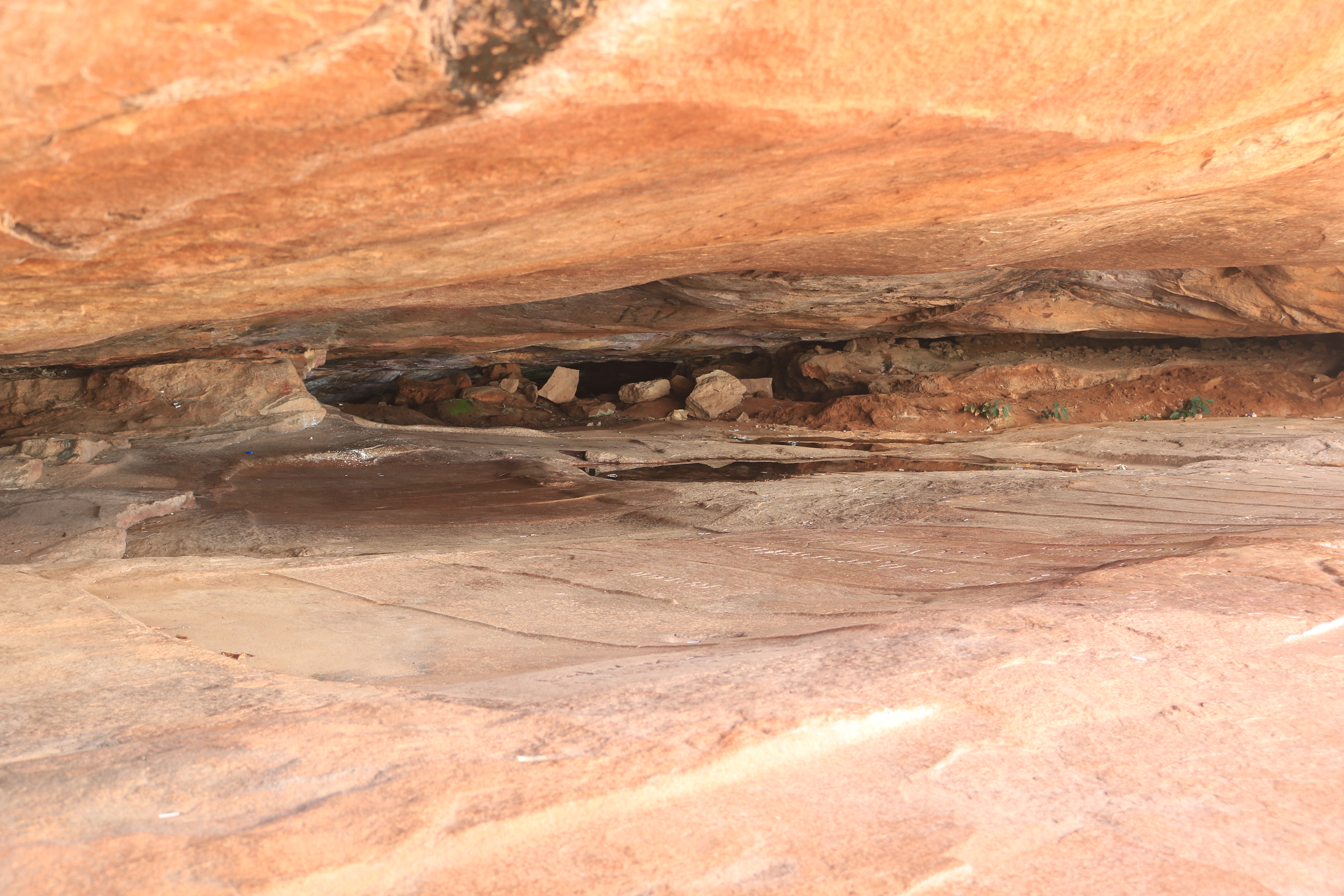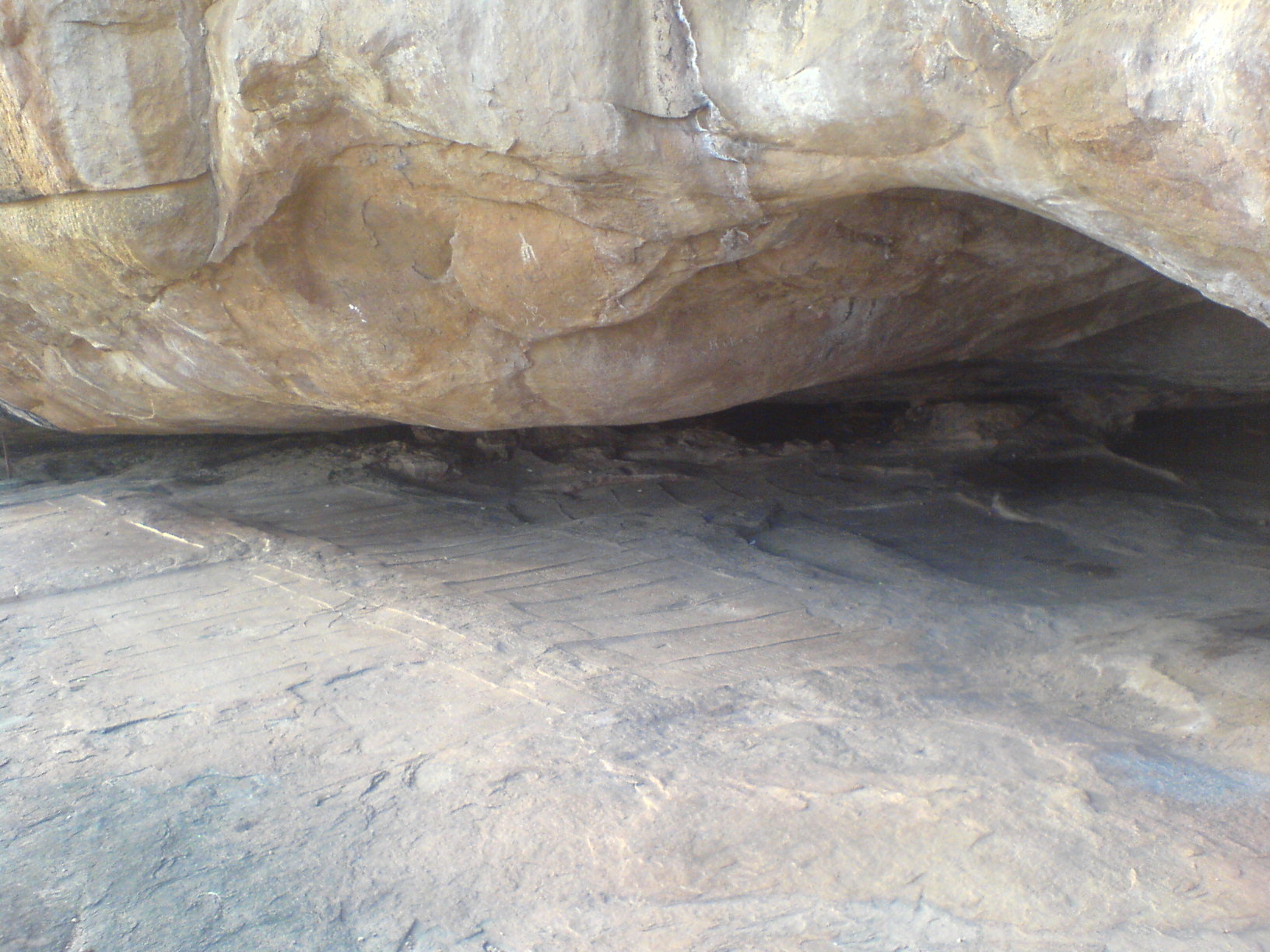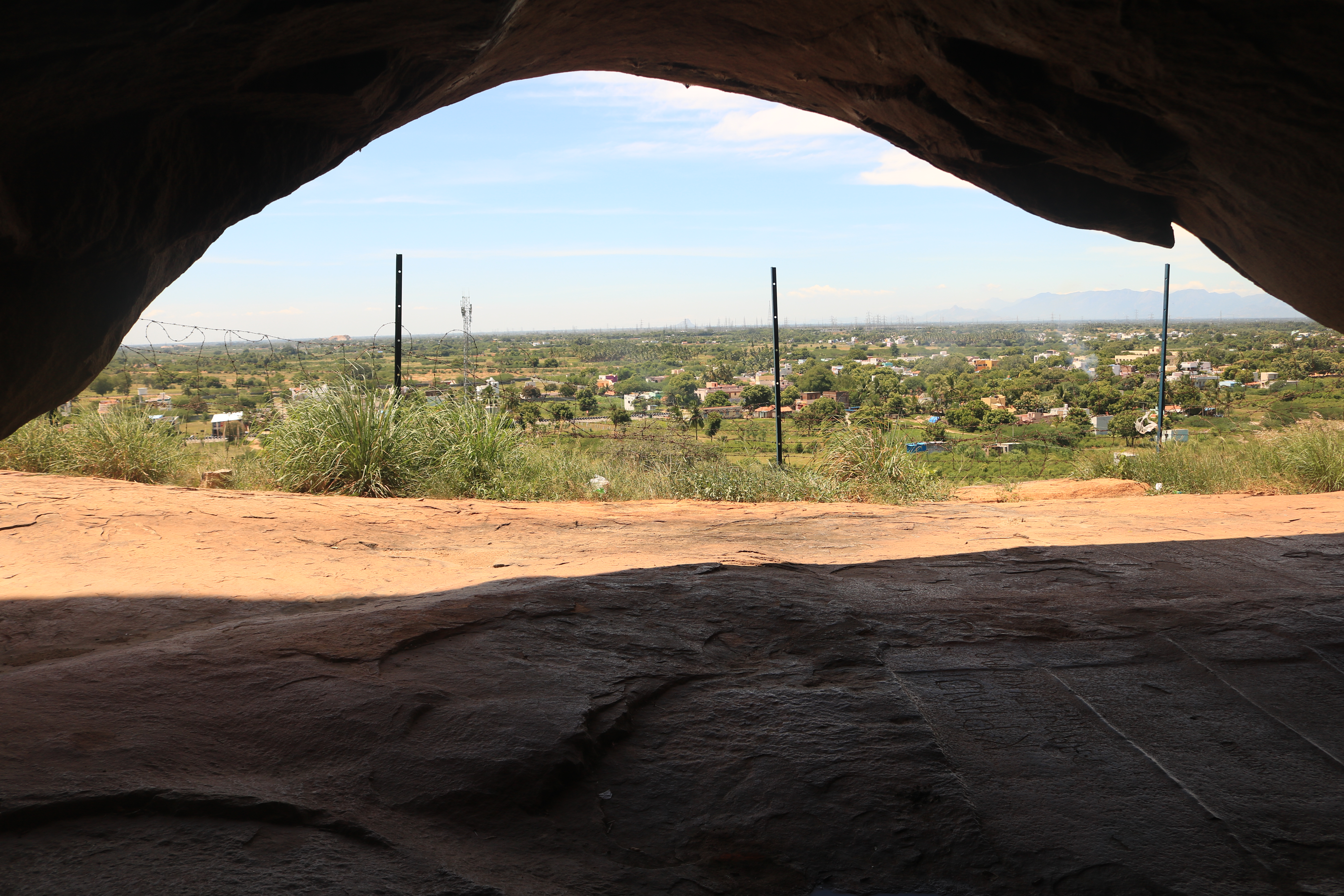
The Perumal temple is located on a natural cave floor on the hill.
Language & Script
Tamili/Tamil Brahmi
Period / King
Sangam period - Pandya
Village Name
Kongar Puliyankulam
District
Madurai
வரலாற்று ஆண்டு
பொது ஆண்டுக்கு முன் 2 ஆம் நூற்றாண்டு
கூடுதல் விவரங்கள்
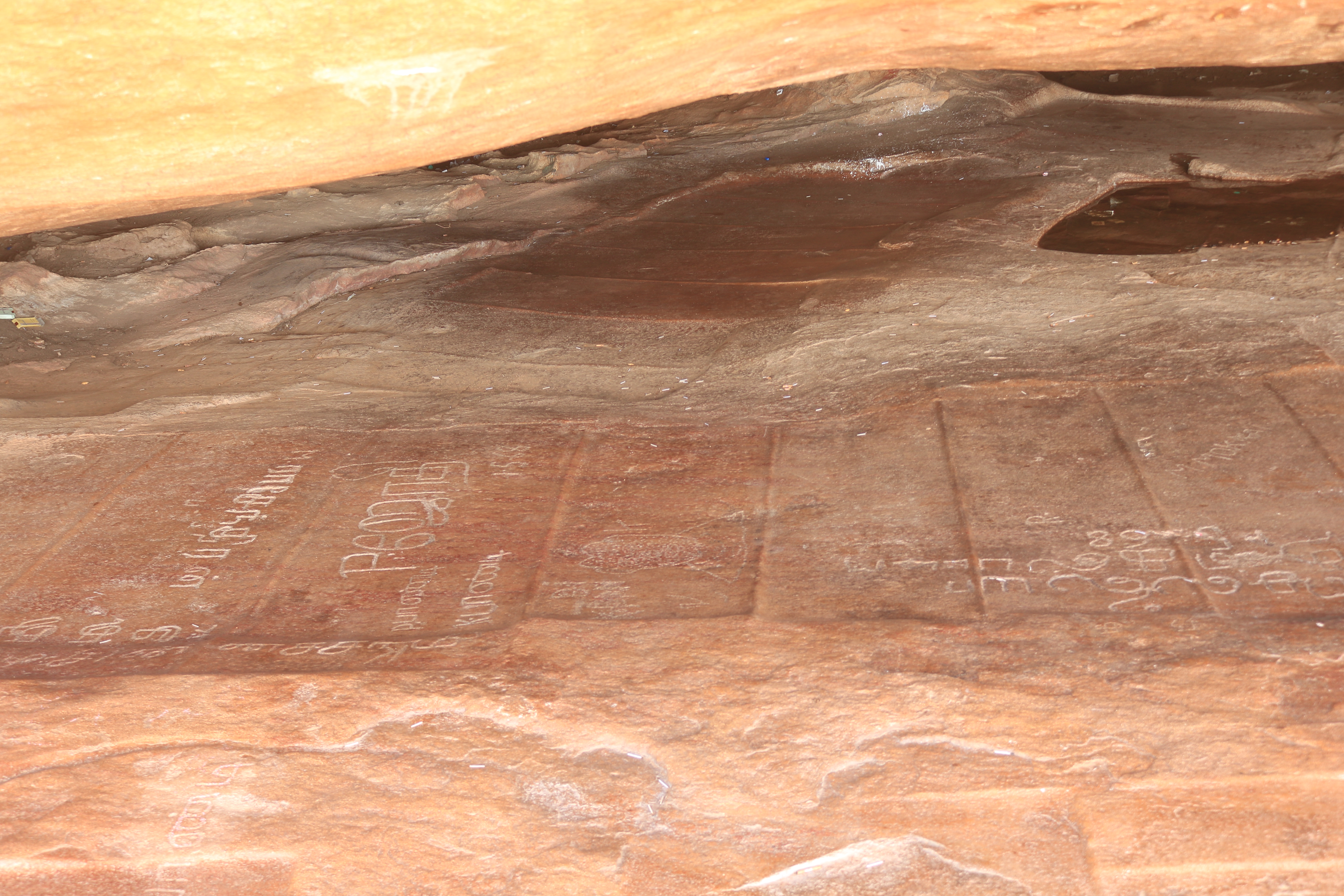
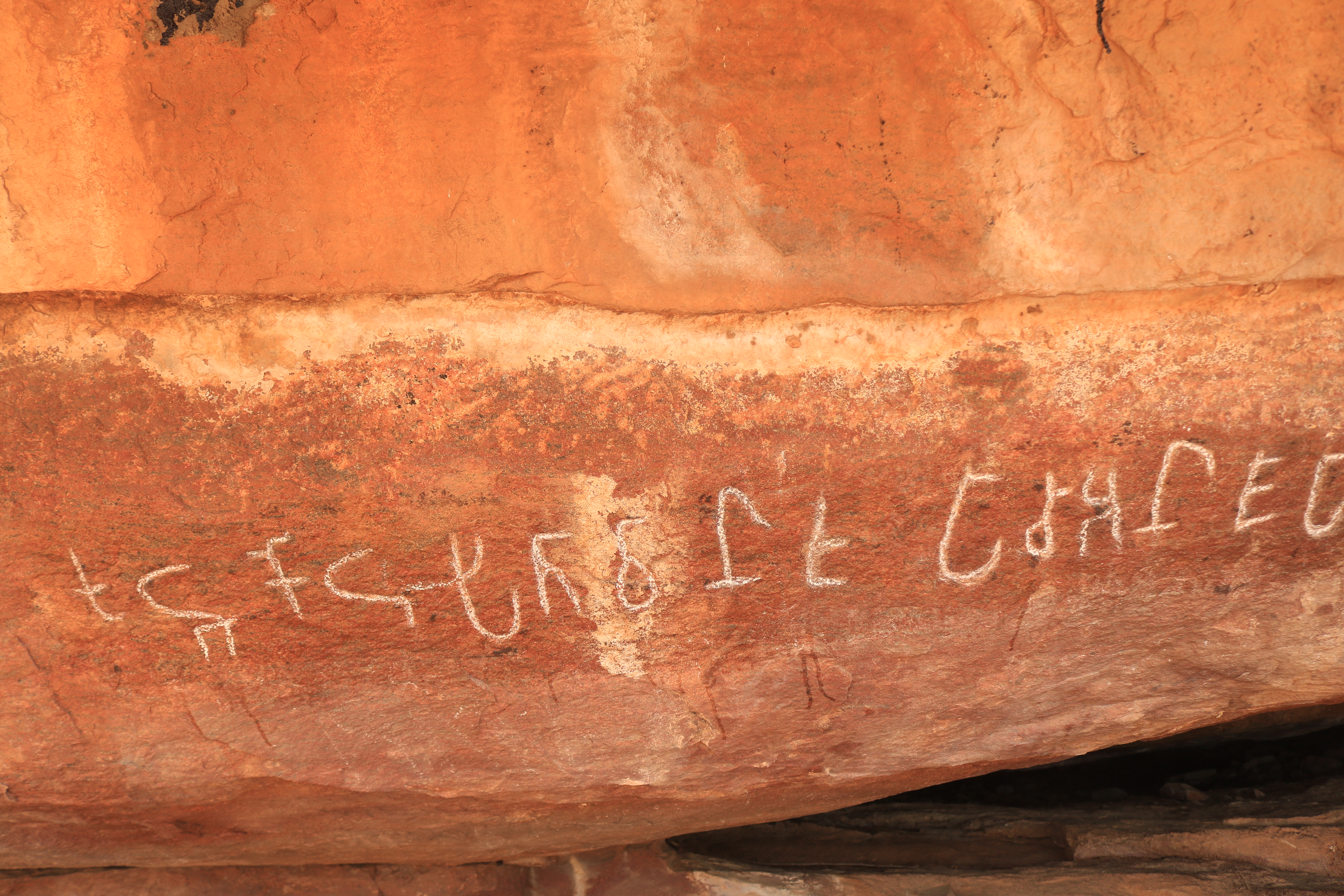
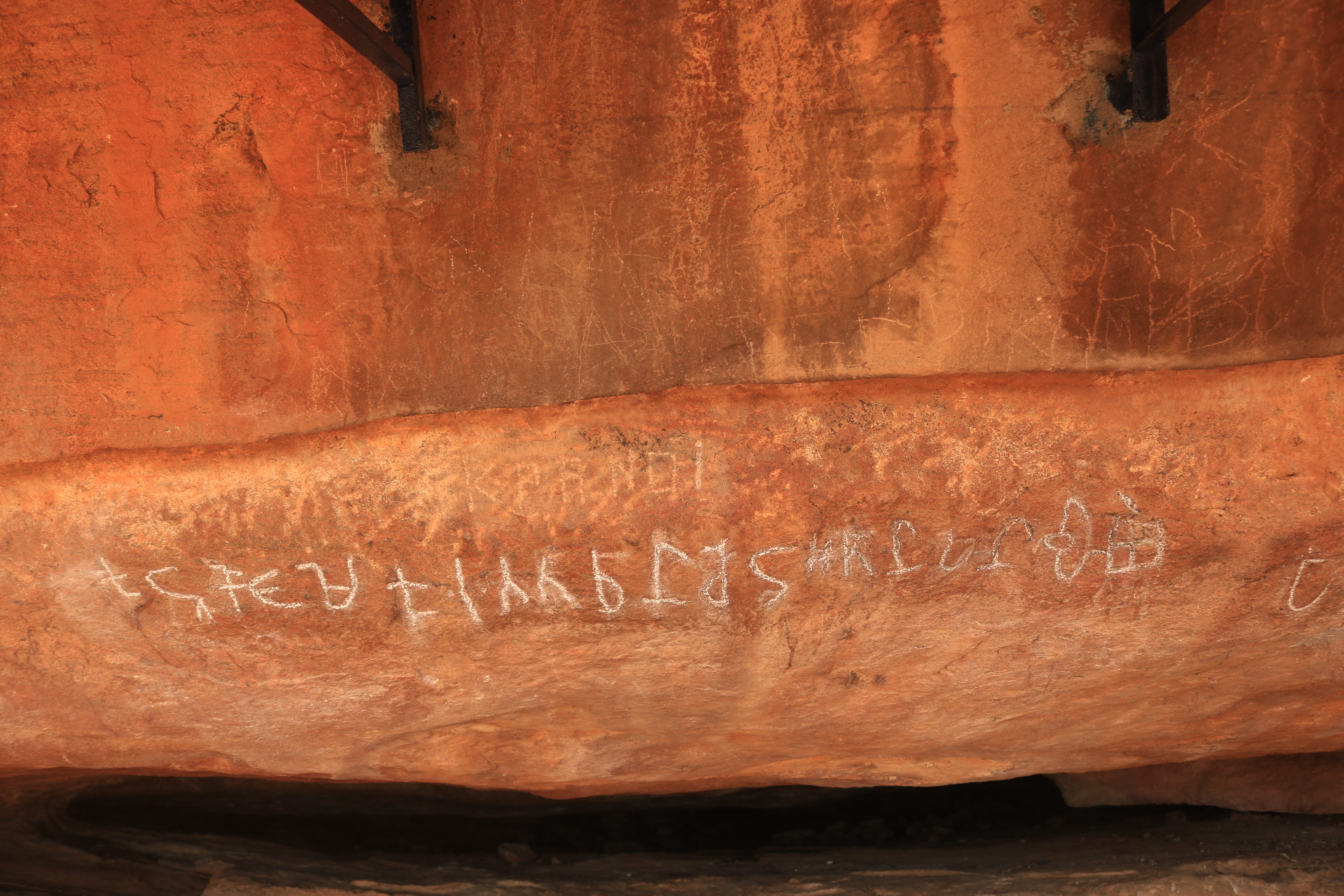
பெருமாள் மலையில் உள்ள இயற்கை குகைத்தளத்தில் ஐம்பதுக்கும் மேற்பட்ட கற்படுக்கைகளும் மூன்று தமிழ் பிராமி கல்வெட்டுகளும் பொது ஆண்டு 1910 இல் கண்டறியப்பட்டன. குகைத்தளத்திலிருந்து சற்று தொலைவில் இம்மூன்று கல்வெட்டுகளும் வெட்டப்பட்டுள்ளன.
1ஆம் கல்வெட்டு- இக்கல்வெட்டில் ‘குற கொடுபிதவன் உபசஅன் உபறுவ[ன்]’ என்ற எழுத்துக்கள் வெட்டப்பட்டுள்ளன. இதில் வரும் உபசன் என்ற உபறுவன் என்பவரால் இக்குகைத்தளம் தய்யார் செய்து கொடுக்கப்பட்டுள்ளது என்பதே இக்கல்வெட்டின் பொருளாகும். ’உபசஅன்’ என்ற சொல்லை, சமய ஆசிரியன் என்று பொருள் கொள்ளலாம். ‘உபறுவன்' என்ற சொல் கிணறு, குளம், சாலை தோண்டும் பணியாளரைக் குறிக்கும் சொல்லாகக் கருதப்படுகிறது. இறுதிப் பகுதி சிதைந்துள்ளதால் இச்சொல் ஒரு நபரின் பெயராகவும் இருக்கலாம் .
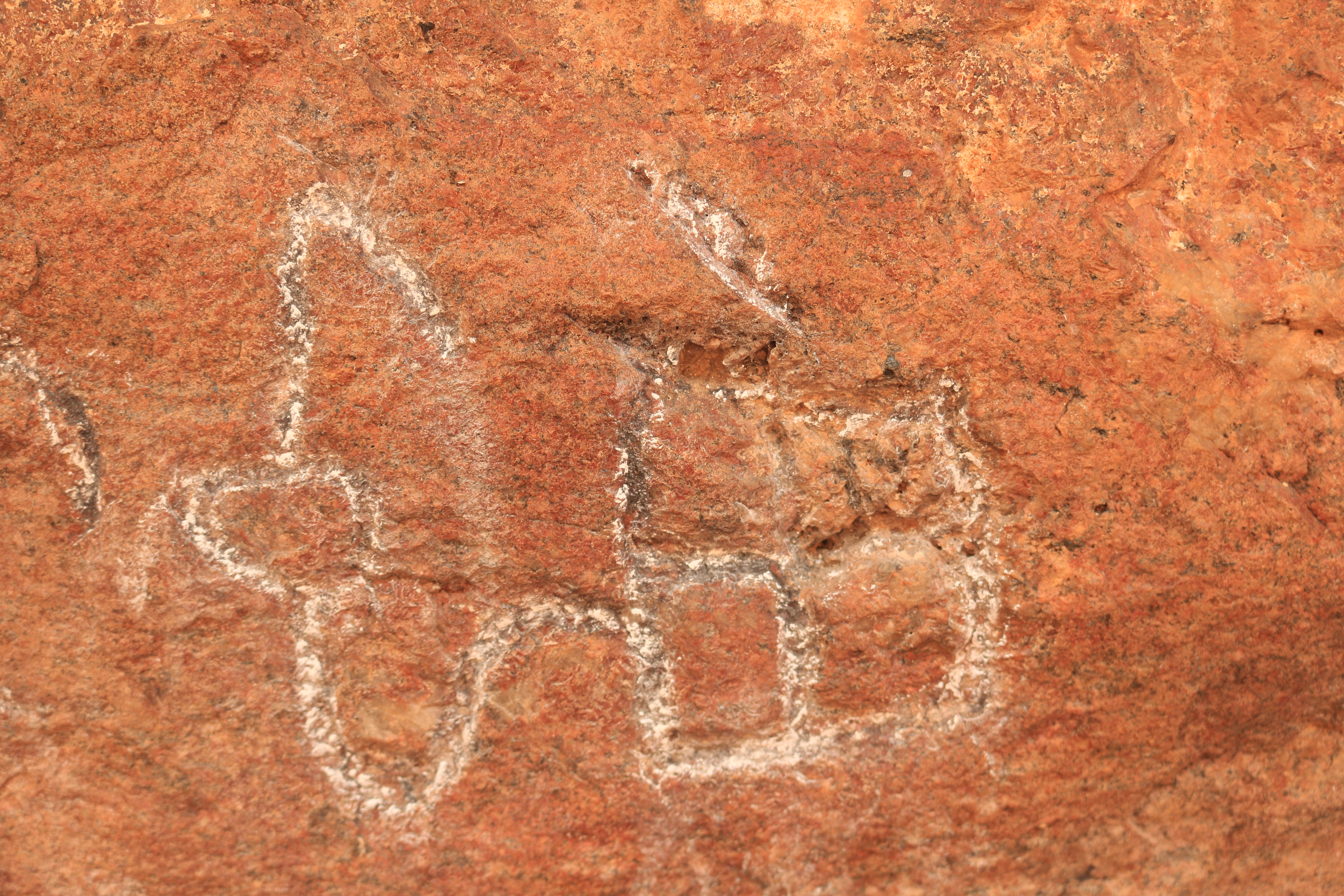
2ஆம் கல்வெட்டு - இக்கல்வெட்டில் ‘குறு கொடல்கு ஈத்தவன் செற் அதன் [ஓ]ன் ...' என்று வெட்டப்பட்டுள்ளது. கல்வெட்டின் இறுதியில் உள்ள குறியீடை கல்வெட்டு அறிஞர்கள் பொன்னின் மதிப்பைக் குறிக்கும் குறியீடாகக் கருதுகின்றனர். எனவே, செற் அதன் என்பவர் குகைத்தளத்தின் இப்பகுதியைக் குடைவிப்பதற்குப் பொன் கொடை அளித்திருக்கலாம் என்று பொருள்கொள்ளப்பட்டுள்ளது.
3ஆம் கல்வெட்டு- இக்கல்வெட்டில் ‘பாகன் ஊர் பே[ர]தன் பிடன் இத்த வெபோன்’ என்று வெட்டப்பட்டுள்ளது. இக்கொடை பாகனூரைச் சேர்ந்த பேரதன் பிட்டன் என்பவரால் நல்கப்பட்டுள்ளது என்று பொருள்கொள்ளப்பட்டுள்ளது. கல்வெட்டின் இறுதியில் உள்ள குறியீடை கல்வெட்டு அறிஞர்கள் பொன்னின் மதிப்பைக் குறிக்கும் குறியீடாகக் கருதுகின்றனர்.
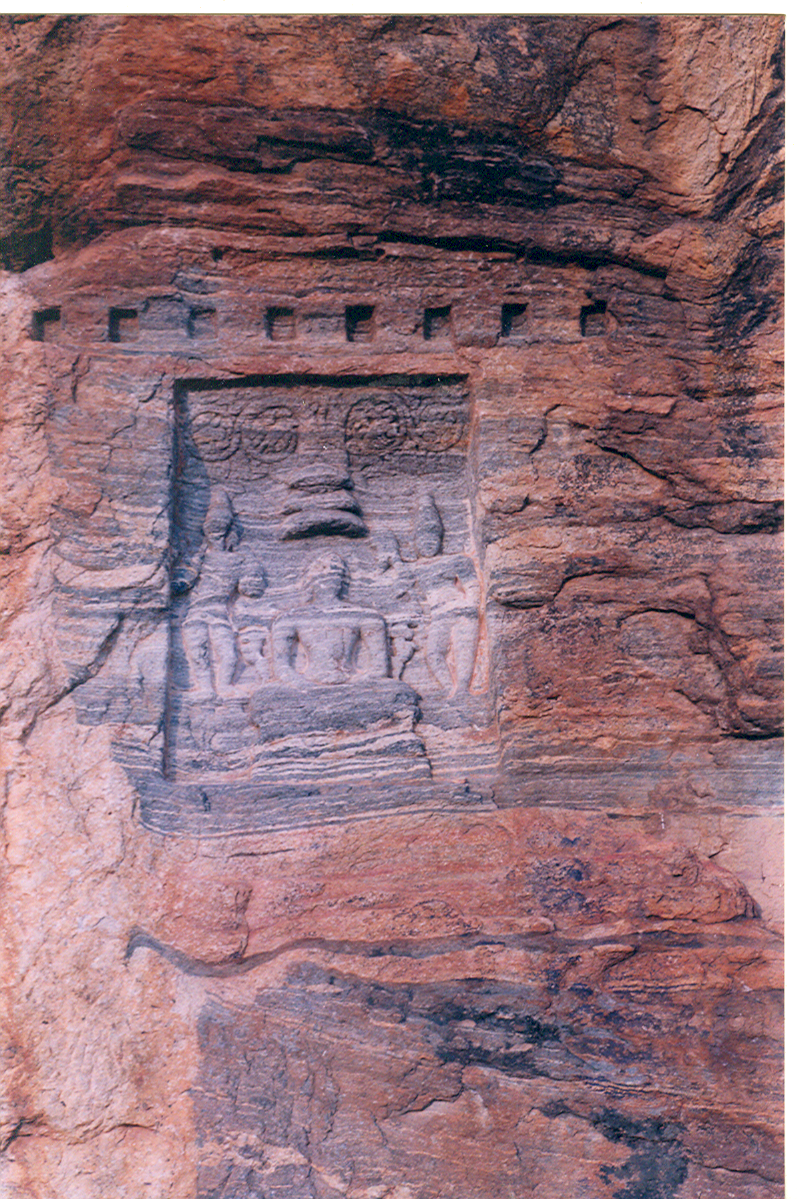
இவ்விடத்தில் ஒரு சமணர் சிற்பமும் காணப்படுகிறது. இந்த மரபுச் சின்னங்களை தமிழ்நாடு அரசு தொல்லியல் துறை பாதுகாத்து வருகிறது.
A historic year
2nd century BCE
Additional Information
More than fifty stone beds and three Tamil-Brahmi inscriptions were discovered in 1910 in the natural cave floor on Perumal hill. These three inscriptions are carved a little away from the cave floor.
1st inscription – This inscription has the words ‘Kura Kodupithavan Upasaan Uparuvan’. It means that this cave floor was prepared and offered by a person called Upasan or Uparuvan. The word Upasaan can be understood as a religious teacher. The word Uparuvan is considered to refer to a worker who digs wells, ponds or roads. Since the last part is damaged, it may also be a person’s name.
2nd inscription – This inscription reads ‘Kuru Kodakku Eethavan Seru Adhan [On] ...’. The symbol at the end of the inscription is considered by epigraphists to denote the value of gold. Therefore, it is understood that Seru Adhan gave gold to excavate this part of the cave floor.
3rd inscription – This inscription reads ‘Pagan Oor Perathan Pidan Itha Vepon’. It is understood that this donation was given by Perathan Pidan from Paganur. The symbol at the end of the inscription is considered by epigraphists to denote the value of gold.
A Jain sculpture is also seen here. The Tamil Nadu State Archaeology Department is preserving these heritage symbols.