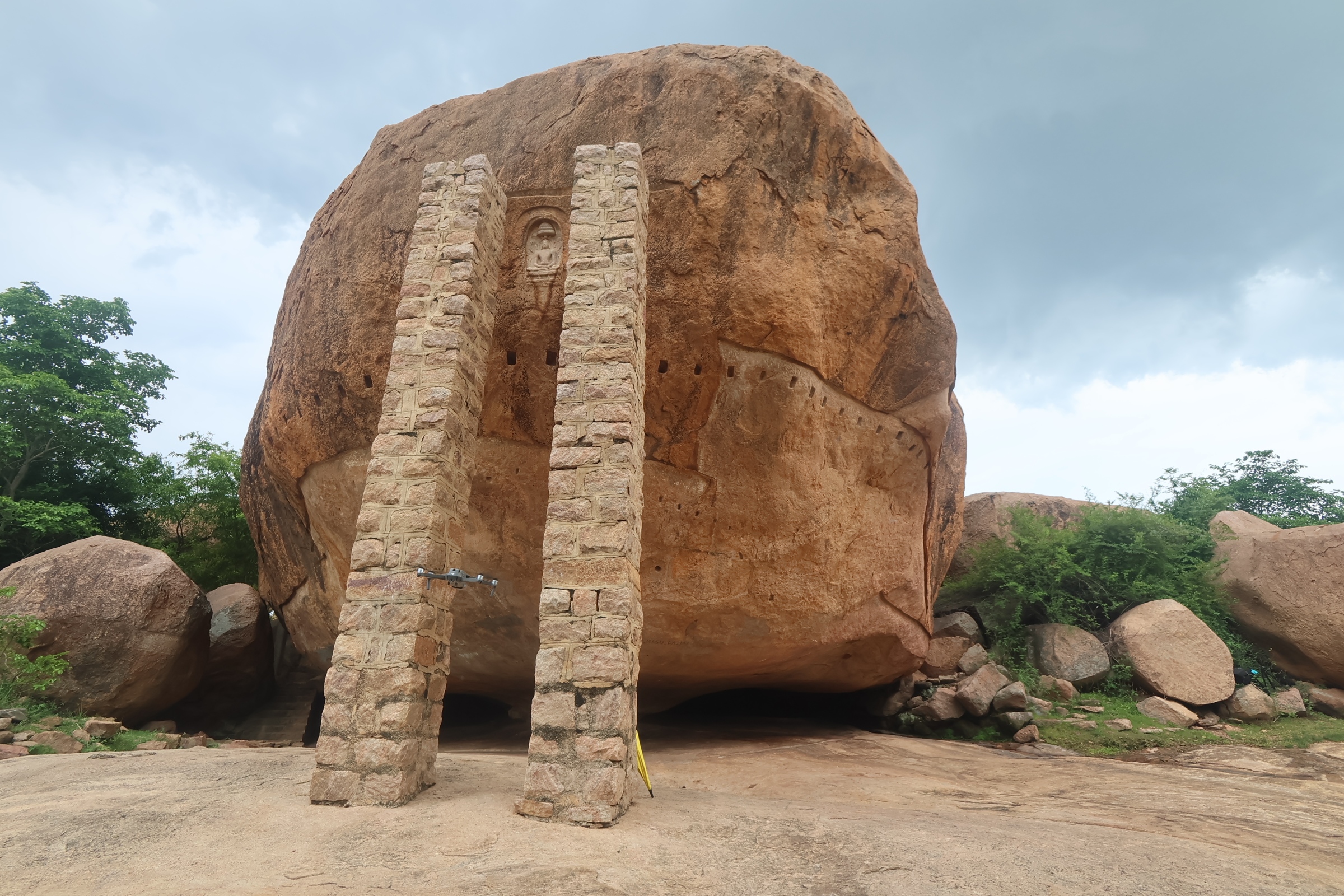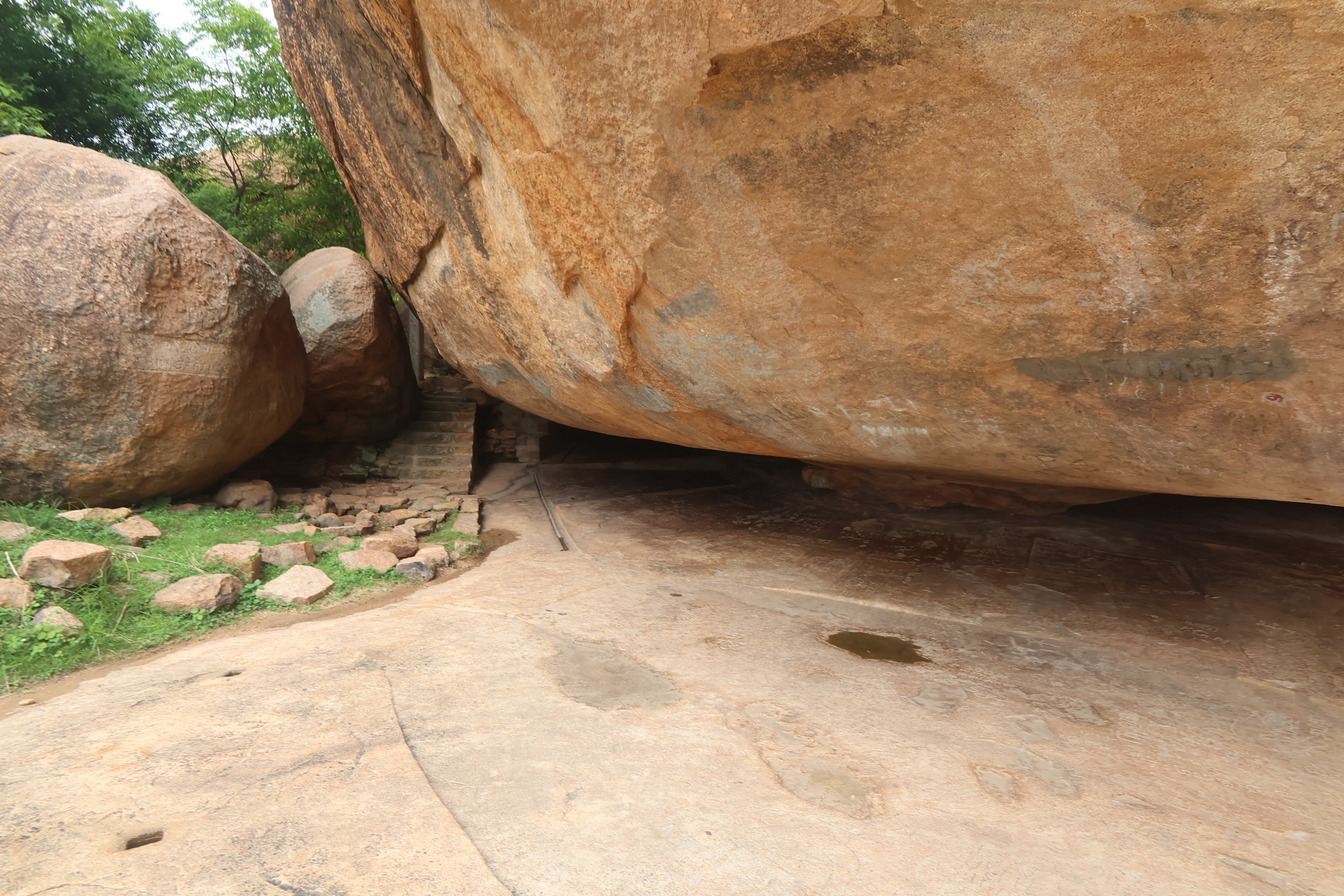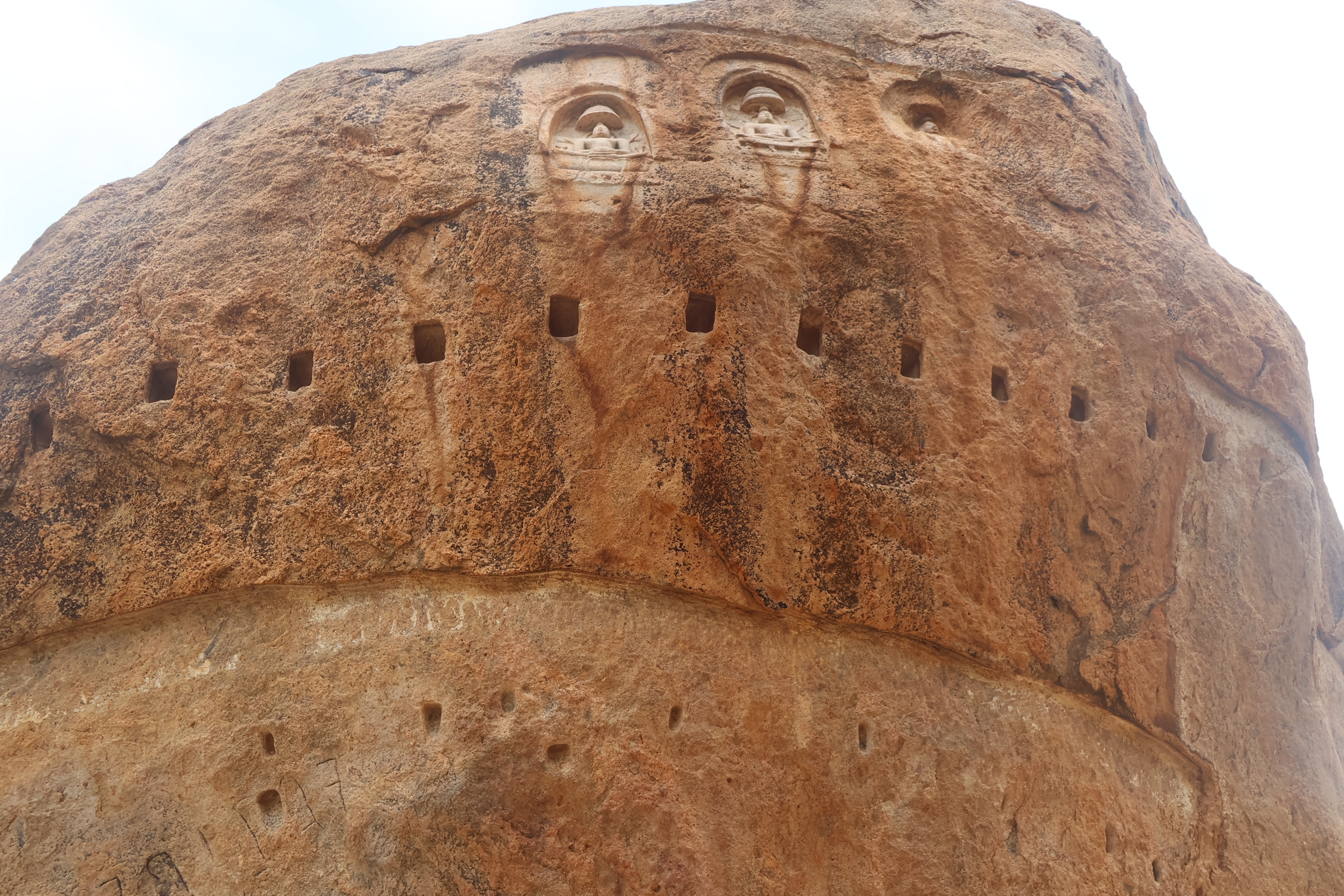
It is located on the façade of a cave site situated at the center of the hill known as Panchapandavar Malai.
Language & Script
Tamili/Tamil Brahmi
Period / King
Sangam period - Pandya
Village Name
Keelavalavu
District
Madurai
வரலாற்று ஆண்டு
பொது ஆண்டுக்கு முன் 2 ஆம் நூற்றாண்டு
கூடுதல் விவரங்கள்
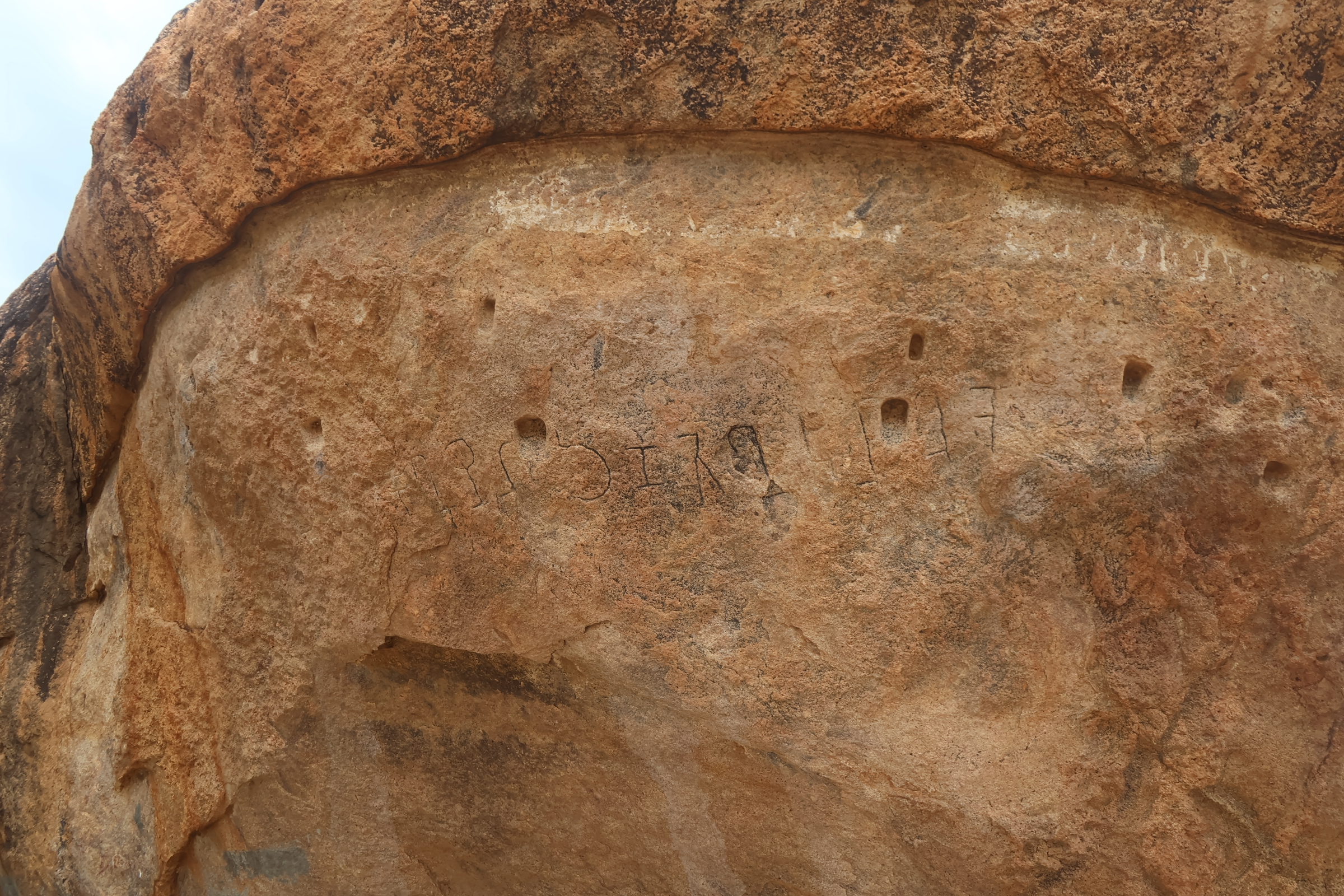
பஞ்சபாண்டவர் மலை என்றும் பள்ளி என்றும் அழைக்கப்படும் இக்குன்றின் அடிவாரத்திலும் நடுவிலும் உள்ள இயற்கையான குகைத்தளங்களில் கற்படுக்கைகள் அமைக்கப்பட்டுள்ளன. குன்றின் நடுவில் உள்ள குகைத்தளத்தின் முகப்புப் பகுதியில் வெட்டப்பட்டுள்ள நீர்வடி விளிம்பின் கீழ் உள்ள தமிழ் பிராமிக் கல்வெட்டு பொது ஆண்டு 1903 ஆம் ஆண்டில் திரு. வெங்கோபராவால் அவர்களால் கண்டறியப்பட்டது.
இக்கல்வெட்டில் சில எழுத்துக்கள் நேராகவும் சில எழுத்துக்கள் தலைகீழாகவும் சில எழுத்துக்கள் இடம் வலமாகவும் ஒரே வரியில் மாறி மாறி வெட்டப்பட்டுள்ளன. இக்கல்வெட்டில் ‘உப[ச] அன் தொண்டி [ல] வோன்கொடு பளிஇ‘ என்று வெட்டப்பட்டுள்ளது. தொண்டியைச் சேர்ந்த இ[ல] வோன் இப்பள்ளியை உருவாக்கி கொடுத்துள்ளான் என்று இக்கல்வெட்டுக்கு பொருள் கொள்ளப்படுகிறது. ’உபசஅன்’ என்ற சொல்லை, ’சமய ஆசிரியன்’ என்று பொருள் கொள்ளலாம். ’உபஜ்ஜாயா' என்ற பாலி மொழிச் சொல்லிலிருந்து உப(ச)ன் என்ற சொல் உருவாகி இருக்கலாம். பளிஇ' என்ற சொல்லைப் 'பள்ளி' என்ற சொல்லாகக் கொண்டு 'முனிவர் ஆசிரமம் ' எனப் பொருள் கொள்ளலாம்.
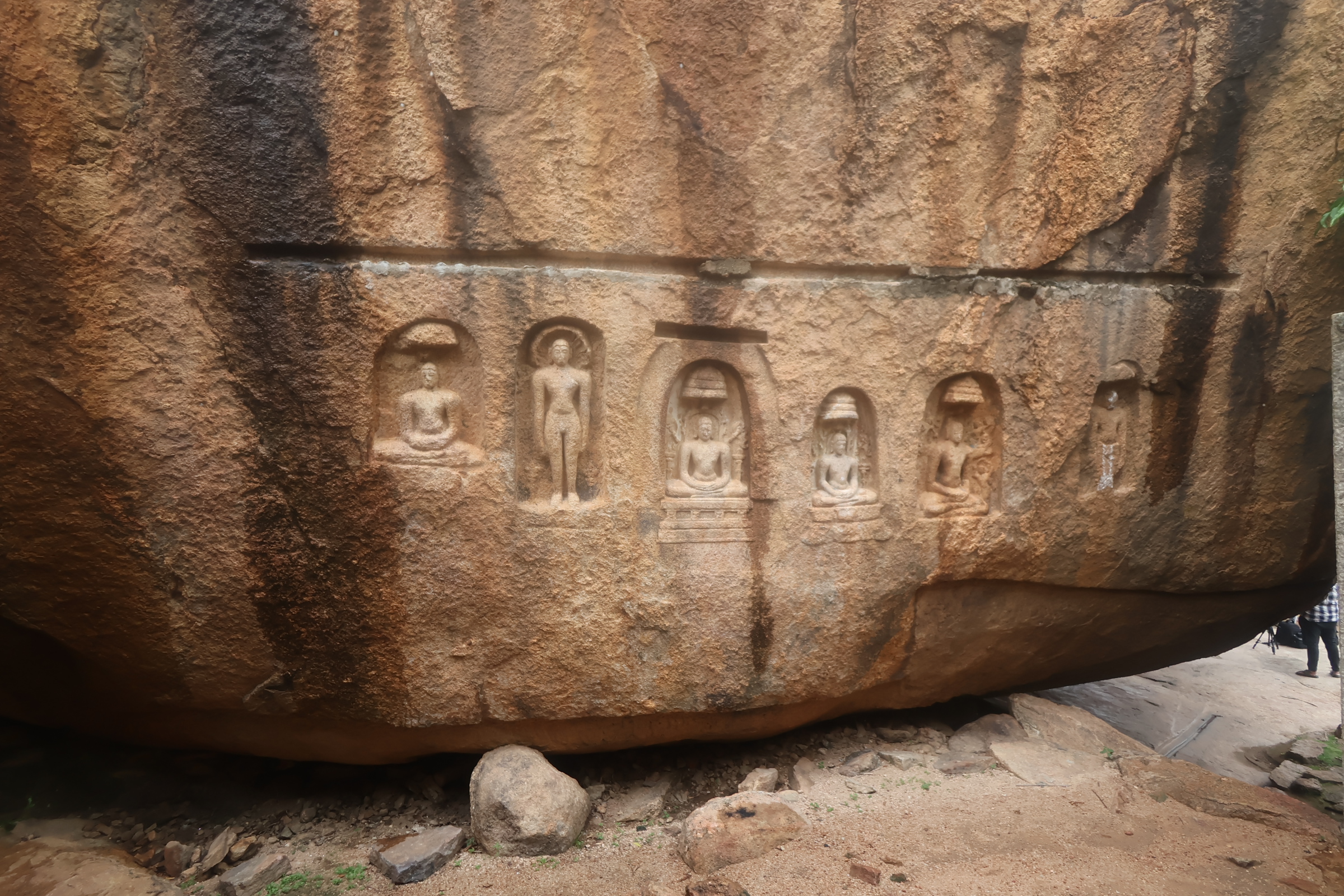
பிராமி கல்வெட்டுள்ள குகைத்தளத்தின் அருகில் சுமார் பொது ஆண்டு 9 - 10 ஆம் நூற்றாண்டைச் சேர்ந்த ஒன்பது சமணத் தீர்த்தங்கள் புடைப்பு சிற்பங்கள் காணப்படுகின்றன. இவற்றின் மீது முற்காலத்தில் வண்ணம் தீட்டப்பட்டிருந்ததாகத் தெரிகிறது. இவ்விடத்திற்கு அருகில், செங்காவியால் வரையப்பட்ட, சுமார் 4000 ஆண்டுகள் பழமையான பாறை ஓவியங்களும் காணப்படுகின்றன.
A historic year
2nd century BCE
Additional Information
Stone beds have been made in the natural cave floors at the foothills and middle of this hill, which is also called Panchapandava Malai and Palli. The Tamil-Brahmi inscription below the drip ledge carved on the front of the cave floor in the middle of the hill was discovered in 1903 by Mr. Venkobarao.
In this inscription, some letters are carved straight, some upside down, and some from left to right, alternating in the same line. The inscription reads ‘Upa(sa)an Thondi(la) Vonkodu Pali’. It is understood that Ilavon from Thondi created and offered this palli. The word Upasaan can be understood as ‘religious teacher’. The word may have come from the Pali word ‘Upajjhaya’. The word Pali is taken as ‘Palli’, meaning hermitage of monks.
Near the cave floor with the Brahmi inscription, nine carved Jain Tirthankara sculptures belonging to around the 9th–10th century CE are seen. It appears that these sculptures were once painted. Near this place, rock paintings about 4,000 years old drawn with red pigment can also be seen.
தகவல்
க.த. காந்திராஜன்
Details
K.T. Gandhirajan
குறிப்புகள்
மதுரை மாவட்ட தொல்லியல் கையேடு, பக்கம்133-134.§ தமிழ் பிராமி கல்வெட்டுகள், பக்கம் 26-28.
Reference
Madurai District Archaeological Handbook, page 133-134.§ Tamil-Brahmi inscriptions, pp 26-28.