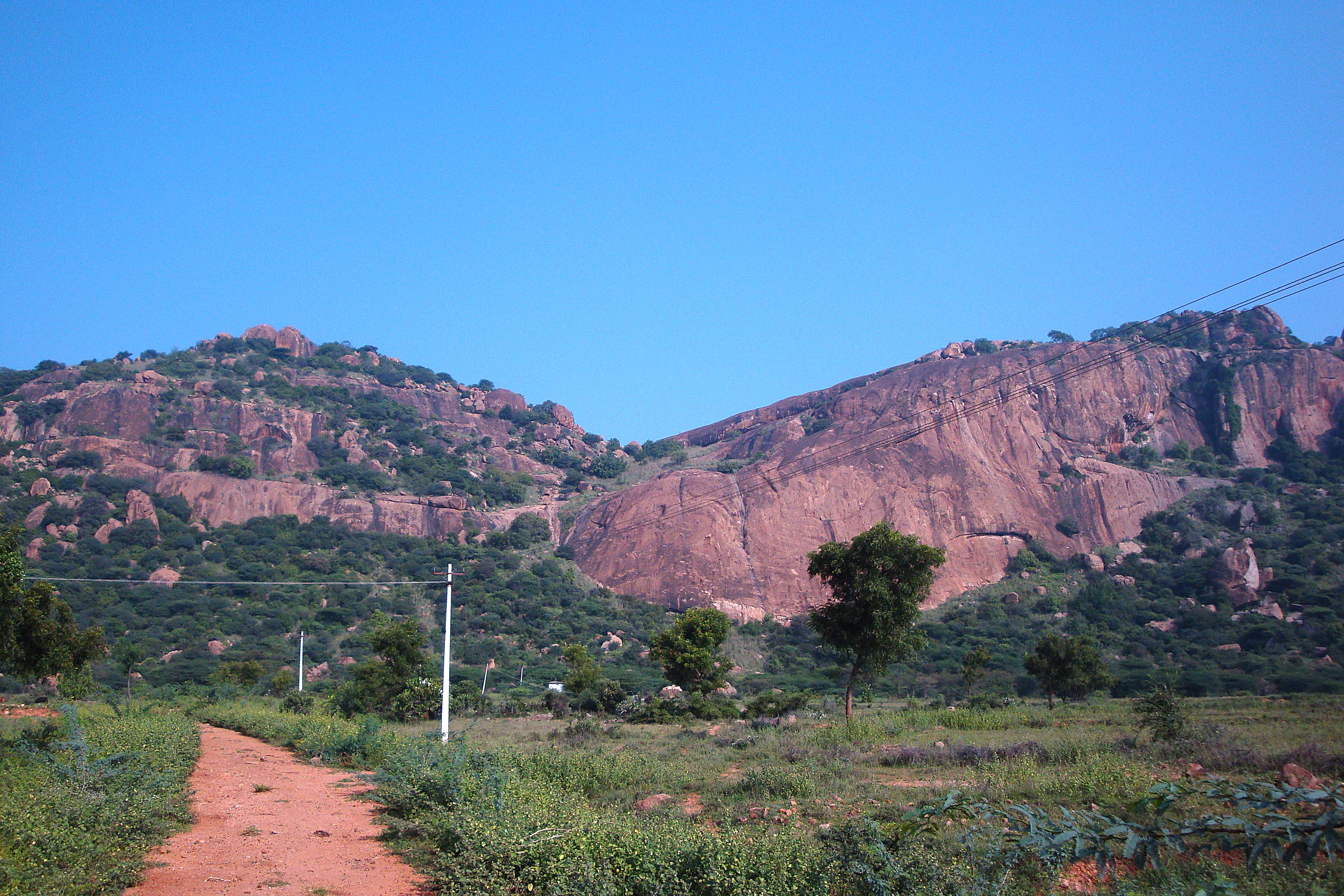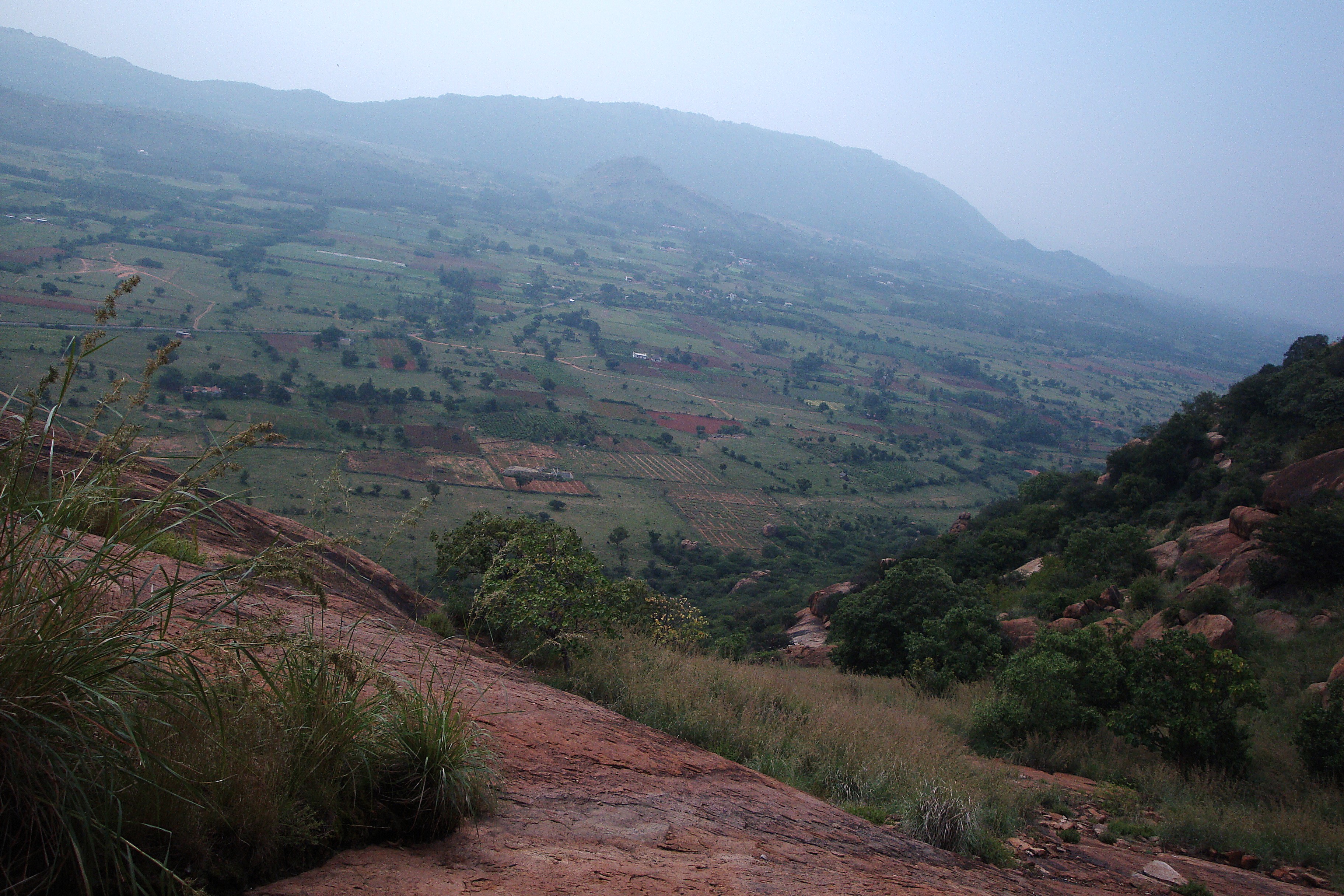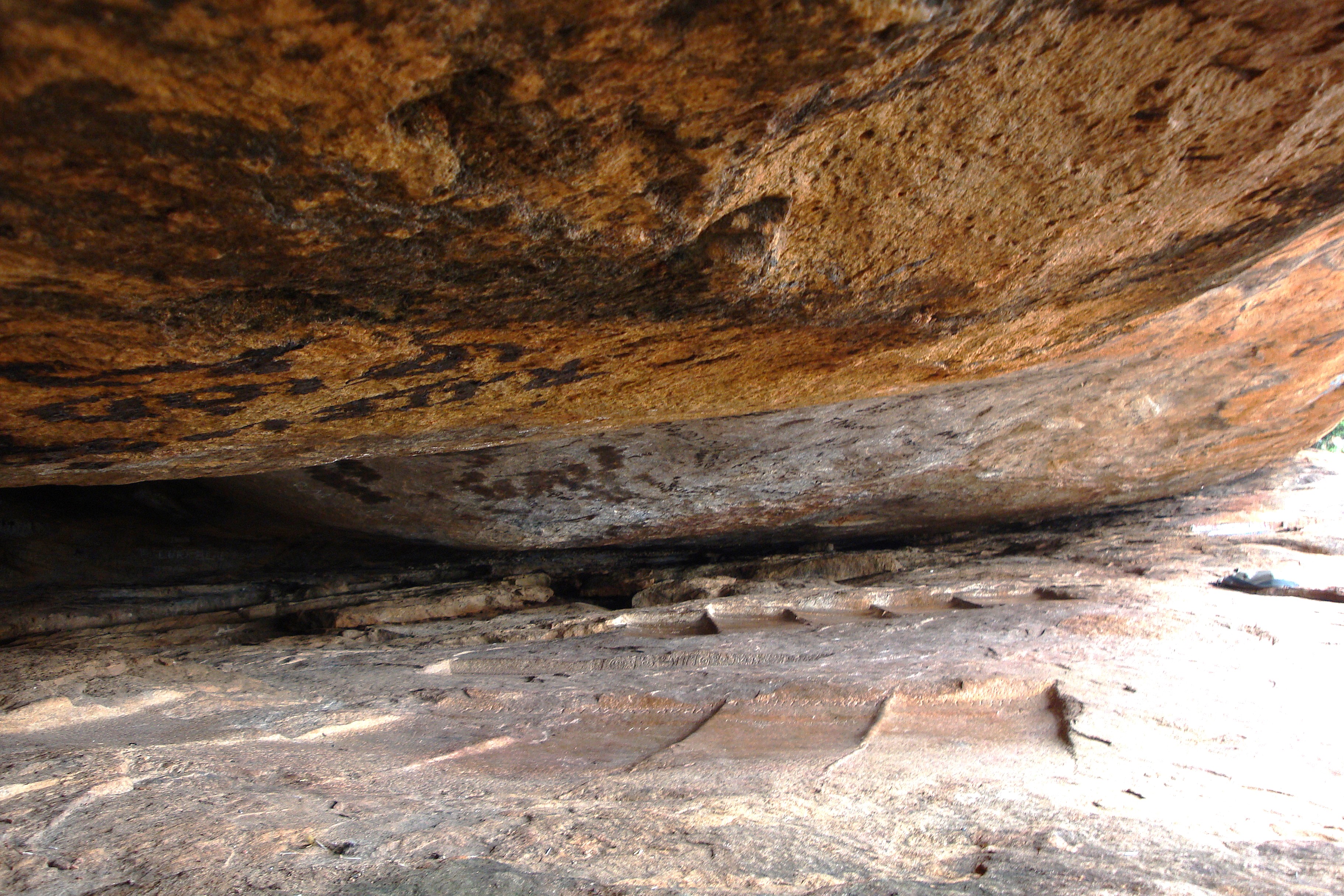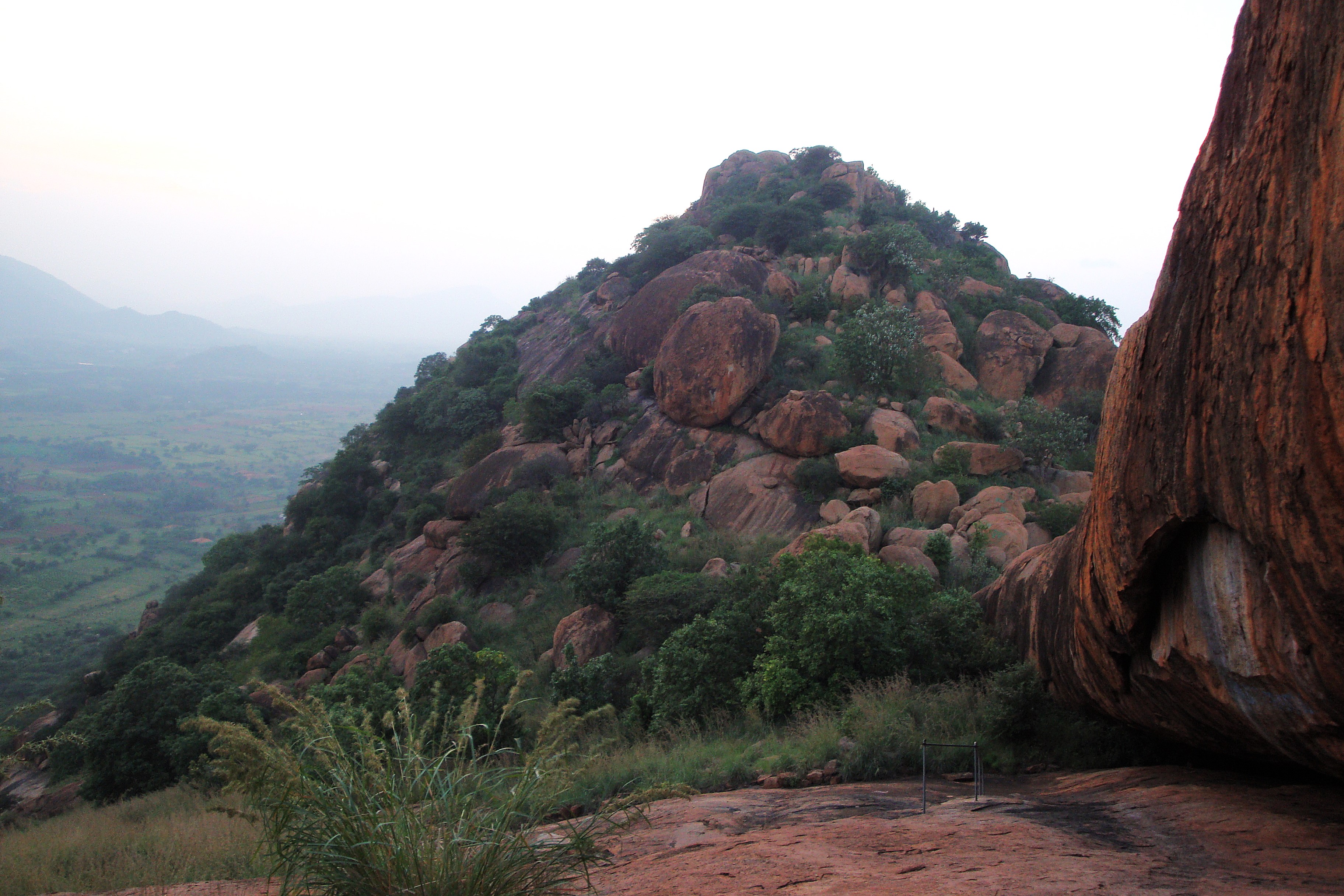
It is located in the Pancha Pandavar cave site on the way to the Makalinga Swami temple.
Language & Script
Tamili/Tamil Brahmi
Period / King
Sangam period - Pandya
Village Name
Mettupatti
District
Madurai
வரலாற்று ஆண்டு
பொது ஆண்டுக்கு முன் 2 ஆம் நூற்றாண்டு
கூடுதல் விவரங்கள்
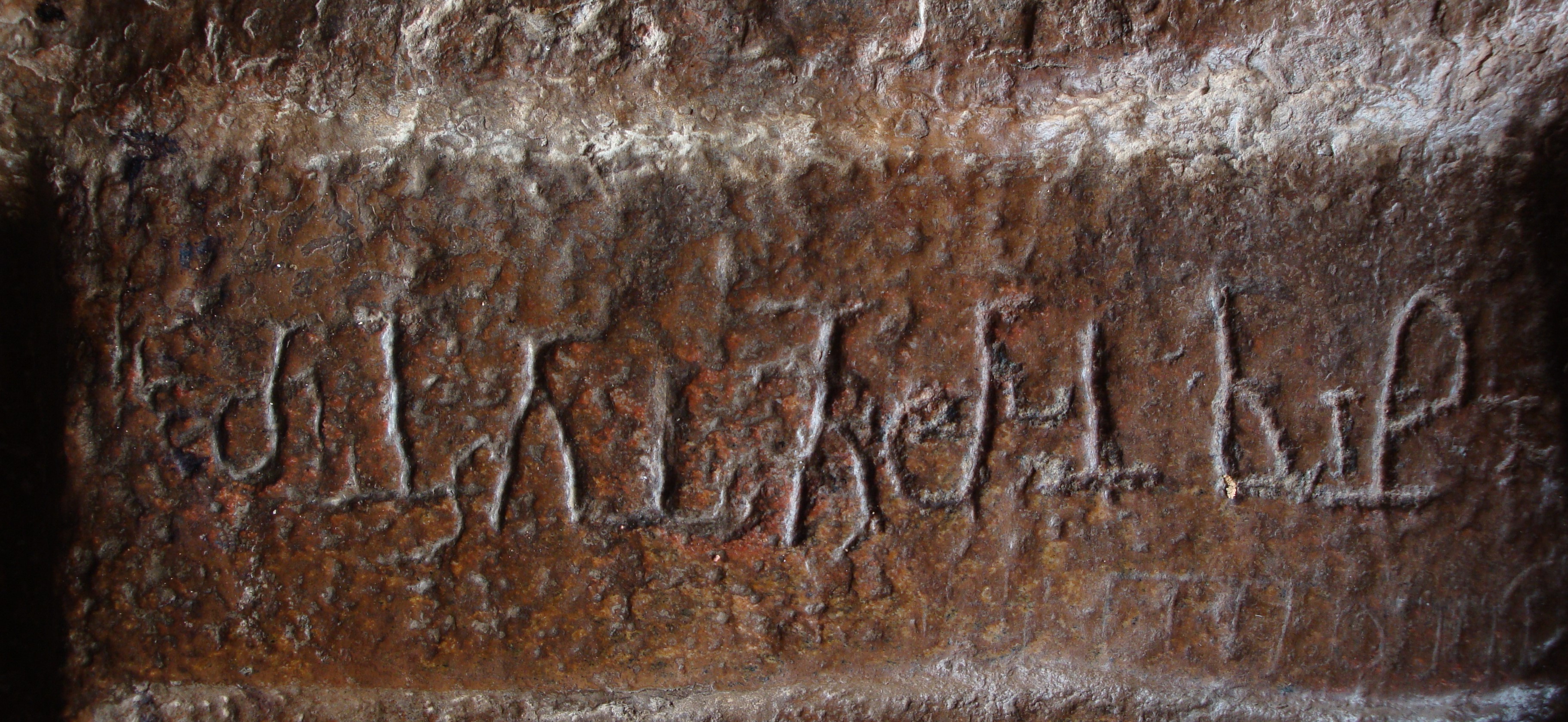
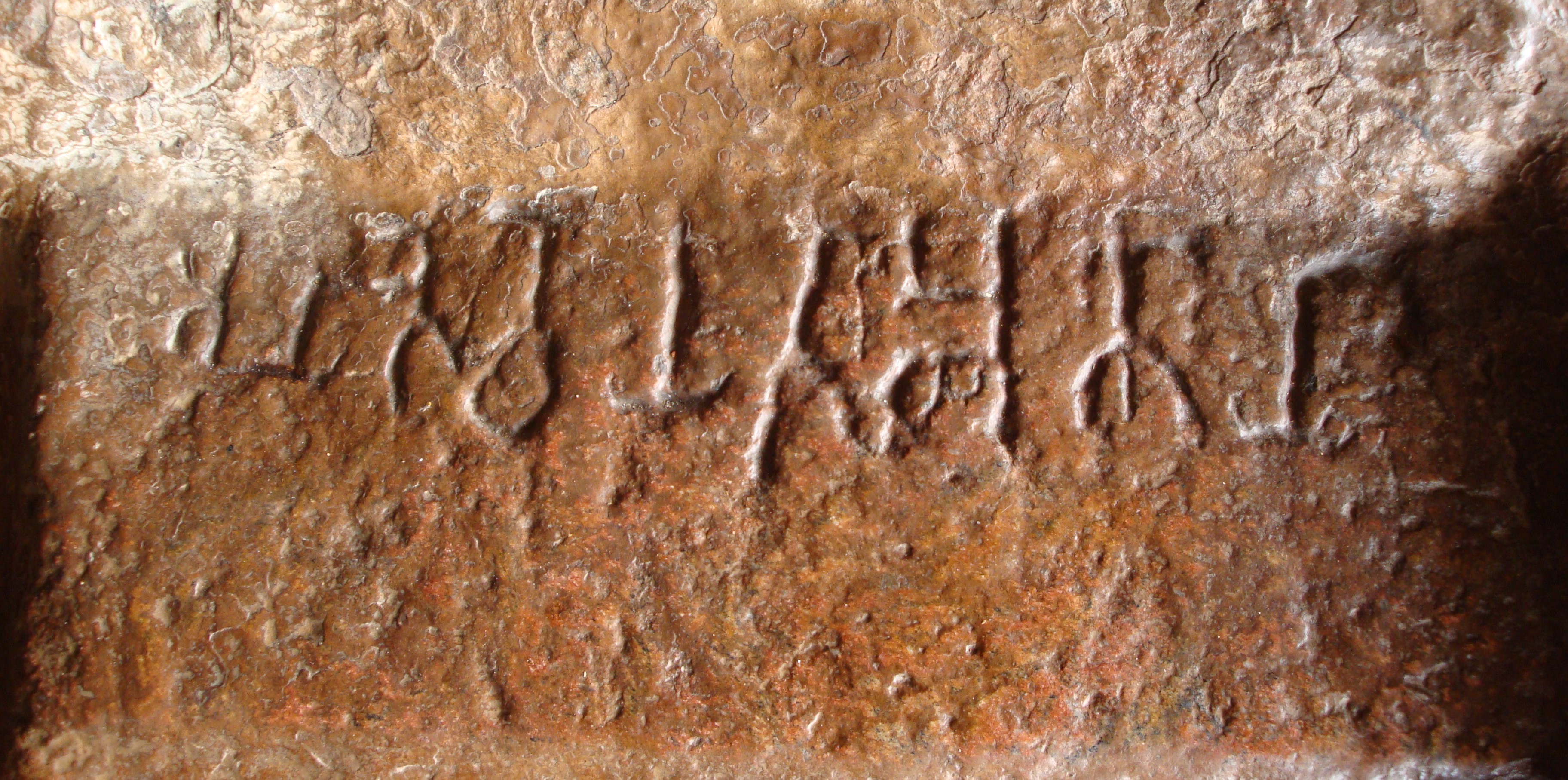
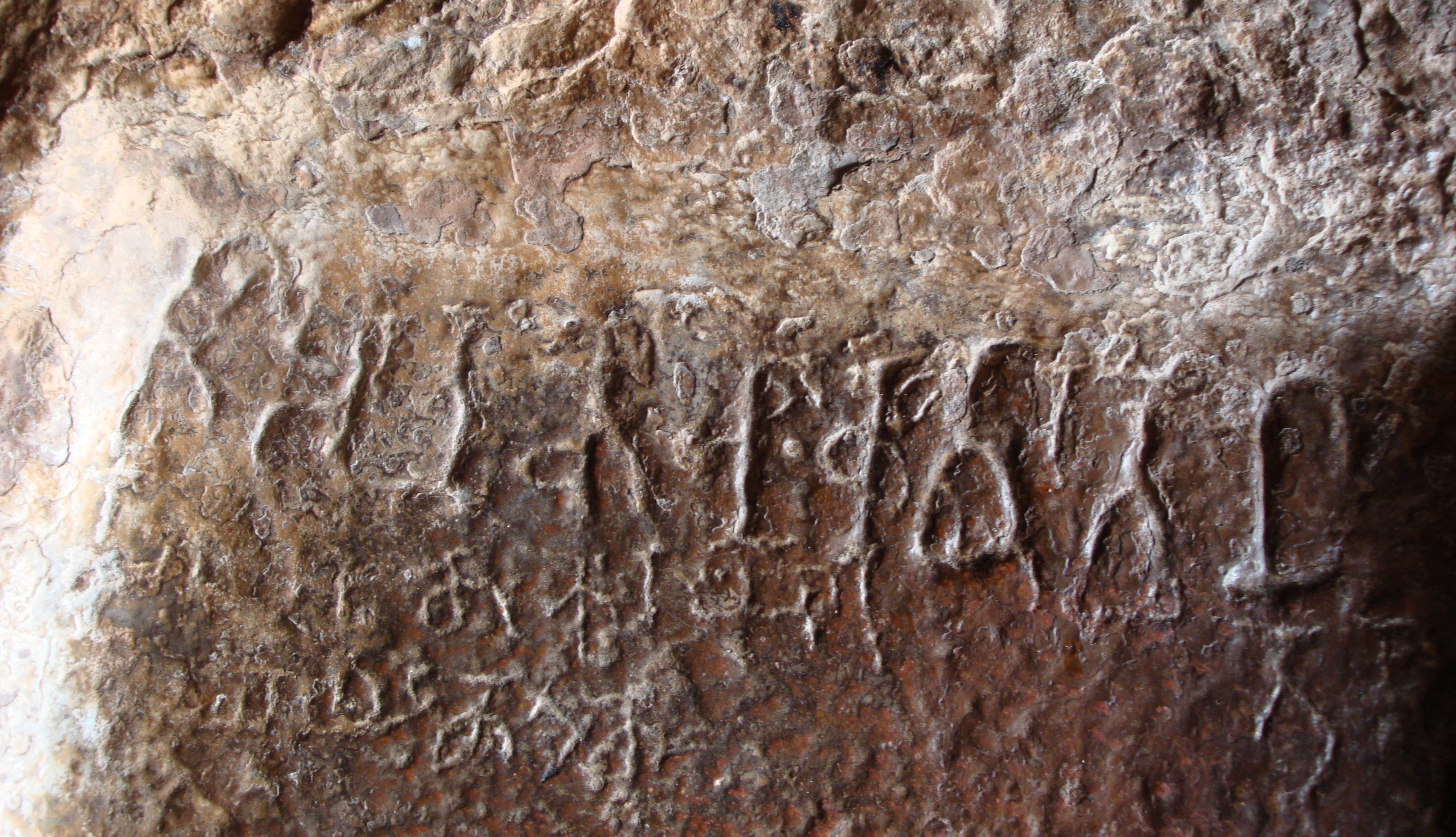
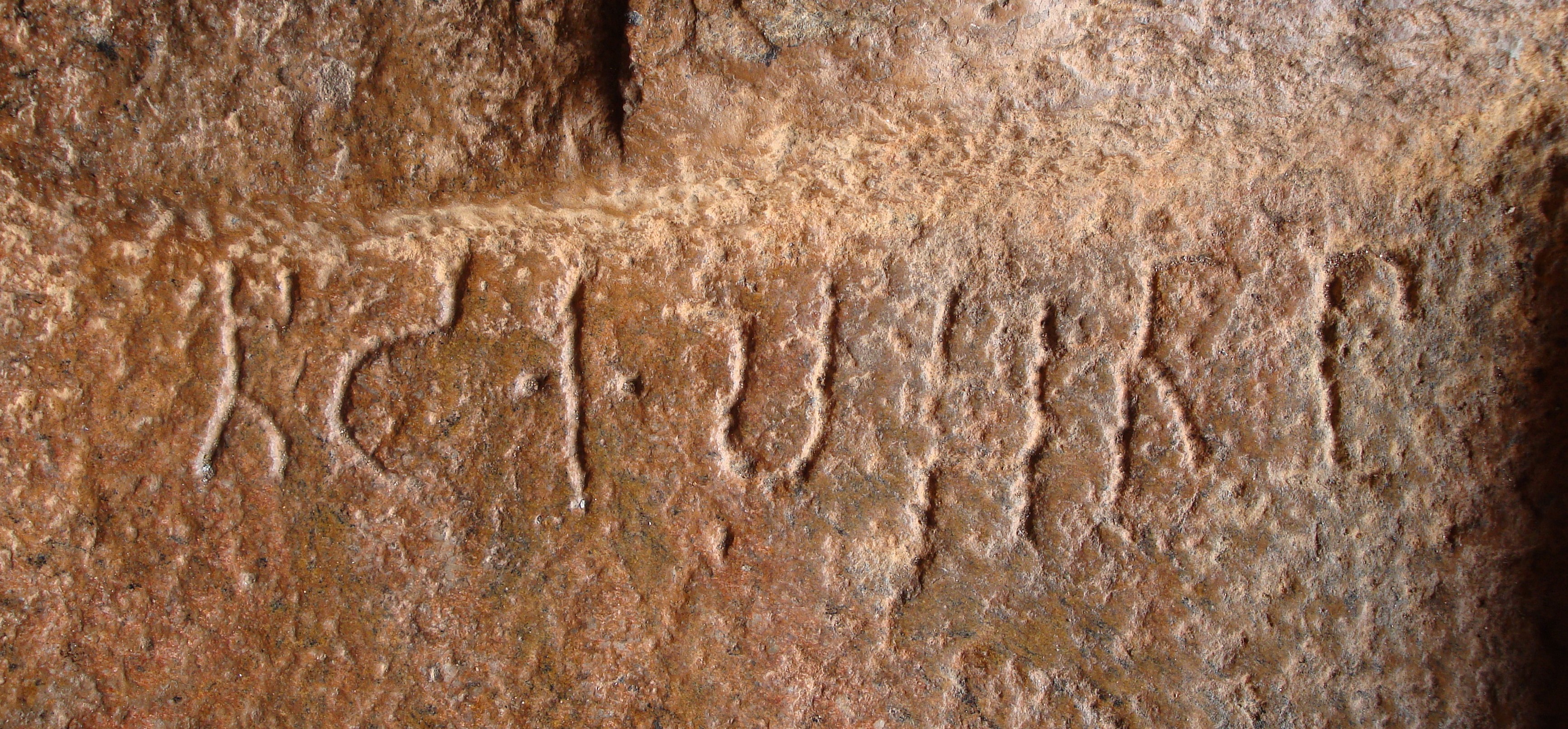
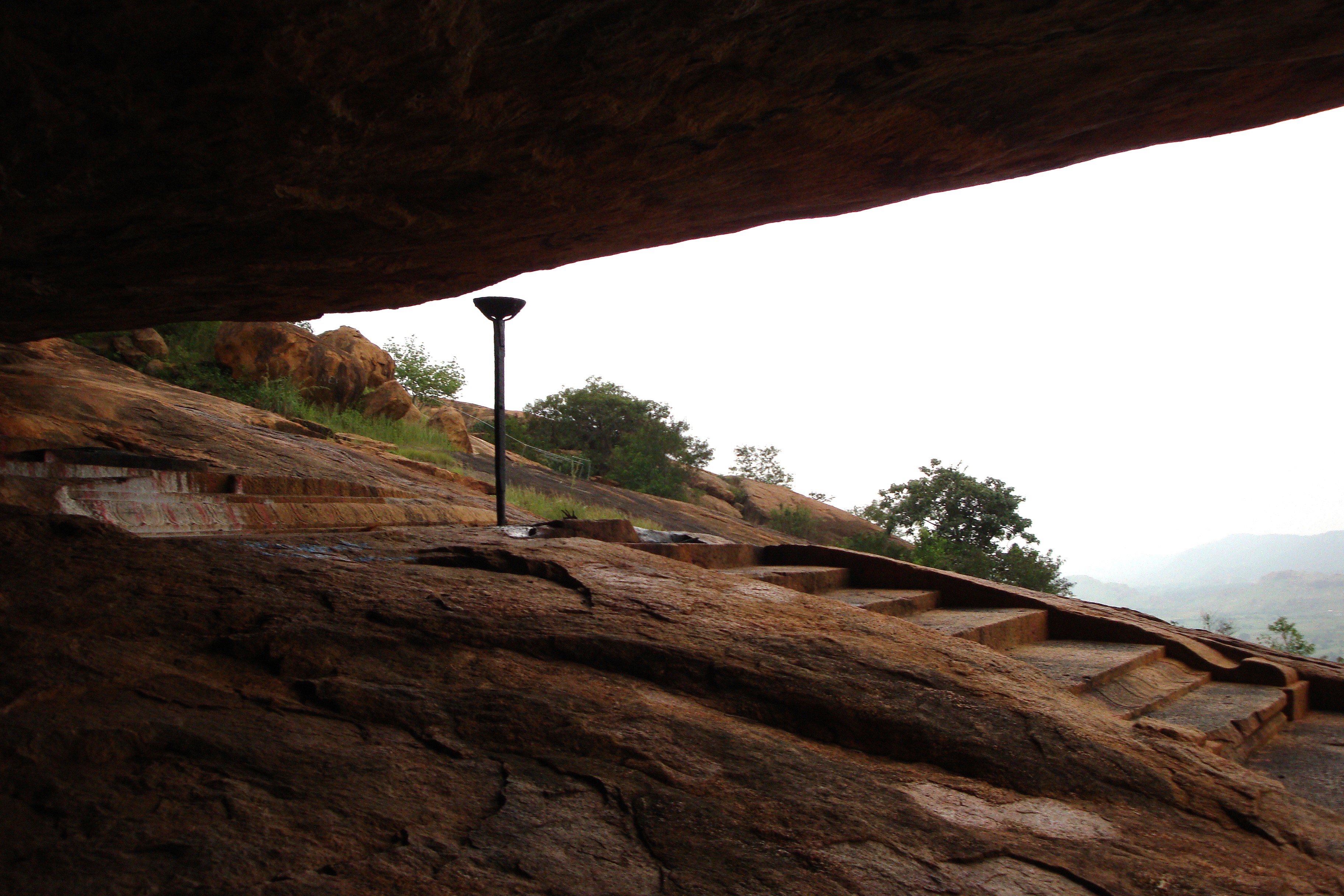
பஞ்சபாண்டவர் குகை என்று அழைக்கப்படும் இயற்கை குகைத்தளத்தின் நெற்றிப்பகுதியிலும், குகைத்தளத்தில் உள்ள கற்படுக்கைகளின் தலைப்பகுதியிலும் மொத்தம் 10 தமிழ் பிராமி கல்வெட்டுகள் வெட்டப்பட்டுள்ளன.
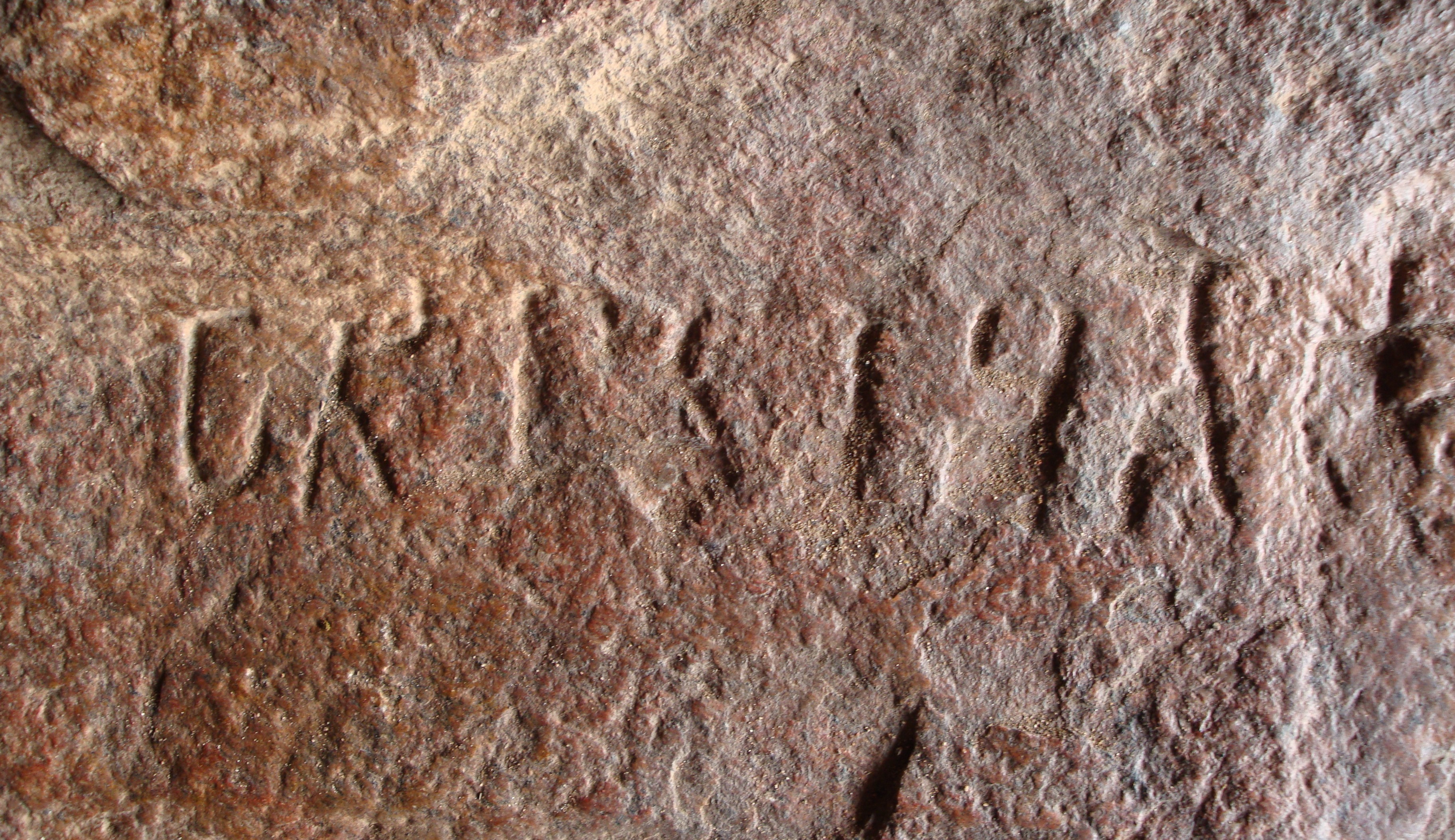
1ஆம் கல்வெட்டு- குகைத்தளத்தின் தென்புறமுள்ள முகப்பு பாறையில் வெட்டப்பட்டுள்ள இக்கல்வெட்டில், 'அமணன் மதிரை அத்திரன் உறை உதயனஸ' என்று வெட்டப்பட்டுள்ளது. சிரமணர் என்ற சொல்லே சகரம் நீக்கப்பட்டு அமணன் என்று குறிப்பிடப்படுவதாக கருதப்படுகிறது. பொது ஆண்டு 2ஆம் நூற்றாண்டு புகளூர் கல்வெட்டிலும் இச்சொல் (அமண்ணன்) வருகிறது. மதுரை என்ற சொல் இக்கல்வெட்டில் ‘மதிரை’ என்று குறிப்பிடப்படுகிறது. 'உதனஸ' என்ற சொல்லில் வரும் 'ஸ' என்ற எழுத்துக்கு 'உடைய' என்று பொருள் கொள்ளலாம்.
2ஆம் கல்வெட்டு- இடப்புறம் உள்ள முதல் கற்படுக்கையில் வெட்டப்பட்டுள்ள கல்வெட்டில், 'அந்தை அரிய்தி' என்று உள்ளது. இதற்கு அந்தை அரிதி என்பவன் கற்படுக்கை அமைத்தான் என்று பொருள்.
3ஆம் கல்வெட்டு- மேல் வரிசையிலுள்ள மற்றொரு கற்படுக்கையில் 'அந்தை இராவதன்' என்று வெட்டப்பட்டுள்ளது. இதற்கு அந்தை இராவதன் என்பவன் கற்படுக்கை அமைத்தான் என்று பொருள்.
4ஆம் கல்வெட்டு- மேல் வரிசையிலுள்ள மற்றொரு கற்படுக்கையில் '[ம]திர அந்தை [வி]ஸுவன்' என்று வெட்டப்பட்டுள்ளது. இதற்கு மதுரையைச் சேர்ந்த விசுவன் என்பவன் கற்படுக்கை அமைத்தான் என்று பொருள்.
5ஆம் கல்வெட்டு- மேல் வரிசையிலுள்ள மற்றொரு கற்படுக்கையில் 'அந்தை சேந்தன் அதன்' என்று வெட்டப்பட்டுள்ளது. இதற்கு அந்தை சேந்தன் என்பவன் கற்படுக்கை அமைத்தான் என்று பொருள்.
6ஆம் கல்வெட்டு- மேல் வரிசையிலுள்ள மற்றொரு கற்படுக்கையில் 'சந்தந்தை சந்தன்' என்று வெட்டப்பட்டுள்ளது. இதற்கு சந்தந்தை சந்தன் என்பவன் கற்படுக்கை அமைத்தான் என்று பொருள்.
7ஆம் கல்வெட்டு- கீழ் வரிசையிலுள்ள மற்றொரு கற்படுக்கையில் 'பதின் [ஊர்] அதை' என்று வெட்டப்பட்டுள்ளது. இங்கு 'அதை' என்ற சொல் 'அந்தை' என்று படிக்கப்பட்டுள்ளது. எனவே இதற்கு பதினூரைச் சேர்ந்த அந்தை என்பவன் கற்படுக்கை அமைத்தான் என்று பொருள்.
8ஆம் கல்வெட்டு- கீழ் வரிசையிலுள்ள மற்றொரு கற்படுக்கையில் 'குவிர அ[ந்தை] சேய் அதன்' என்று வெட்டப்பட்டுள்ளது. இதற்கு குவிர அந்தை என்பவர் செய்த தானம் என்று பொருள்.
9ஆம் கல்வெட்டு- கீழ் வரிசையிலுள்ள மற்றொரு கற்படுக்கையில் 'குவிர அந்தை வேள் அதன்' என்று வெட்டப்பட்டுள்ளது. இதற்கு குவிர அந்தை வேள் என்பவர் செய்த தானம் என்று பொருள்.
10ஆம் கல்வெட்டு- கீழ் வரிசையிலுள்ள மற்றொரு கற்படுக்கையில் 'திடி இல் அதன்' என்று வெட்டப்பட்டுள்ளது. இதற்கு திடி இல் என்ற ஊரைச் சேர்ந்த அதன்/ஆதன் என்பவர் செய்த தானம் என்று பொருள். திடி இல் என்ற ஊர் தற்போது மேட்டுப்பட்டிக்கு தென்கிழக்கே உள்ள திடியன் என்ற ஊராக இருக்கலாம்.
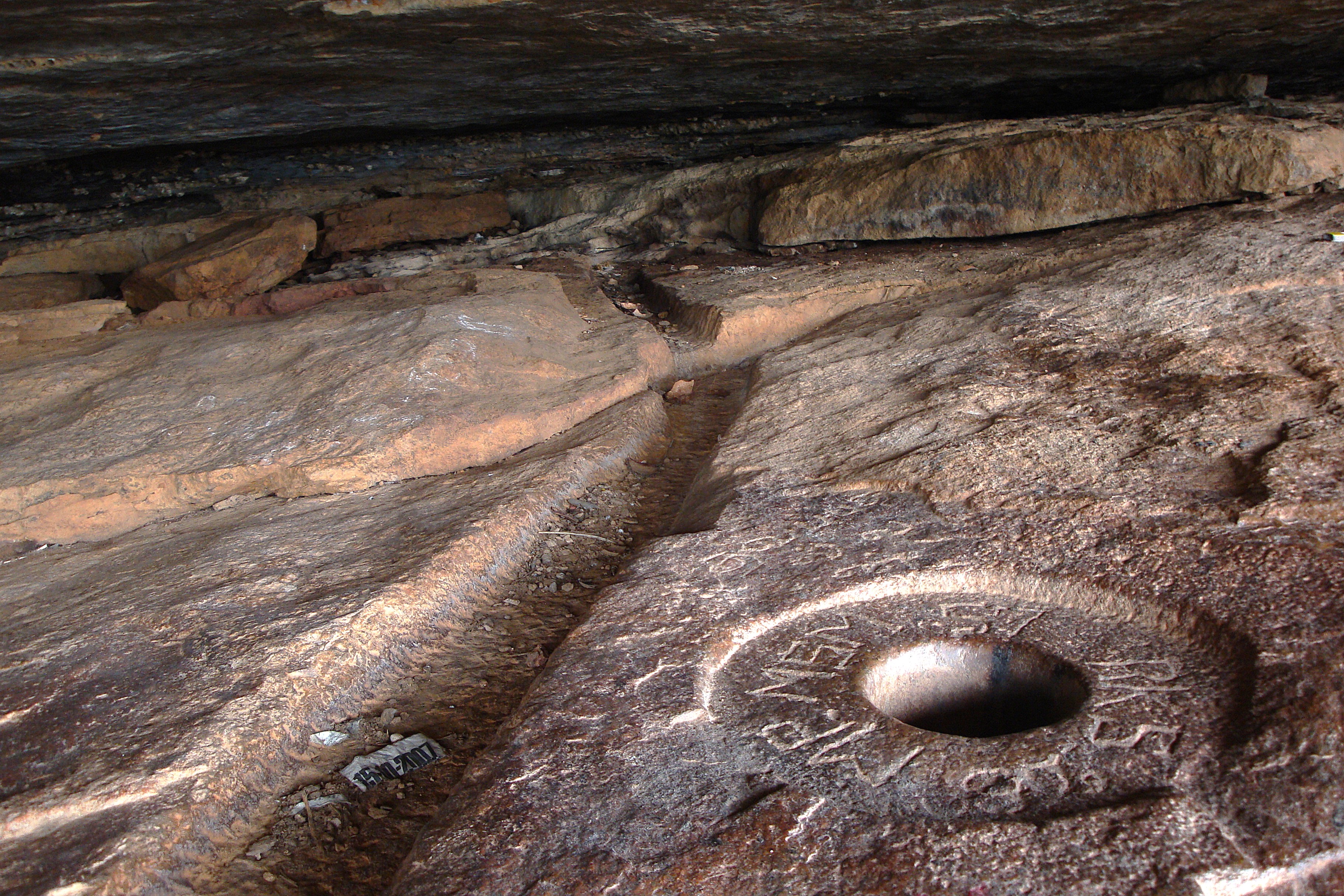
இம்மலையில் உள்ள குகைத்தளத்தில் சமண சிற்பத்தின் சிம்மாசன அடிப்பகுதி மட்டும் தற்போது காணப்படுகிறது. சிற்பம் காணப்படவில்லை. இக்குகைத்தளத்தில் பழமையான கற்செக்கும், நீர்வடிகால் போன்ற அமைப்பும் உள்ளது.
A historic year
2nd century BCE
Additional Information
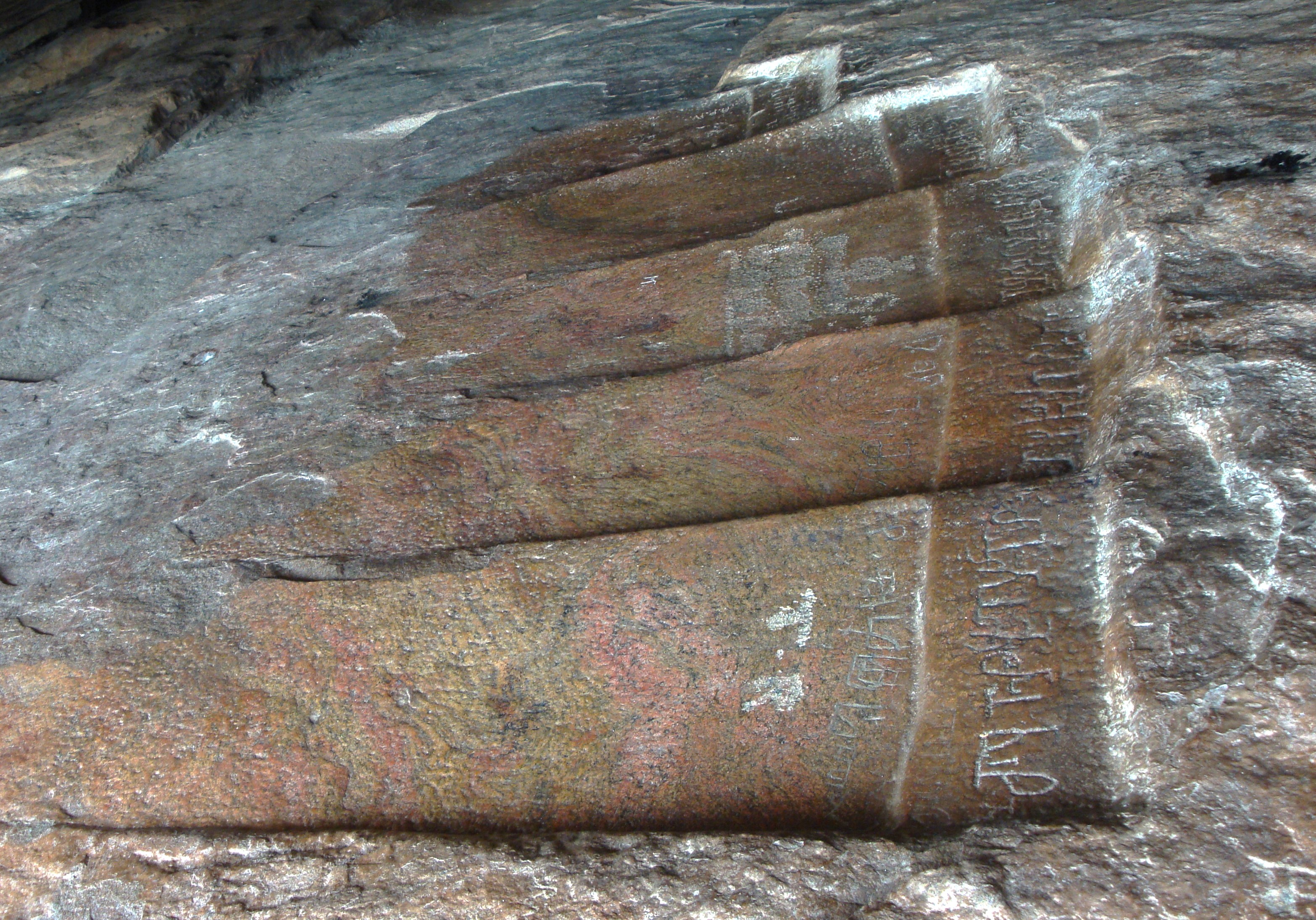
A total of 10 Tamil-Brahmi inscriptions have been carved on the brow of the natural cave floor known as Panchapandavar Cave and on the head parts of the stone beds inside the cave floor.
1st inscription – On the southern front rock of the cave floor, it reads ‘Amanan Mathirai Atthiran Urai Udayanasa’. The word Sramanar, with the letter ‘sa’ removed, is considered to be written as Amanan. The same word (Amanan) is found in the 2nd century CE Pugalur inscription. The word Madurai is mentioned here as Mathirai. In the word Udayanasa, the letter ‘sa’ can be understood as ‘udaiya’ (one who possesses).
2nd inscription – On the first stone bed on the left side, it reads ‘Andhai Ariyathi’. It means that Andhai Ariyathi made the stone bed.
3rd inscription – On another stone bed in the upper row, it reads ‘Andhai Iravathan’. It means that Andhai Iravathan made the stone bed.
4th inscription – On another stone bed in the upper row, it reads ‘[Ma]thirai Andhai [Vi]suvan’. It means that Visuvan from Mathirai (Madurai) made the stone bed.
5th inscription – On another stone bed in the upper row, it reads ‘Andhai Senthan Adhan’. It means that Andhai Senthan made the stone bed.
6th inscription – On another stone bed in the upper row, it reads ‘Santhanthai Santhan’. It means that Santhanthai Santhan made the stone bed.
7th inscription – On another stone bed in the lower row, it reads ‘Pathin [Oor] Adhai’. Here ‘Adhai’ is read as ‘Andhai’. Therefore, it means that Andhai from Pathinur made the stone bed.
8th inscription – On another stone bed in the lower row, it reads ‘Kuvira A[ndhai] Sei Adhan’. It means the donation made by Kuvira Andhai.
9th inscription – On another stone bed in the lower row, it reads ‘Kuvira Andhai Vel Adhan’. It means the donation made by Kuvira Andhai Vel.
10th inscription – On another stone bed in the lower row, it reads ‘Thidi Il Adhan’. It means the donation made by Adhan/Aathan from Thidi Il. The village called Thidi Il might now be Thidian, southeast of Mettupatti.
In this hill’s cave floor, only the base of the throne of a Jain sculpture is now seen. The sculpture itself is missing. There is also an ancient stone basin and a water drainage structure in this cave floor.