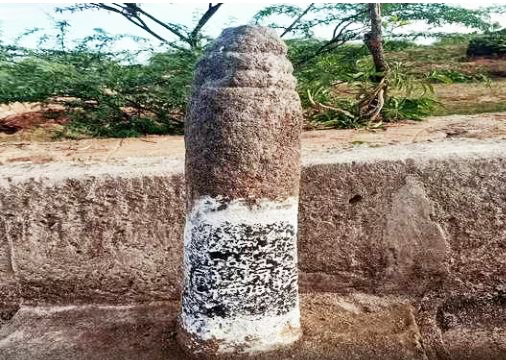
மதுரை மாவட்டம், கள்ளிக்குடி வட்டத்துக்கு உட்பட்ட வில்லூர் பெரிய கண்மாயில் தமிழரின் பாரம்பரிய நீர்ப் பங்கீட்டு முறையைப் பறைசாற்றும் இந்தக் கலிங்குக் கல்வெட்டு இடம்பெற்றுள்ளது. இக்கல்வெட்டு பொது ஆண்டு 16ஆம் நூற்றாண்டைச் சேர்ந்ததாகும். கலிங்கு என்பது கண்மாய், ஏரி அல்லது ஆறு போன்ற நீர் நிலைகளில் நீரை முறைப்படுத்தி வெளியேற்றுவதற்குக் கற்களைக்கொண்டு அமைக்கப்படும் கட்டுமானம் ஆகும்.
பெரிய கண்மாயில் நீர் நிரம்பி உபரிநீர் வெளியேறும் கலிங்குப் பகுதியில், 5 அடி உயரம், 1 அடி அகலம் கொண்ட உருளை வடிவ தனித் தூணில் இக்கல்வெட்டு பொறிக்கப்பட்டுள்ளது. ஆறு வரிகள் கொண்ட இக்கல்வெட்டில், ’காணியம் நீர் அளித்த பாணிக்கர் செய்த’ என்ற வாக்கியம் மட்டுமே தெளிவாகப் பொறிக்கப்பட்டுள்ளது. முதல் இரண்டு வரிகள் முற்றிலும் தேய்ந்து காணப்படுகின்றன. இவ்வூர்க்குப் பணிக்கர் என்ற இனக்குழுவினர் நீரைச் சரிபாதியாகப் பிரித்துக் கொடுத்துள்ளனர் என்ற செய்தியை இக்கல்வெட்டு கூறுகிறது. பெரிய கண்மாயில் நீர் நிரம்பிய பிறகு அருகேயுள்ள தென்னமநல்லூர், புளியங்குளம் கண்மாய்க்கு நீரோடை வழியாக நீர் செல்லும். கண்மாயிலிருந்து கலிங்கு வழியாக மறுகால் பாய்ந்தாலும் ஒரே அளவிலான நீர் வெளியேறும் வகையில் இக்கட்டுமானம் அமைந்துள்ளது இதன் சிறப்பாகும். பண்டைய தமிழர்கள், நீர் மேலாண்மையைச் செய்வதற்குத் தனியாகக் கலிங்கு வாரியம் என்ற குழுவை ஏற்படுத்தி நிர்வாகம் செய்தார்கள் என்பது குறிப்படத்தக்கது.
Additional Information
In Madurai district, under Kallikkudi taluk, this weir stone pillar (kalingu) inscription is located in Villur Periya irrigation tank (Kanmai), highlighting the traditional Tamil method of water distribution. This inscription is believed to belong to the 16th century CE. A kalingu is a structure built with stone in water bodies such as tanks, lakes, or rivers to regulate and release water. At Periya Kanmai, in the kalingu section where water overflows, this inscription is carved on a cylindrical pillar measuring 5 feet in height and 1 foot in width. Out of the six lines in the inscription, only the phrase “Kaaniyam neer aliththa paanikkar seytha” is clearly readable. The first two lines are completely worn out. The inscription conveys that the water was properly distributed by the village’s water management group known as the Paannikkar. After the tank fills, water flows via channels to nearby Thennamanallur and Puliyankulam Kanmai. The structure is designed so that even when water overflows through the kalingu, the same amount of water is released, ensuring uniform distribution. Notably, ancient Tamils established a dedicated kalingu management group to oversee water administration efficiently.