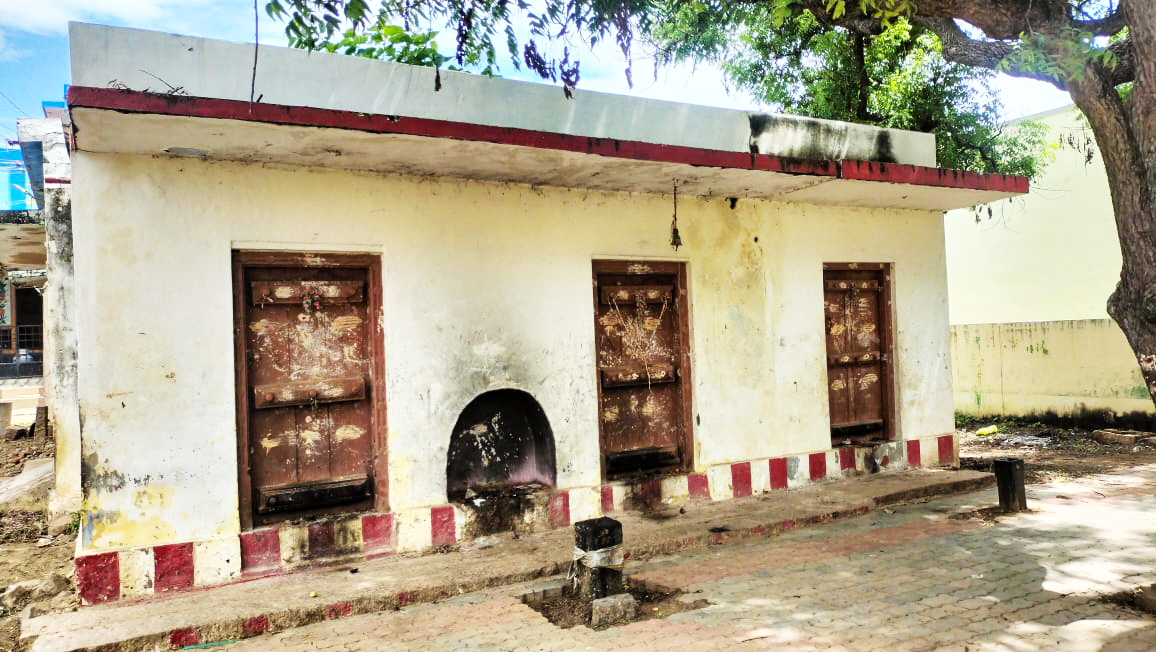
It is located near the Government school in the center of the village.
Village Name
Kanniyampatti
District
Madurai
திருவிழாக்கள் விவரங்கள்
மாசிப்பச்சை திருவிழா கொண்டாடப்படுகிறது.
வழிபாட்டுச் சடங்குகள் / முறைகள்
தேங்காய், பழம், பத்தி, சூடம் வைத்து வணங்குகின்றனர்
சுருக்கம்
நாட்டார் வழிபாட்டில், குலசாமிகளுக்கு அணிவிக்கப்படும் ஆடை, அலங்காரப் பொருட்கள், வளரி, சலங்கை போன்றவற்றைத் திருவிழாக் காலங்களில் மட்டுமே பயன்படுத்துவர். மற்ற நேரங்களில் அவற்றை ஒரு பெட்டியில் போட்டு மூடி, அதற்கென்று கட்டப்பட் வீட்டில் வைப்பர். காலங்காலமாகப் பயன்படுத்தப்படும் புனிதமான சாமிப் பொருட்களைக் கோயிலில் வைப்பதை விட ஊரின் நடுவில் பெட்டி வீடு என்ற ஒன்றைக் கட்டி அதில் வைப்பதை இப்பகுதி மக்கள் வழக்கமாகக் கொண்டுள்ளனர். கோயில் வீடு என்பதன் இன்னொரு பரிமாணம் இந்தப் பெட்டி வீடுகள். மூலவர் மற்றும் பரிவாரத் தெய்வங்கள் ஒவ்வொன்றுக்கும் ஒரு தனிப் பெட்டி வீடு கட்டப்படும்.
பரிவாரத் தெய்வங்களுக்கான பங்காளிகள் பல கிராமங்களில் இருப்பர். பெட்டி எடுக்கும் சடங்கின் வழி அந்தக் கிராமங்கள் ஒற்றுமையாகத் திரள்கின்றன. திருவிழாச் சமயத்தில் பெட்டி வீட்டிலிருந்து பூசை செய்து, சாமிவருந்தி, கொட்டு மேளம் அடித்து, சாமியாடி உறவினர்கள் கூட்டமாகக் குலசாமி கோயிலுக்குச் செல்வர். பெட்டி சென்ற பின்பே கோயிலுக்கு முழுமையான சக்தி கிடைக்கும் என்று நம்புகின்றனர். பெட்டி வராமல் கோயில் பூசையோ, மக்கள் வழிபாடோ செய்வதில்லை. மதுரை வட்டாரத்தில் பெட்டி வீடு என்பது பெரும்பாலான கோயில்களுக்கு உண்டு. இது குடிகளின் உரிமையாகும். குலசாமி கோயிலுக்குச் செல்ல முடியாதவர்கள் பெட்டி வீட்டில் சூடம் வைத்து வழிபட்டுச் செல்வதும் உண்டு. பல ஊர்களின் பெட்டியை ஒரு ஊரில் வைக்கும் முறையும் உண்டு. கன்னியம்பட்டியில் காமாட்சியம்மனை வழிபடும் பங்காளிகள் உருவாக்கிய இந்தப் பெட்டி வீடு, மூன்று வகையறாக்களுக்குப் பாத்தியப்பட்டது ஆகும்.
காலம்/ ஆட்சியர்
ஐம்பது ஆண்டுகளுக்கு முன் கட்டப்பட்டதாகக் கூறுகின்றனர்.
Festivals details
Maasipachai festival is celebrated
Rituals of worship / Methods
Devotees offer coconuts, fruits and light incense and camphor as part of their worship.
Summary
In folk worship, the clothes, ornaments, weapons such as Boomerang (Valari), anklets, and other sacred items used for their ancestral deity (Kuladeivam) and are utilized only during festival times. At other times, these sacred items are carefully stored in a box and kept inside a house built specifically for this purpose. Such a structure is called "Petti Veedu" (literally meaning 'box house'). Rather than keeping these age-old sacred items in the temple, the people of this region have of the building a seperate structure in the center of the village for their safekeeping. This Petti Veedu is another variation of what is sometimes called the Kovil Veedu (Temple House). Each deity, including the primary deity (Moolavar) and accompanying guardian deities (Parivara Devathas), is assigned a separate Petti Veedu. The families or clans responsible for the guardian deities reside in different villages. The ritual of carrying the Petti (ceremonial box) brings these different communities together in unity.
During temple festivals, a special worship is performed at the Petti Veedu, the deity is invoked and the sacred box (Petti) is ceremonially carried by the devotees, accompanied by the music of traditional instruments, in a grand procession, led by Samiyaadi (ritualistic trance dancer) towards the Kuladeivam Temple. It is believed that the temple attains its full divine power only after the arrival of the Petti. Until then, no worship takes place at the temple. In the Madurai region, most temples have a Petti Veedu, which is considered the collective property of the families/clans. Those unable to visit the ancestral temple sometimes offer their prayers at the Petti Veedu, by placing offerings such as lit camphor (sudam) and other items. In some cases, the ceremonial boxes from several villages are brought together and kept in one location. This Petti Veedu established at Kanniyampatti, by the devotees who worship Goddess Kamakshi Amman, is one such structure which is common for three different clans/families.