நாள்தோறும் காலை மற்றும் மாலை கோயில் திறக்கப்படுகிறது.
திருவிழாக்கள் விவரங்கள்
விநாயகர் சதுர்த்தி மற்றம் விநாயகருக்கு உகந்த நாட்களில் சிறப்புப் பூசைகள் நடைபெறுகின்றன.
காலம்/ ஆட்சியர்
நாயக்கர் காலம்
கல்வெட்டு / செப்பேடு
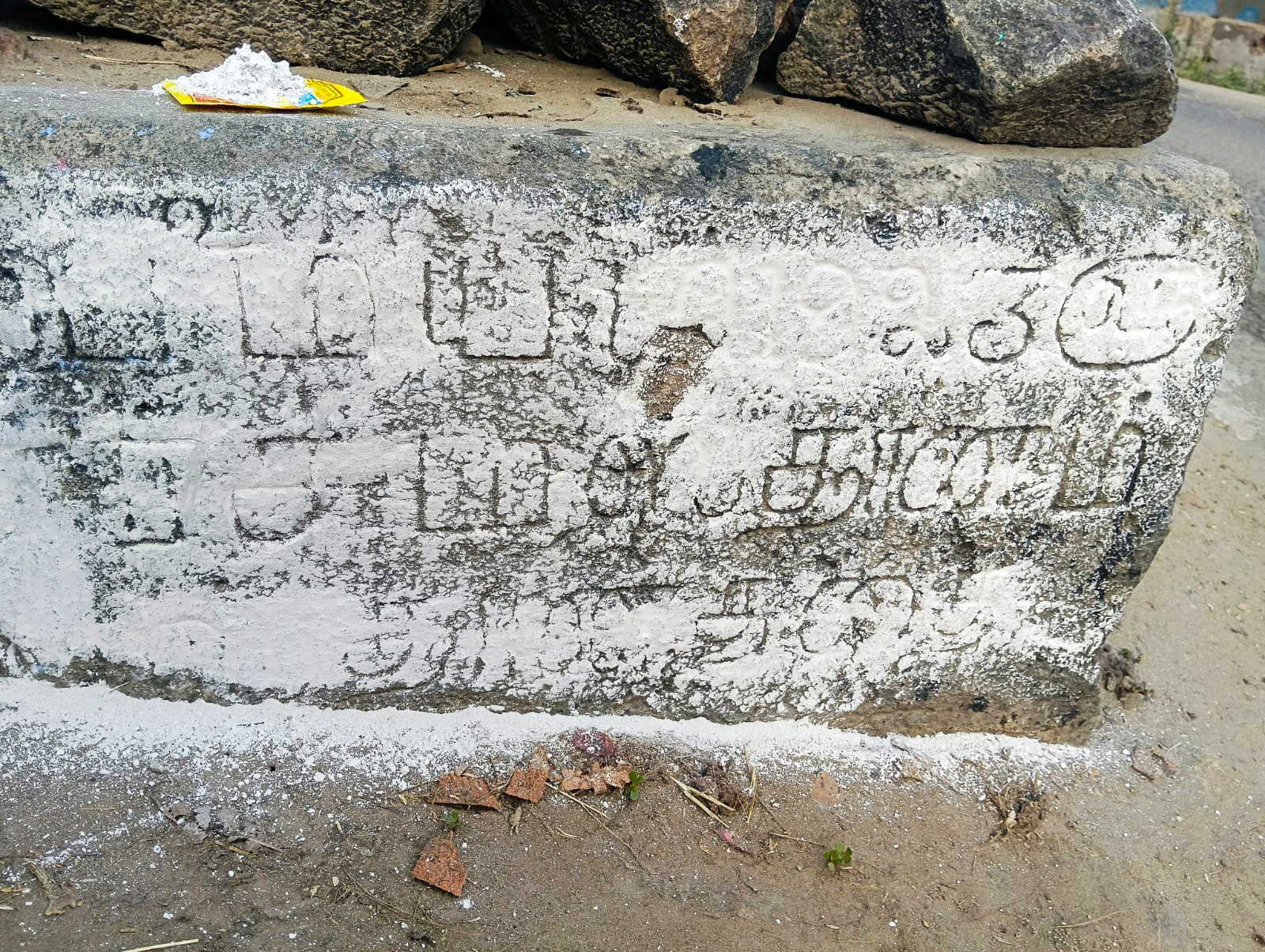
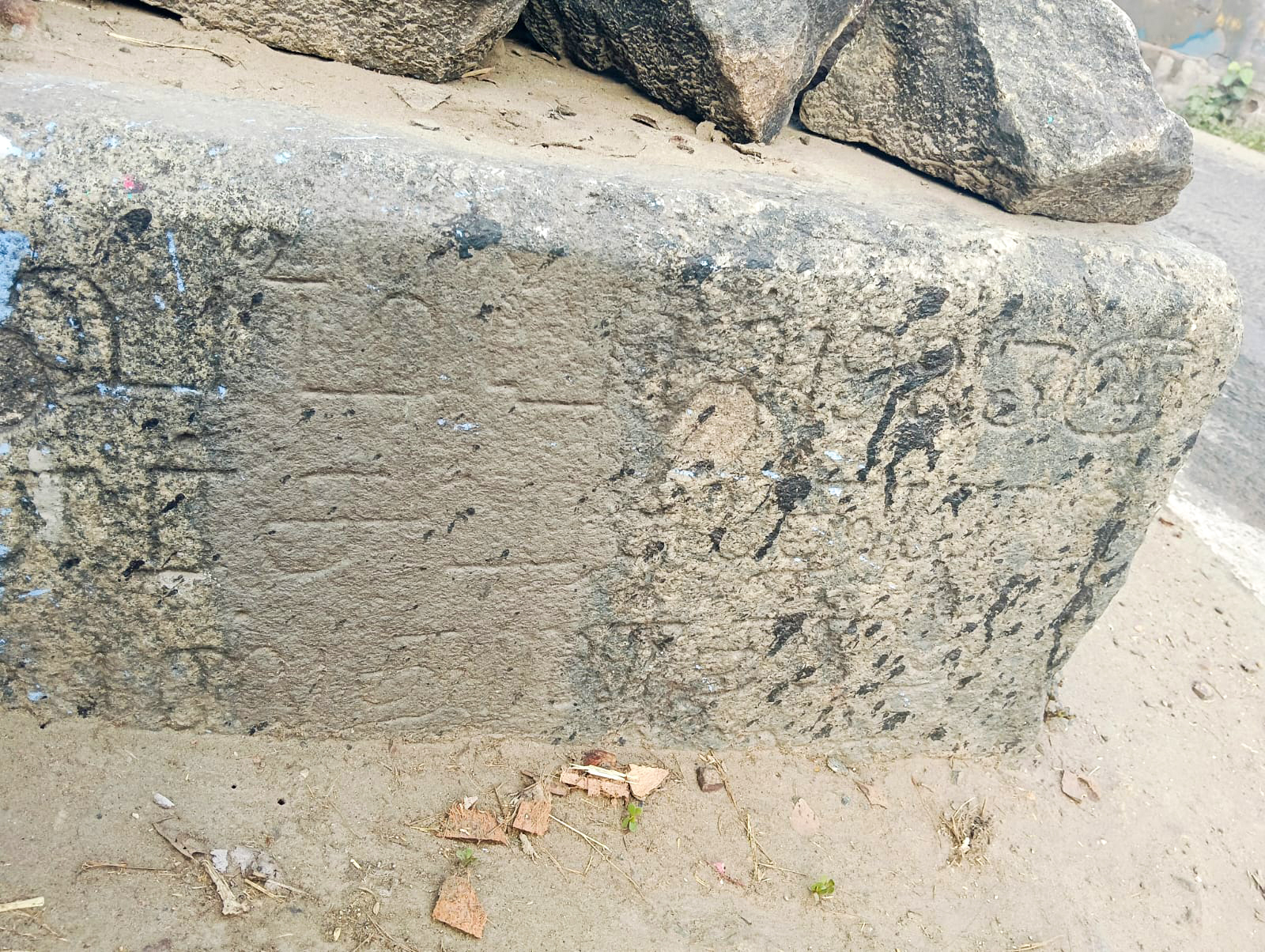
கோயில் நுழைவாயிலின் வலப்பக்கம் அண்மைக்காலக் கல்வெட்டு ஒன்று காணப்படுகிறது. இக்கல்வெட்டில் பொது ஆண்டு 1923ஆம் ஆண்டு இது வெட்டப்பட்டுள்ளதாகத் தகவல் உள்ளது.
தல வரலாறு / கதைகள்
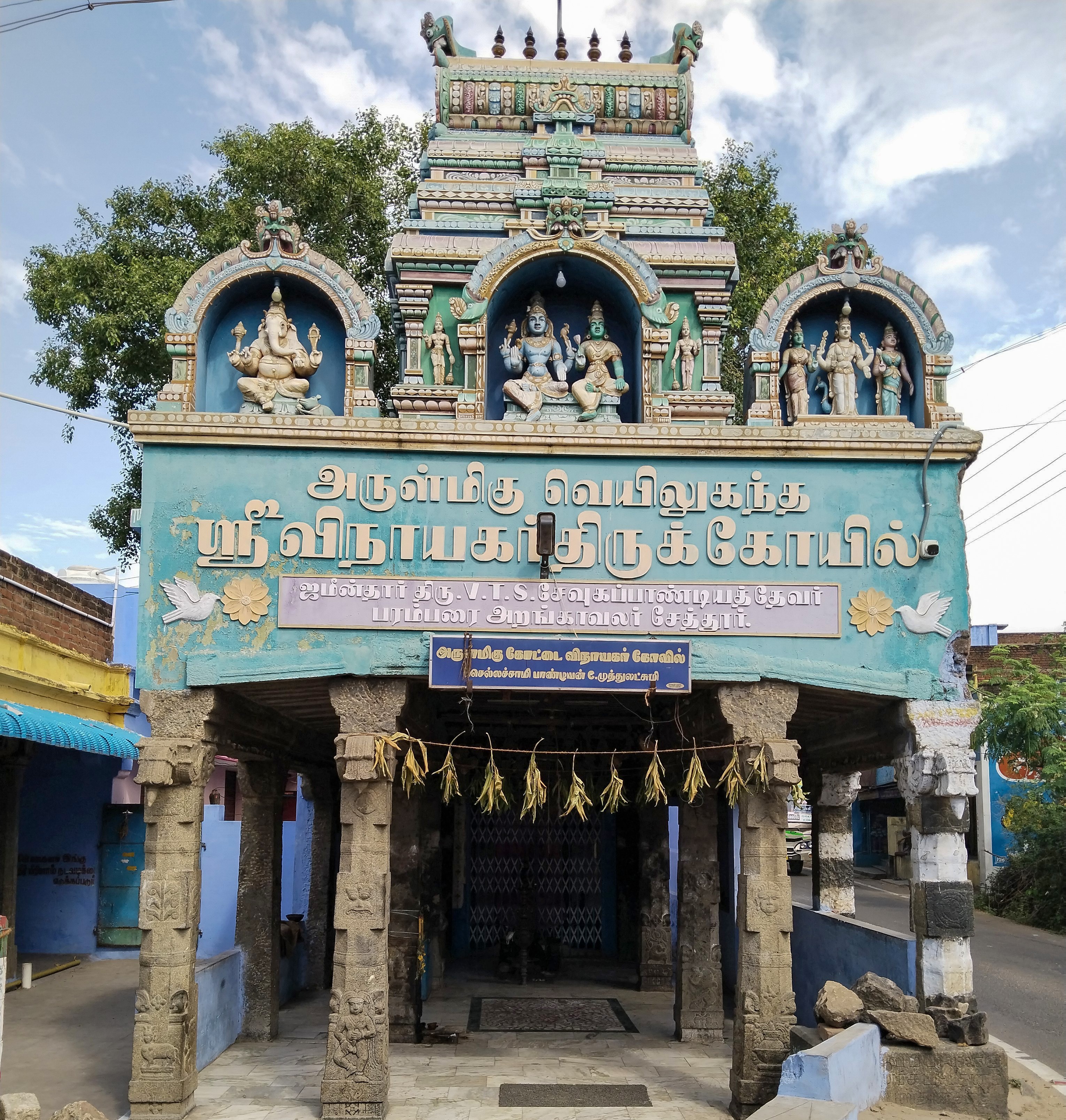
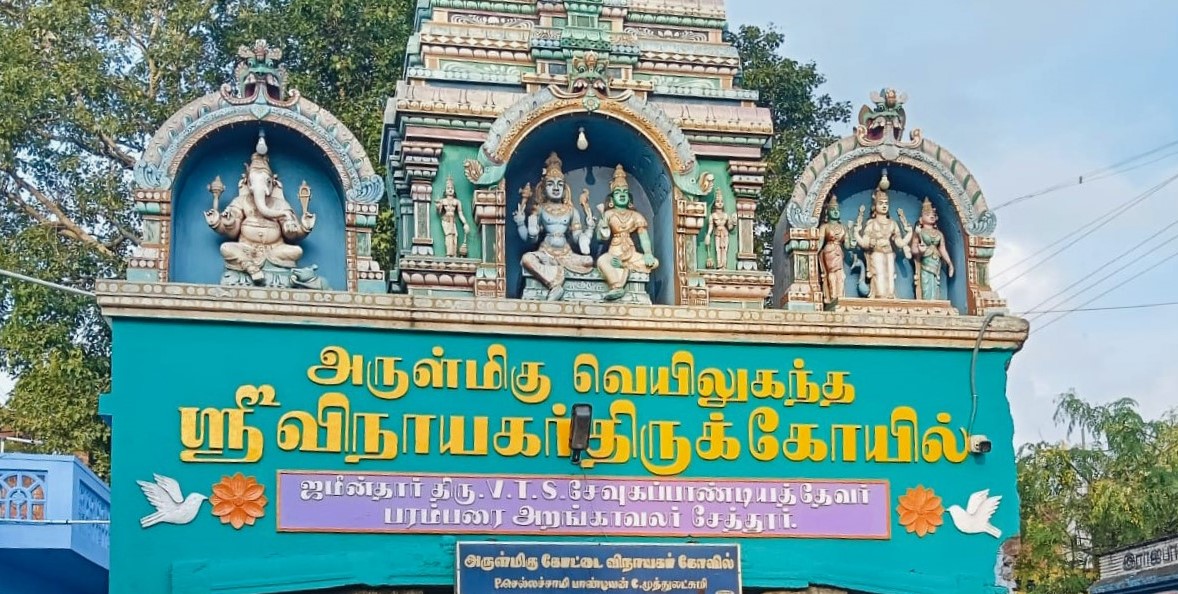
இந்த விநாயகர் கோயிலின் கருவறை, மேற்கூரை இல்லாமல் அமைக்கப்பட்டுள்ளதால் இதற்கு ’வெயிலுகந்த விநாயகர்’ என்ற பெயர் வந்ததாகக் கூறுகின்றனர். இது கல்தூண் மண்டபத்தின் பின்புறத்தில் அமைந்துள்ளதால் இக்கோயிலுக்குக் ’கோட்டை விநாயகர்’ என்ற வேறு பெயரும் உள்ளது.
இக்கோயில் சாலையின் நடுவே அமைந்துள்ளதால், இந்த வழியாகச் செல்வோர் இவ்விநாயகரை வழிபட்டுச் சென்றால் பயணம் சிறப்பாக அமையும் என்பது இப்பகுதி மக்களின் நம்பிக்கை.
கோயில் அமைப்பு
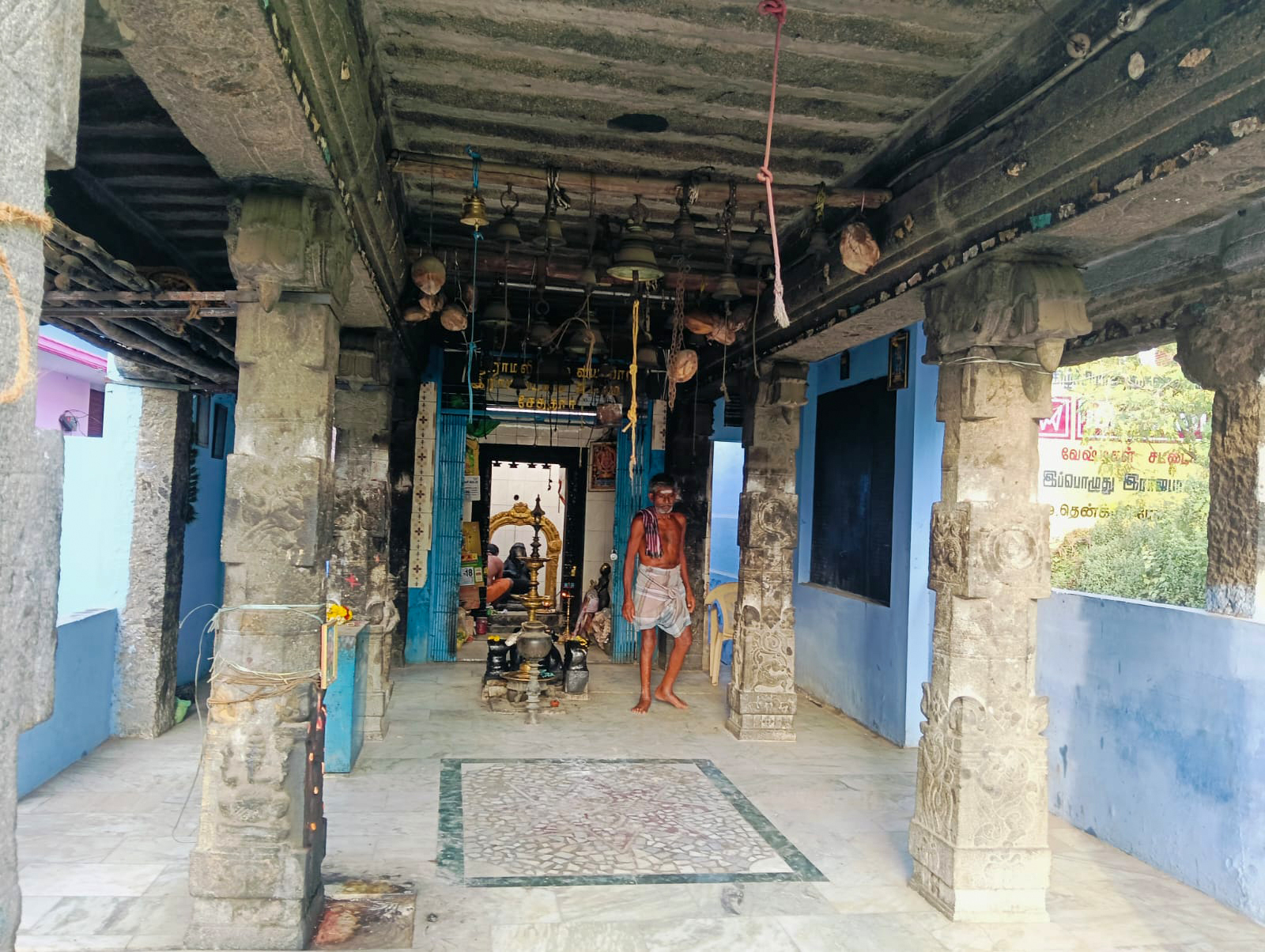
முன்மண்டபமும் கருவறையும் உள்ளன. கருவறை மேற்கூரை இல்லாமல் அமைக்கப்பட்டுள்ளது.
கூடுதல் விவரங்கள்
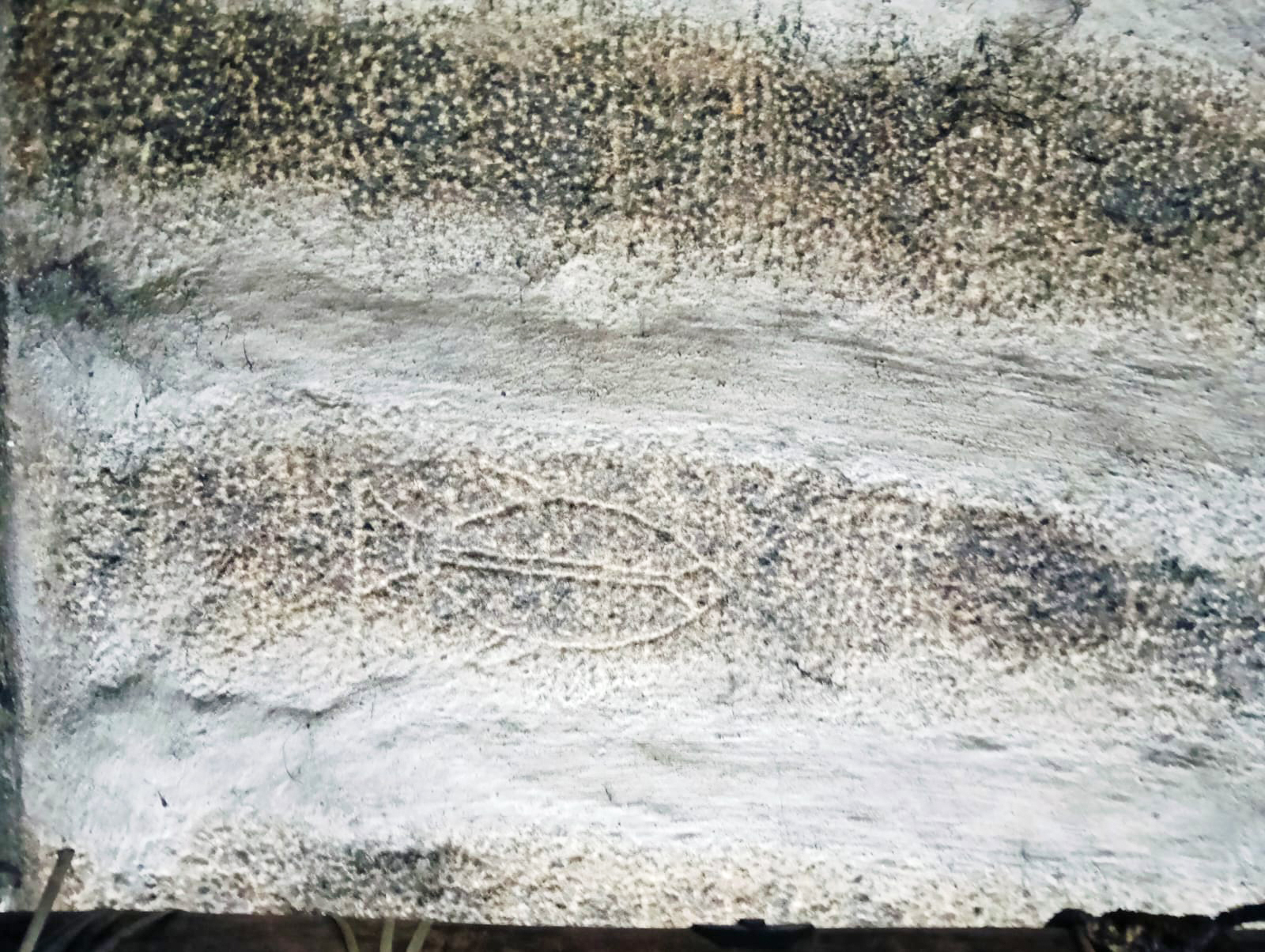
சேத்தூர் ஜமீனுக்கு பாத்தியப்பட்ட இக்கோயிலில், விநாயகர் இருக்கும் கருவறைப் பகுதி மேற்கூரை இல்லாமல் காணப்படுகிறது. முன்மண்டபத்தில் உள்ள தூண்களின் கீழ்ப்பகுதியில் நான்கு பக்கமும் யாளி, முனிவர், கலசம், காமதேனு, விநாயகர் போன்ற புடைப்புச் சிற்பங்கள் காணப்படுகின்றன.இத்தூண்களில் கீழே நாகபந்தமும், மேலெ போதிகைப் பகுதியில் பூ மொட்டு போன்ற வடிவமைப்பு உள்ளது. சுவற்றுப் பகுதியில் மீன் குறியீடும் காணப்படுகிறது.
Name of the Chief deity
Veyilugandha Vinayagar
Worship Timings
The temple is open every day in the morning and evening.
Festivals details
Special worship is conducted on Vinayaka Chaturthi day and other days auspicious for god Vinayaka.
Inscription / Copper
A recent inscription can be seen on the right side of the temple entrance. The inscription mentions that it was carved in the year 1923 CE.
Architecture
There is a front hall and a sanctum. The sanctum is constructed without a roof.
Additional Information
In this temple, which belongs to the Settur Zamindar, the sanctum (garbhagriha) where god Vinayagar resides is seen without a roof. Sculptures of yali (mythical creature), sages, kalashas, Vinayaka, Kamadhenu (mythical creature), etc., are carved in the front mandapa. At the bottom of these pillars, there are nagabandham, and at the upper part (podika), there is a design resembling a flower bud. Fish symbol can also be seen on the wall.