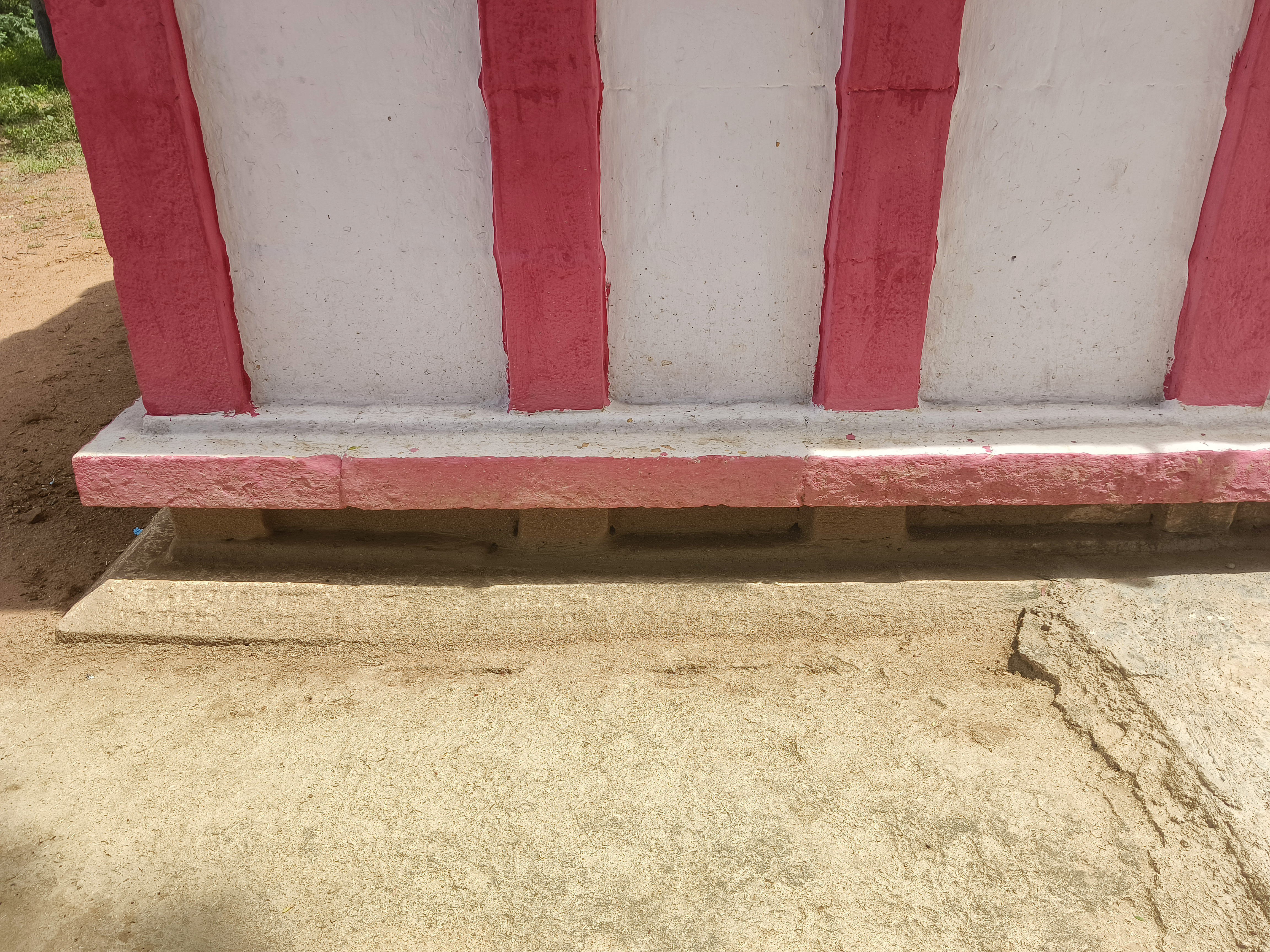
இக்கோயிலில் நான்கு தமிழ் கல்வெட்டுகள் உள்ளன. அவற்றில் கொடுக்கப்பட்டுள்ள தகவல்கள் பின்வருமாறு:
1. பொது ஆண்டு 13ஆம் நூற்றாண்டில் வெட்டப்பட்ட குலசேகர பாண்டியன் கல்வெட்டில், இராஜேந்திரச்சோழர் சதுர்வேதிமங்கலத்து உத்தமசோழ விண்ணகர எம்பெருமானுக்குத் திருவிடையாட்டமாக அம்பவேலி என்ற குளமும் பனங்குளத்துப் பெருநான்கெல்லைக்கு உட்பட்ட நிலமும் அளிக்கப்பட்டன. இதற்குரிய கடமை அந்தராயம் முதலிய வரிகள் எம்பெருமானுக்குச் செலுத்தும்படி செய்யப்பட்டதைக் கூறுகிறது.
2. பொது ஆண்டு 1213ல் வெட்டப்பட்ட குலசேகரன் கல்வெட்டு, மதுரையில் இருந்த குலசேகரன் மடிகையை (வணிகப் பகுதி) சார்ந்த தில்லையழகன் என்ற வியாபாரி உத்தமசோழ விண்ணகர ஆழ்வாருக்காக விலை கொண்டு அனுபவித்து வந்த நிலம் தொடர்பான சிக்கலையும் அது நீக்கப்பட்டதையும் கூறுகிறது.
3. பொது ஆண்டு 1226ல் வெட்டப்பட்ட மாறவர்மன் சுந்தரபாண்டியன் கல்வெட்டு, தென்பறப்பு நாட்டுப் பிரமதேயம் இராசேந்திரச்சோழச் சதுர்வேதிமங்கலத்து நடுவில் திருமுற்றம் உத்தமசோழ விண்ணகர எம்பெருமான் கோயில் பெருமான் அமுது செய்தருளவும் பரதேசிகளுக்குப் பிரசாதம் அளிக்கவும் இவ்வூர் பிடாகை தாமோதரமங்கலத்தில் ஒரு மா நிலம் அளிக்கப்பட்டது. இவ்வூரைச் சார்ந்த திருவெள்ளறை பட்டன் உய்யவந்தானான சுந்தரபாண்டிய பிரமாதிராசன் இதனை அளித்துள்ளான். இது குறித்து அரச ஆணையைக் களவழி நாடாழ்வான் ஓலையாகக் கோயில் நிருவாகத்தினருக்கு அனுப்பி வைத்ததை இக்கல்வெட்டுத் தெரிவிக்கிறது.
4. மற்றொரு பொது ஆண்டு 13ஆம் நூற்றாண்டில் வெட்டப்பட்ட கல்வெட்டில், தென்பறப்பு நாட்டு பிரம்மதேயம் இராசேந்திரசோழச் சதுர்வேதிமங்கலத்துச் சபையார்க்குத் தரப்பட்ட அரசு ஆணை இது, என்று உள்ளது. இப்பிரமதேயத்துப் பிடாகையில் இருந்த நிலங்களின் வரிகள் தவிர்க்கப்பட்டு அவை தரப்பட்ட திருமாலிருஞ்சோலையில் உள்ள திருவாழி (சக்கரத்தாழ்வார்) ஆழ்வார்க்கு அமுதுபடிக்காக அளிக்கப்பட்டுள்ளது. இத்திருவாழியாழ்வாரை துஞ்சலூருடையான் எழுந்தருவித்தாகக் கூறுகிறது.
சிற்பங்கள்
மூலவர் சிற்பம், சுதை மற்றும் செங்கல் சிற்பங்கள் உள்ளன.
தல வரலாறு / கதைகள்
ஆமூரிலுள்ள இப்பிற்காலப்பாண்டியர் சிவன்கோயிலை முதலாம் சடையவர்மன் குலசேகர பாண்டியன் காலத்தில் தென்னிந்தியாவில் புகழ்பெற்று விளங்கிய திசையாயிரத்து ஐஞ்ஞூற்றுவர் என்ற வணிகர் குழுவினர் கட்டியுள்ளனர். தக்கணப்பிரதேசத்தில் அய்ஹோளே என்று அழைக்கப் பட்ட ஊரில் இக்குழுவினர் இருந்துள்ளனர். அங்கிருந்து பலவிடங்களுக்கும் சென்றுள்ளனர். அய்ஹோளே என்பதே அய்யப்பொழில் என்று பெயரிடப்பட்டிருக்கிறது. கல்வெட்டுகளில் ஆமூர் ‘நல்லணி ஆமூர்' என்று குறிப்பிடப்படுகிறது.
கோயில் அமைப்பு
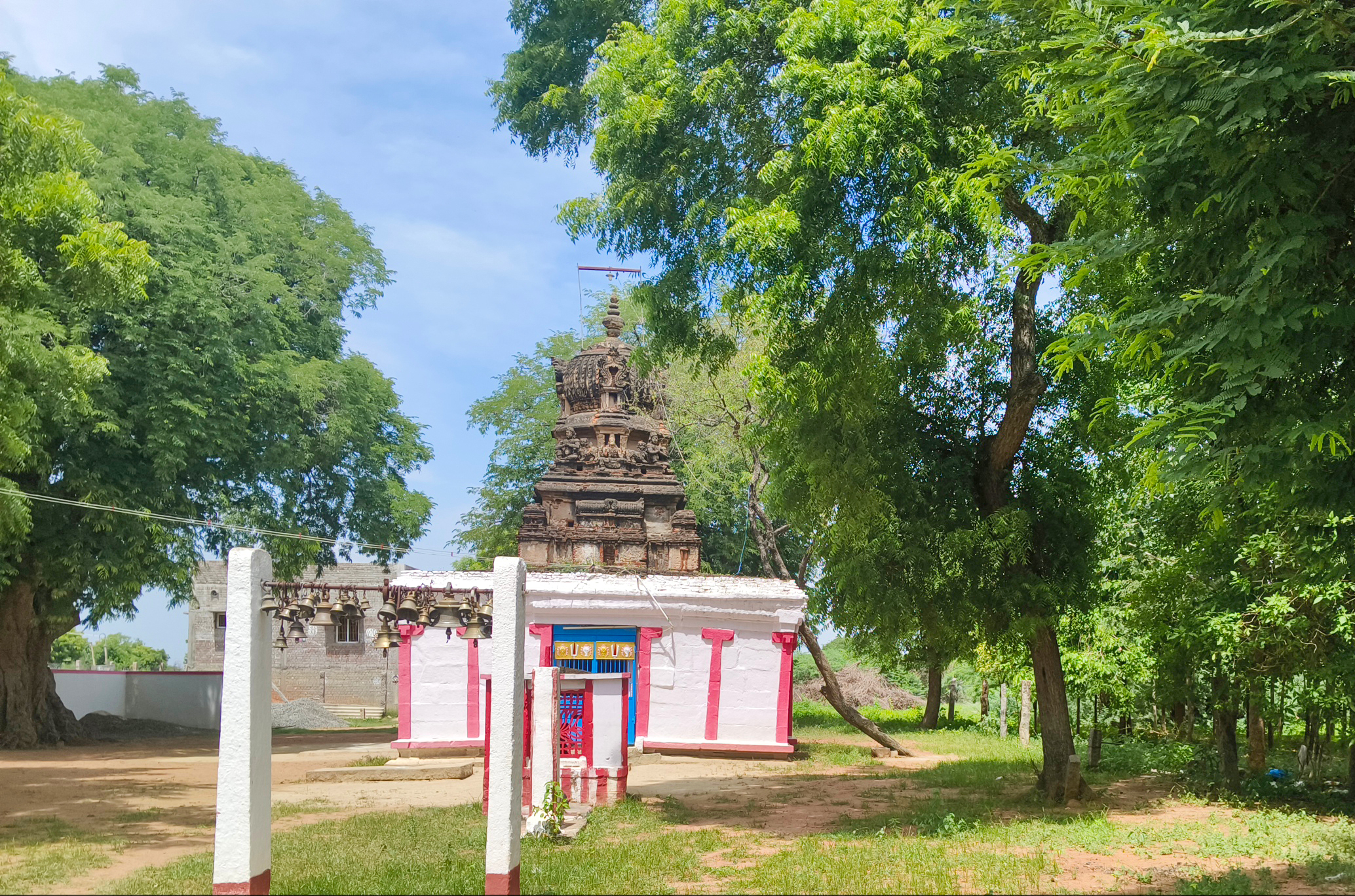
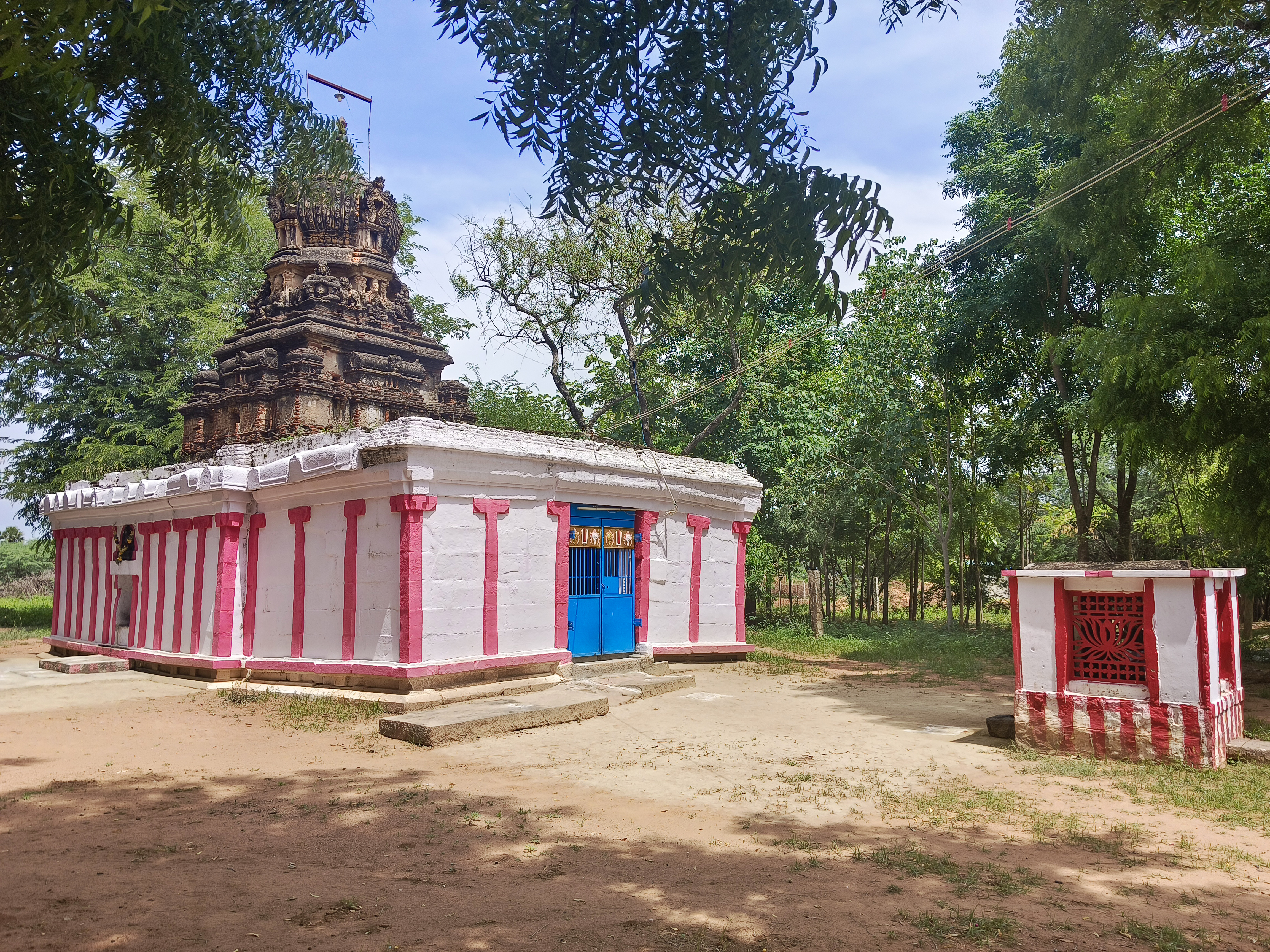
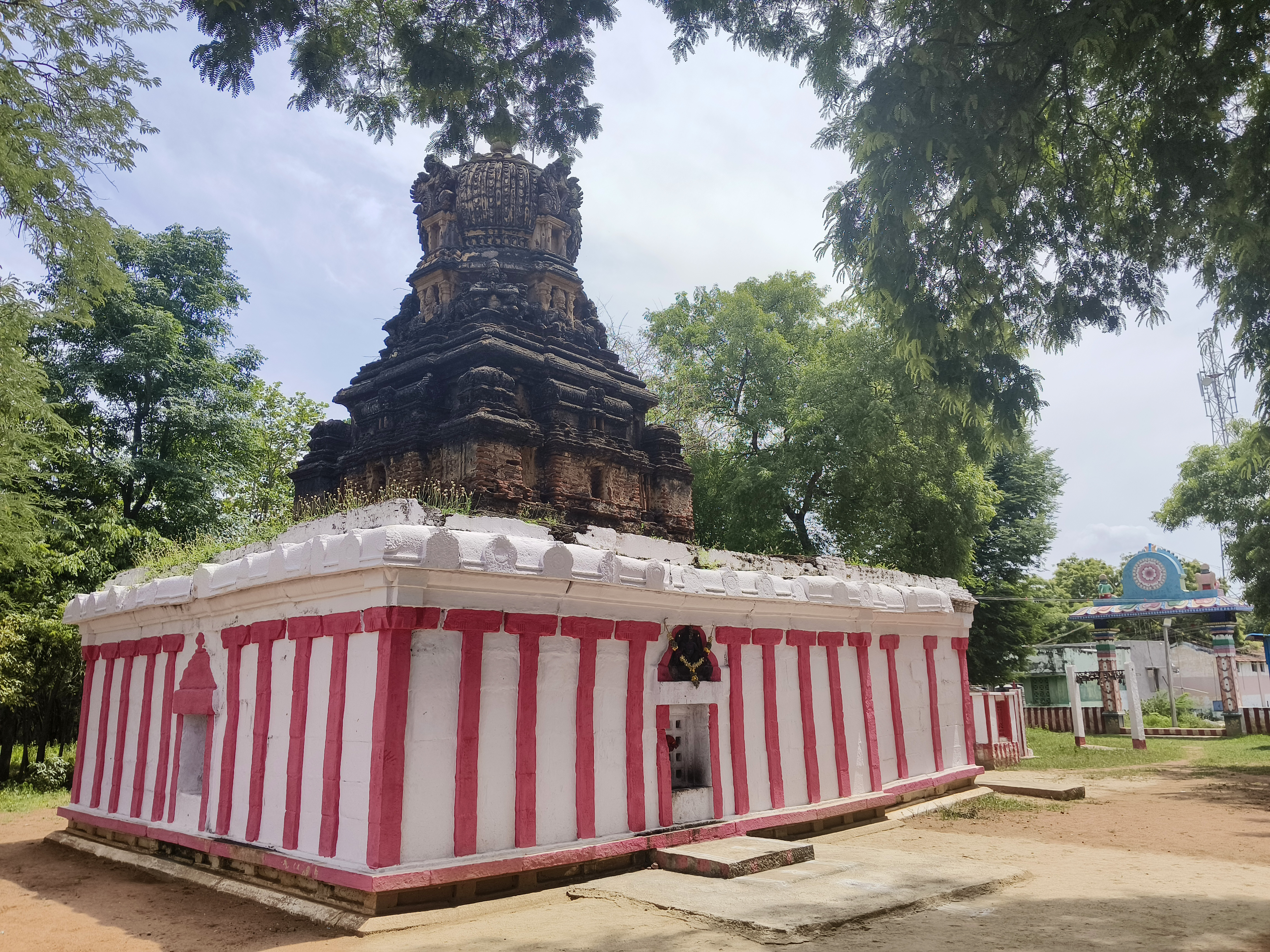
விமானத்துடன் கூடிய கருவறை மற்றும் முன்மண்டபம் உள்ளது.
கூடுதல் விவரங்கள்
இக்கோயிலின் அதிட்டானம் முதல் பிரஸ்தரப் பகுதி வரை கல்லால் கட்டப்பட்டுள்ளது. விமானப் பகுதி செங்கல்லால் எழுப்பப் பட்டிருக்கிறது. கருவறையின் வெளிப்பகுதியில் தேவகோட்டங்கள் இருக்க வேண்டிய இடத்தில் ஜன்னல்கள் அமைக்கப்பட்டுள்ளன. கல்வெட்டுகள் பொறிக்கப்பட்டுள்ள முப்பட்டைக் குமுதப் பகுதி மண்ணுக்குள் புதைந்த நிலையில் காணப்படுகிறது
Festivals details
Monthly and annual festivals are held.
Inscription / Copper
There are four Tamil inscriptions in this temple. The information given in them is as follows:
1. In the inscription of Kulasekara Pandya inscribed in the 13th century CE, a pond named Ambavēli and the land which is included in the four main boundaries of Panankulam were donated to the god Vishnu, the chief deity of this temple, who is refered to as Uttamachola Vinnagara Emperuman of Rajendrachola Chaturvedimangalam. It also states that the taxes such as Kadamai and Antarāyam were to be paid to this temple.
2. The inscription of Kulasekhara Pandya, inscribed in the year 1213 CE, mentions a dispute regarding a piece of land that was being enjoyed by a merchant named Thillayazhagan, who was associated with the Kulasekaran Madigai (a commercial area) in Madurai. The inscription also states that the issue had been resolved.
3. This is an inscription of Maravarman Sundarapandya issued in 1226 CE. This registers the gift of one ma (a historical land measurement unit) extent of land at the hamlet Dhamodharamangalam for food offerings (amudhu) for the god of this temple and to provide blessed food (prasadam) to the devotees who came from afar to this Uththama Chola Vinnagara Emperuman temple which was situated in Rajendra Chola chatur-vadimangalam a brahmadéya at Thenparappunadu. This was given by Thiruvellarai Pattan Uyyavanthān alias Sundara Pandiya Bramādirāsan, who was a resident of this village. This inscription also states that the royal decree regarding this was sent to the temple administration as a palm leaf manuscript by Kalavazhi Nādāzhvān.
4. This inscription was inscribed in 13th century CE. It is a royal order sent to the village assembly (sabha) of Rajendrachola chaturvedimangalam a brahmadeya of Thenparappunadu. All the taxes collected from the pidāgai of this brahmadeya were excempted and donated for the food offering expenditure of the Chakrathāzhvār shrine at Thirumālirunchōlai (Alagarkoil) by one Thunjalūrudaiyān.
Sculptures
There is an idol of the chief deity and other stucco and brick sculptures.
Architecture
There is a sanctum with a vimana and a mukhamandapa.
Additional Information
The temple is built of stone from the adhisthana (base) to the prastara (wall portion). The vimana is built of bricks. Windows have been placed on the outside of the sanctum instead of niches (devakoshthas). The Muppattai Kumuda portion, where the inscriptions are engraved, is found buried in the soil.
தகவல்
முனைவர் மருதுபாண்டியன்
Details
Dr. M. Marudhu Pandiyan
குறிப்புகள்
மதுரை மாவட்ட கல்வெட்டுகள் தொகுதி 1 பக்கம்-182-191.
அருகிலுள்ள வரலாற்றுச் சின்னங்கள்
திருவாதவூர் திருவாப்புடையார் கோயில்
Nearby Monuments
Thiruvappudaiyar Temple at Thiruvathavur.
செல்லும் வழி
மதுரையிலிருந்து திருவாதவூர். அங்கிருந்து கொட்டக்குடி. கொட்டக்குடியிலிருந்து மேற்கு நோக்கி பயணம் செய்தால் இக்கோயிலை அடையலாம்.
Directions
Travel from Madurai to Thiruvathavur. From there, proceed to Kottakudi. The temple can be reached by heading west from Kottakudi.