கோயிலில் நாள்தோறும் காலை, இரவு என இரண்டு காலப் பூசைகள் நடைபெறுகின்றன.
திருவிழாக்கள் விவரங்கள்
ஆண்டுதோறும் ஐப்பசி மாதம் நடைபெறும் நவராத்திரி விழாவே இக்கோயிலின் முக்கியமான திருவிழாவாகும். இதைத் தவிரப் பங்குனி மாதம் அருப்புக்கோட்டையில் நடைபெறும் மாரியம்மன் கோயில் திருவிழாவின் போது இக்கோயிலுக்கு அதிகமான பக்தர்கள் வருகிறார்கள்.
வழிபாட்டுச் சடங்குகள் / முறைகள்
இங்குக் குழந்தைக்குப் பெயரிடுதல், அக்கினிச் சட்டி எடுத்தல், பிள்ளை கொடுத்து வாங்குதல் உள்ளிட்ட வழிபாட்டுச் சடங்குகள் மேற்கொள்ளப்படுகின்றன. வாழவந்த அம்மனுக்கு மாசி மாதம் கடைசிச் சனிக்கிழமையன்று கிடாய் வெட்டி நடுச்சாமப் பூசை நடைபெறுகிறது. இதில் கோயிலின் பூசாரி வகையறாக்கள் மட்டுமே கலந்து கொள்கின்றனர்.
காலம்/ ஆட்சியர்
நாயக்கர் காலம்
கல்வெட்டு / செப்பேடு
அருப்புக்கோட்டைக் கல்வெட்டுகளில் இவ்வூர் 'செங்காட்டிருக்கை இடத்துவழி” என்று குறிப்பிடப்படுகின்றது. மற்றொரு கல்வெட்டில் இவ்வூர் “வெண்பில் அல்லது வெண்புல் நாட்டுப் பிரிவில் இருந்துள்ளமை வெளிப்படுகிறது. இக்கோயிலில் உள்ள கல்வெட்டுகள், பொது ஆண்டு 13ஆம் நூற்றாண்டில் திருவாலவாயுடையான் சோழகங்கன் இக்கோயிலை எடுத்தது பற்றியும் அதற்குப் பதினாறுசாண்கோலால் நிலம் அளந்து வழங்கப்பட்டதையும் தெரிவிக்கின்றன. மற்றொரு கல்வெட்டு சோழகங்கத்தேவன் என்பவன் செங்காட்டிருக்கை
இடத்துவெளியில் பெருமாள்கோயில் ஒன்றினை எடுத்தது பற்றிக் கூறுகிறது. மற்றொரு கல்வெட்டு இக்கோயிலில் திருவிளக்கு எரிப்பதற்காக நிலக்கொடை அளித்ததைத் தெரிவிக்கிறது.
சிற்பங்கள்
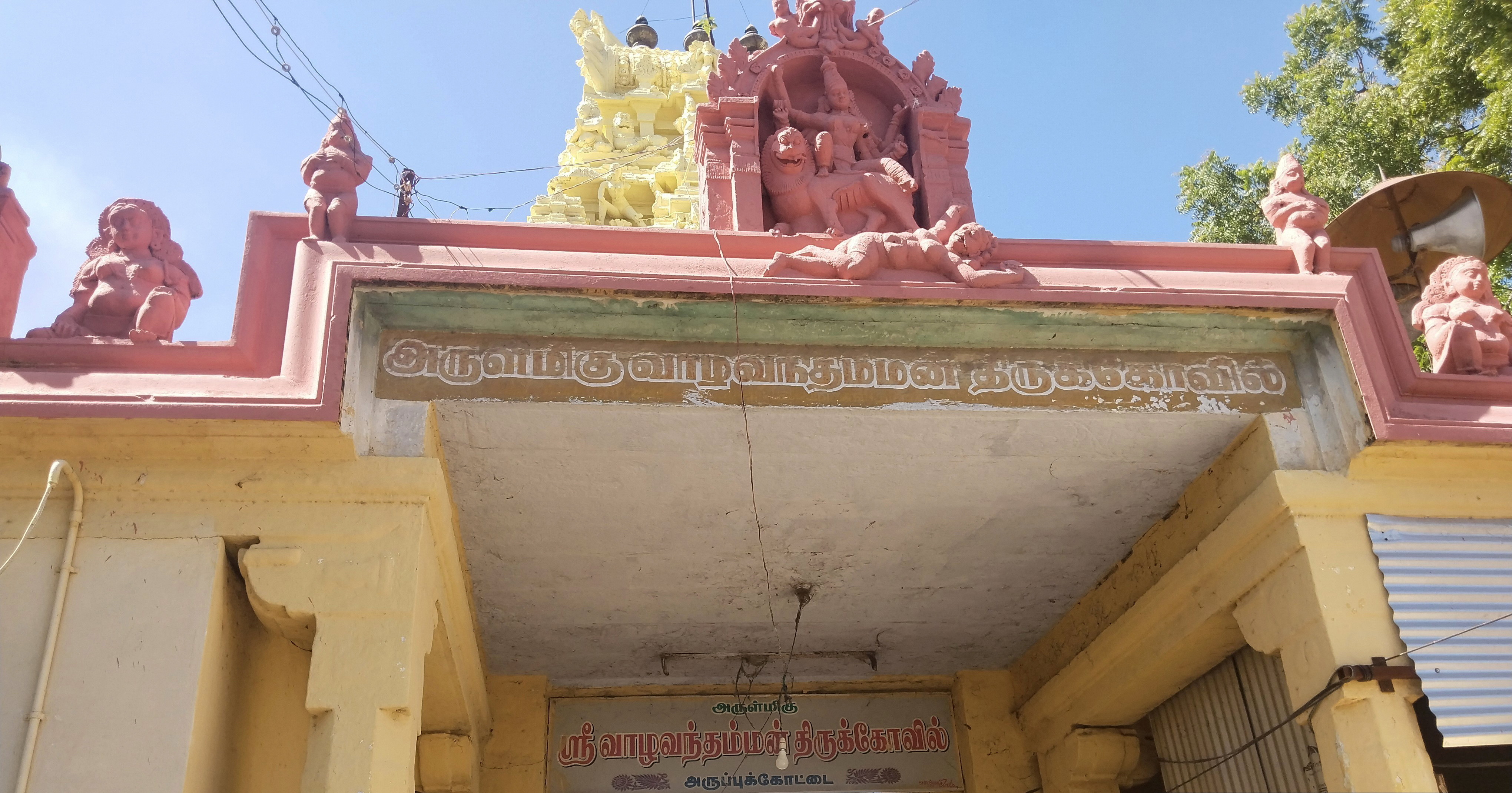
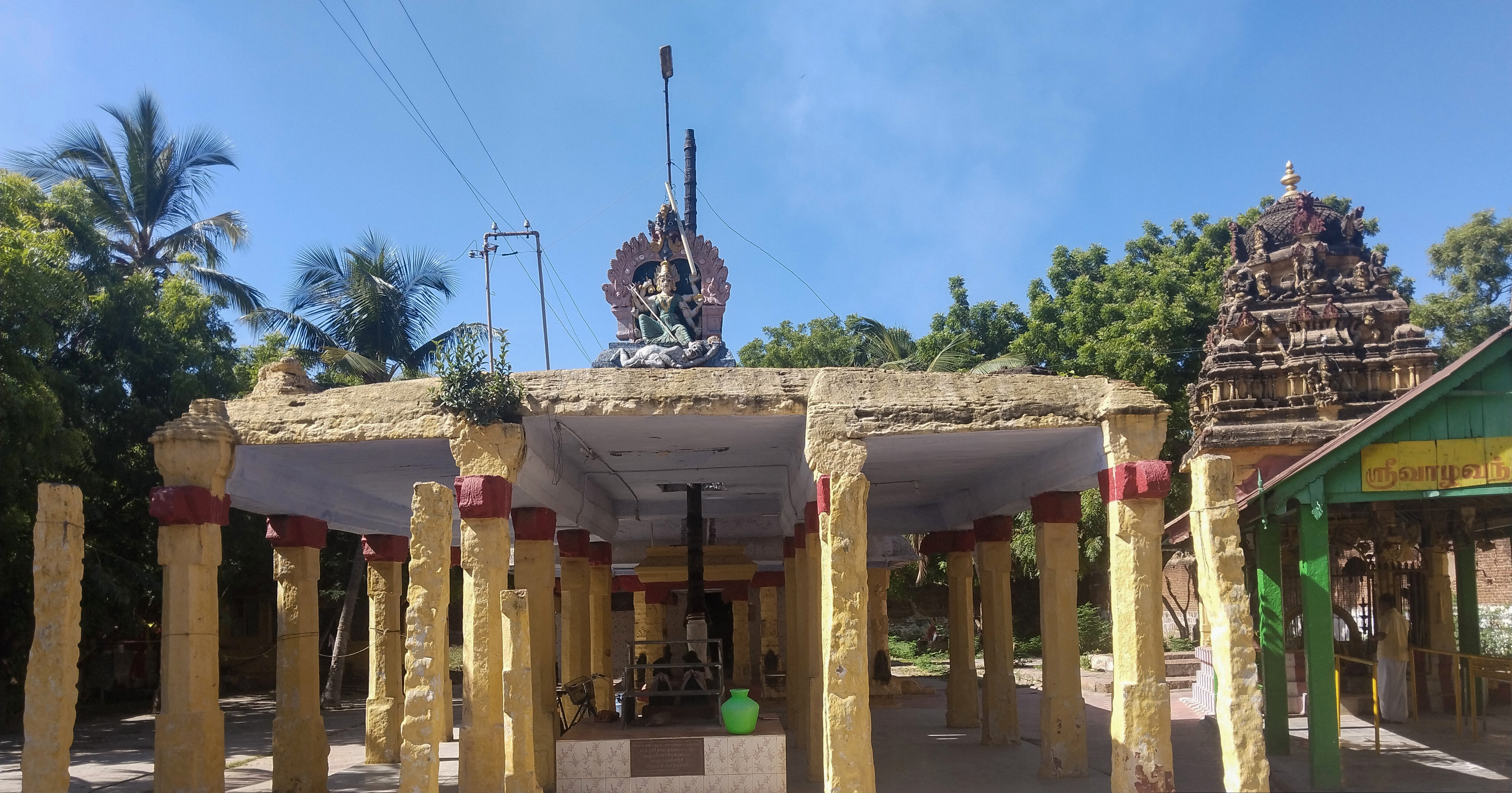
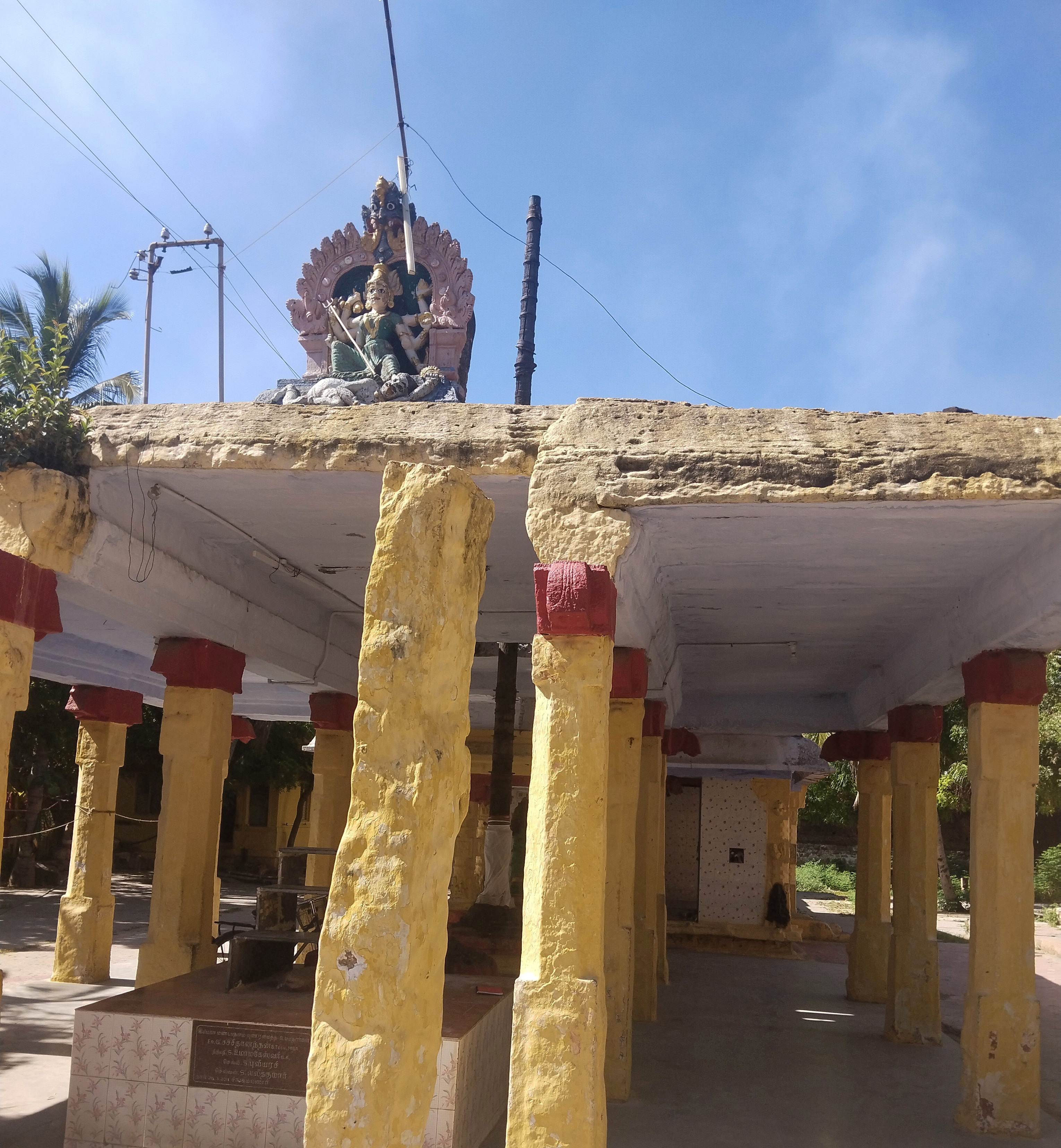
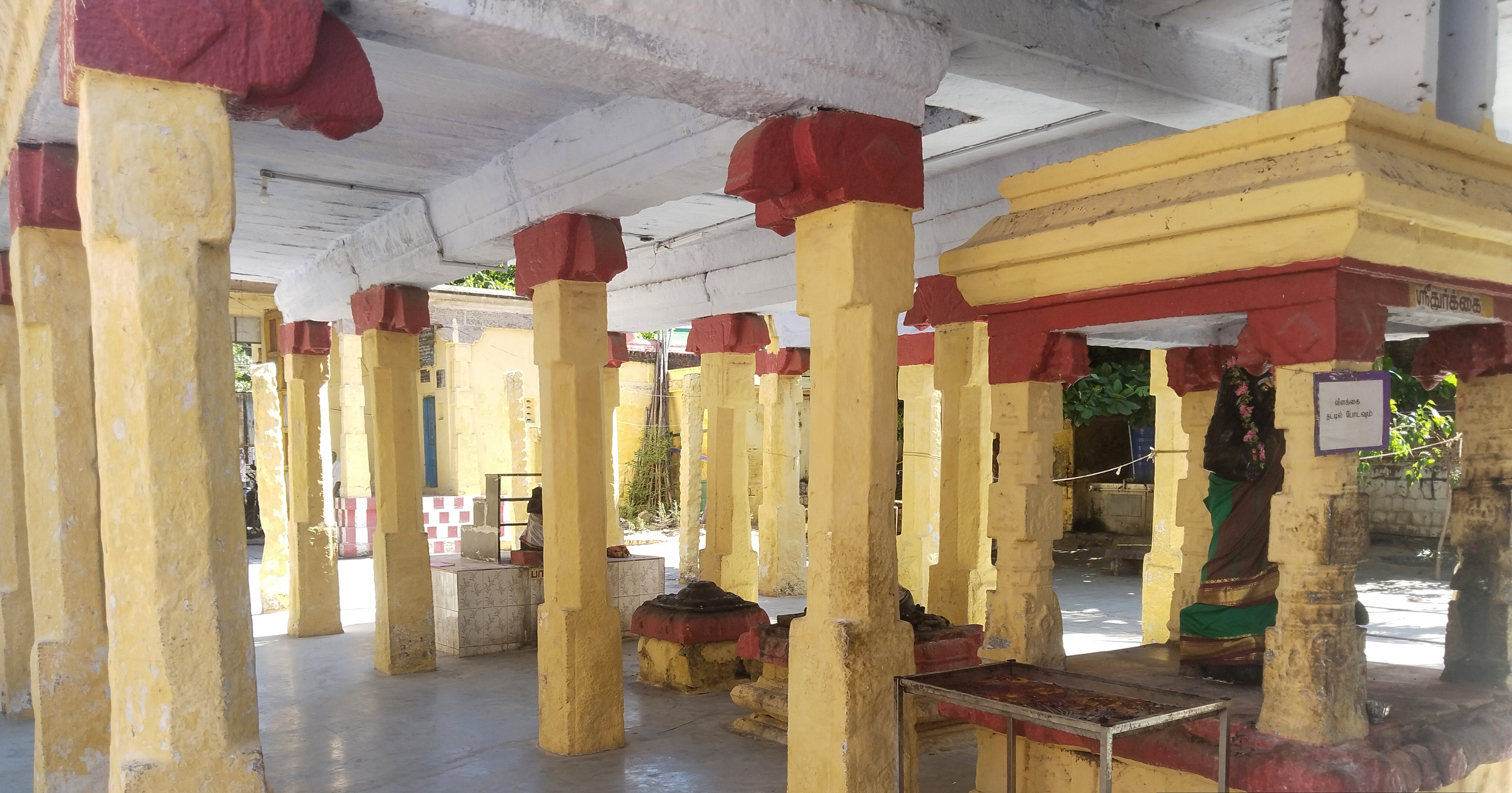
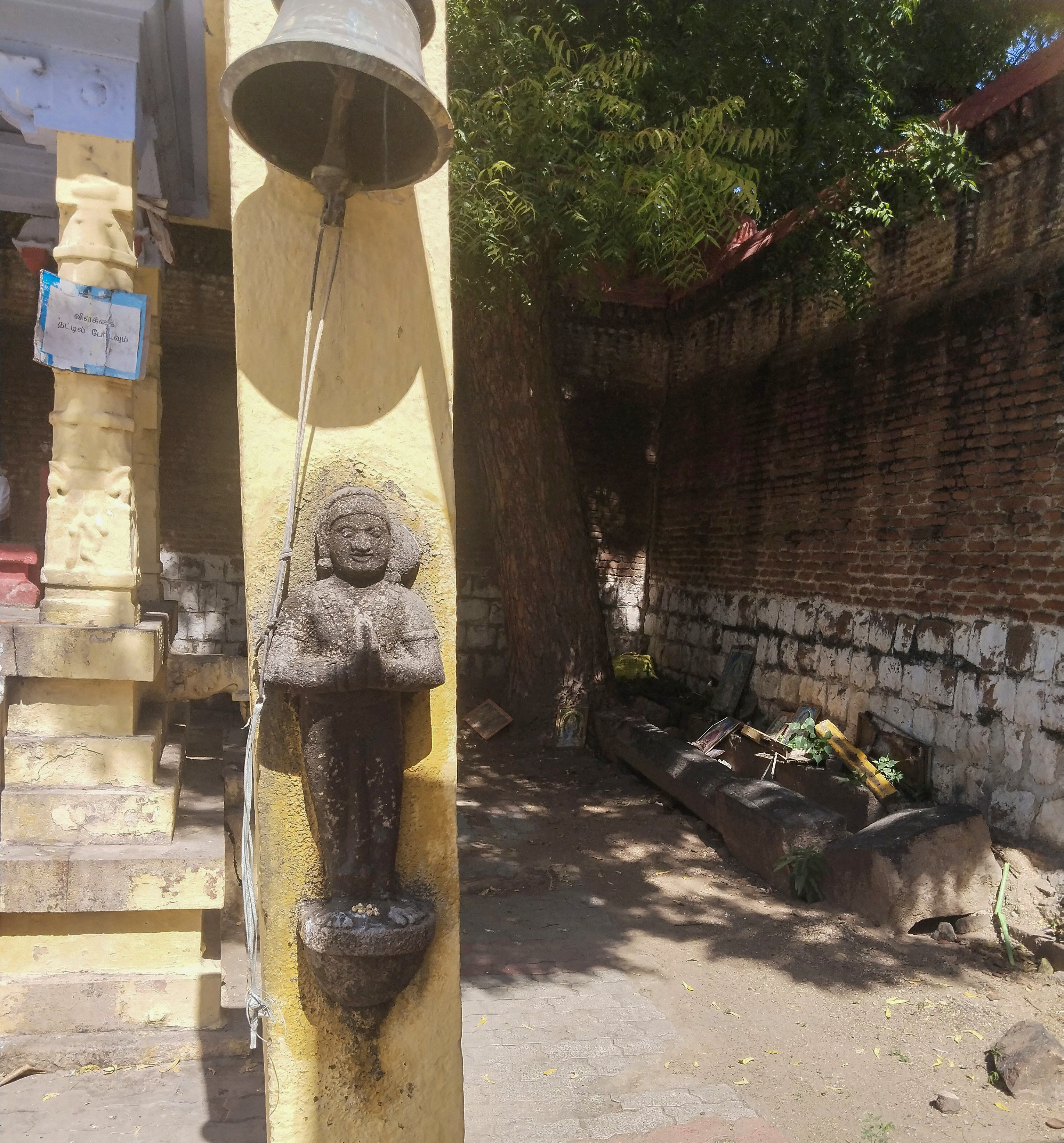
நாகர், விநாயகர் மற்றும் நந்தியின் கற்சிற்பங்களும் துர்க்கையின் சுதைச் சிற்பமும் இடம்பெற்றுள்ளன.
தல வரலாறு / கதைகள்
இவ்வூர் மக்களின் வாய்மொழி வழக்காற்றுப் படி வெளியூரிலிருந்து அருப்புக்கோட்டைக்குப் பஞ்சம் பிழைக்க வருபவர்கள், இந்த அம்மனை வேண்டினால் அம்மன் அவர்களை வாழவைப்பாள் என்று நம்புகின்றனர். அருப்புக்கோட்டையை நம்பி வரும் மக்களுக்கு வாழ்வளிக்கும் அம்மன் என்று அழைக்கப்பட்டதால் ’வாழ வந்த அம்மன்’ எனப் பெயர் பெற்றாள்.
கோயில் அமைப்பு
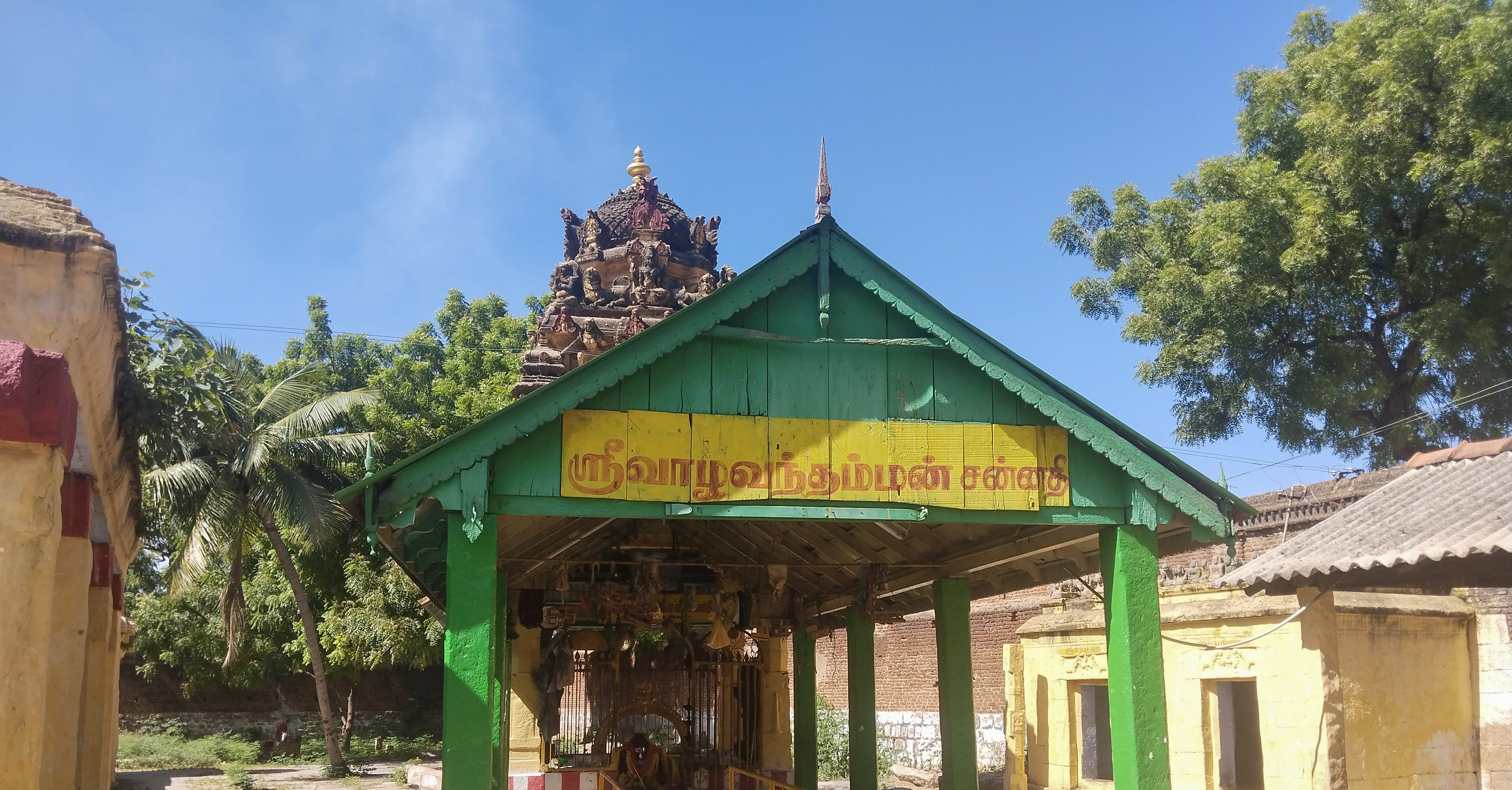
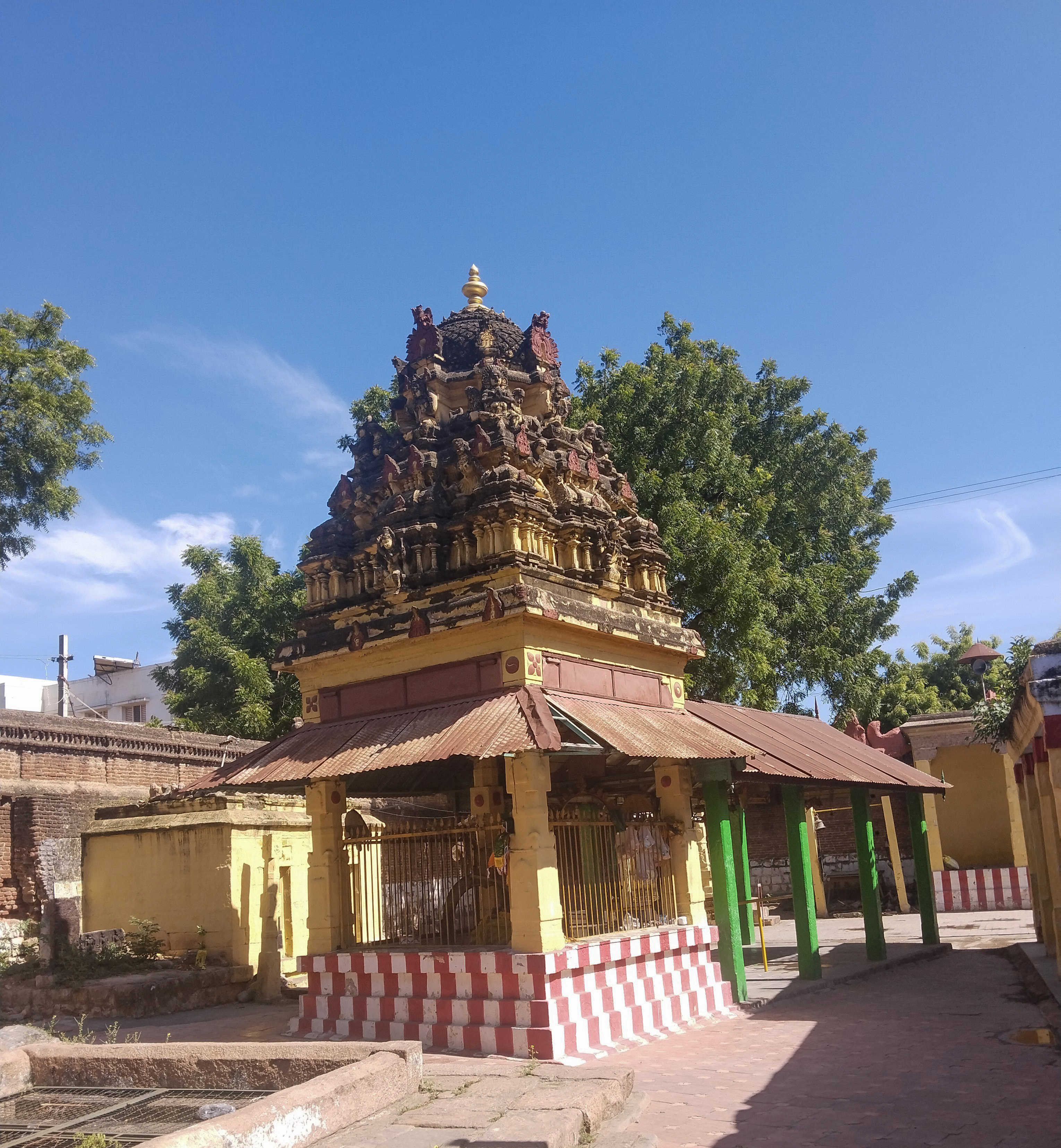
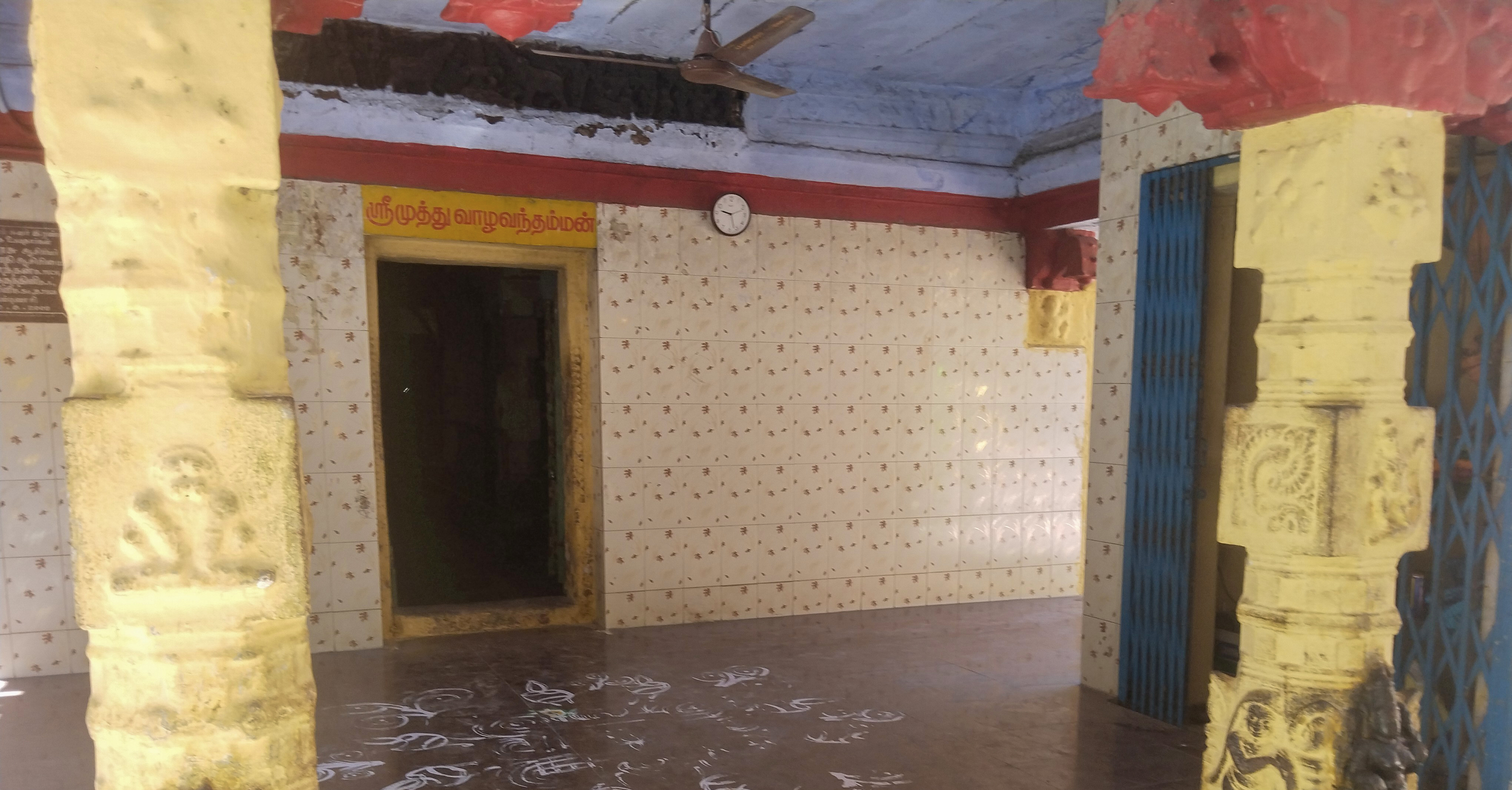
கோயிலில் கருவறை, அர்த்தமண்டபம், முன் மண்டபம் மற்றும் மகா மண்டபம் அமைந்துள்ளது. கோயிலின் மகா மண்டபத்தை நாயக்கர் காலத் தூண்கள் அலங்கரிக்கின்றன. வாழவந்த அம்மன், செல்வ விநாயகர் மற்றும் நாகர் ஆகியோருக்குத் தனிச் சந்நிதிகள் உள்ளன.
சுருக்கம்
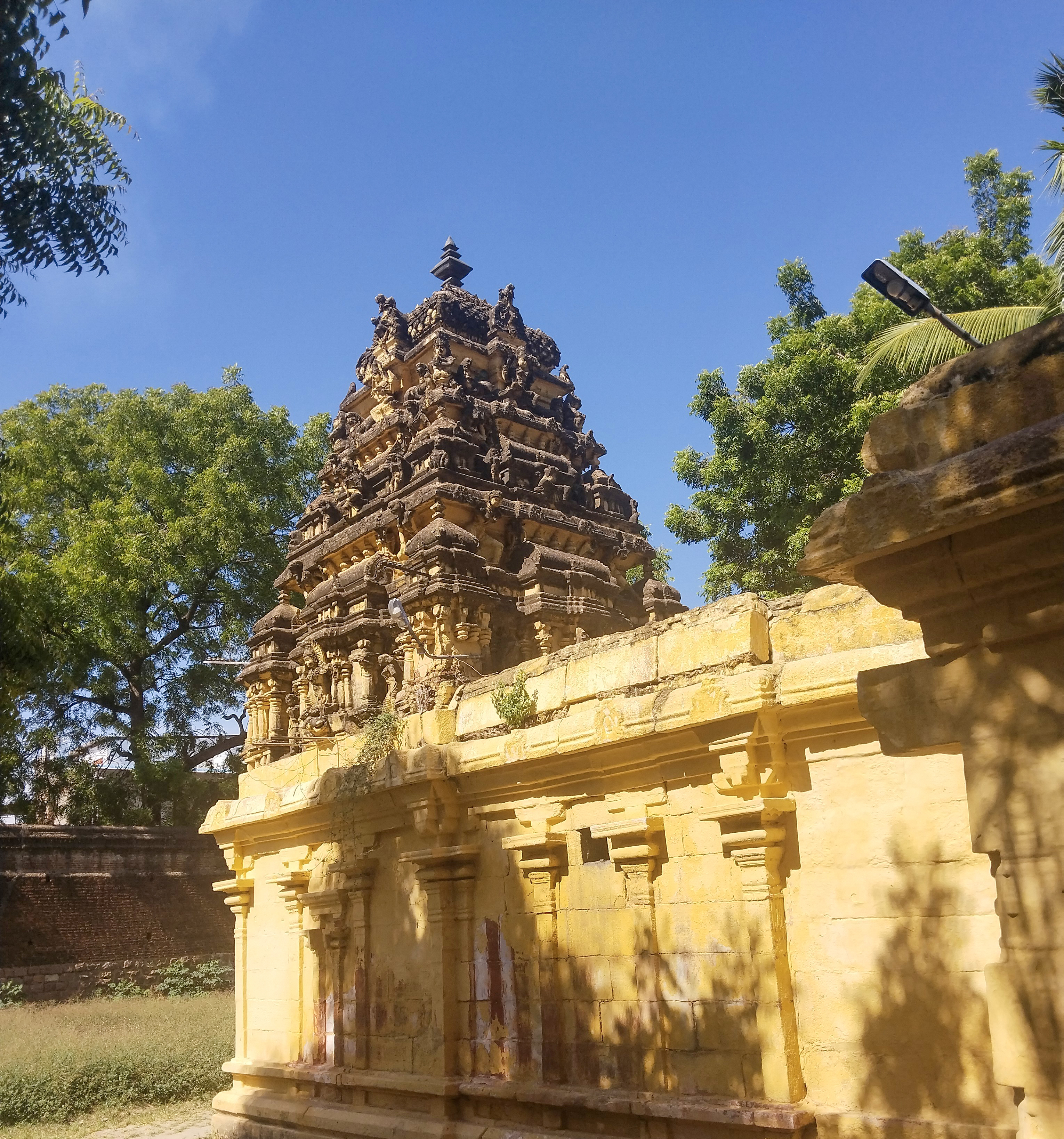
நாயக்கர்காலக் கட்டமைப்பு மற்றும் தூண்களைக் கொண்ட இக்கோயில், அம்மனுக்காக எழுப்பப்பட்டுள்ளது. கருவறையின் மேல் இரண்டுதள விமானமுள்ளது. கருவறையில் முத்து வாழவந்த அம்மனும், அதன் அருகில் தனிச் சந்நிதியில் வாழவந்த அம்மனும் அமைக்கப்பட்டுள்ளனர். இக்கோயில் கருவறை விமானத்தின் ஒவ்வொரு தளத்தையும் தாங்கிநிற்பதுபோலப் பல மனித உருவங்கள் காட்டப்பட்டிருப்பது சிறப்பாக உள்ளது.
Name of the Chief deity
Vaazhavantha Amman
Temple Tree
Neem
Worship Timings
In the temple, two daily rituals are performed – one in the morning and one in the evening.
Festivals details
The annual Navaratri festival held in the Tamil month of Aippasi is the main festival of this temple. In addition, during the Mariamman temple festival held in Aruppukottai in the month of Panguni, a large number of devotees visit this temple.
Rituals of worship / Methods
Here, worship rituals such as naming ceremonies for children, taking the Agni Chatti (fire pot), and giving and receiving children are performed. For Vaazhavantha Amman, on the last Saturday of the month of Maasi, a ritual called Kidai Vetti Naduchcham Pooja is conducted, in which only the temple priests participate.
Inscription / Copper
In the inscriptions of Aruppukottai, this village is referred to as “Sengattirukkai Idaththu Vazhi.” Another inscription reveals that this village belonged to the region of “Venbil” or “Venpul Nadu.” The inscriptions in this temple mention that during the Common Era 13th century, Thirualavayudaiyan Chozhagangan built this temple and granted land measuring sixteen *sankol* units. Another inscription states that a person named Chozhagankathevan constructed a Perumal temple in the Idaththuveli of Sengattirukkai. Yet another inscription records a land donation for lighting the sacred lamp in this temple.
Sculptures
Stone sculptures of Nagar, Vinayakar, and Nandi, as well as a stucco sculpture of Durga, are also present.
Architecture
The temple has a sanctum, arthamandapam, front mandapam, and maha mandapam. The maha mandapam of the temple is decorated with Nayak period pillars. Separate shrines are present for Vaazhvantha Amman, Selva Vinayakar, and Nagar.
Summary
This temple, built during the Nayak period with characteristic structures and pillars, is dedicated to the goddess. A two-tiered vimana stands above the sanctum. Inside the sanctum is the image of Muthu Vazhavantha Amman, and nearby, in a separate shrine, is Vazhavantha Amman. A unique feature of this temple is the depiction of numerous human figures appearing to support each tier of the sanctum's vimana.
தகவல்
முனைவர் செல்லப்பாண்டியன்
Details
Dr. C. Chellapandian
குறிப்புகள்
விருதுநகர்_மாவட்டக்_கல்வெட்டுகள்_தொகுதி_1 மற்றும் விருதுநகர் மாவட்ட வரலாறு
Reference
விருதுநகர்_மாவட்டக்_கல்வெட்டுகள்_தொகுதி_1 மற்றும் விருதுநகர் மாவட்ட வரலாறு
அருகிலுள்ள வரலாற்றுச் சின்னங்கள்
குறள் மணீஸ்வரர் கோயில் என்ற மீனாட்சி சொக்கநாதர் ஆலயம், அருப்புக்கோட்டை.
Nearby Monuments
Kural Maniswarar Temple, also known as Meenakshi Sokkanathar Temple, Aruppukottai.
செல்லும் வழி
அருப்புக்கோட்டையில் இருந்து திருச்சுழி செல்லும் சாலையில் அமைந்துள்ளது.
Directions
It is located on the road from Aruppukottai to Thiruchuzhi.