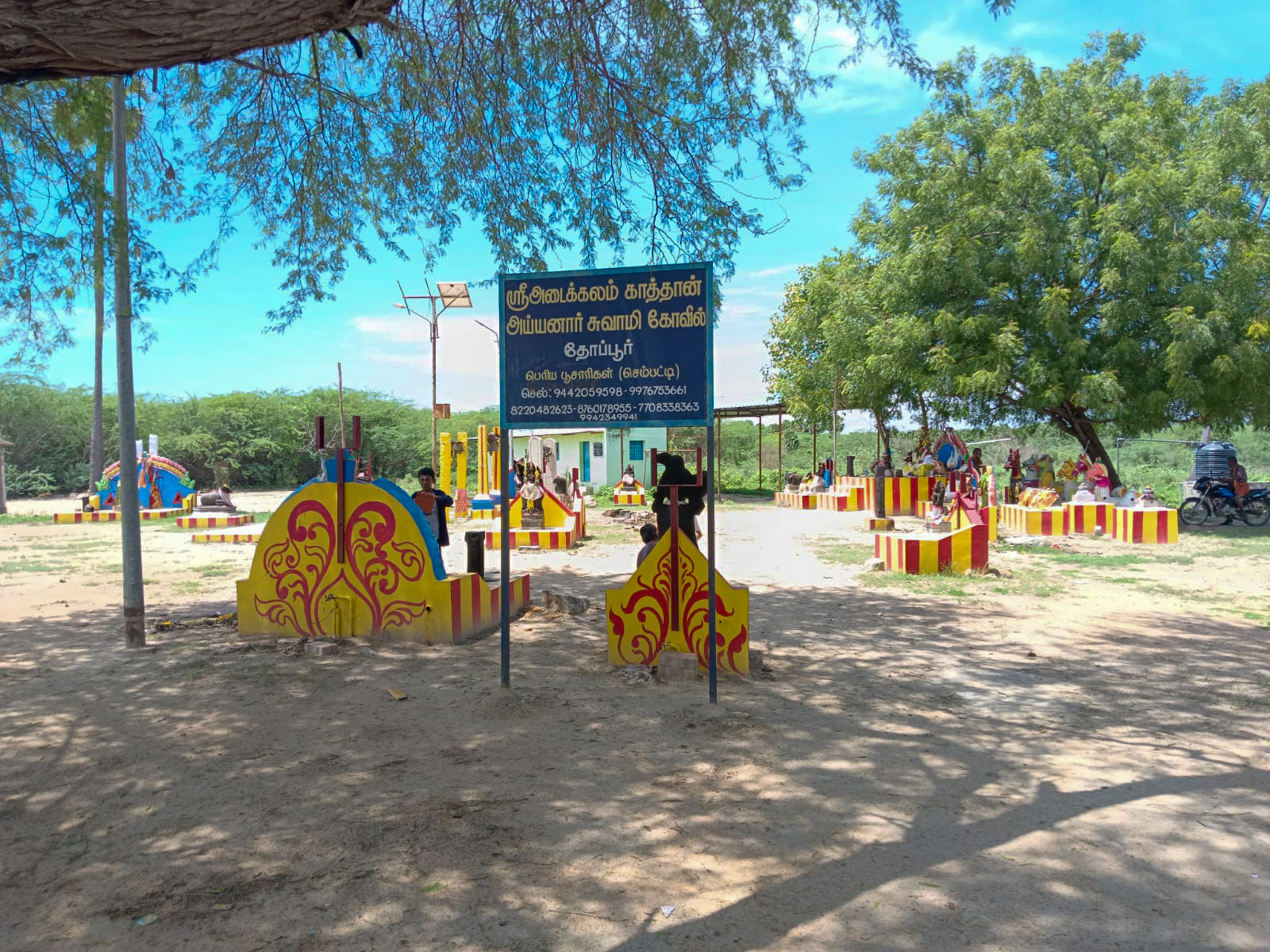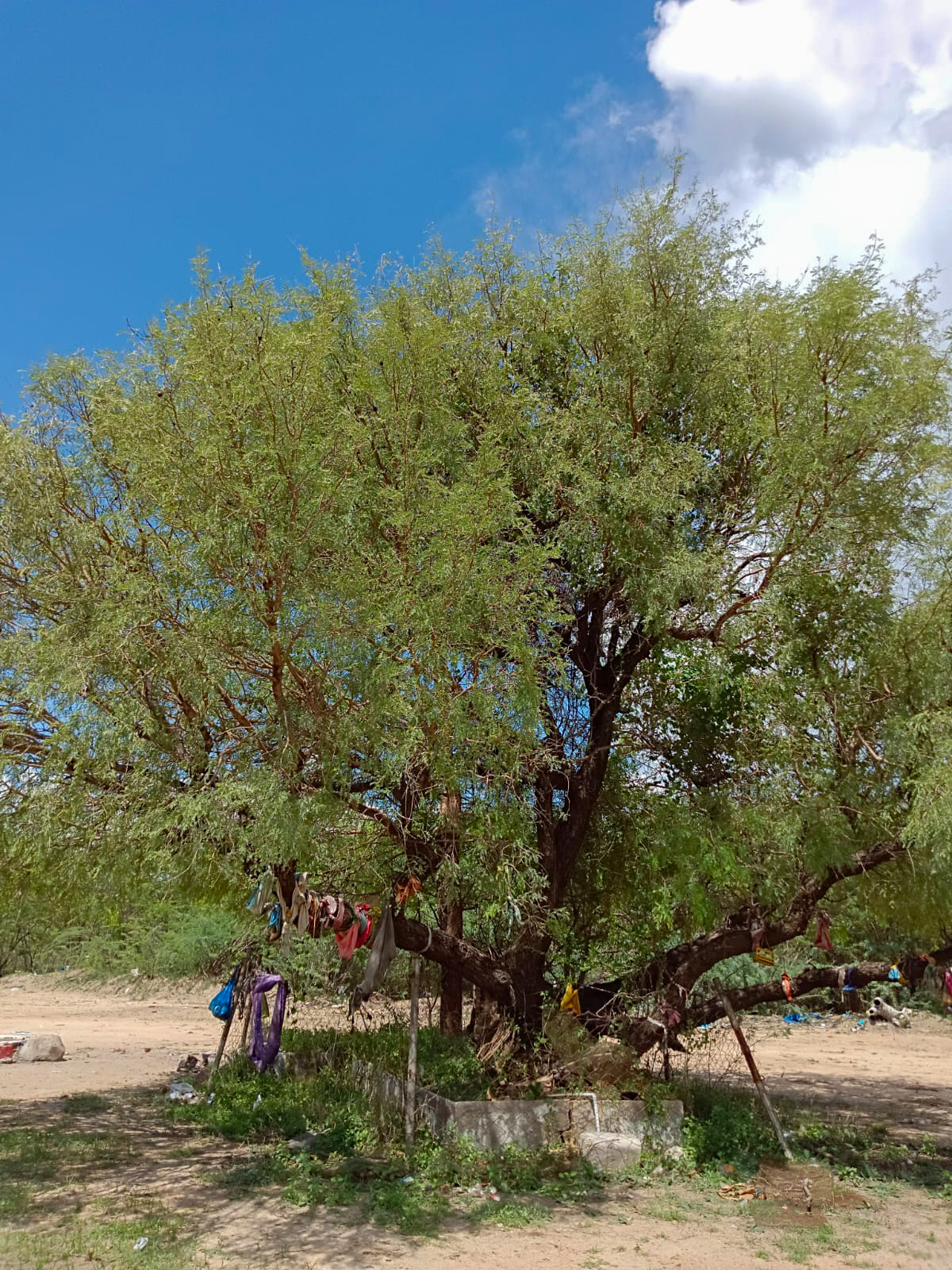
பிள்ளை வரம் வேண்டுபவர்களுக்கும், நீண்ட நாள் திருமணம் ஆகாதவர்களுக்கும் மற்ற வேண்டுதல்கள் அனைத்தையும் நிறைவேற்றுவதாக அடைக்கலம் காத்த அய்யனார் கோவிலை வழிபடக்கூடிய தோப்பூர், செம்பட்டி, பொய்யாங்குளம், கழுவனசேரி, சீமநத்தம், தர்மம், முள்ளிக்குடி, இருஞ்சிறை, பிடாரிசேரி, மினாக்குளம் போன்ற ஊர்களைச் சேர்ந்த மக்கள் நம்புகின்றனர்.
மூலவர் பெயர்
அய்யனார்
தல மரம்
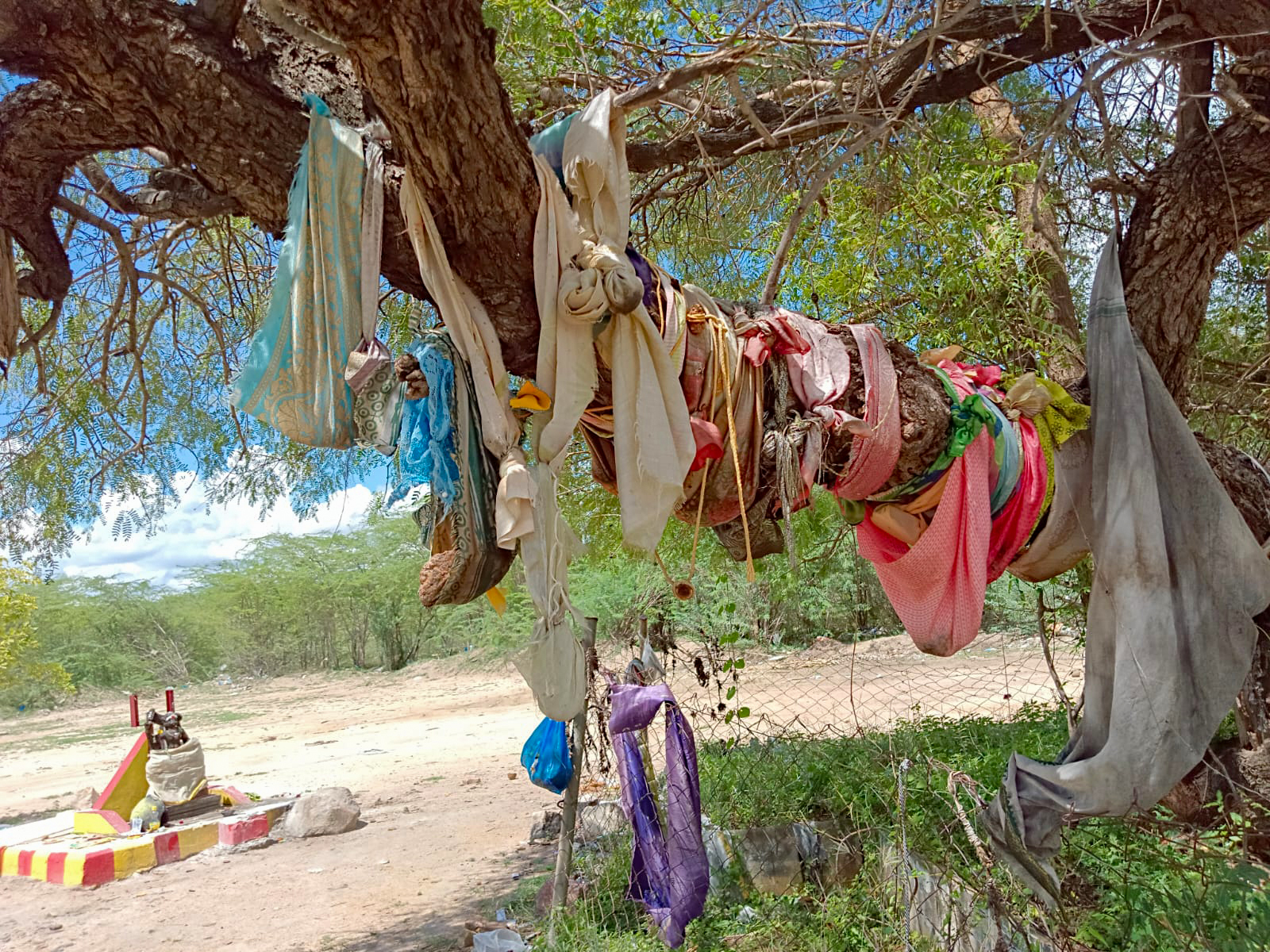
வன்னி மரம்
கோயில் குளம்/ஆறு
காட்டாறு
பூசைக்காலம்
குறிப்பிட்டு பூசை காலம் கிடையாது. பக்தர்கள் விரும்பிய நேரம் பூசாரிகள் பூசை செய்கின்றனர்.
திருவிழாக்கள் விவரங்கள்
மாசி மாதம் மூன்று நாட்கள் (பகல்-இரவு), சிவராத்திரிக்கு அடுத்த நாளான பாட்டுமன் தினத்தன்று மாசி களரித் திருவிழா நடைபெறும். (பாட்டுமன் என்பது அமாவாசைக்கு அடுத்த நாளான பிரதம திதி நாளை குறிக்கும் சொல்லாகும். கிராமங்களில் இச்சொல்லை பாட்டிமை, பாட்டுமன், பாட்டிமுகம் போன்ற பெயர்களில் அழைப்பதுண்டு). புரட்டாசி மாதம் ஒரு நாள் குதிரை எடுப்புத் திருவிழாவும் பகல் நேரத்தில் நடைபெறும்.
வழிபாட்டுச் சடங்குகள் / முறைகள்
இக்கோயில் வழிபாட்டில் வாழை இலை பயன்படுத்துவதில்லை. குறிப்பாக எருக்க இலையை பயன்படுத்துகின்றனர். மாசி மாதம் பிறந்தவுடன் செம்பட்டி, பொய்யான்குளம், சீமநத்தம், கழுவனசேரி ஆகிய நான்கு கிராமத்திலும் உள்ள பூசாரிகள் காப்பு கட்டி விரதத்தை தொடங்குகின்றனர். அதனைத் தொடர்ந்து தோப்பூர், முள்ளிக்குடி, தர்மம், மினாக்குளம், இருஞ்சிறை போன்ற ஊர்களில், இக்கோயிலை குலதெய்வமாக வழிபடக்கூடிய கிராமத்தினரும் காப்பு கட்டி விரதம் இருக்க தொடங்குகின்றனர். இறைச்சி உண்ணாமல், இருவேளை உணவு மட்டும் உண்டு விரதம் கடைபிடிக்கின்றனர்.
பிள்ளை பேரு வேண்டுபவர்கள் இக்கோயில் தல மரமான வன்னி மரத்தில் தொட்டில் கட்டியும், திருமணமாகாதவர்கள் மஞ்சள் கயிறையும், மஞ்சளையும் இம்மரத்தில் கட்டி வேண்டிக்கொள்கிறார்கள். வேண்டுதல் நிறைவேறிய பிறகு வரும் மாசி களரியில் இக்கோயிலில் கிடாயினை (ஆடு) பலியிட்டு நேர்த்திக்கடனை செலுத்துகிறார்கள். இரவில் பலியிடப்பட்ட ஆட்டு ஈரல்கள் அனைத்தையும் எடுத்து உப்பில்லாமல் சமைத்து அதனை பரிவார தெய்வங்களுக்கும் நடுகற்களூக்கும் படைக்கின்றனர். பலியிடப்பட்ட ஆடுகளின் இறைச்சியை ஊர் பொதுமக்களுக்கு அன்னதானமாக சமைத்து வழங்குகிறார்கள். இந்த கோயிலில் அய்யனாருக்கு பலி கொடுப்பதில்லை. ஆனால் இங்கு காணப்படும் பரிவார தெய்வங்களான இருளாயி இருளப்பன் போன்ற தெய்வங்களுக்கு கிடாவையும், சேவலையும் பலி கொடுக்கின்றனர். இதை திரை மறைவில் நிகழ்த்துகின்றனர். இப்பலியில், நரிக்குடி அருகே உள்ள தர்மம் என்ற கிராமத்தைச் சேர்ந்தவர்கள் ஊர் சார்பாக முதல் மரியாதையாக முதலில் பலியிடுவர். இரண்டாவது கிடாவை பிடாரிசேரி அருகே உள்ள முள்ளிக்குடி கிராமத்தைச் சேர்ந்தவர்கள் பலி கொடுக்கின்றனர். அதன் பிறகு மற்ற ஊர் மக்களின் கிடாய்களை பலியிடும் வழக்கத்தை கொண்டுள்ளனர். இக்கோயில் களரி செலவுகள் அனைத்தும் செம்பட்டியை சேர்ந்த பெரிய பூசாரிகள் கவனித்துக் கொள்கின்றனர். பலியிடும் கிடாய்களின் தலைகள், கால்கள் இக்கோயில் பூசாரிகளுக்கு வழங்கப்படுகிறது. மேலும் பலியிடப்படும் கிடாய்கள் தனிநபரின் கிடாய்களாக இருப்பின் அவற்றின் எலும்புடன் கூடிய இடது பின்னங்கால் தசைப்பகுதி பூசாரிகளுக்கு வழங்கப்படுகிறது.
காலம்/ ஆட்சியர்
சுமார் 500 ஆண்டுகள் பழமையானதாக கருதப்படுகிறது.
கல்வெட்டு / செப்பேடு
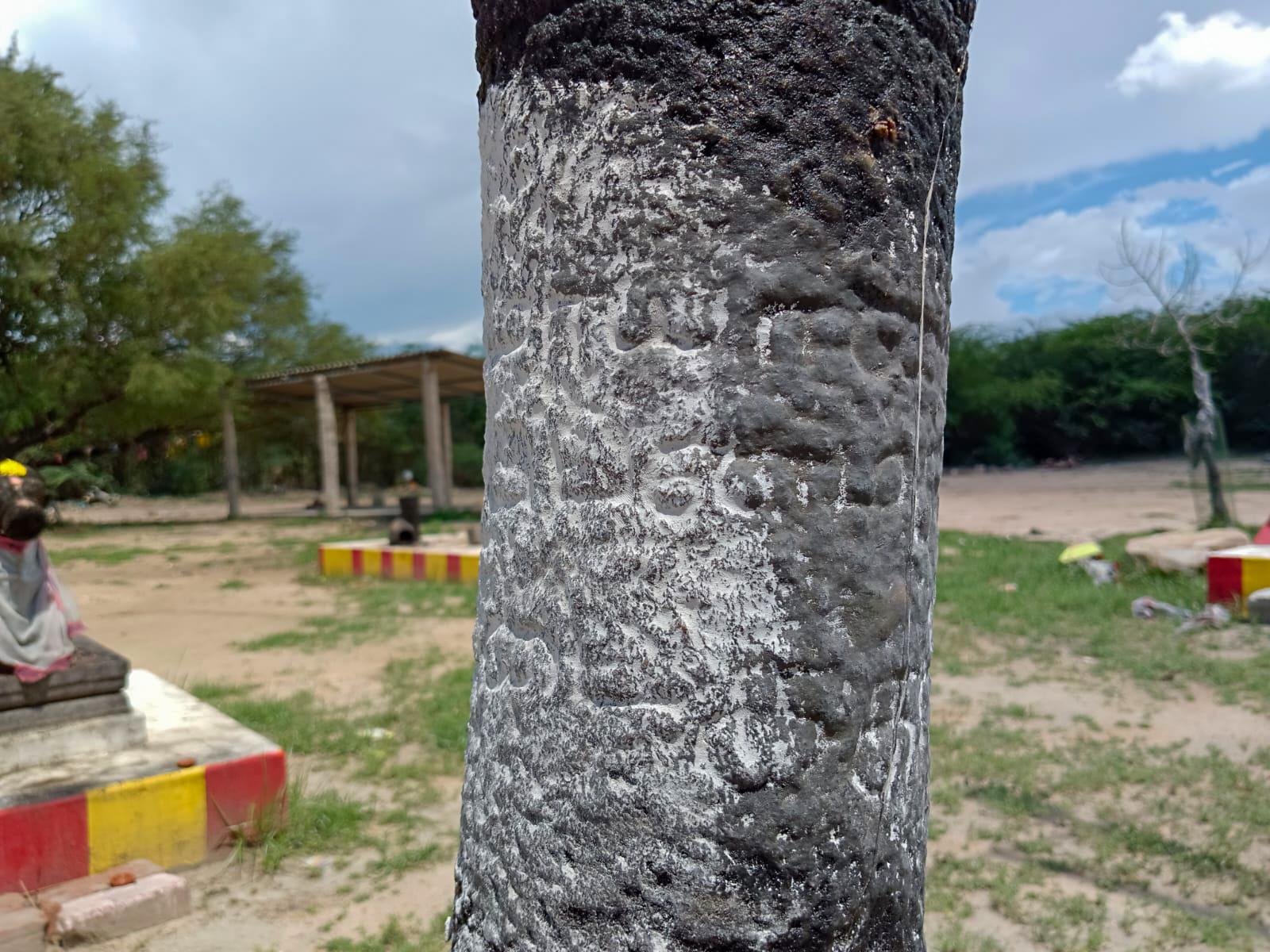
இங்குள்ள விளக்குத்தூணில் மூன்று வரி தமிழ் கல்வெட்டு காணப்படுகிறது. அக்கல்வெட்டில் :
1. மாயாண்டி
2. மூப்பன் மகன்
3. கட்டைக் காத்தான்
என்று குறிப்பிடப்பட்டுள்ளது.
சிற்பங்கள்
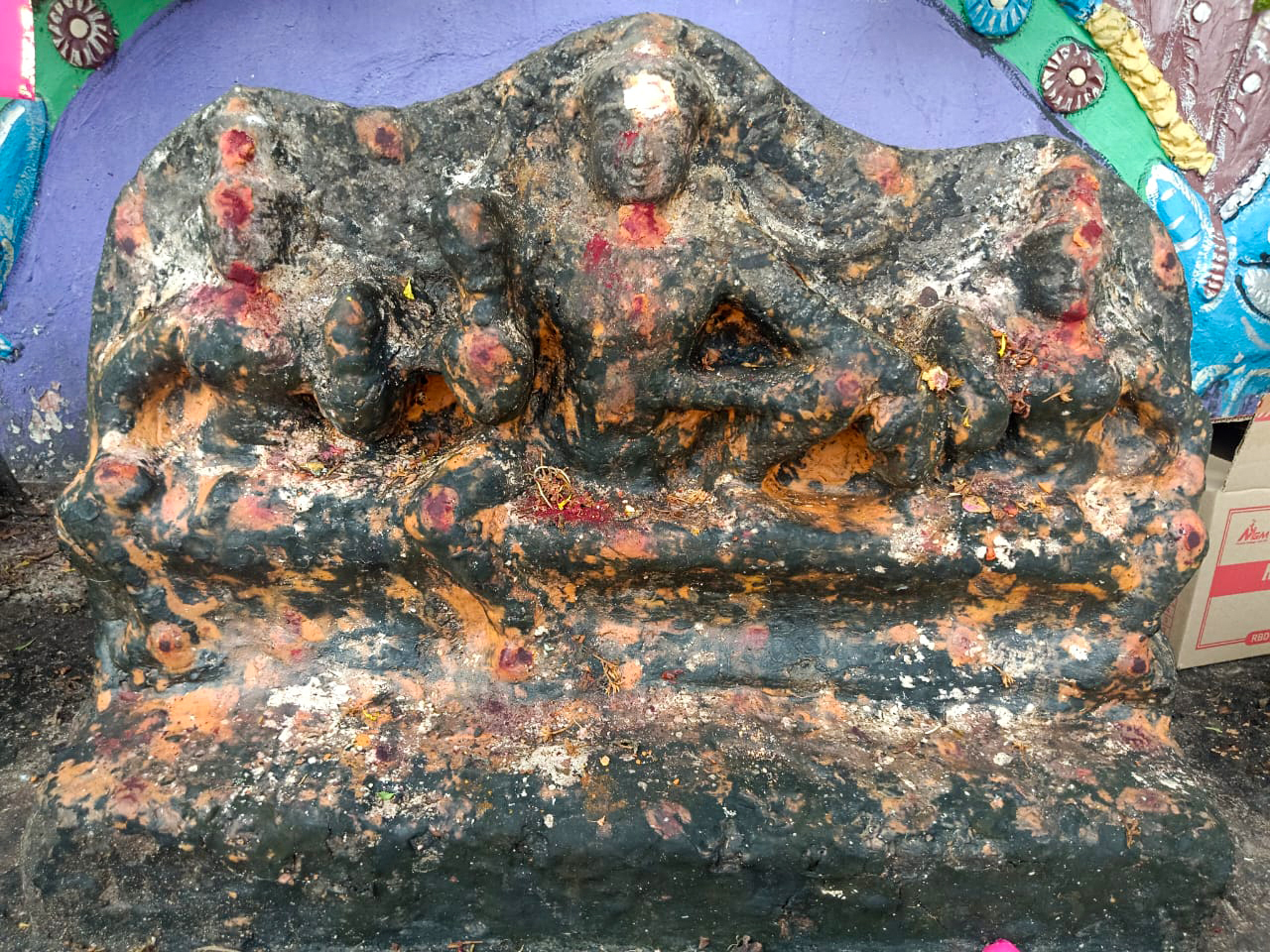
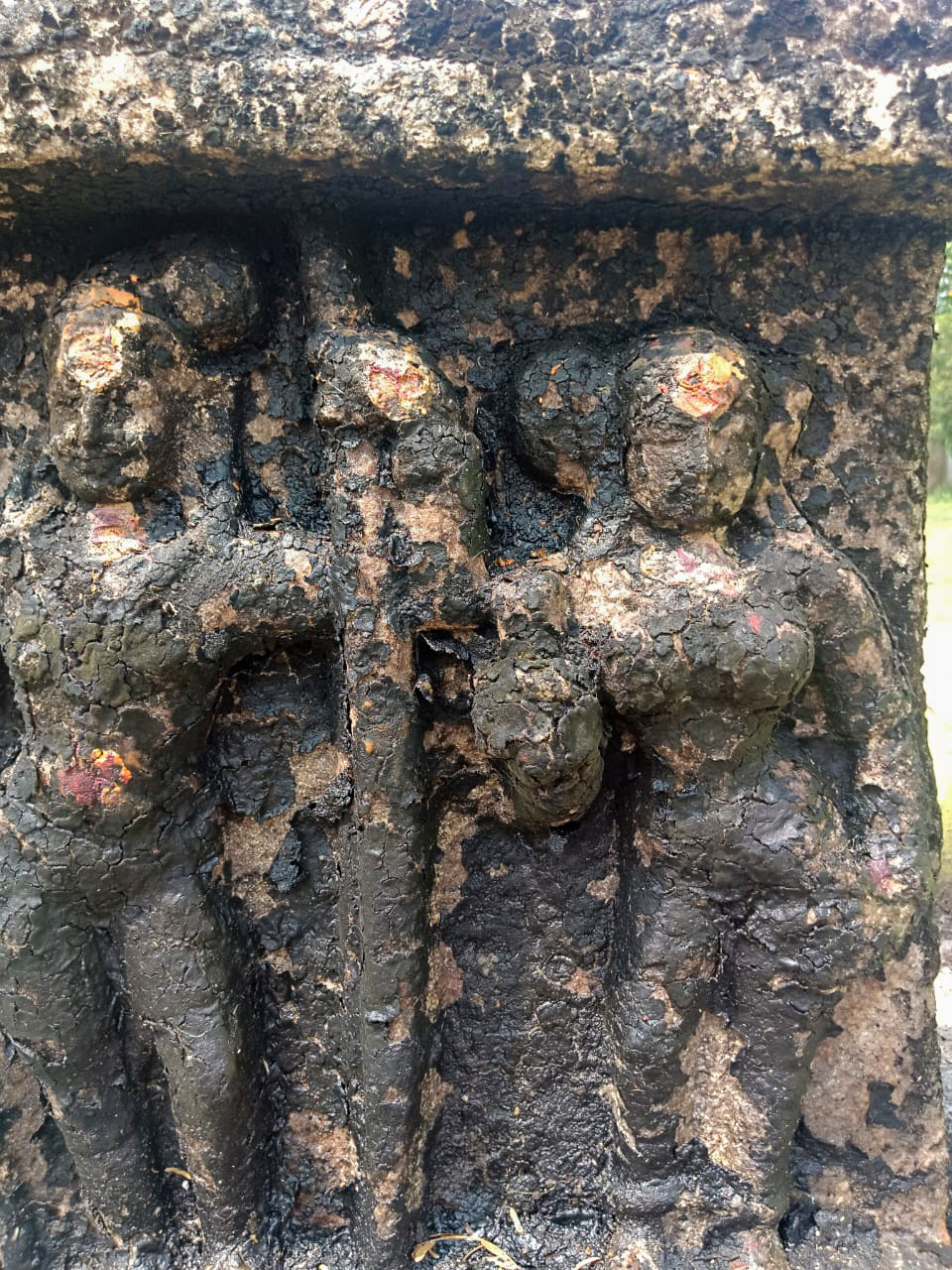
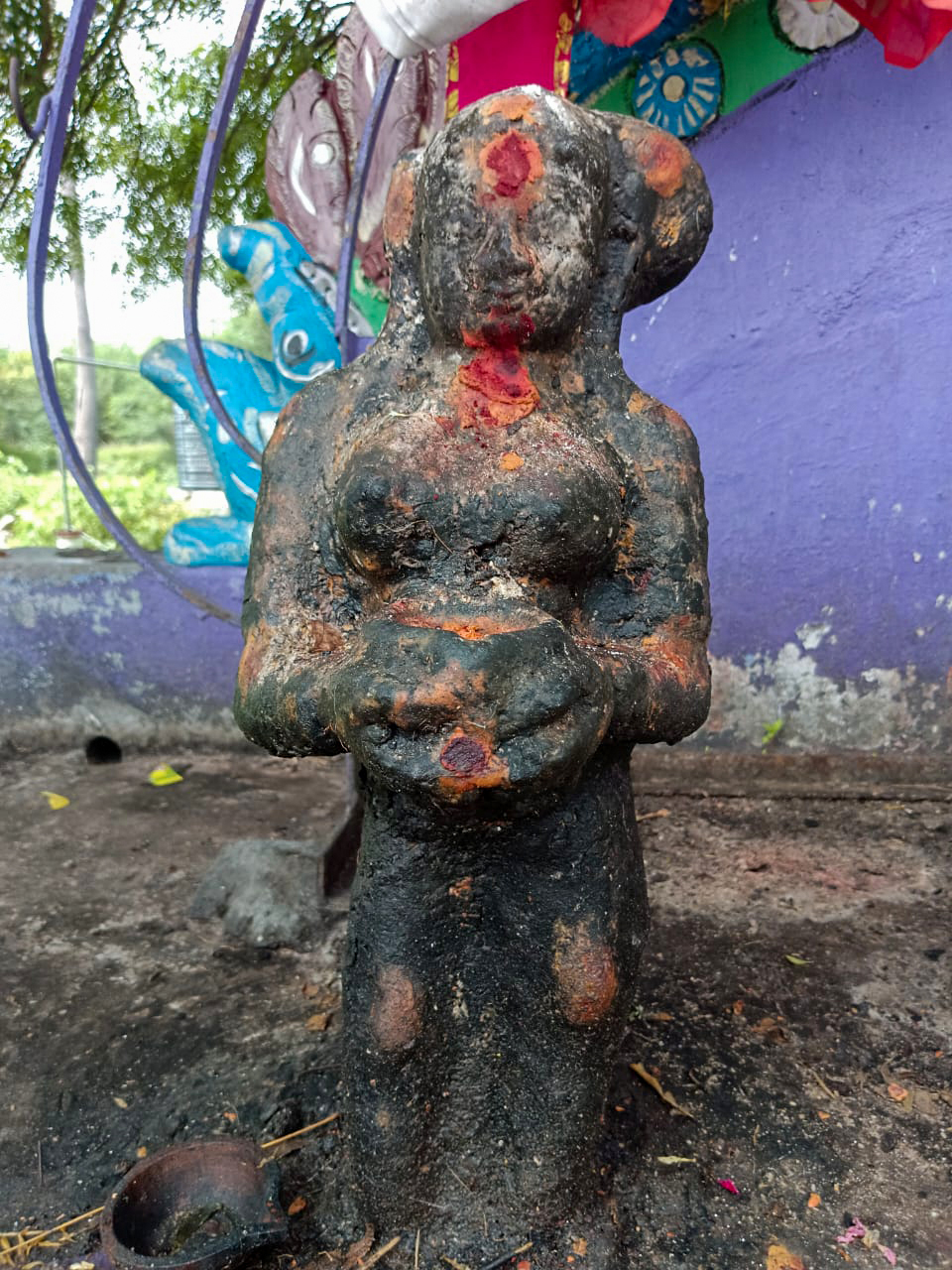
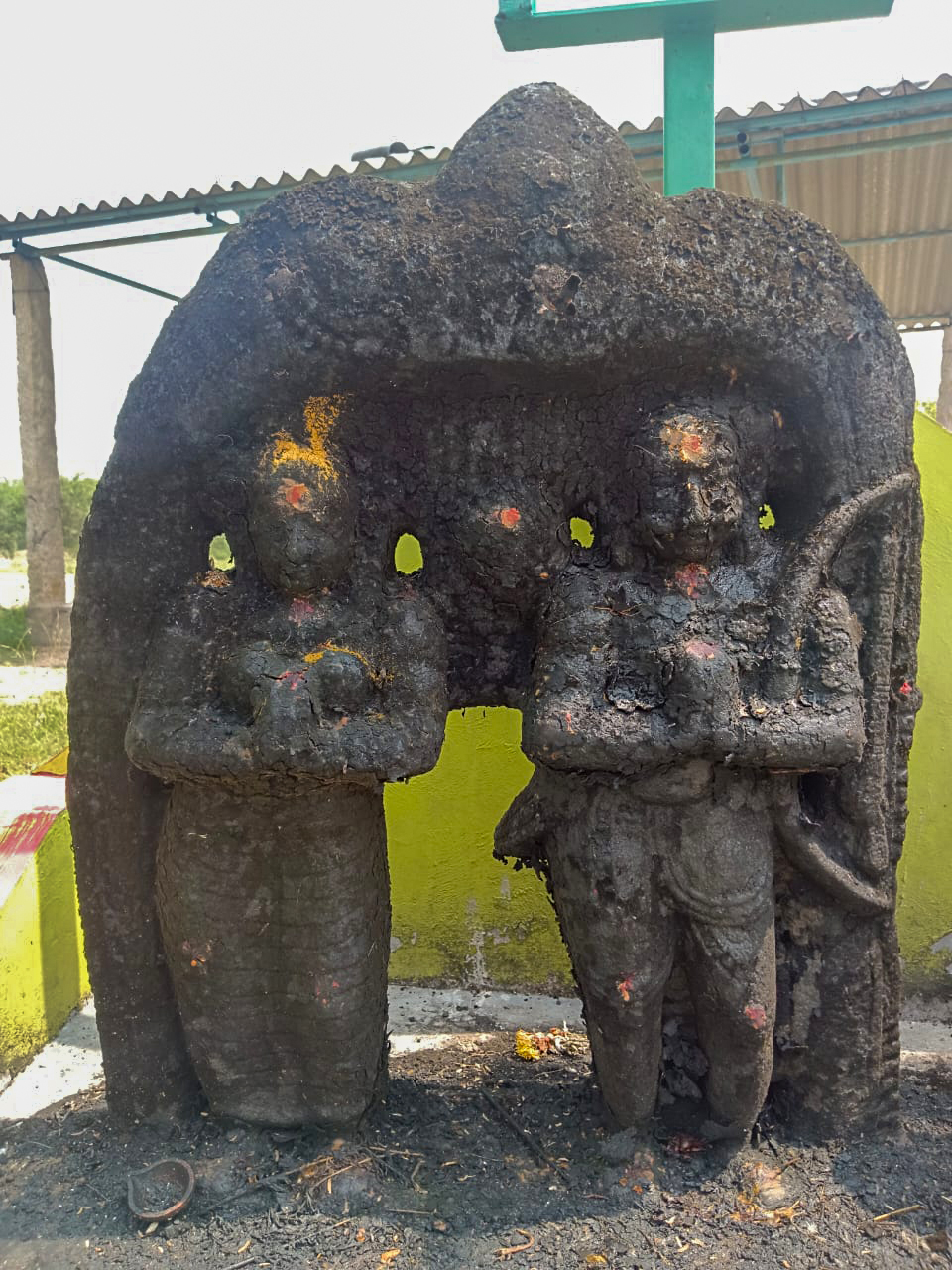
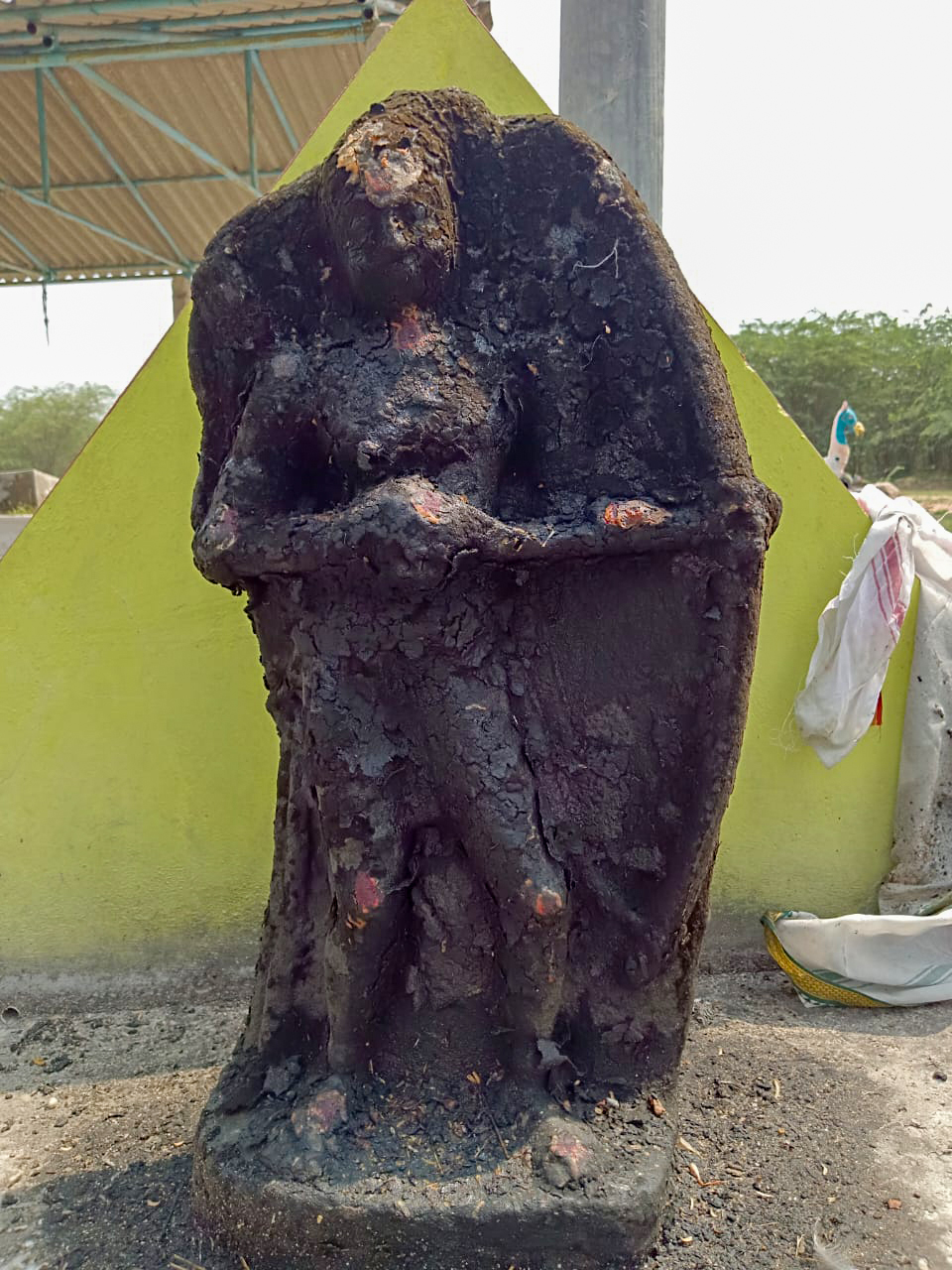
அடைக்கலம் காத்த அய்யனார், பூர்ணகலை புஷ்கலை, பார்வதி பரமசிவன், நடுகல் சிற்பங்கள், பாவை விளக்கு, தவழும் குழந்தை, விநாயகர், யானை, முருகன், திருமால், பெரிய கருப்பு, சின்ன கருப்பு, நந்தி, முனீஸ்வரர், ராமநாதபுரம் ராஜா, மதுரை வீரன், ஆண்டாள் அழகர், இருளாகி இருளப்பன், சோனை கருப்பு போன்ற சிற்பங்கள் காணப்படுகின்றன.
தல வரலாறு / கதைகள்
ராமநாதபுரத்தை சேர்ந்த சேதுபதி மன்னர் இப்பகுதியில் வேட்டைக்கு வந்த சமயம் இப்பகுதியில் வழிப்பறி கொள்ளையர்கள் மன்னரை வழிமறித்தனர். அவர் அங்கிருந்த அய்யனார் சிலை அருகே இருந்த ஆவாரம் செடி மறைவில் ஒளிந்து கொண்டு அய்யனார் சுவாமியை வேண்டினார். கொள்ளையர்களும் மன்னரை கண்டுபிடிக்க இயலாமல் சென்றுவிட்டனர். தன்னை அடைக்கலம் கொடுத்து காப்பாற்றியதனால் அன்று முதல் அந்த அய்யனார் ‘அடைக்கலம் காத்த அய்யனார்’ என்று அழைக்கப்பட்டு பூஜிக்கப்பட வேண்டும் என்று மன்னர் முடிவு செய்தார். இப்பணிக்காக தோப்பூரை சேர்ந்த சடைக்கிழவன் என்பவரை நியமனம் செய்தார்.
அந்நாள் முதல் வருடம் தோறும் மாசி மாதம் 101 கிடாய்களை பலியிட்டு வந்துள்ளார் ராமநாதபுரம் மன்னர். பின்னர் அவை 101 இளநீர் காய்களாக கொடுத்து வழிபட்டு வந்துள்ளார். சிறிது காலம் கழித்து சேதுபதி மன்னர் இங்குள்ள கருப்பசாமி சிலையை ராமநாதபுரம் கோட்டையில் வைத்து வழிபட கேட்டுள்ளார். அதற்கு செவி சாய்த்து கோட்டைக்கு ஒரு கருப்புசாமி சிலையை கொடுத்துள்ளனர் இக்கோயில் பக்தர்கள். அதற்கு மாறாக ராஜாவின் சிலையைக் பெற்றுக்கொண்டனர். இச்சிலை தற்போது இங்கு வழிபாட்டில் உள்ளது. இவ்வாறு இங்கு உள்ள அடைக்கலம் காத்த அய்யனார் கோயிலானது சேதுபதி மன்னர் காலத்திற்கு முன்பிருந்தே வழிபடப்பட்டு வந்திருகிறது என்று இப்பகுதி மக்களால் கூறப்படுகிறது.
கோயில் அமைப்பு
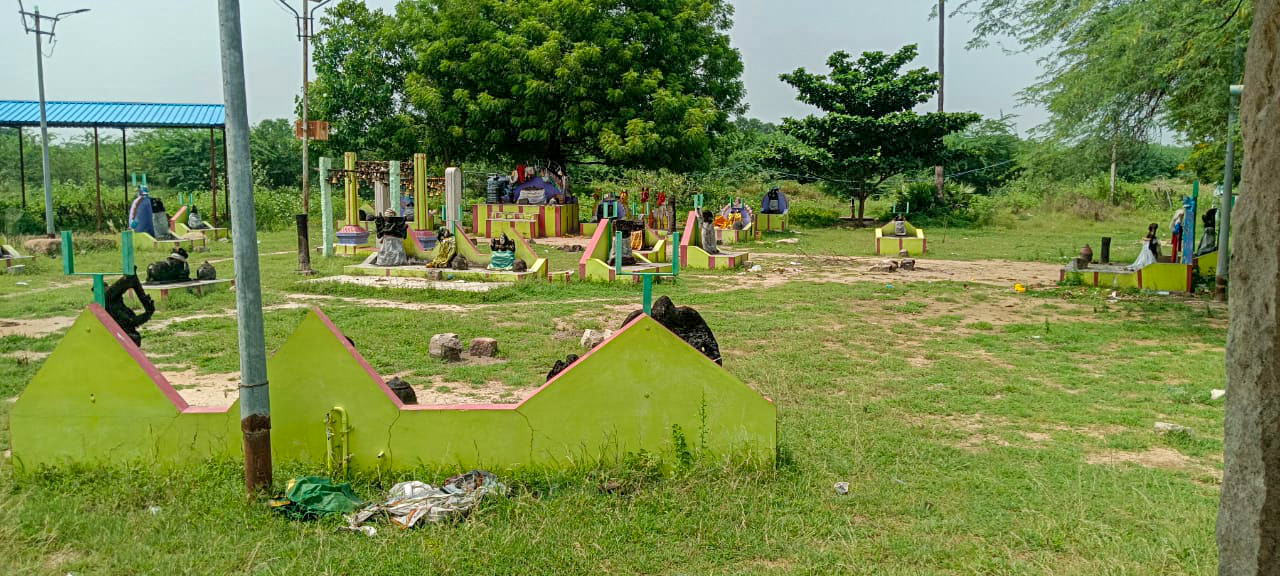
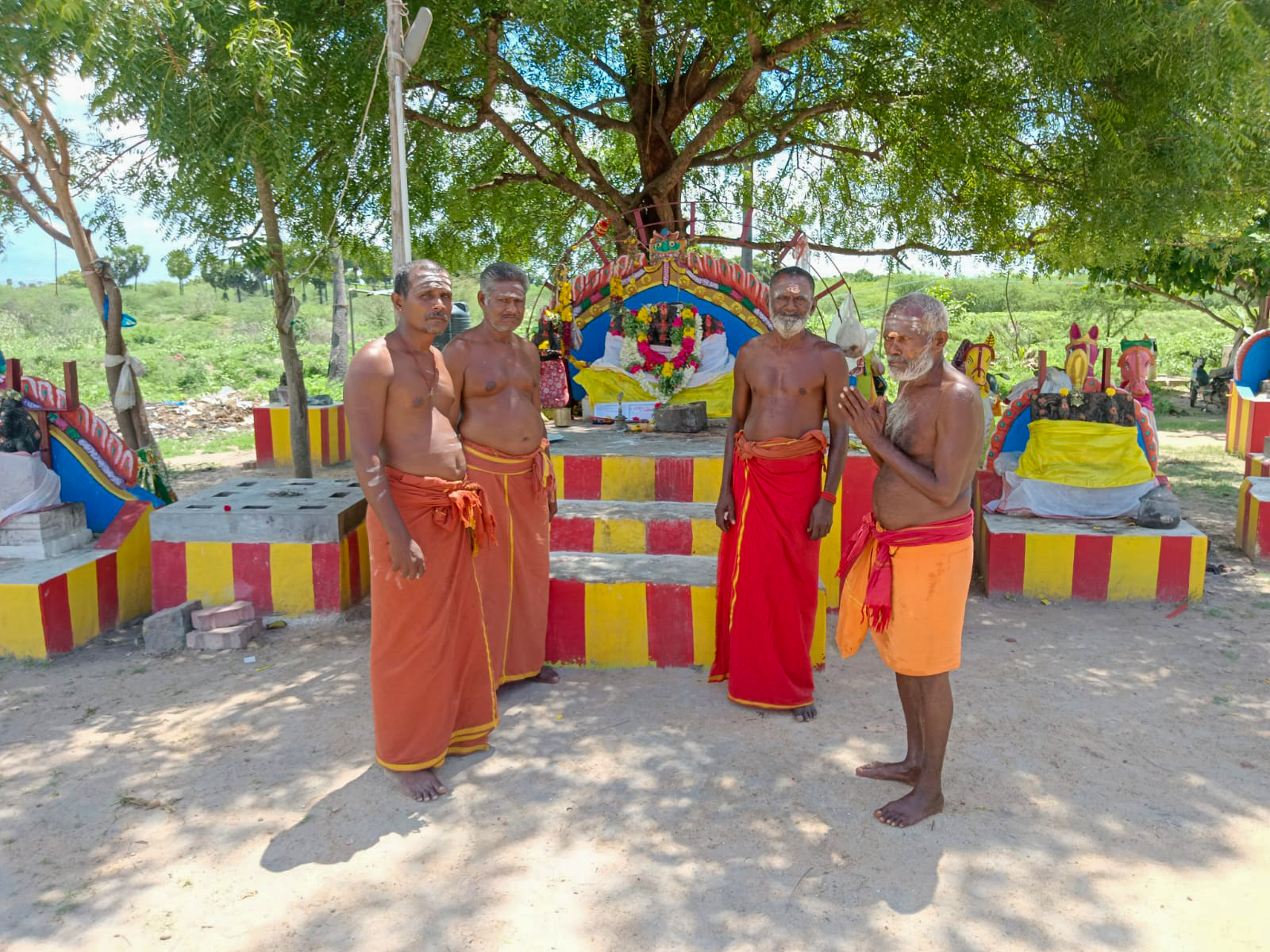
ஒரு திறந்தவெளி கோயில் அமைப்பு/ கூரை இல்லாக் கோயில். இவ்வளாகத்தில் பல பீடங்கள் அமைக்கப்பட்டு அதன் மேல் பல சிலைகள் வைக்கப்பட்டுள்ளன.
கூடுதல் விவரங்கள்
இக்கோயில் வளாகத்தில் பல நடுகல் சிற்பங்கள் காணப்படுவது சிறப்பாகும். தற்போது செம்பட்டியைச் சேர்ந்த சடைக்கிழவன் வழி வந்தவர்கள் (பெரிய பூசாரிகள்), கழுவனசேரி, பொய்யாங்குளம், சீமநத்தம் என்ற நான்கு கிராமத்தைச் சேர்ந்த மக்களால் இங்கு பூசை செய்துவரப்படுகிறது.
Significance of the temple
People from villages like Thoppur, Sembatti, Poiyangulam, Kaluvanaseri, Seemanatham, Dharmam, Mullikkudi, Irunjirai, Pidariseri, and Meenak kulam believe that the Adaikkalam Kaatha Ayyanar Temple grants blessings for those seeking children, those facing delays in marriage, and fulfills various other wishes.
Name of the Chief deity
Ayyanar
Temple Tree
Vanni Tree
Temple Pond/River
Seasonal stream
Worship Timings
There is no specific time for puja. Priests perform puja at the time desired by the devotees.
Festivals details
In the month of Maasi, a three-day (day and night) Maasi Kalarith Festival is held, on the day of Paattuman, which follows Shivaratri. Paattuman refers to the Prathama Tithi (first lunar day) that follows Amavasya. In villages, this day is often referred to by names such as Paattimai, Paattuman, or Paattimukam. In the month of Purattasi, a one-day Horse-lifting festival (Kuthirai Eduppu Thiruvizha) is conducted during the daytime.
Rituals of worship / Methods
Banana leaves are not used in worship at this temple. Instead, specifically Erukku leaves are used.
In the month of Maasi, immediately after birth, the priests from four villages—Sembatti, Poiyankulam, Seemanatham, and Kazhuvanaseri—begin the protective thread tying (Kaappu Kattuthal) and fasting vow. Following this, in villages such as Thoppur, Mullikkudi, Dharmam, Minaakkulam, and Runjhirai, the communities that worship this temple as their clan deity (Kula Theivam) also start the Kaappu Kattuthal vow. They observe the fast by eating only two meals a day without consuming meat.
Those seeking children tie cradles on the temple’s sacred Vanni tree. Unmarried persons tie turmeric threads and turmeric powder on this tree to pray. Once their prayers are fulfilled, during the Maasi Kalarithiruvizha (festival), they offer a *Kidai* (goat) sacrifice at the temple and fulfill their vows. At night, all the goat innards are cleaned, cooked without salt, and offered as food to the attendant deities (Parivara Devatas). The sacrificed goats are cooked as charity (Annadanam) and distributed to the village community. No sacrifices are made to Ayyanar in this temple. However, *Kidai* (goat) and rooster sacrifices are made to the attendant deities such as Irulai and Irulappan, and these are performed behind a screen to maintain privacy. For these sacrifices, the first honor is given to the village of Dharmam near Narikudi, whose people offer the first sacrifice on behalf of the community. The second goat sacrifice is offered by people from Mullikkudi village near Pidariseri. After that, the custom is that other villages’ goats are sacrificed accordingly. All expenses for the Kalarithiruvizha festival are managed by the senior priests from Sembatti. The heads and legs of the sacrificed goats are given to the temple priests. Additionally, if the sacrificed goats belong to individuals, the left hind leg muscle portion with bones is also given to the priests.
Inscription / Copper
A three-line Tamil inscription is found on the lamp post pillar located here.
Sculptures
Sculptures of Adaikkalam Kaatha Ayyanar, Poornakala and Pushkalai, Parvati and Paramasivan, hero stones (nadukal), Paavai vilakku, crawling child, Vinayaka, elephant, Murugan, Thirumal, Periya Karuppu, Chinna Karuppu, Nandi, Muneeswarar, the Raja of Ramanathapuram, Madurai Veeran, Aandaal-Azhagar, Irulagi Irulappan, and Sonai Karuppu are found.
Architecture
An open-air temple structure / temple without a roof. In this space, many platforms are arranged, and many statues are placed on top of them.
Additional Information
A special feature of this temple complex is the presence of numerous hero stone sculptures. At present, worship is being carried out by the descendants of Sadaikkizhar from Sembatti (the main priests), and the Mupparinatham community from the four villages of Kaluvanaseri, Poiyangulam, and Seemanatham.
தகவல்
முனைவர் செல்லப்பாண்டியன்
Details
Dr. C. Chellapandian
அருகிலுள்ள வரலாற்றுச் சின்னங்கள்
அய்யனார் கோயில்
Nearby Monuments
Ayyanar Temple
செல்லும் வழி
காரியாபட்டியில் இருந்து திருச்சுழிக்கு செல்லும் சாலையில் 5 கிலோமீட்டர் தொலைவில் தோப்பூர் கிராமத்தின் கிழக்கு திசையில் அமைந்துள்ளது.
Directions
Thoppur village is located 5 kilometers from Kariyapatti on the road to Tiruchuzhi, towards the eastern direction of the village.