நாள்தோறும் முற்பகல் 10 மணி முதல் நண்பகல் 12 மணி வரை வழிபாடு நடைபெறும்.
திருவிழாக்கள் விவரங்கள்
பிரதோசம், அமாவாசை, பௌர்ணமி, சிவராத்திரி ஆகிய நாட்களில் சிறப்பு வழிபாடுகள் நடத்தப்படுகின்றன.
வழிபாட்டுச் சடங்குகள் / முறைகள்
வழிபாட்டுச் சடங்குகளில் நைவேத்தியம், வாசனைத் திரவியங்கள், பூ, பழம், தேங்காய் ஆகியன இடம்பெறுகின்றன.
காலம்/ ஆட்சியர்
பொது ஆண்டு 8 ஆம் நூற்றாண்டு, முற்காலப் பாண்டியர் காலம்.
கல்வெட்டு / செப்பேடு
இந்தச் சிவன் கோயில் முற்காலப் பாண்டிய மன்னர்களின் காலத்தில் கட்டப்பட்டதாகக் கல்வெட்டுச் சான்றுகள் தெரிவிக்கின்றன. ஆனால் கோயில் சுவர்களில் காணப்பட்ட கல்வெட்டுகள் அனைத்தும் இப்போது சுண்ணாம்பு பூசப்பட்டதால் படிக்க இயலவில்லை.
சிற்பங்கள்
விநாயகர், முருகன், நவக்கிரகங்கள் ஆகிய சிற்பங்கள் காணப்படுகின்றன.
கோயில் அமைப்பு
கருவறை, அர்த்தமண்டபம், மற்றும் முன்மண்டபம் கொண்ட மூலவர் சந்நிதி, காசிவிஸ்வநாதர் சந்நிதி, சுப்பிரமணியர் சந்நிதி ஆகியவை காணப்படுகின்றன.
சுருக்கம்
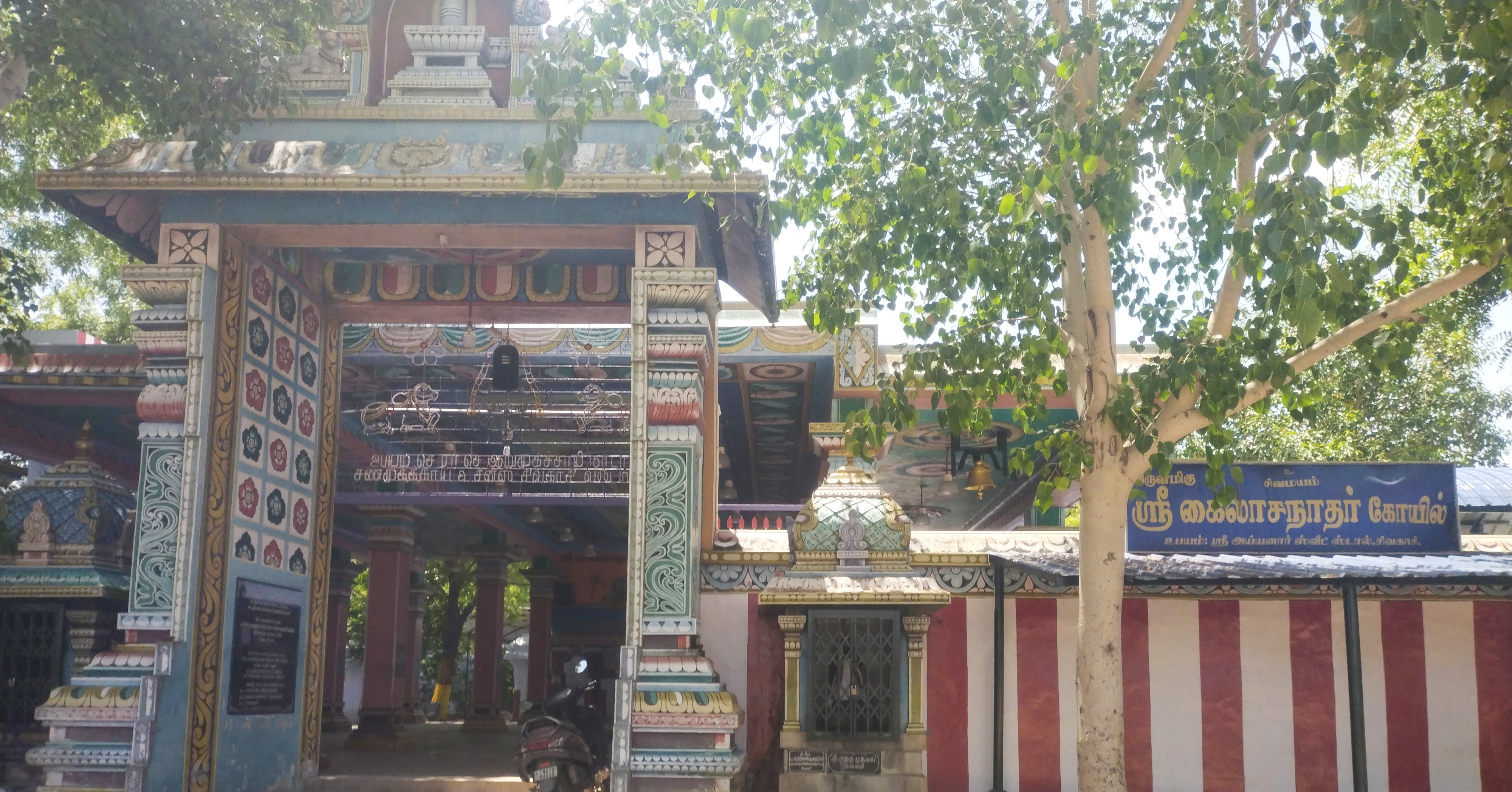
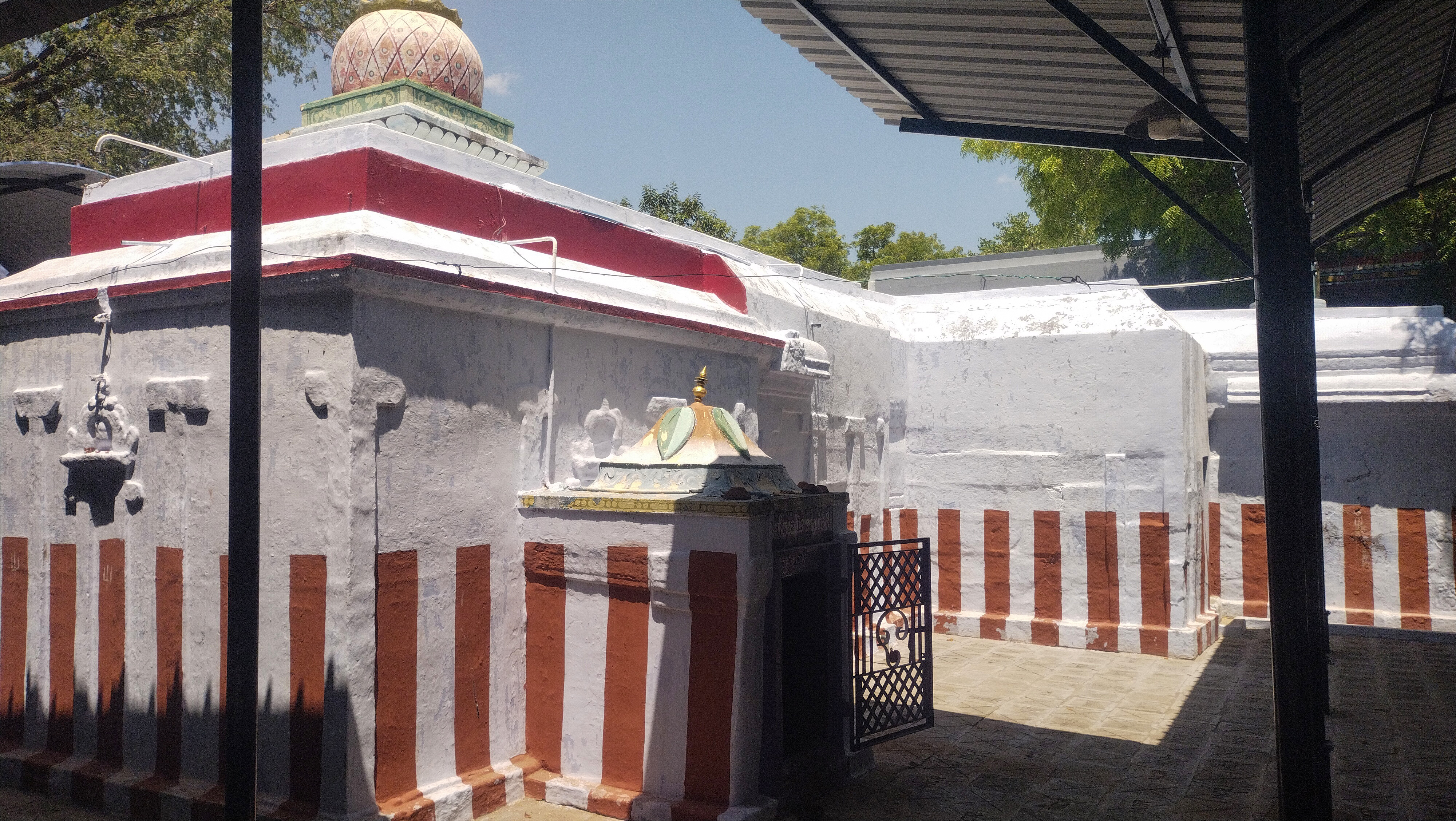
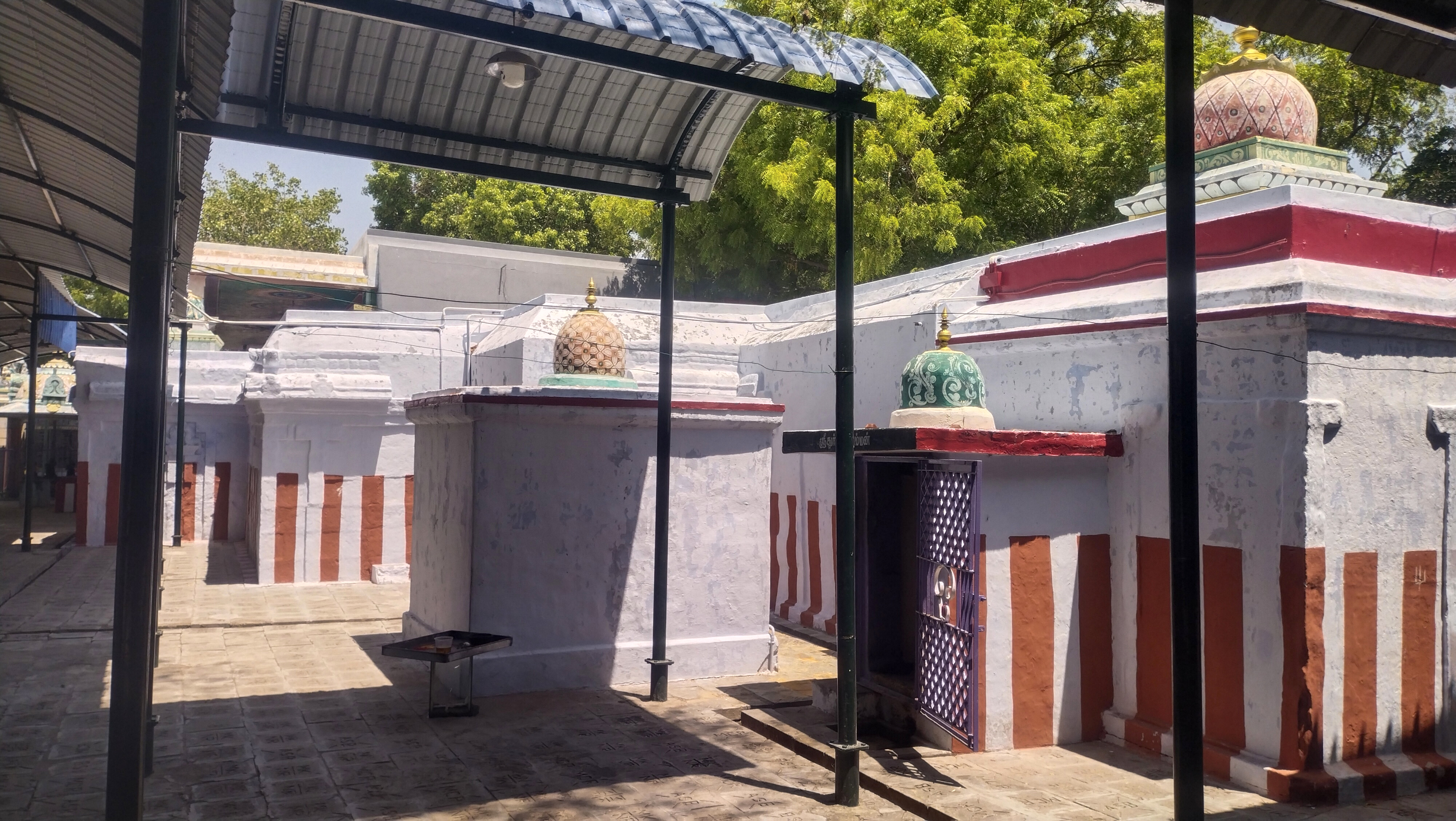
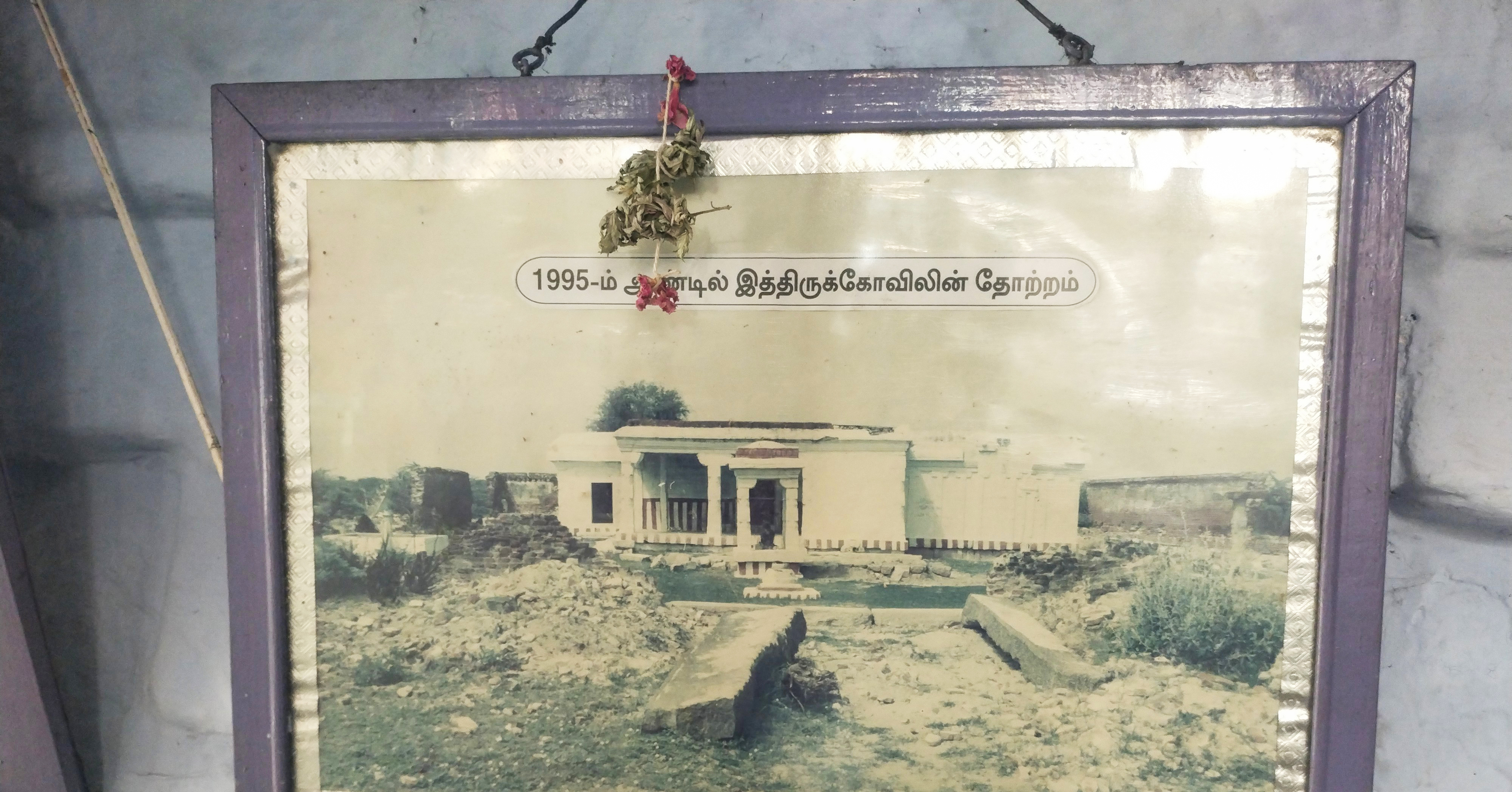
முதன்முதலில் முற்காலப் பாண்டியர் காலத்தில் எழுப்பப்பட்ட இந்தச் சிவன் கோயில், இப்போது பிற்காலக் கட்டடக்கலை அமைப்புகளுடன் காணப்படுகிறது. இக்கோயில் கருவறையின்மேல் மிகச்சிறிய சிகரம் அமைக்கப்பட்டுள்ளது. பொதுவாகக் கருவறையின் வெளிப்புறச் சுவர்களில் காணப்படும் தேவகோஷ்டச் சிற்பங்களான துர்க்கை மற்றும் தட்சிணாமூர்த்தி, இக்கோயிலில் சுவரை ஒட்டிய சிறிய தனிச்சந்நிதிகளில் காணப்படுகின்றனர். மேலும் கோயிலின் உட்புறத்தில் முற்கால மற்றும் பிற்காலப் பாண்டியர் காலத்தைச் சேர்ந்த செப்புத் திருமேனிகள் காணப்படுவதைக் கொண்டு இக்கோயிலின் பழைமையை அறியலாம்.
கூடுதல் விவரங்கள்
நென்மேனிக் கல்வெட்டொன்று இக்கைலாசநாதர் கோயிலை ’நக்கன் கோயில்' என்று குறிப்பிடுகின்றது. கைலாசநாதர் கோயில் அருகிலுள்ள சிறிய குன்றுப் பகுதியில் சங்கக்காலத்துக் கல்மணிகள் சேகரிக்கப்பட்டுள்ளன என்பது குறிப்பிடத்தக்கது.
Agama
Shaiva Agama
Worship Timings
Every day, worship takes place from 10 a.m. to 12 noon.
Festivals details
Special worships are conducted on Pradosham, Amavasya (New Moon), Pournami (Full Moon), and Shivaratri days.
Rituals of worship / Methods
Worship rituals include Naivedyam, fragrant liquids, flowers, fruits, and coconut.
Inscription / Copper
This Shiva temple is believed, based on inscriptional evidence, to have been constructed during the early Pandya period. However, all the inscriptions found on the temple walls are currently unreadable due to a layer of lime wash having been applied over them.
Sculptures
Sculptures of Vinayakar, Murugan, and the Navagrahas are found here.
Architecture
Sanctum with arthamandapam and front mandapam, and shrines of Moolavar, Kasi Viswanathar, and Subramanyar are present.
Summary
Originally built during the Early Pandya period, this Shiva temple now features later architectural additions. A very small shikhara is constructed above the sanctum. The typical devakoshta sculptures found on the outer walls of the sanctum, such as Durga and Dakshinamurti, are seen here in small individual shrines attached to the wall. Additionally, the presence of bronze icons from both the Early and Later Pandya periods inside the temple helps to establish its antiquity.
Additional Information
A Nenmeni inscription refers to this Kailasanathar Temple as "Nakkan Temple." It is noteworthy that Sangam period stone beads have been collected from the small hillock near the Kailasanathar Temple.
தகவல்
முனைவர் செல்லப்பாண்டியன்
Details
Dr. C. Chellapandian
குறிப்புகள்
விருதுநகர் மாவட்ட வரலாறு, பக்கம் 11-13
Reference
விருதுநகர் மாவட்ட வரலாறு, பக்கம் 11-13
அருகிலுள்ள வரலாற்றுச் சின்னங்கள்
இருக்கன்குடி மாரியம்மன் கோயில்
Nearby Monuments
Irukkankudi Mariamman Temple
செல்லும் வழி
பாலவநத்தத்திலிருந்து கோட்டூர் செல்லும் சாலையில் கோட்டூரை அடுத்து இருக்கன்குடி மாரியம்மன் கோயில் அருகே அமைந்துள்ளது.
Directions
On the road from Balavanaththam to Kottur, after Kottur, it is located near Irukkankudi Mariamman Temple.