Inscription / Copper
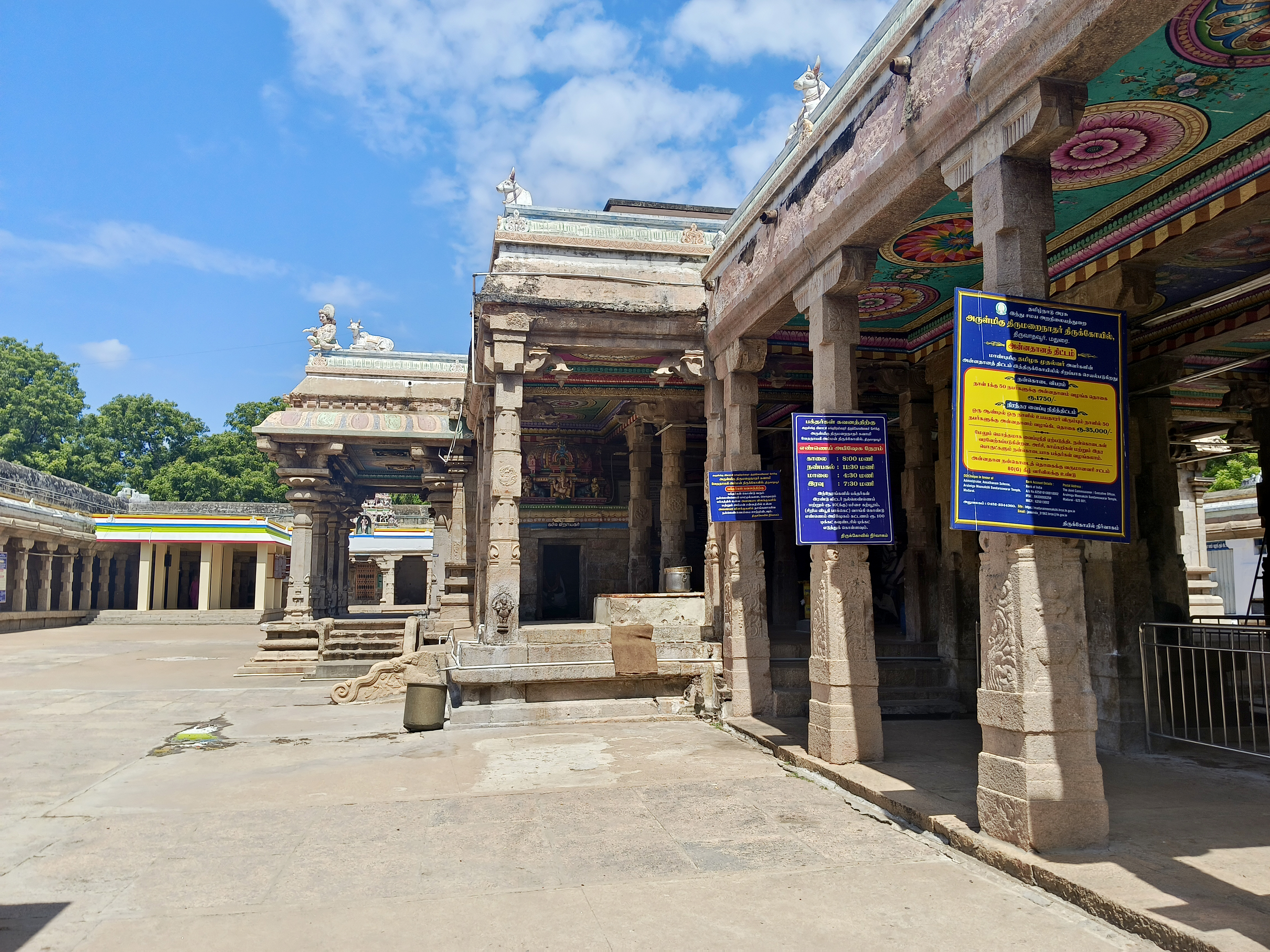
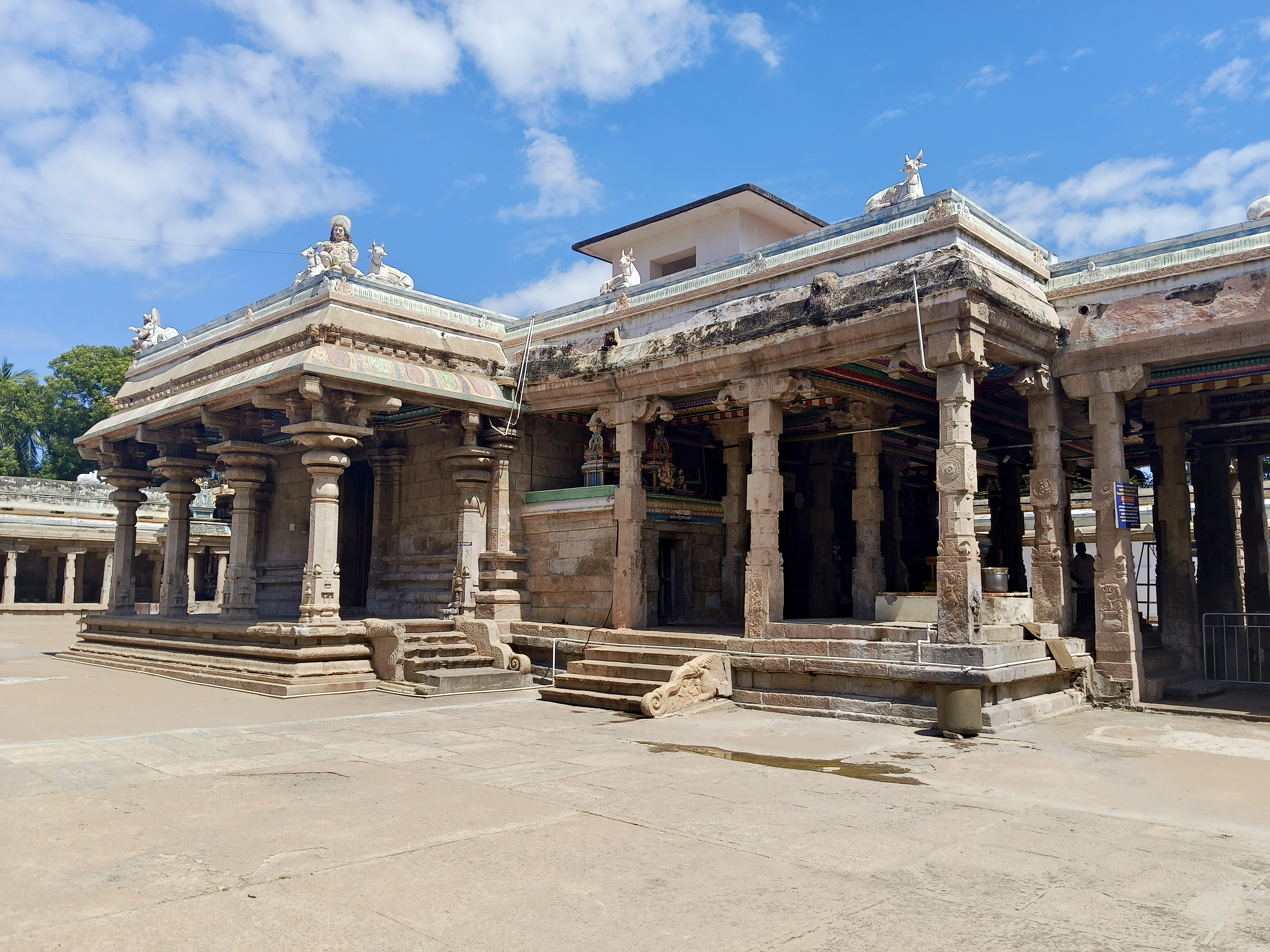
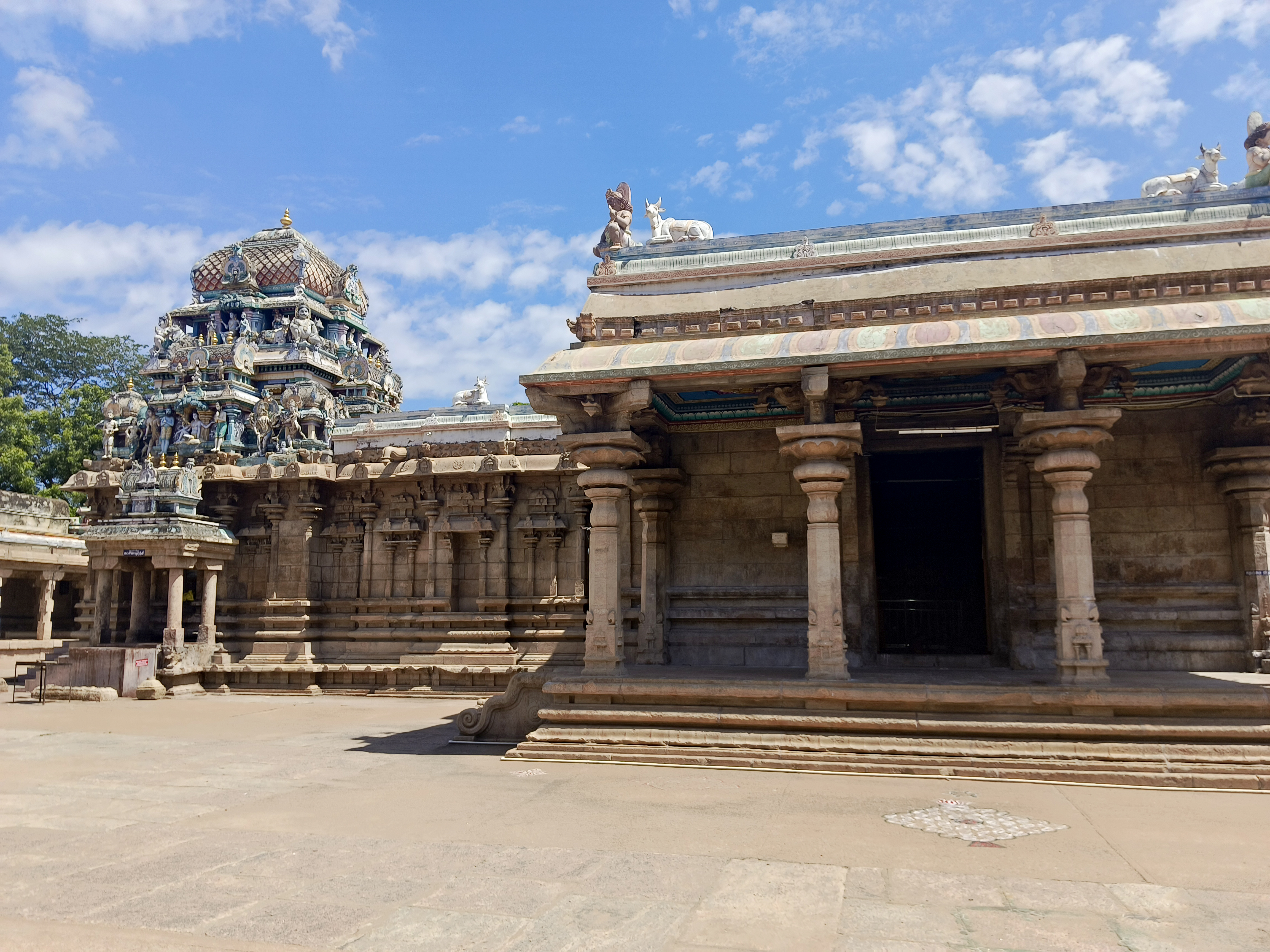
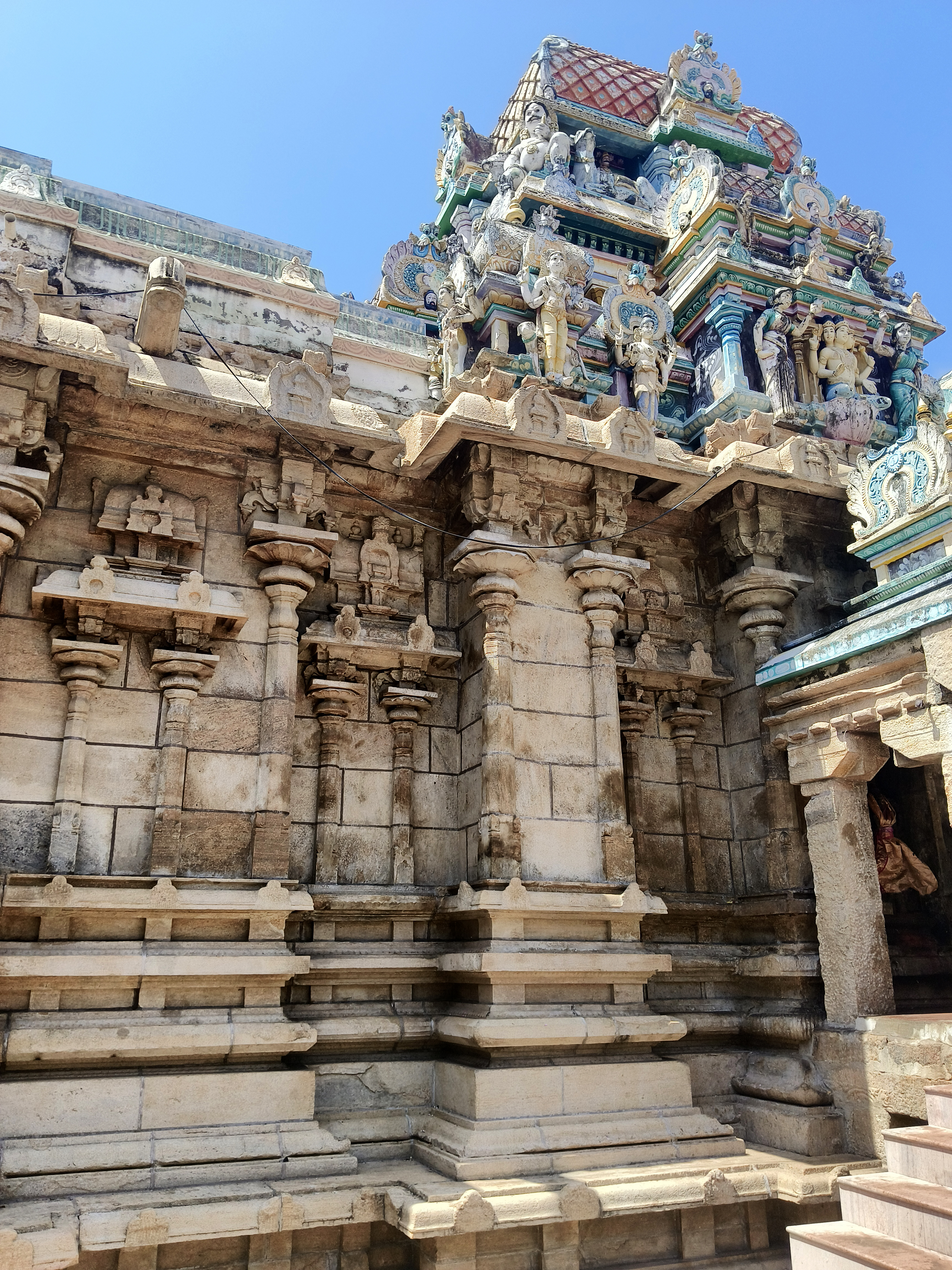
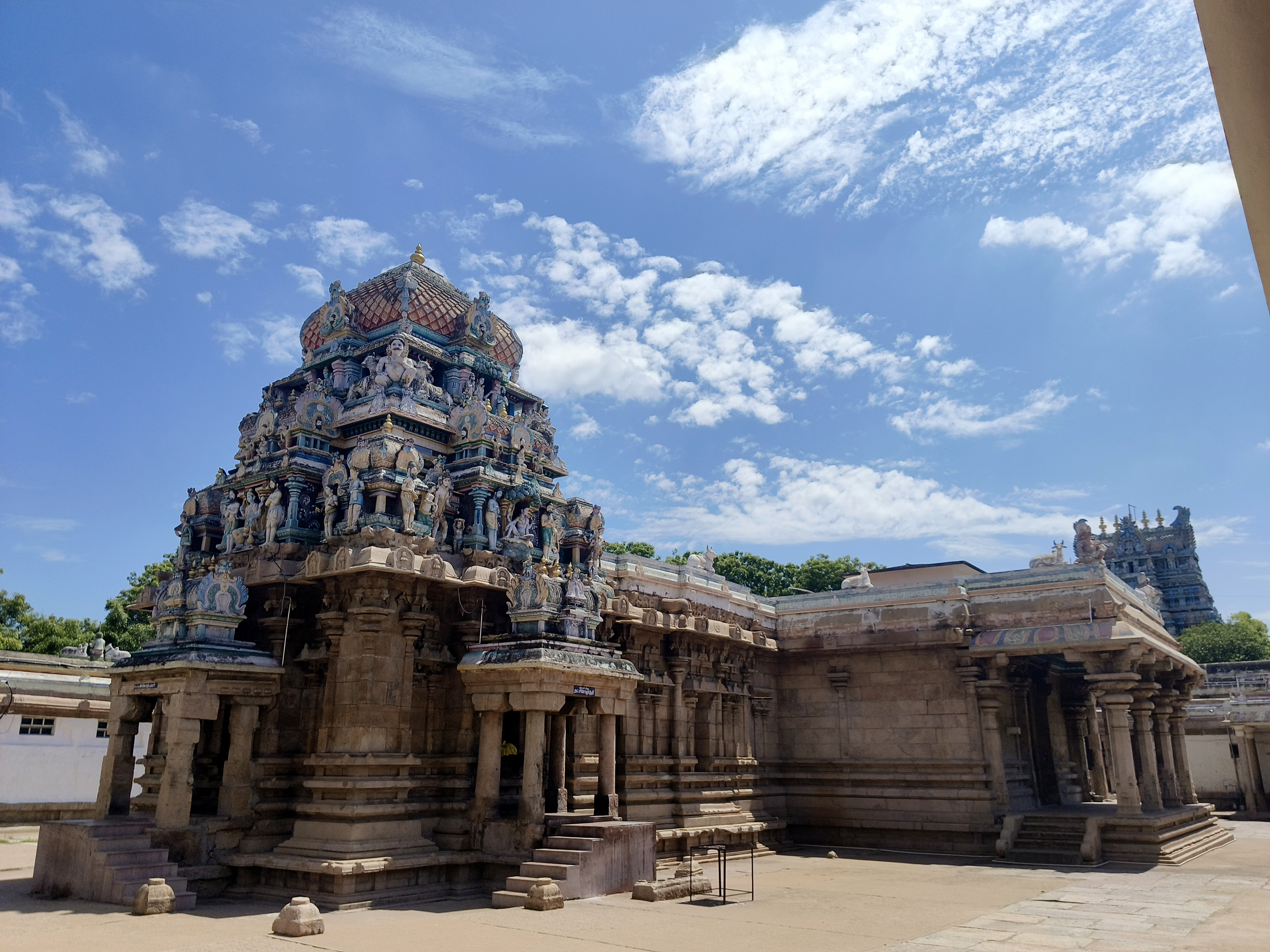
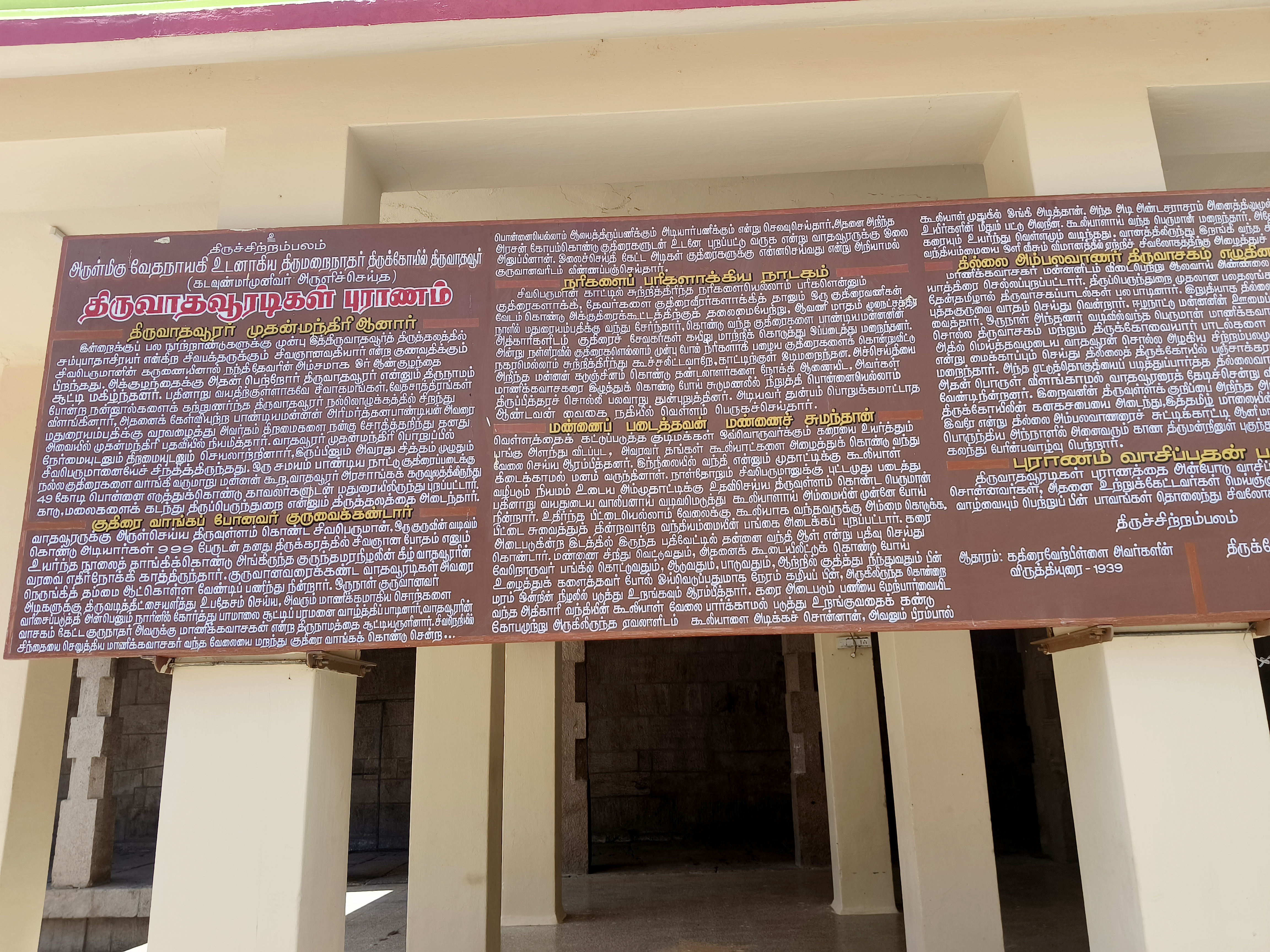
The inscriptions of Thiruvadhavur Thirumarainathswamy Temple are mostly about donations to the temple. Through these, we can learn about land rights, the relationship between the landowner and the temple, various social classes, and their stratification. The special pujas established in the name of the king are mentioned in the inscriptions as 'Cheranai Venthan Chandi' and 'Valangaimeekaman Chandi'.
More than fifty inscriptions have been found in this temple. The oldest among them is the Veerapandian inscription dating back to the 12th century AD. This inscription, with the meikeerthi (prasasti/ eulogy) beginning 'Phoomaruviya Thirumadhum', indicates that the lands in the Chaturvedimangalam area of Rajendra Chola were donated to the Thiruvadhavur temple as a devadanam.
Thiruvadavur is located in the ancient interior division of 'Southern Country' . Here are found inscriptions of Maravarman Sundarapandiyan I and II, Jatavarman Kulasekarapandiyan, Maravarman Veerapandiyan, Maravarman Kulasekarapandiyan I. Along with these, there are inscriptions of Jatavarman Parakramapandiyan who ruled in the 14th century CE during the period of Madurai Sultanate.
During the later Pandyas' period, many villages of the Vellan type were donated to the temple, with tax exemption, and these were called with the suffix 'Nallur'. The names of many Nallurs like Vedamanayakanallur, Valangaimikamagalnallur, Pallikurichi also known as Vonadu konda Perumalnallur, Tirumarainayaka Nallur, etc. are known in the Tiruvadavur inscriptions.
There were also villages for the inhabitants engaged in war in the Thiruvadavur region. Those who received these villages as the grant, had to participate in the war as a soldier, when the king expected them. The villages that were given as a subsidy for military service were called 'Padaipattru (padaipaŗŗu)'. The people who managed them were called 'Padaikaranavar'. There were two 'Padaipattru' villages in the Thiruvadavur region, namely Iluppaikudi and Pallikurichi. It is known from these inscriptions that during the later Pandyan period, the petty kings served in the local divisions as political officials under the name of 'Nadalvan'.
These inscriptions from Thiruvadavur indicate that various types of taxes were collected, according to the nature of the villages, their occupation, the quality of the lands and the types of crops, such as Kadamai, Antarayam, Ponvari, Kovil viniyogam, Ur viniyogam, Taravukuzhi, Karthigai Pachaipillaiyar Nonbu, Kootrilakkai, Kadaikoottilakkai, Anaisalai, Kudhiraippanthi, Sandhivigraham, and Panchupeeli.
This demonstrates how the composition of Periya Puranam in the 12th century AD and the detailed accounts of the Nayanmars that reached the populace helped to elevate Nayanmar devotion in the next century. The history, society, trade, and political climate of that era can thus be ascertained from these inscriptions.




 பதிவிறக்கவும்

 முனைவர்.மீ.மருது பாண்டியன்