



 பதிவிறக்கவும்
கோயிலின் வேறு பெயர்
திருமாலிருஞ் சோலை, கள்ளழகர் கோயில், சுந்தரராஜ பெருமாள் கோயில்.
பிற தெய்வத்தின் பெயர்கள்
கல்யாண சுந்தரவல்லி தாயார்
அமைவிடம்
அழகர்மலைச் சரிவில் அமைந்துள்ளது.
ஊர்
பேரையூர்
மாவட்டம்
மதுரை




திருமாலிருஞ் சோலை, கள்ளழகர் கோயில், சுந்தரராஜ பெருமாள் கோயில்.
கல்யாண சுந்தரவல்லி தாயார்
அழகர்மலைச் சரிவில் அமைந்துள்ளது.
பேரையூர்
மதுரை
விச்வரூபம், பொங்கல் காலம், சாயரட்சை, உச்சிகாலம், நித்திய அனு சந்தான கோஷ்டி, சம்பாக்காலம்
சித்திரைத் திருவிழா, வசந்தவிழா, ஆடிப்பெருந்திருவிழா, தைலக்காப்பு, பகல் பத்து, இராப்பத்து உற்சவம், கனு விழா, திருக்கல்யாண உற்சவம் போன்ற திருவிழாக்கள் சிறப்பாக கொண்டாடப்படுகின்றன.
அழகர் கோயில் திருவிழாக்களில் மிகவும் முக்கியமானது 'சித்திரா பௌர்ணமி’ திருநாள் ஆகும். மதுரையில் உள்ள மீனாட்சி திருக்கோயிலில் நடைபெறும் சித்திரை திருவிழா, இக்கோயிலை சார்ந்த அமைந்துள்ளது. திருமலை நாயக்கர் காலத்திற்கு முன்பு வரை இவ்விரு உற்சவங்களும் வெவ்வேறு மாதங்களில் நடைபெற்ற வந்ததாக சொல்லப்படுகிறது. அச்சமயம் அழகரின் சைத்ரோற்சவம் சித்திரை மாதத்திலும் மீனாட்சி கோயில் உற்சவம் மாசி மாதத்திலும் நடைபெற்று வந்தன. மீனாட்சி சுந்தரேஸ்வரர் ரதம் மாசி வீதியில் இன்றும் செல்வதால், இதுவே இந்நிகழ்விற்கு சாட்சியாக சொல்லப்படுகிறது.
திருமலை காலத்திற்கு முன்பு அழகர் சித்திரை மாதத்தில் அலங்காநல்லூர், தேனூர் முதலிய ஊர்கள் வழியாக வந்து வைகை ஆற்றில் இறங்கி வண்டியூரில் தங்கியிருந்து, மீண்டும் அழகர் மலையையைடைவது வழக்கமாய் இருந்துள்ளதாக சொல்லப்படுகிறது. திருமலை நாயக்கர் காலத்தில் சைவம் மற்றும் வைணவ வழிபாடுகளை இணைக்கும் ஒரு முயற்சியாக இவ்விரு உற்சவங்களையும் இணைத்திருக்கலாம் என கருதப்படுகிறது. இந்நிகழ்வின் முக்கியத்துவத்தை எடுத்துரைக்கும் செவிவழிக் கதை பின்வருமாறு: தன் தங்கை மீனாட்சியும் சுந்தரேசுவரராகிய ஈசனும் திருமணம் செய்யவிருக்கின்றனர் என்ற செய்தி கேட்ட அழகர், கள்ளழகர் எனப்படும் கள்ளர் திருக்கோலத்துடன் அந்த வைபத்தைப் பார்க்க 24 கி. மீ. தூரத்திலுள்ள தன் இருப்பிடத்தை விட்டுச் சகல கோலாகலகங்களுடன் மதுரையை நோக்கி புறப்படுகிறார். மீனாட்சி திருமண விழா நடைபெறும் போது, வழியில் தாமதமானதால், கள்ளழகரால் அதனை நேரில் காண முடியாமல் போகிறார். கள்ளழகர் வருவதற்குள் திருமணம் முடிந்து விடுகிறது. எனவே, வைகை நதிக்கரையில் தன் சகோதரிக்கு தனது பிரசாதங்களை அருளுகிறார்.
இவ்விழாவில் பல்லக்கில் கள்ளர் வேடத்தில் எழுந்தருளும் அழகர், அழகர் மலையிலிருந்து கிவழியில் பல மண்டபங்களில் தங்கி மக்களுக்காக அருள் பாலிக்கிறார். கள்ளழகரை காணவரும் பக்தர்கள் அவரை வரவேற்கும் முக்கிய நிகழ்வே ’கள்ளழகர் எதிர் சேவை’ என்று அழைக்கப்படுகிறது. இது மதுரை மாநகர எல்லையான மூன்றுமாவடியில் நடைபெறும். அங்கு பல்லாயிரக்கணக்கான பக்தர்கள் மலர்தூவி, தீவட்டி, மேளதாளம் முழங்க “கோவிந்தா” என கூவி கள்ளழகரை வரவேற்கின்றனர். இரவு நேரத்தில், அம்பலத்துக்காரர் மண்டபத்தில் வாணவேடிக்கைகள், கூத்து நிகழ்ச்சிகள், கொட்டு மேளதாளங்கள் போன்ற கொண்டாட்டங்கள் நடைபெறும்.
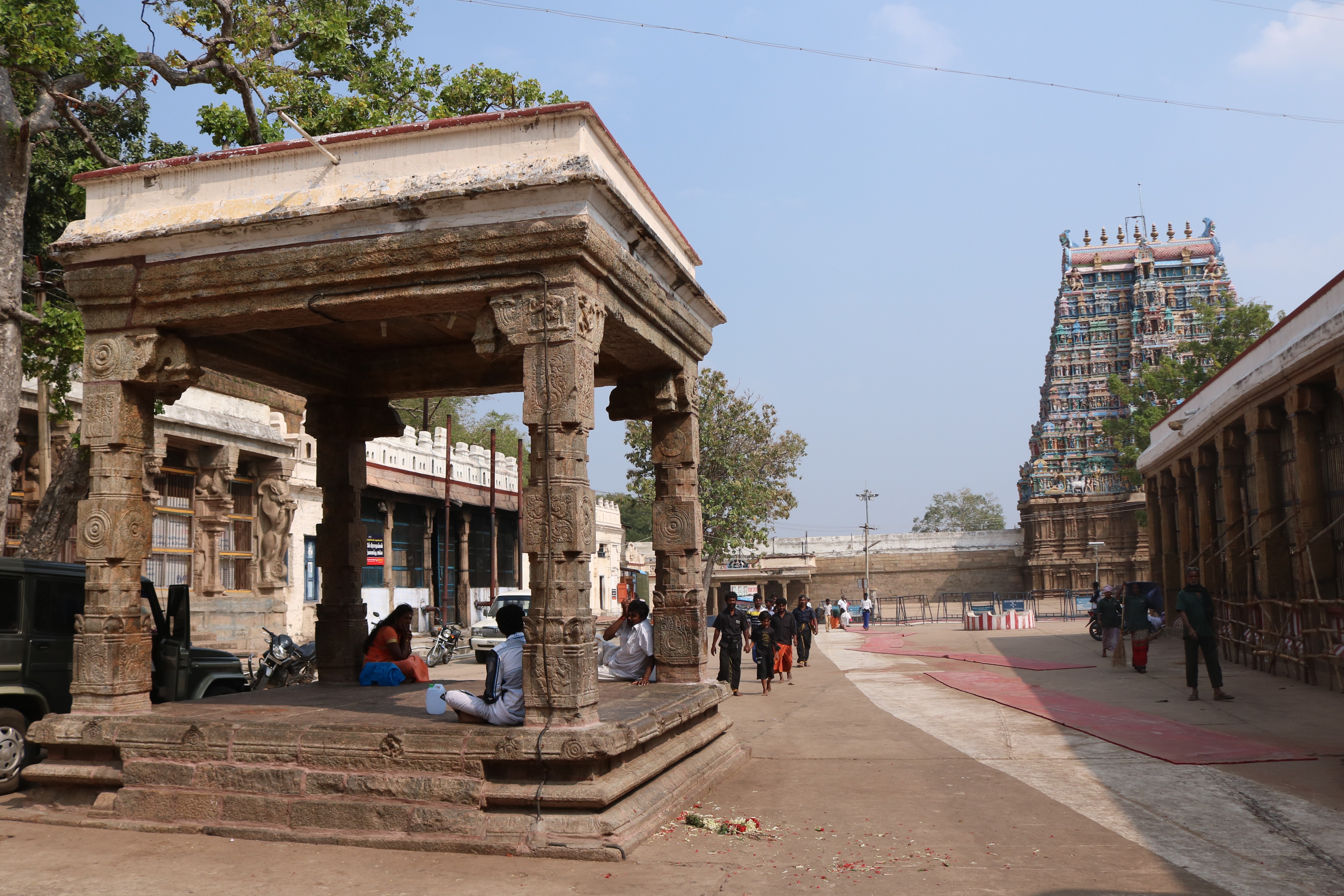
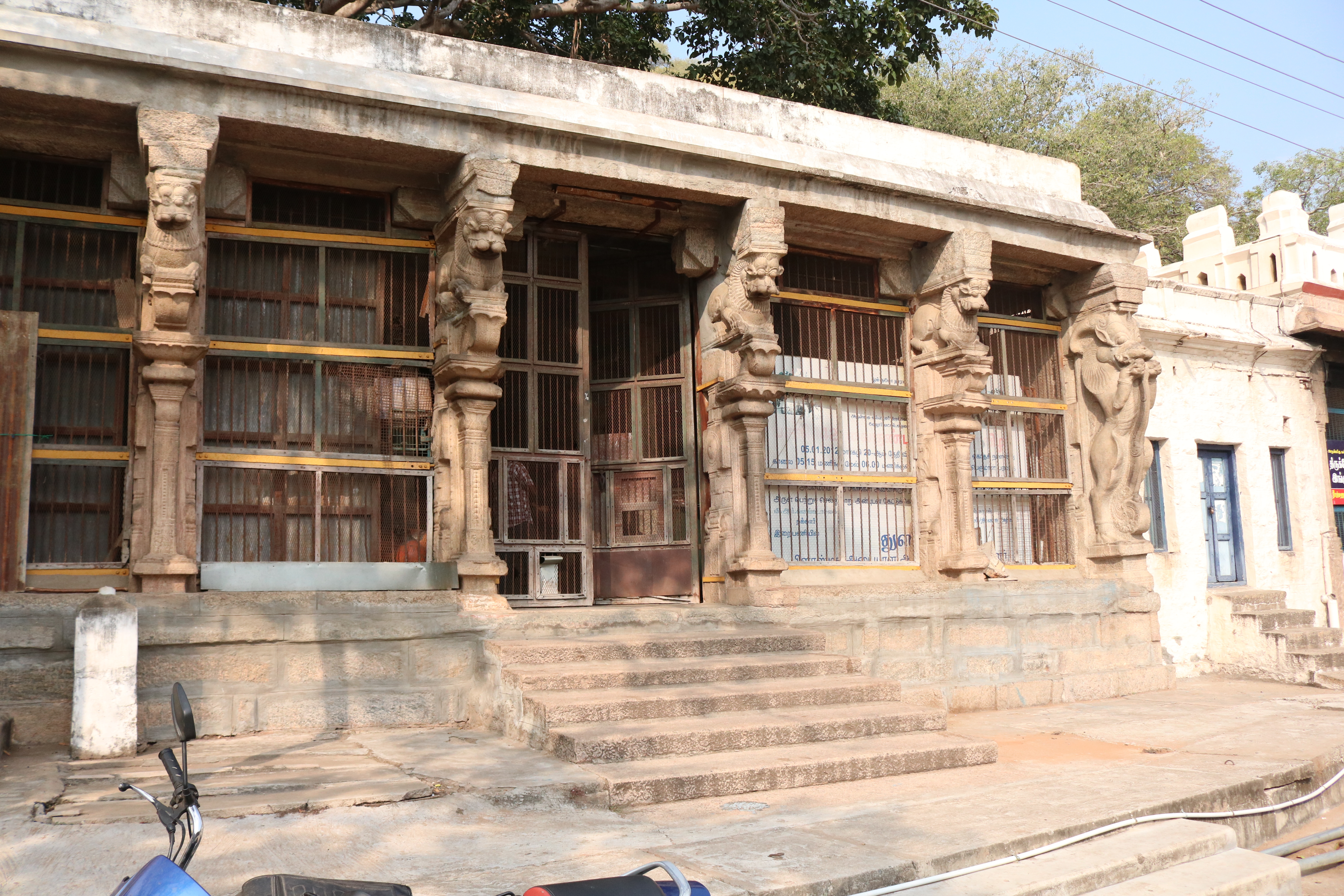
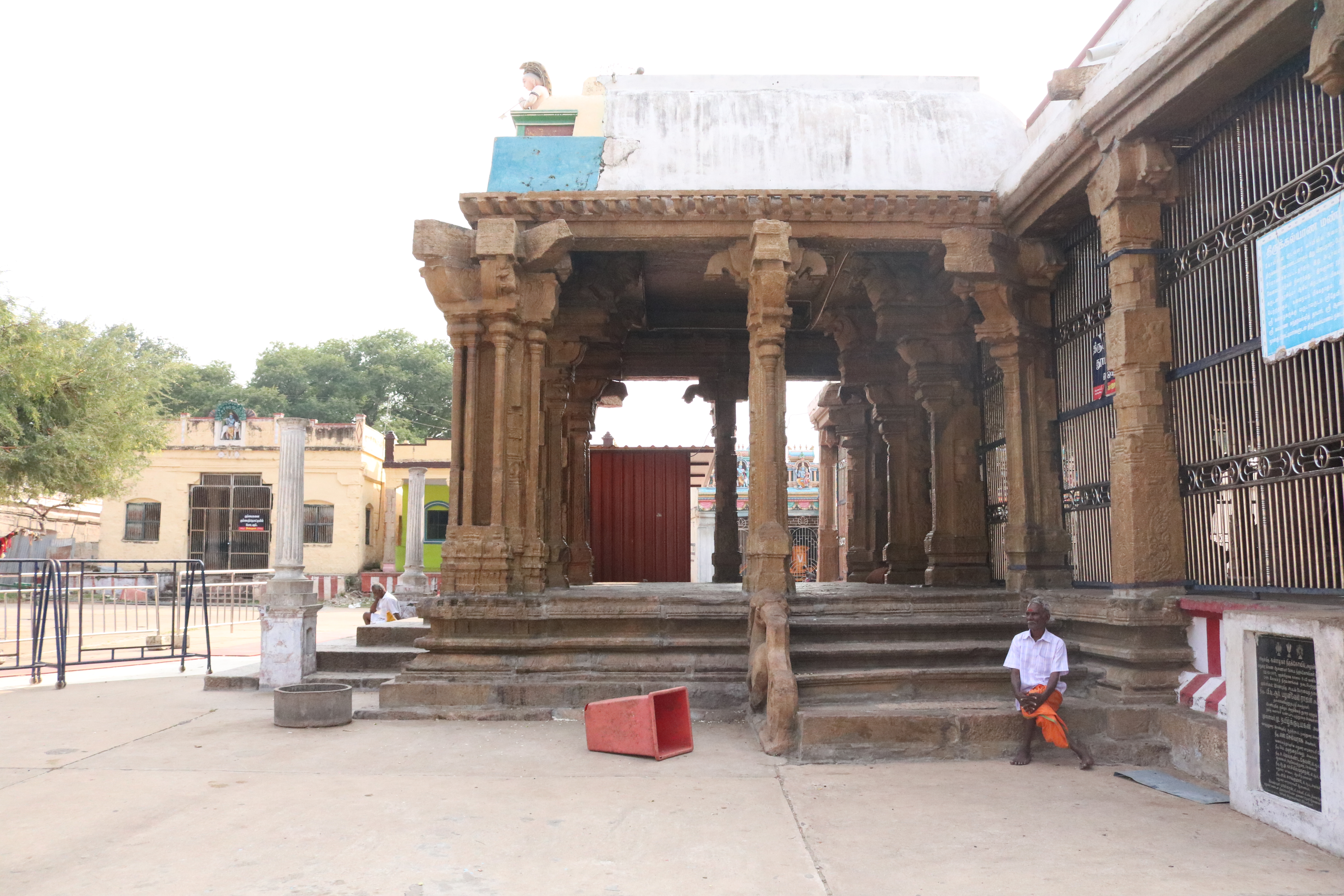
பதினெட்டாம்படிக் கருப்பசாமி கோயிலுக்கு எதிரில் உள்ள பதினாறுகால் மண்டபம் ‘சமய மண்டபம்’ அல்லது ‘ஆண்டார் மண்டபம்’ எனப்படும். ஆடி, சித்திரைத் திருவிழாக் காலங்களில் இக்கோயில் ஆசாரியரான ஆண்டார் இம்மண்டபத்தில் வீற்றிருப்பார். இதனையடுத்து வடபுறத்தில் உள்ளது கொண்டப்ப நாயக்கர் மண்டபமாகும். சித்திரைத் திருவிழாவில் மதுரைக்குப் புறப்படும் அழகர் இம்மண்டபத்தில் எழுந்தருளி இரவு உணவை முடித்துக்கொள்வார் என சொல்லப்படுகிறது.
அடுத்த நாள் விடியற்காலையில், சித்ரா பௌர்ணமி தினத்தில், தல்லாகுளம் பெருமாள் கோயிலிலிருந்து அழகர் குதிரை வாகனத்தில் வைகை ஆற்றை நோக்கி புறப்படுகிறார். புறப்படும் முன், ஸ்ரீவில்லிபுதூரிலிருந்து வந்த ஆண்டாளின் மாலையை சூடிக்கொண்டு, அந்த புனிதப் பயணத்தை ஆரம்பிக்கிறார். வைகை நதிக்கரையில் தன் சகோதரிக்கு தனது பிரசாதங்களை அருளுகிறார். சுந்தரேசுவரர்–மீனாட்சி திருமணம் மீண்டும் உருவாக்கப்பட்ட பின்னர், பக்தர்களுக்கு மூன்று வேளை அன்னதானம் வழங்கப்படுகிறது. சாதி, மத வேறுபாடுகளை கடந்த பிரம்மாண்டமான இத்திருவிழாவில் பல்லாயிரக்கணக்கான பக்தர்கள் மற்றும் பார்வையாளர்கள் ஒவ்வொரு வருடமும் கலந்து கொள்கின்றனர். விழாவின் பொழுது சாலையோரத்தில் அமைக்கப்பட்டுள்ள பந்தல்களில் பார்வையாளர்களுக்கு பல்வேறு வகையான சுவையான சிற்றுண்டிகள் வழங்கப்படுகின்றன. பின்னர், கள்ளழகர் தங்கக் குதிரையில் வைகை நதியை அடைகிறார்.
தினமும் காலை 5.30 மணிக்கு சுந்தராஜ பெருமாளுக்கு சுப்ரபாதம் மற்றும் திருப்பல்லாண்டு பாடப்பட்டு, அவர் முன்பு கிழக்கு நோக்கிய பசு நிறுத்தப்பட்டு துயில் எழுப்பப்படுகிறார். அவருக்கு பசுவின் பால் படைக்கப்படுகிறது. பின்பு காலை 6.00 மணிக்கு கோயில் நாதஸ்வர வித்வான் பூபாள ராகம் இசைக்க, மேளம் முழங்க கற்பூர ஆரத்தி நடைபெறுகிறது.
இதையடுத்து சுத்த தந்யாசி ராகத்தில் மேளம் முழங்க, திருப்பாவை பாடல்கள் பாடப்பட்டு காலசந்தி வழிபாடு நடைபெறுகிறது. இவ்வழிபாட்டின் போது அக்கார அடிசில் என்னும் உணவு பெருமாளுக்கு படைக்கப்படுகிறது.இதையடுத்து ஸ்ரீ ராகத்தில் மேளம் முழங்க, உச்சிகால வழிபாடு நடைபெறுகிறது. இவ்வழிபாட்டின் போது புளியோதரை பெருமாளுக்கு படைக்கப்படுகிறது.
மாலை 5.00 மணிக்கு கல்யாணி ராகத்தில் மேளம் முழங்க, சாயரட்சை வழிபாடு துவங்கி ஹம்சநாதம் எனும் ராகத்துடன் முடிகிறது. இவ்வழிபாட்டின் போது வெண்பொங்கல், அதிரசம், லட்டு ஆகியவை பெருமாளுக்கு படைக்கப்படுகின்றன. மாலை 6.00 மணிக்கு நடைபெறும் ஸ்ரீபலியில் 'நலந்திகழ் நாரணன்' என்றழைக்கப்படும் வெள்ளித் திருமேனியை சுமந்து கொண்டு கோயிலின் மூன்றாவது திருச்சுற்று மாளிகையை வலம் வருகின்றனர். ஸ்ரீபலியின் போது பூரிகல்யாணி ராகத்தில் தொடங்கி வாசஸ்பதி ராகத்தில் முடிக்கின்றனர்.
அடுத்தபடியாக மாலை 6.30-7.00 மணிக்கு 'நித்தியானு சந்தான கோஷ்டி விநியோகம்' நடைபெறும். இவ்வழிபாடு ஷண்முகப்பிரியா ராகத்துடன் ஆரம்பித்து, சுந்தரபாஹுஸ்தவம் எனும் வடமொழி நூலும், ஆழ்வார்களின் 30 பாசுரங்களும் பாடப்பட்டு, நவலோகத்தால் ஆன மணி ஒலிக்கப்பட்டு, அழகருக்கு தோசை நைவேத்தியம் செய்யப்பட்டு நிறைவடைகிறது.
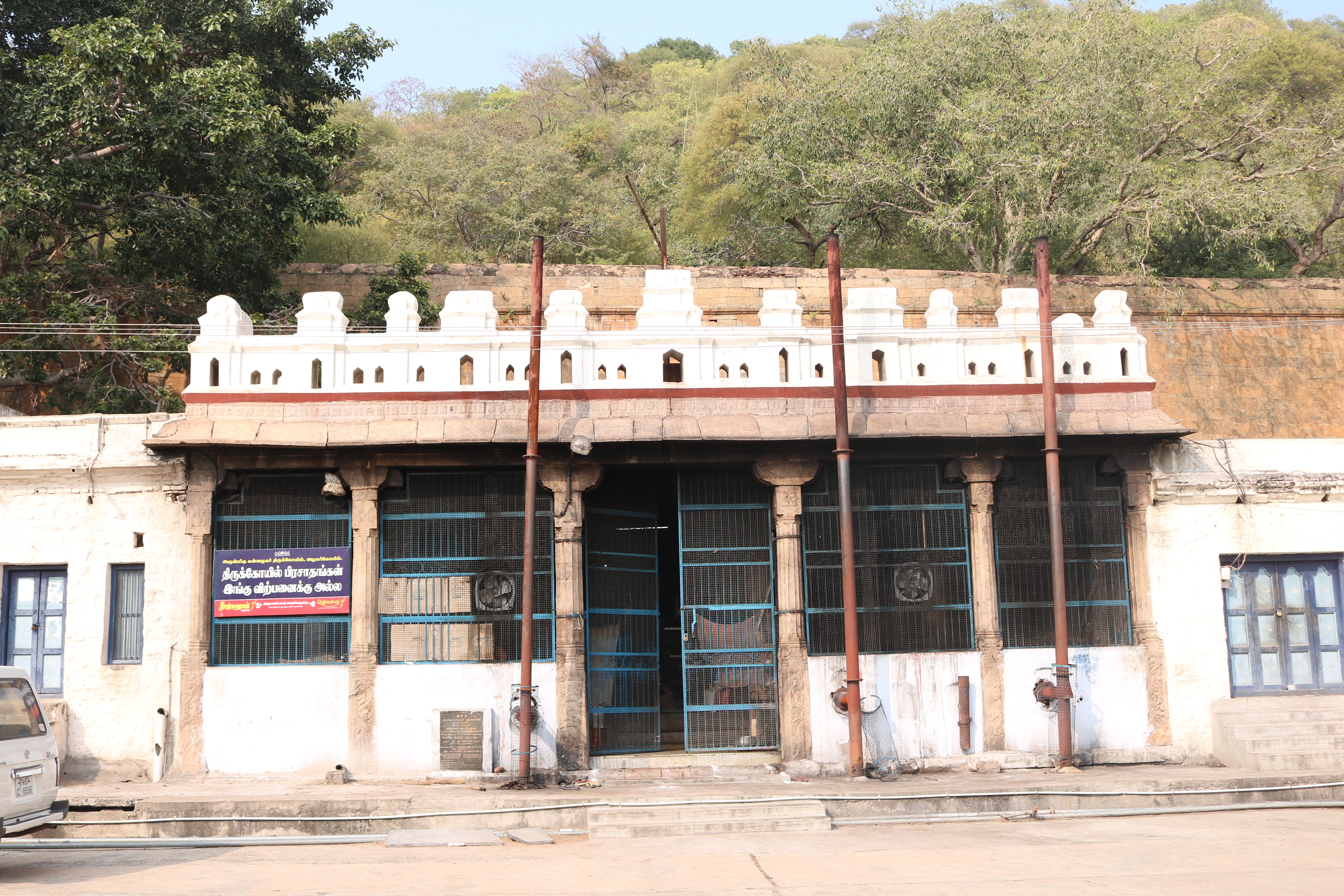
இதையடுத்து அழகருக்கு படைக்கப்பட்ட தோசை (மூன்று அங்குலம் கனம் உடையது), வடை, சுண்டல் ஆகிய பிரதாசங்களும், தீர்த்தம், சந்தனம் மற்றும் சடாரி பக்தர்களுக்கு வழங்கப்படுகிறது. நாள் ஒன்றுக்கு ஒரு தோசையும், வெள்ளிதோறும் இரண்டு தோசைகளும் இறைவனுக்கு படைக்கப்பட்டு பக்தர்களுக்கு பகிர்ந்து அளிக்கப்படுகிறது. உலக பிரசித்தி பெற்ற இந்த தோசை விலைக்கு விற்கப்படுவதில்லை.
இதையடுத்து மோகன ராகம் முழங்க, அர்த்தசாம வழிபாடு நடைபெறுகிறது. இவ்வழிபாட்டின் போது சம்பாச்சாதம், மற்றும் பால் பெருமாளுக்கு படைக்கப்படுகிறது. இது முடிந்தவுடன் அழகர் கோயிலுக்கு வெளியில் உள்ள 18 ஆம் படி கருப்புசாமி கோயிலில் காம்போஜி ராகம் முழங்க அர்த்தசாம வழிபாடு முடிகிறது.
அழகர் கோயிலில் உள்ள கல்யாணசுந்தரவல்லி தாயார் ஒவ்வொரு வெள்ளிக்கிழமையும் வெள்ளிக்கிழமை கொறடு என்னும் அழகிய மண்டபத்தில் ஊஞ்சலில் எழுந்தருளுகிறார்.
இங்குள்ள பழமையான கல்வெட்டு பொது ஆண்டு 10ஆம் நூற்றாண்டை சேர்ந்த சோழ மன்னன் இராஜராஜனின் 22 ஆம் ஆட்சியாண்டு கல்வெட்டாகும். இது இக்கோவிலுக்கு தரப்பட்ட நிலக்கொடையை பற்றி தெரிவிக்கிறது. அழகர் கோயிலில் காணப்படும் கல்வெட்டுகளிள், கோயிலுக்கு தானம் அளிக்கப்பட்ட ஊர் பெயர்கள், தானம் அளித்தவர்களின் பெயர்கள், கோயில் அக்கிரகாரங்கள், கோயிலில் செய்யப்பட்ட திருப்பணிகள், கோயிலில் நடைபெற்ற திருவிழாக்கள், தேரோட்டங்கள் மற்றும் சிறப்பு பூசைகள், இக்கோயில் இறைவன் பெயரில் இயற்றப்பட்ட பாசுரங்கள், கோயிலையொட்டி இயங்கி வந்த மடங்கள், திருநந்தவனபுறம் மற்றும் திருவிளக்குபுறம் அமைக்கப்பட்டதை பற்றிய குறிப்புகள் போன்ற பலதரப்பட்ட செய்திகளை தருகின்றன. இக்கல்வெட்டுகளின் மூலம் 1,000 ஆண்டுகளுக்கு முன் இப்பகுதியில் வாழ்ந்த மக்களின் அரசியல், சமுதாயம், வணிகம், வழிபாடு, சட்ட திட்டங்கள் மற்றும் பழக்கவழக்கங்களை நம்மால் புரிந்து கொண்டு அக்கால வரலற்றை மறு உருவாக்கம் செய்ய முடிகிறது.
இக்கோயில் கல்வெட்டு ஒன்றில் இவ்வூர், 'இராஜராஜப் பாண்டிநாட்டு, இராஜேந்திர சோழ வளநாட்டு கீழிரணியமுட்டத்து திருமாலிருஞ்சோலைசி எனக் குறிப்பிடுகிறது. இதன்மூலம் சோழ மன்னர்களான இராஜராஜன் மற்றும் இராஜேந்திர சோழன் ஆட்சி காலத்தில் (பொது ஆண்ட 10-11 ஆம் நூற்றாண்டு) பாண்டிய நாட்டின் இப்பகுதி சோழர்கள் வசம் இருந்தது தெரியவருகிறது.
பிள்ளைப் பல்லவராயன் என்பவரால் அமைக்கப்பட்ட ‘சாமந்த நாராயணச் சதுர்வேதிமங்கலம்’ என்ற அக்கிரகாரம் ஒன்று திருமாலிருஞ்சோலையில் இருந்ததை கல்வெட்டுகள் குறிப்பிடுகின்றன. இங்குக் கோயில் கொண்டுள்ள இறைவன் பெயரை கல்வெட்டுகள் ‘திருமாலிருஞ்சோலை ஆழ்வார்’, ‘திருமாலிருஞ்சோலைப் பரமஸ்வாமி’, ’அழகர்’, ‘அழகர் திருச்சிறுக்கர்’, ‘அழகர் சிறுக்கர்’ எனக் கூறுகின்றன. இவற்றின் மூலம் பிற்காலப் பாண்டியர் காலத்திலேயே, ‘அழகர்’ என்ற பெயர் இறைவனுக்கு வழங்கியிருக்க வேண்டுமெனத் தெரிகிறது.
‘மிழலைக் கூற்றத்து நடுவிற்கூறு புள்ளூர்க்குடி முனையதரையனான பொன்பற்றியுடையான் மொன்னைப்பிரான் விரதமுடித்த பெருமாள்’ என்பவன் முனையதரையன் திருமண்டபத்தைக் கட்டினான் என்றும், ஆரியன் மண்டபத்தை தோமராசய்யன் மகனான இராகவராஜா என்பவன் கட்டினான் என்றும், பொன்மேய்ந்த பெருமாள் மண்டபத்தை சுந்தரபாண்டியன் கட்டினானென்றும், தொண்டைமான் கோபுரத்தைச் செழுவத்துரர் காலிங்கராயர் மகனான தொண்டைமானார் செய்தமைத்தார் என்றும், பொது ஆண்டு 1464இல் திருமாலிருஞ்சோலை நின்றான் மாவலி வாணாதிராயன் உறங்காவில்லி தாசன் ஆணையின்படி இக்கோயிலில் உபானம் (அடித்தளம்) முதல் ஸ்தூபி வரை திருப்பணி செய்த திருவாளன் சோமயாஜிக்கு, குலமங்கலம் என்னும் சிற்றூர் தானம் செய்யப்பட்டது என்றும், இளையவில்லிதாசர் என்பவர் செய்த திருப்பணிக்காக அரிநாட்டுப் பராந்தகச் சதுர்வேதிமங்கலத்துச் சபையார் தேவதானமாகத் தந்த புனற்குளம் என்ற ஊர் இறையிலியாக்கப்பட்டது என்றும் பல செய்திகளை கல்வெட்டுகள் வாயிலாக அறிய முடிகிறது.
சுந்தரபாண்டியன் மண்டபத்தில் உள்ள பல தூண்களிலும், பதினெட்டாம்படி கோபுரத்தின் கீழ் உள்ள கல் தூணிலும் அவற்றை நிறுவ கொடை அளித்த நபர்களின் பெயர்கள் கல்வெட்டாக வெட்டப்பட்டுள்ளது. மற்றொரு கல்வெட்டில், 'அமைத்த நாராயணன்' என்று அழைக்கப்பட, ஆடி மாதம் 9ஆம் நாள் இறைவன் ஏறிவரும் தேர் பற்றிய குறிப்புகள் உள்ளன. முதலாம் குலசேகர பாண்டியன் காலத்தைச் சேர்ந்த ஒரு கல்வெட்டில், ’கப்பலூருடையான் முனையதரையனான சீராமன் உய்யவந்தான்’ என்பவன் ஆடி, ஐப்பசி, மார்கழி மாதங்களில் நடைபெறும் திருவிழாக்களின் பொழுது பிராமணர்களுக்கு உணவளிக்க தேவையான நிவந்தம் (கோயிற்செலவுக்கான நன்கொடை) அளித்தான் என்ற செய்தி காணப்படுகிறது.
பொது ஆண்டு 1656 (சகம் 1578) கல்வெட்டின் மூலம், இந்தக் கோயிலில் ஆடித் திருவிழா 10 நாட்கள் நடைபெற்றதையும், அந்த 10 நாட்களும் நாலாயிரத்திவ்விய பிரபந்தத்தின் முதல் ஆயிரம் பகுதி (இயல்) ஓதப்பட்டதையும் அறிய முடிகிறது. ‘குருகுலத்தரையன் சந்தி’, ‘அரச மிக்காரன் சந்தி’, ‘(குல)சேகரன் சந்தி’, ‘சுந்தரபாண்டியன் சந்தி’, ‘போசள வீரசோமதேவன் சந்தி’ போன்ற பூசைகளுக்கு நிலமளித்த செய்தியை கல்வெட்டுகள் தெரிவிக்கின்றன.
ஜடாவர்மன் முதலாம் குலசேகரபாண்டியனின் காலத்துக் கல்வெட்டொன்று 'குலசேகரன் மடம்’ என்ற ஒரு மடத்தினைக் குறிப்பிடுகிறது. இரண்டாம் திருச்சுற்றின் மேற்குச் சுவரில் வெளிப்புறமாக உள்ள ஒரு கல்வெட்டு, ’அமைத்த நாராயணன்’ மடத்திலும் ’வாணாதராயன்’ மடத்திலும் திரிதண்டி சன்னியாசிகளையும் அனுவிகளையும் உண்பிப்பதற்குத் தரப்பட்ட இறையிலி நிலக்கொடையினைக் குறிப்பிடுகின்றது.
பாண்டிய நாட்டுப் பகுதியில் இருந்த வாணாதிராயர்கள் என்னும் குறுநில மன்னர்கள் இக்கோயிலுக்கு பல திருப்பணிகள் செய்துள்ளனர். விஜயநகர மன்னர் கிருஷ்ணதேவராயரும் மதுரை நாயக்கர் அரசர்களும், அழகர் கோயிலின் வளர்ச்சிக்கு பல கொடைகள் அளித்து திருப்பணிகள் செய்துள்ளனர் என்பதை கல்வெட்டுகளின் மூலம் அறிய முடிகிறது.
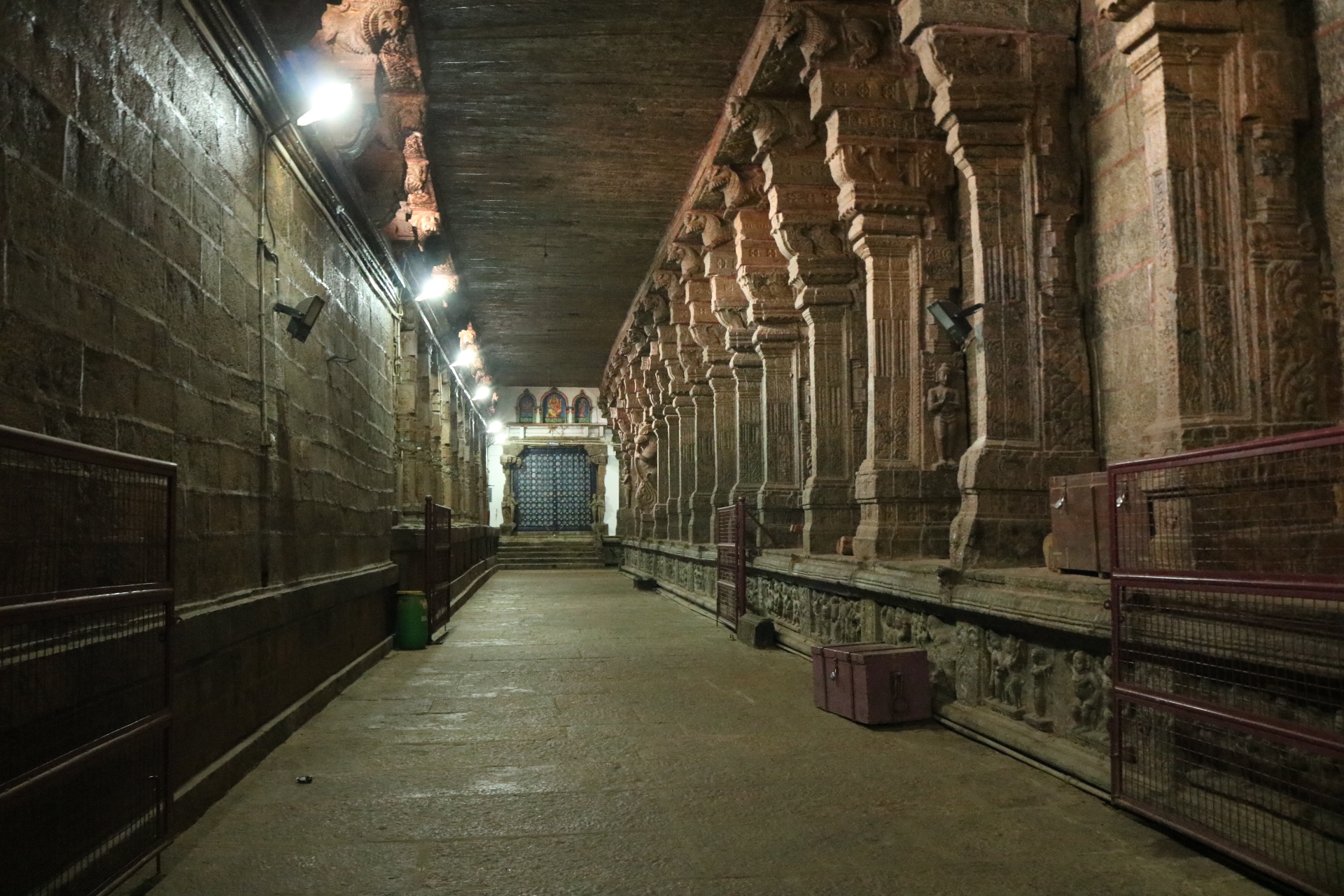
இரு மலைகள் சந்திக்கும் தென்திசை மலைச் சரிவில், அழகர் கோயில் கிழக்கு நோக்கி அமைந்துள்ளது. இக்கோயில், இரணியன் கோட்டை மற்றும் அழகாபுரிக் கோட்டை என்னும் இரண்டு கோட்டைகளால் சூழப்பட்டுள்ளது. இரு கோட்டைகளும் ஏறத்தாழ 100 ஏக்கர் பரப்பளவில் அமைந்துள்ளன. வடபக்கத்திலுள்ள உட்கோட்டையினைவிடத் தென்புறத்திலுள்ள வெளிக்கோட்டை ஏறத்தாழ நான்கு மடங்கு பெரிதாக உள்ளது.
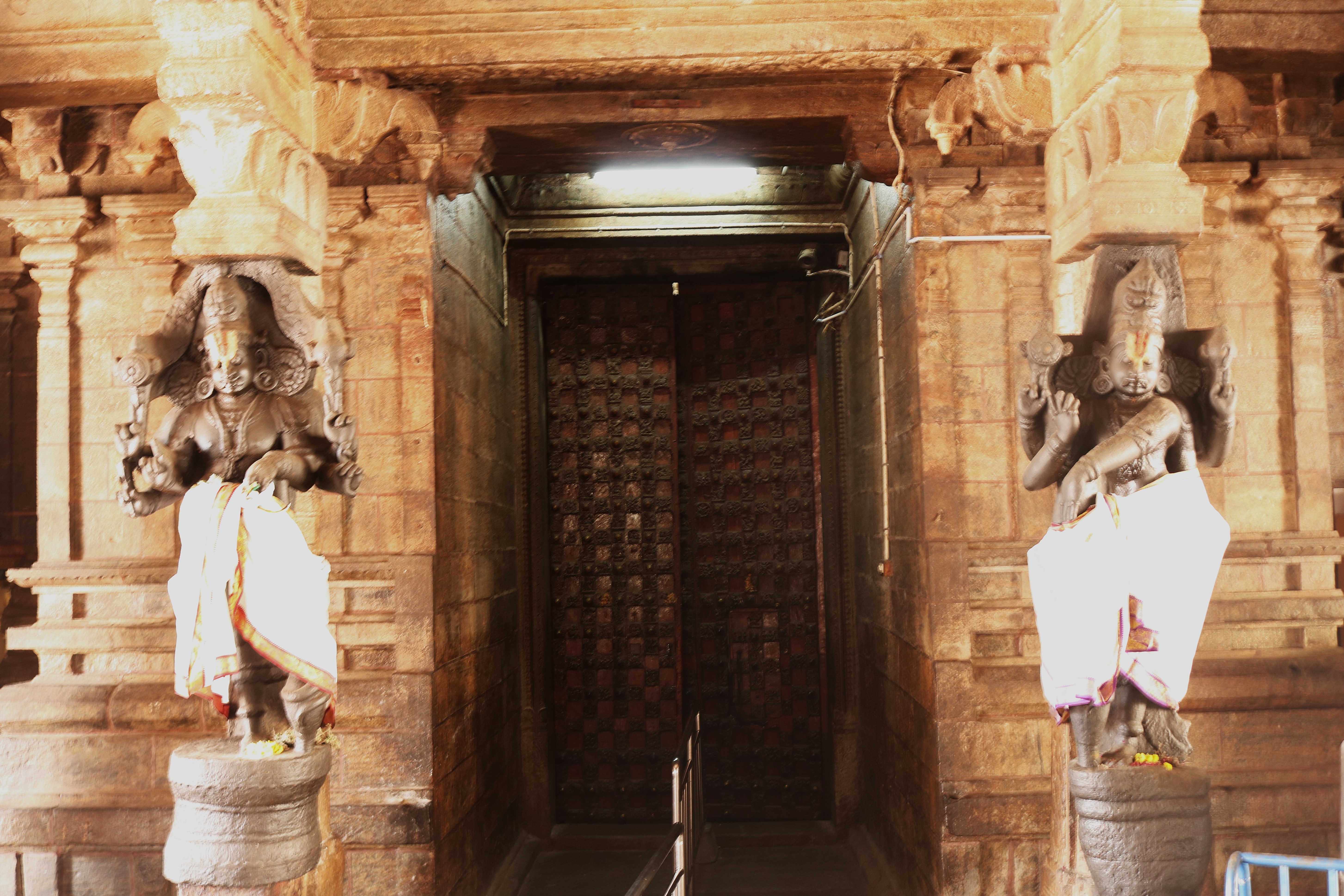
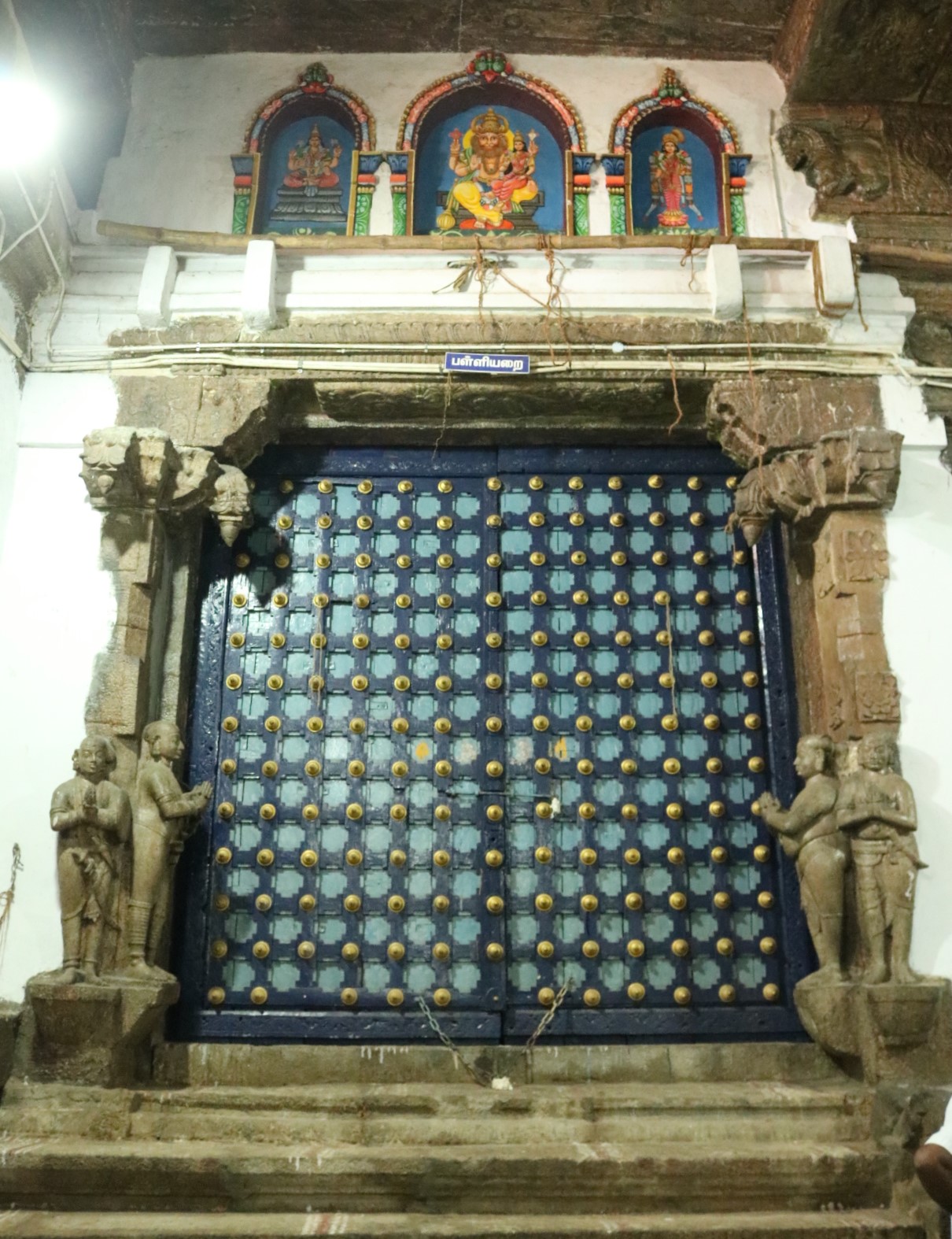
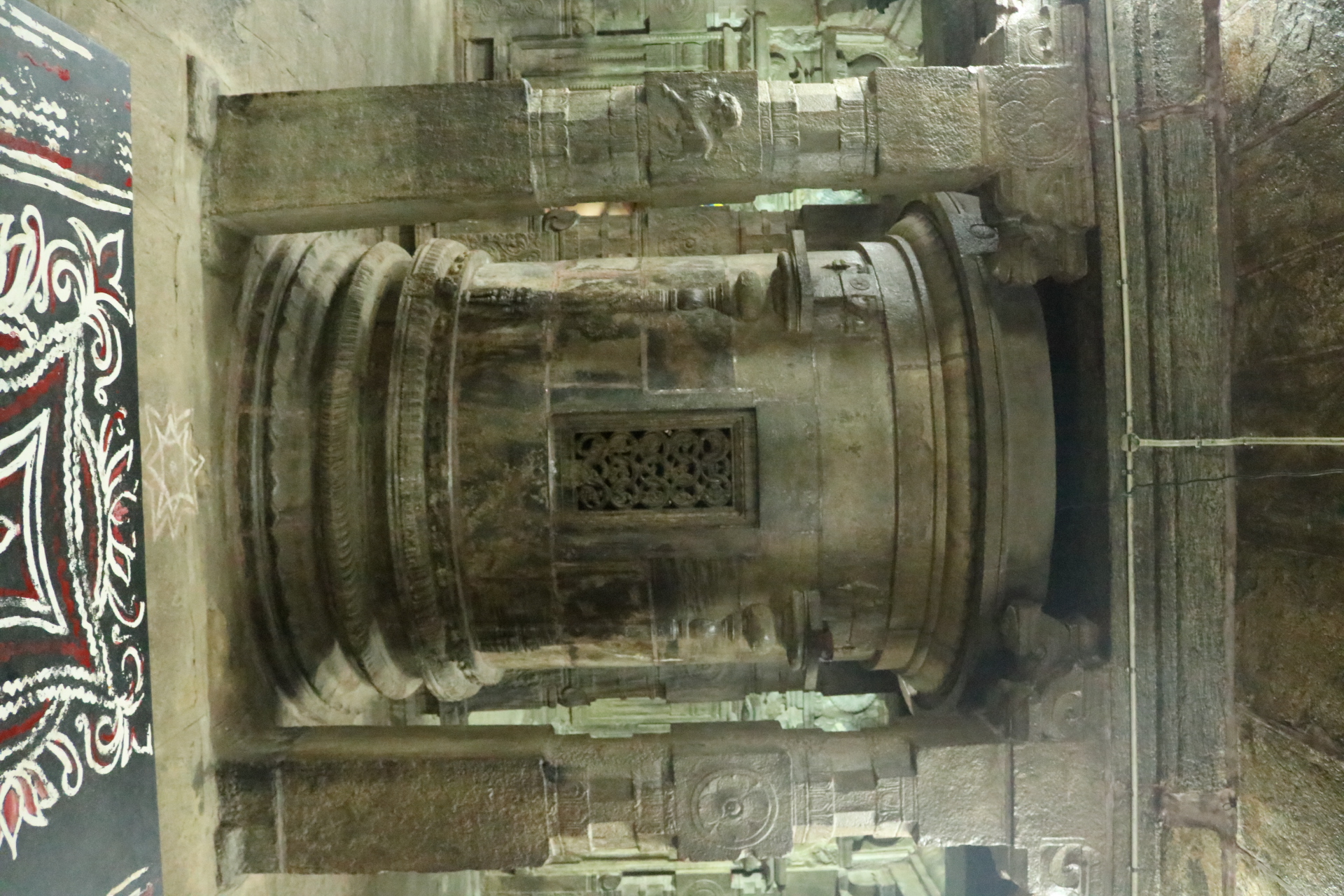
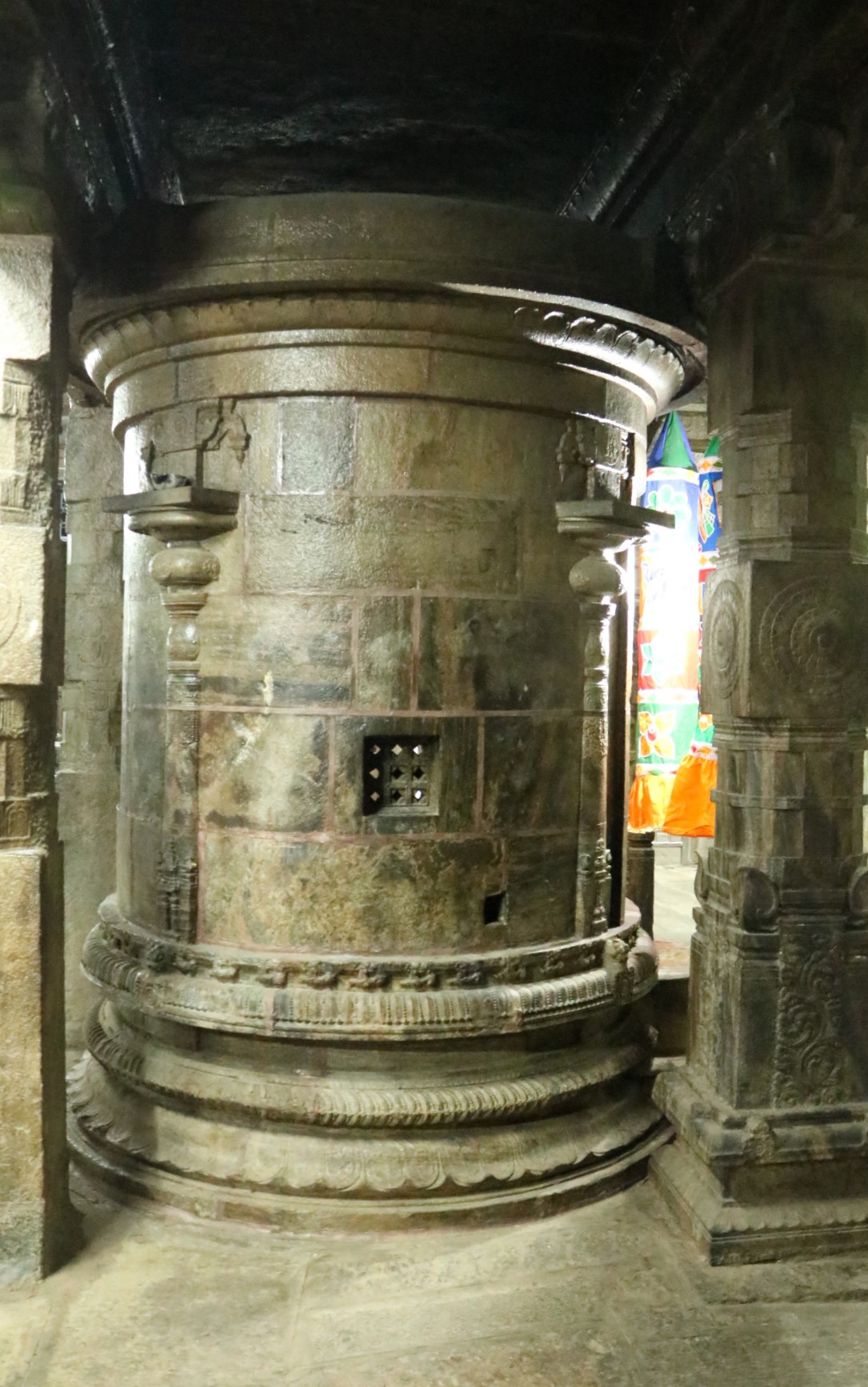
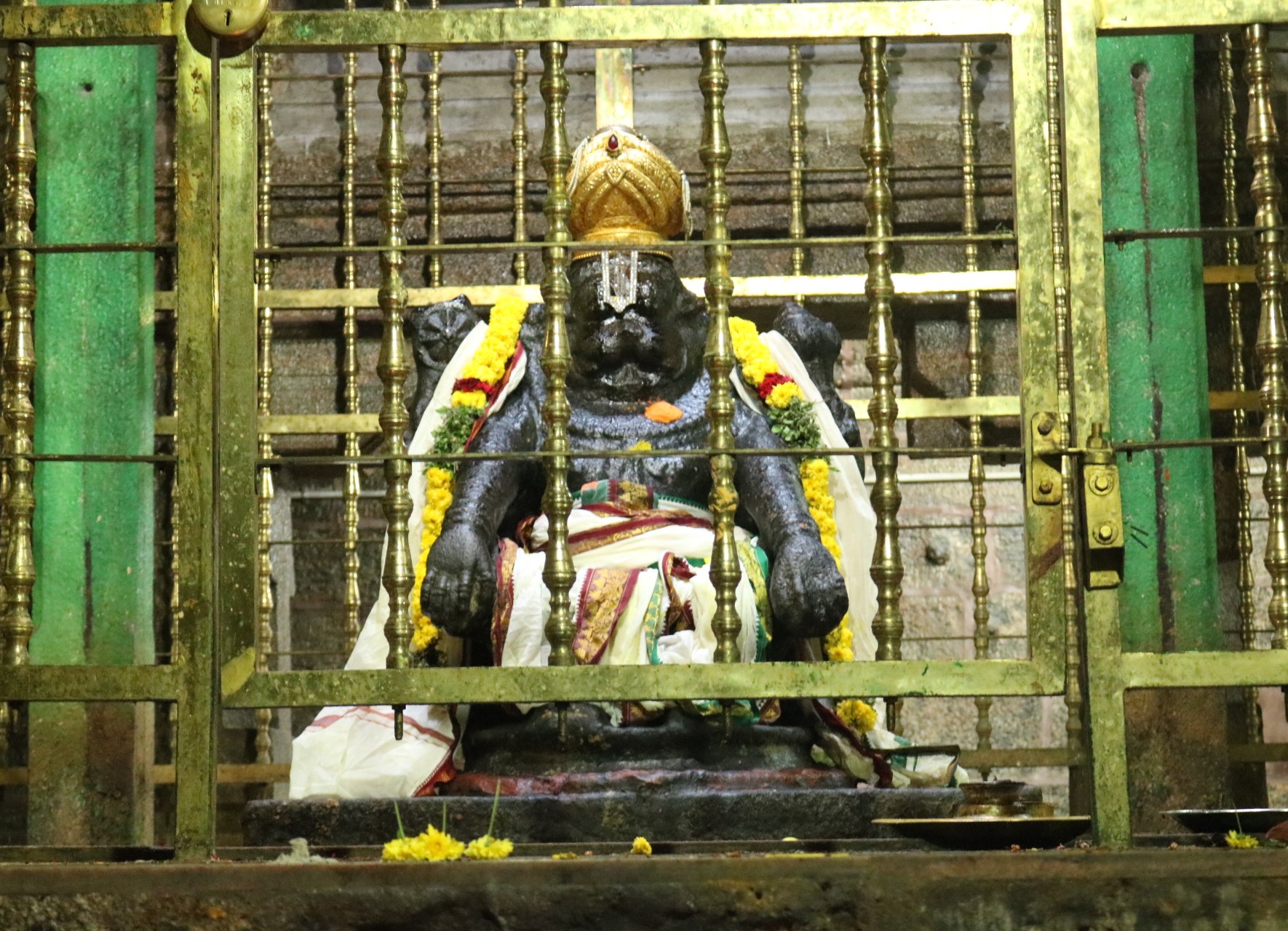
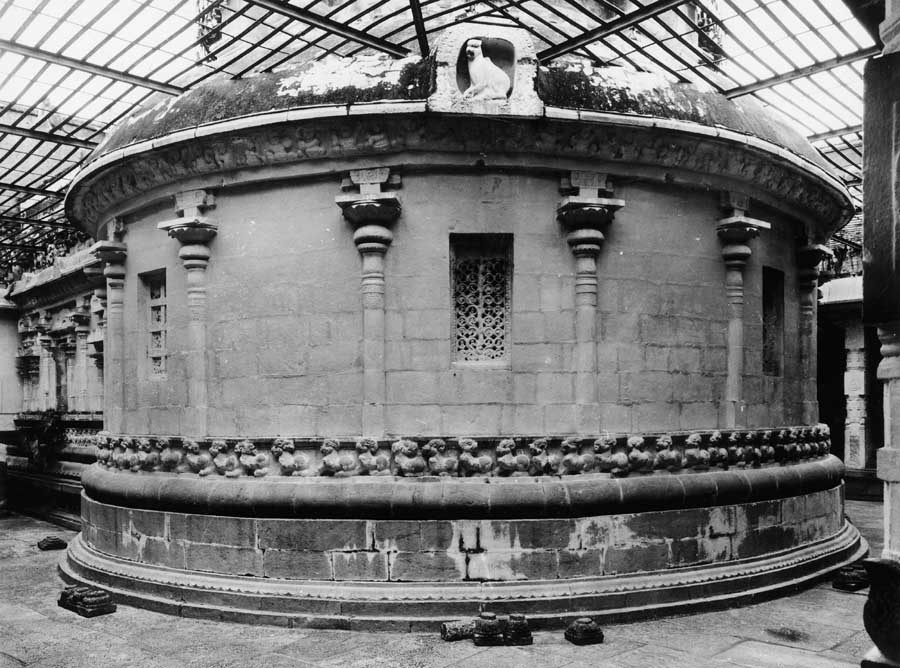
அழகர் கோயில் கருவறை வட்ட வடிவமைப்பை கொண்டுள்ளது. கருவறையினுள் வட்ட வடிவ திருச்சிற்றம் அமைக்கப்பட்டுள்ளது. கருவறைக்கு பின்பகுதியில், உயரமான ஒரு மண்டபத்தில் கிழக்கு நோக்கி யோக நரசிம்மர் அமைந்துள்ளார். இவருக்கு உக்கிர நரசிம்மர் மற்றும் ஜ்வாலா நரசிம்மர் என்ற பெயர்களும் உள்ளன.
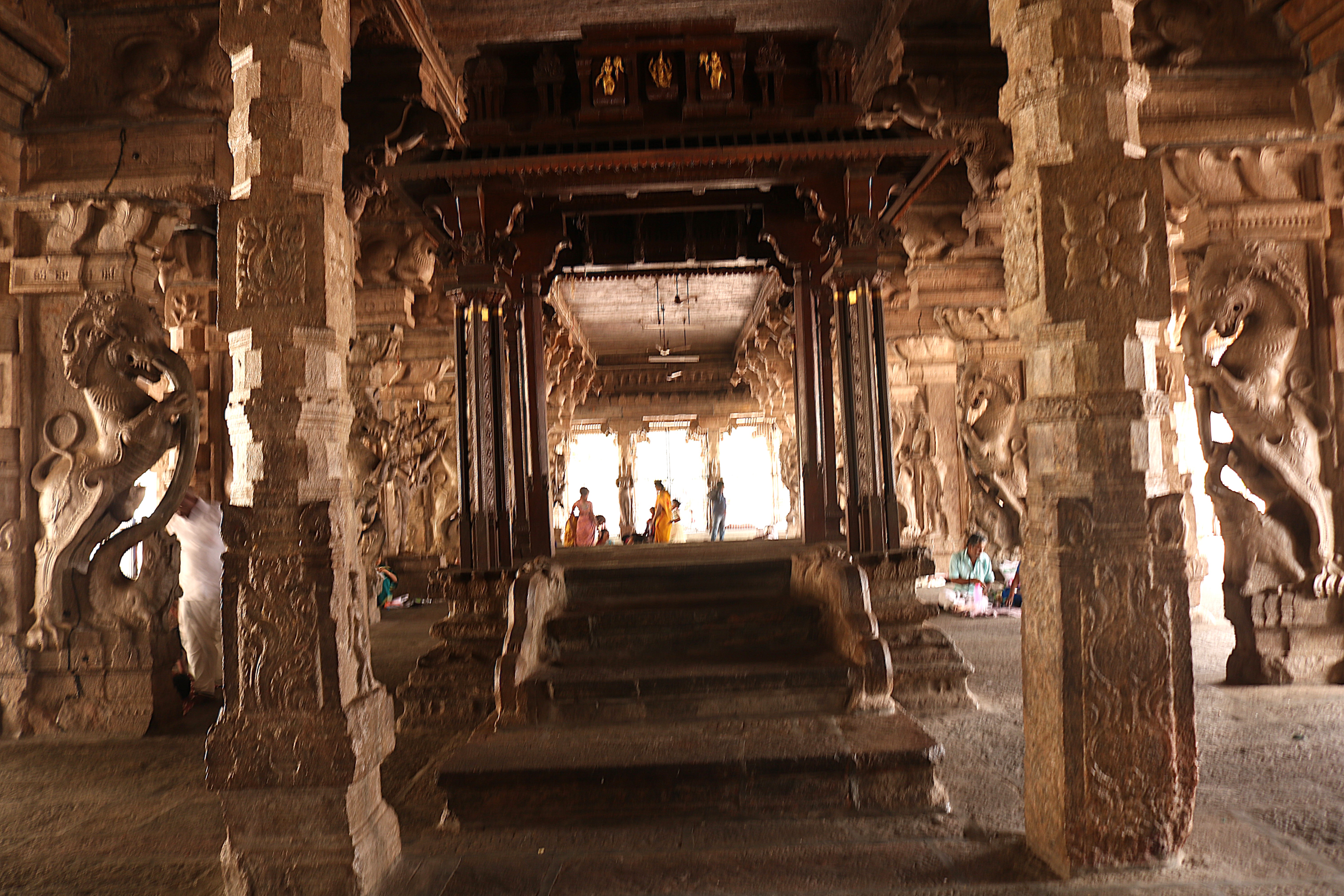
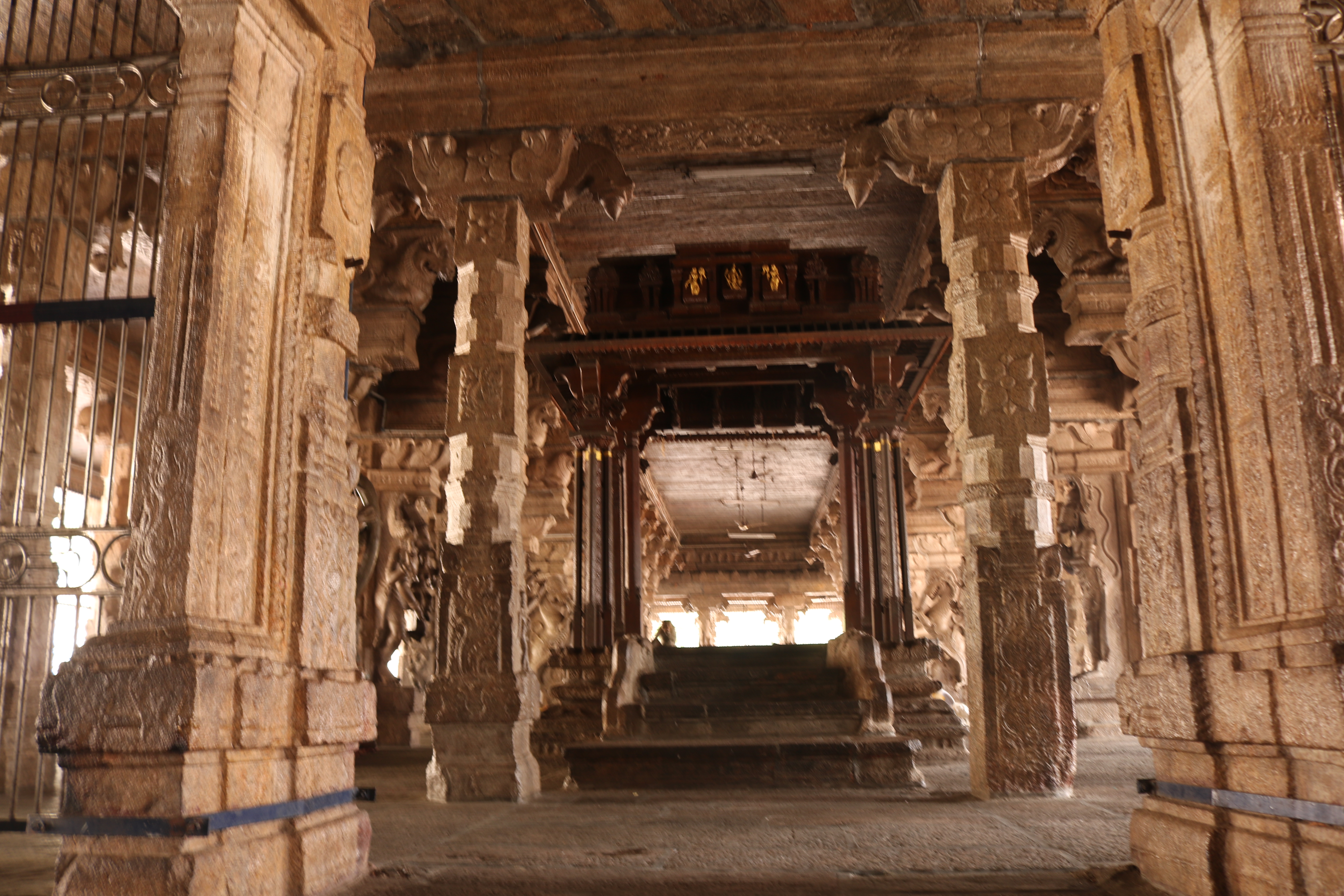
இக்கோயில் மகா மண்டபத்திற்கு, ‘அலங்காரன் மண்டபம்’ , ‘ முனையதரையன் திருமண்டபம்’ என்ற பெயர்களுள்ளன. இம்மண்டபத்தை அடுத்த வெளிப்புறமாக உள்ள மண்டபம் ’ஆரியன் மண்டபம்’ என வழங்கப்படுகிறது. இரண்டாம் திருச்சுற்றிலிருந்து பத்துப் படிகள் ஏறி இம்மண்டபத்தை அடைய வேண்டியுள்ளதால், இதற்குப் ’படியேற்ற மண்டபம்’ என்ற பெயருமுண்டு.
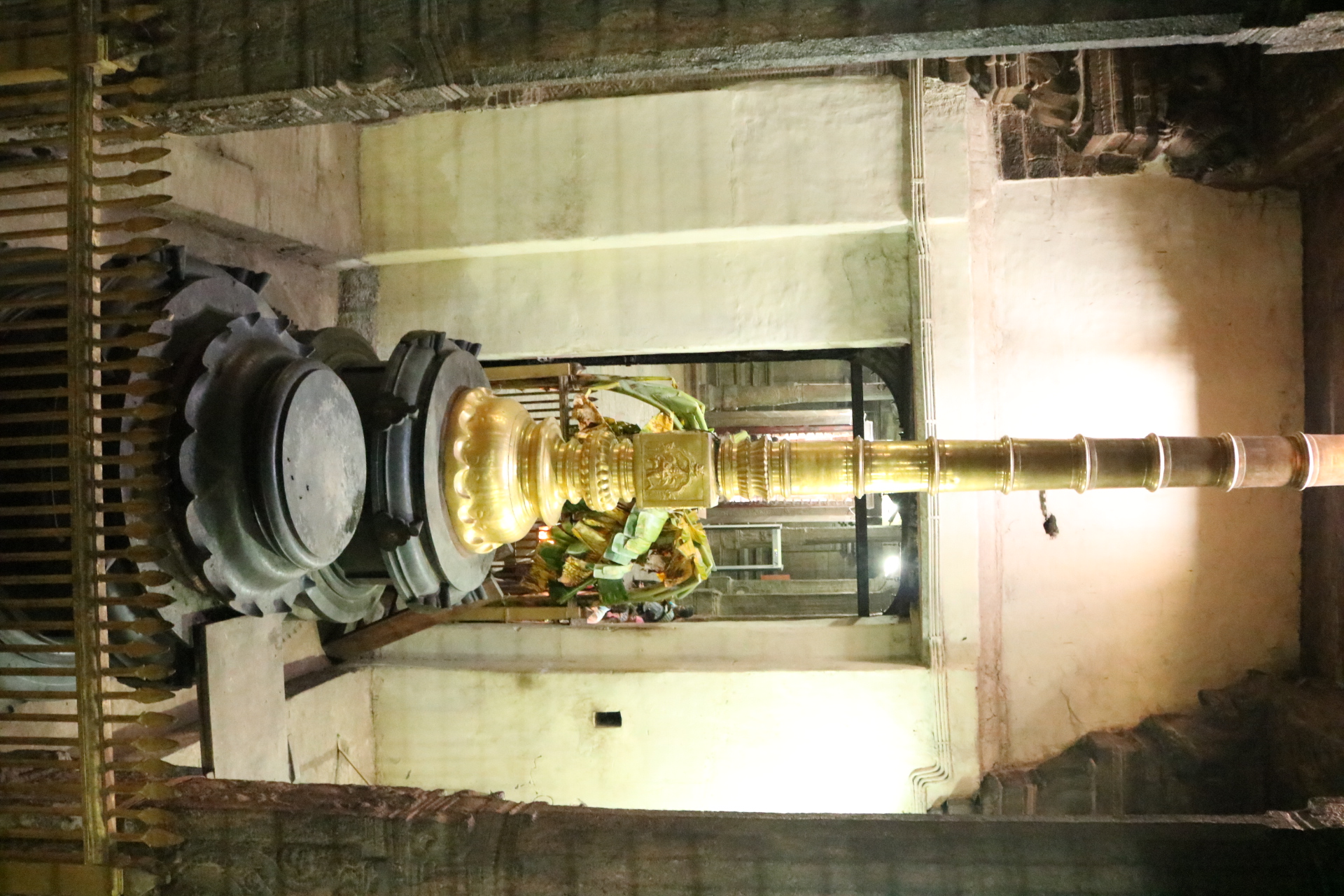
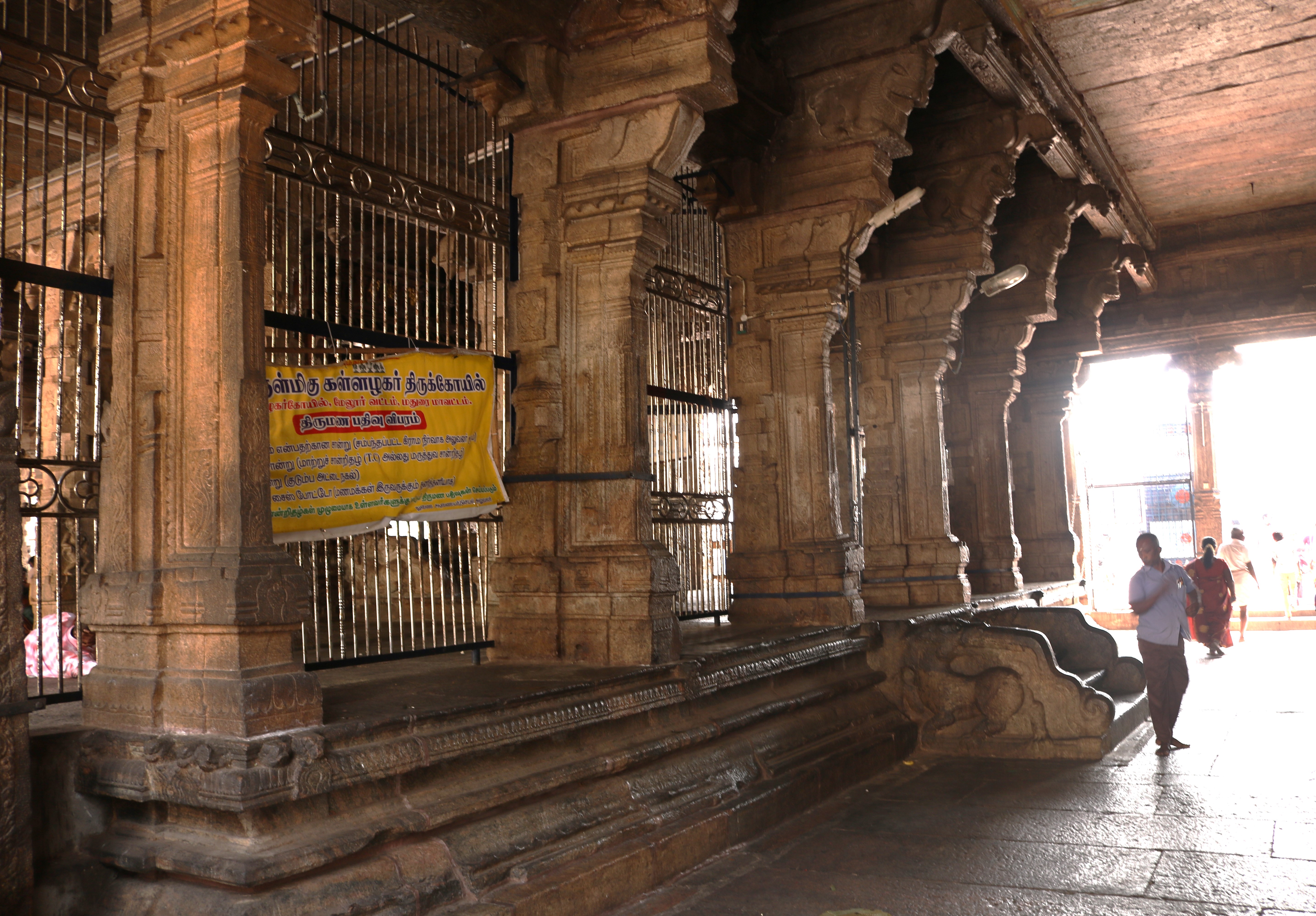
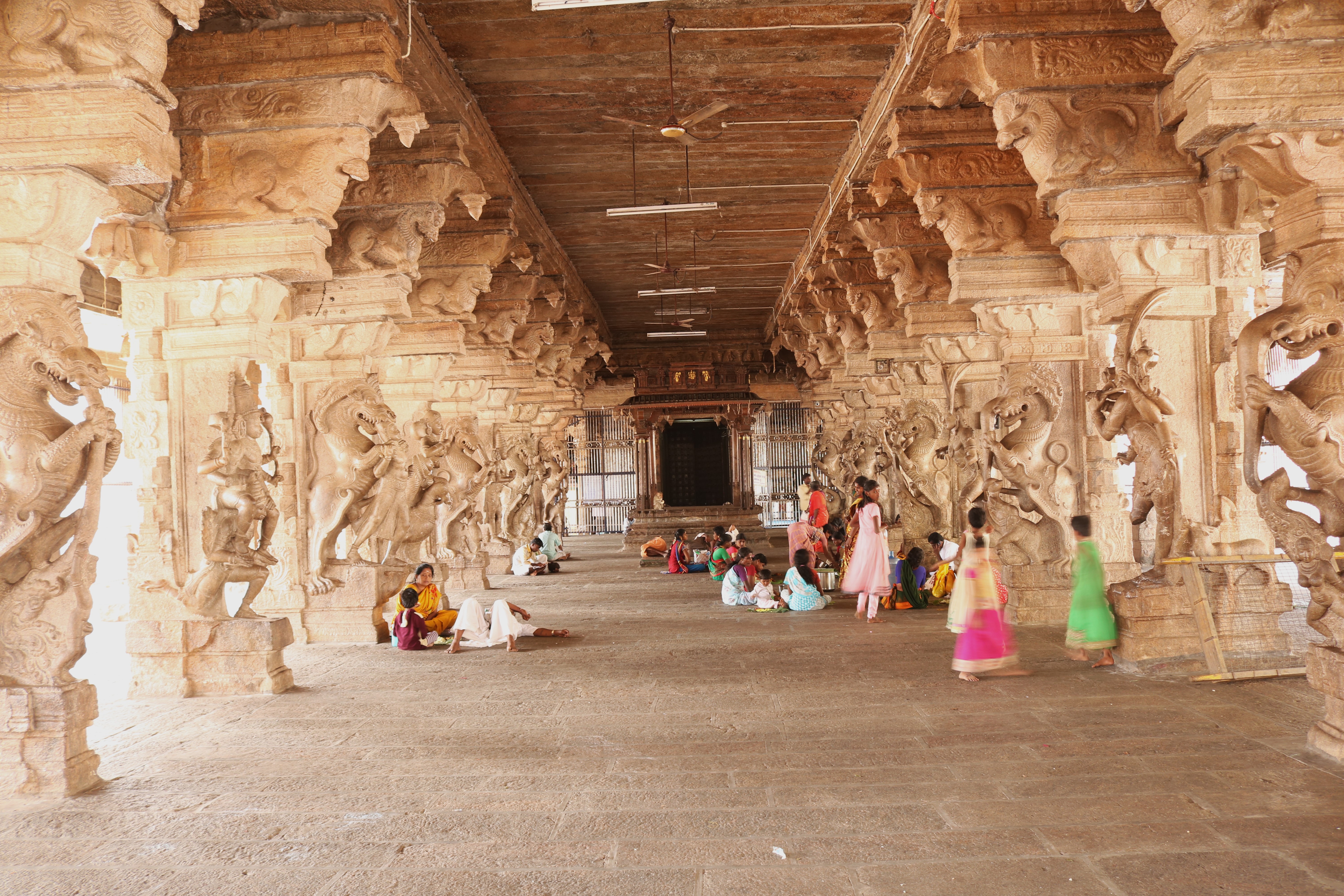
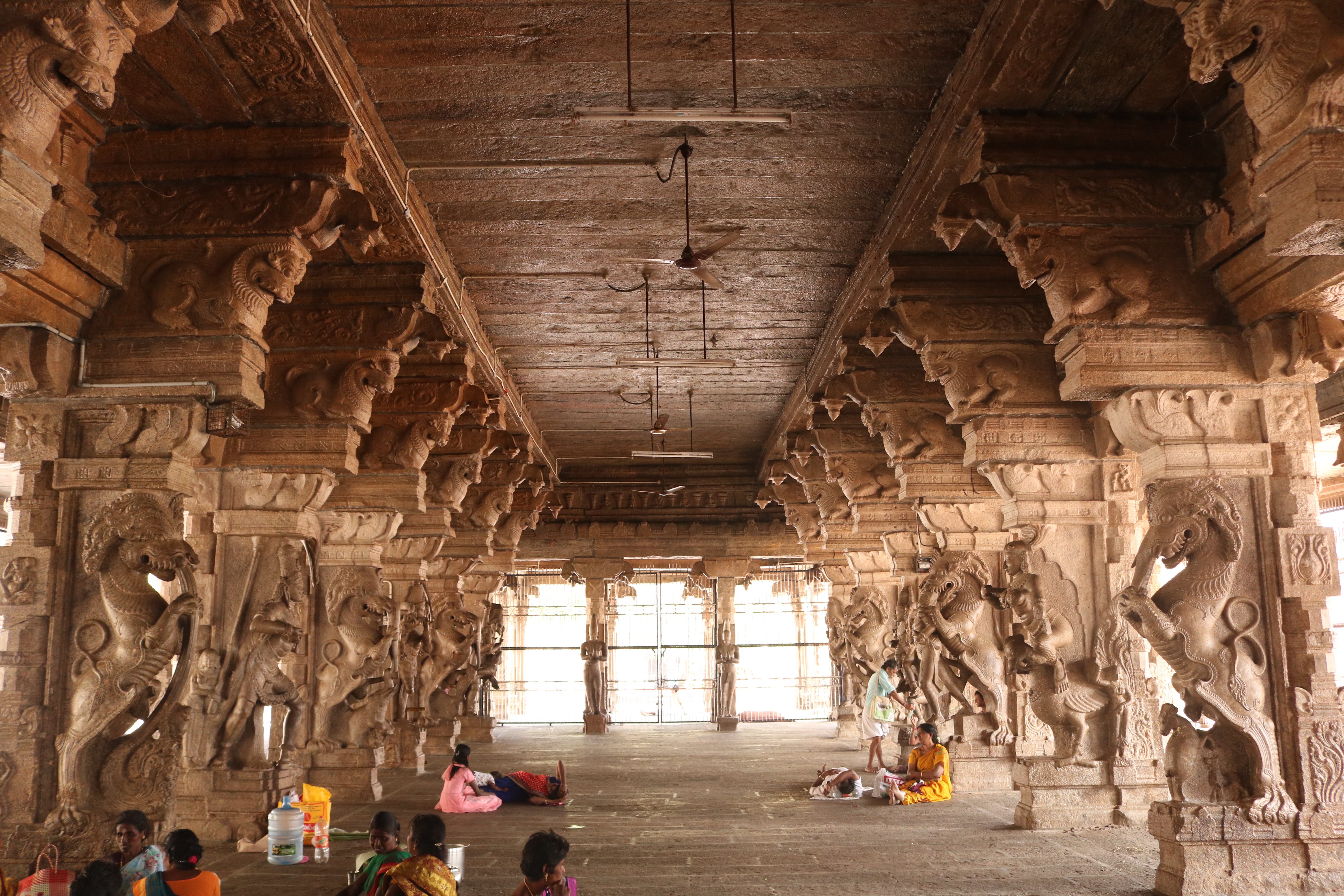
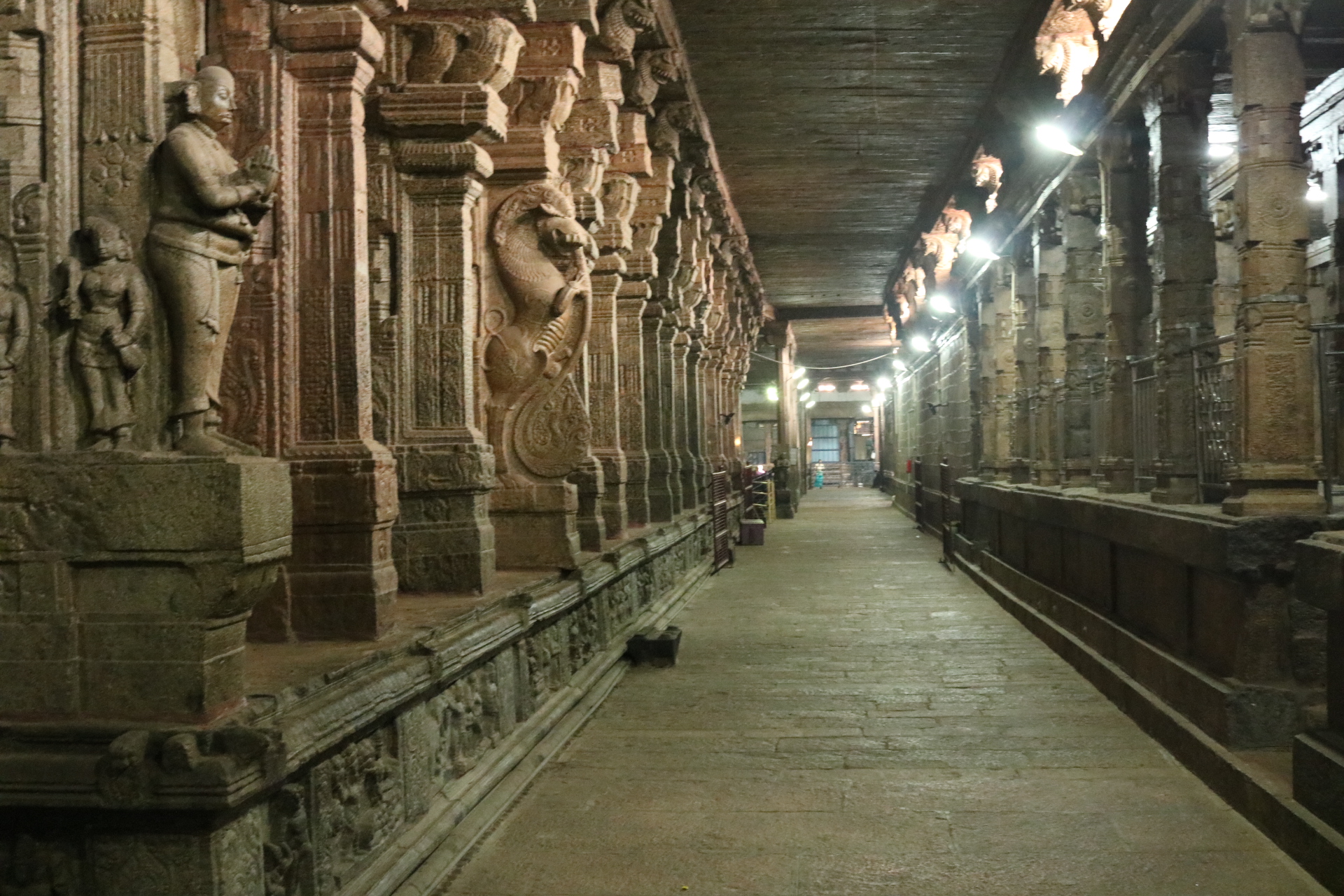
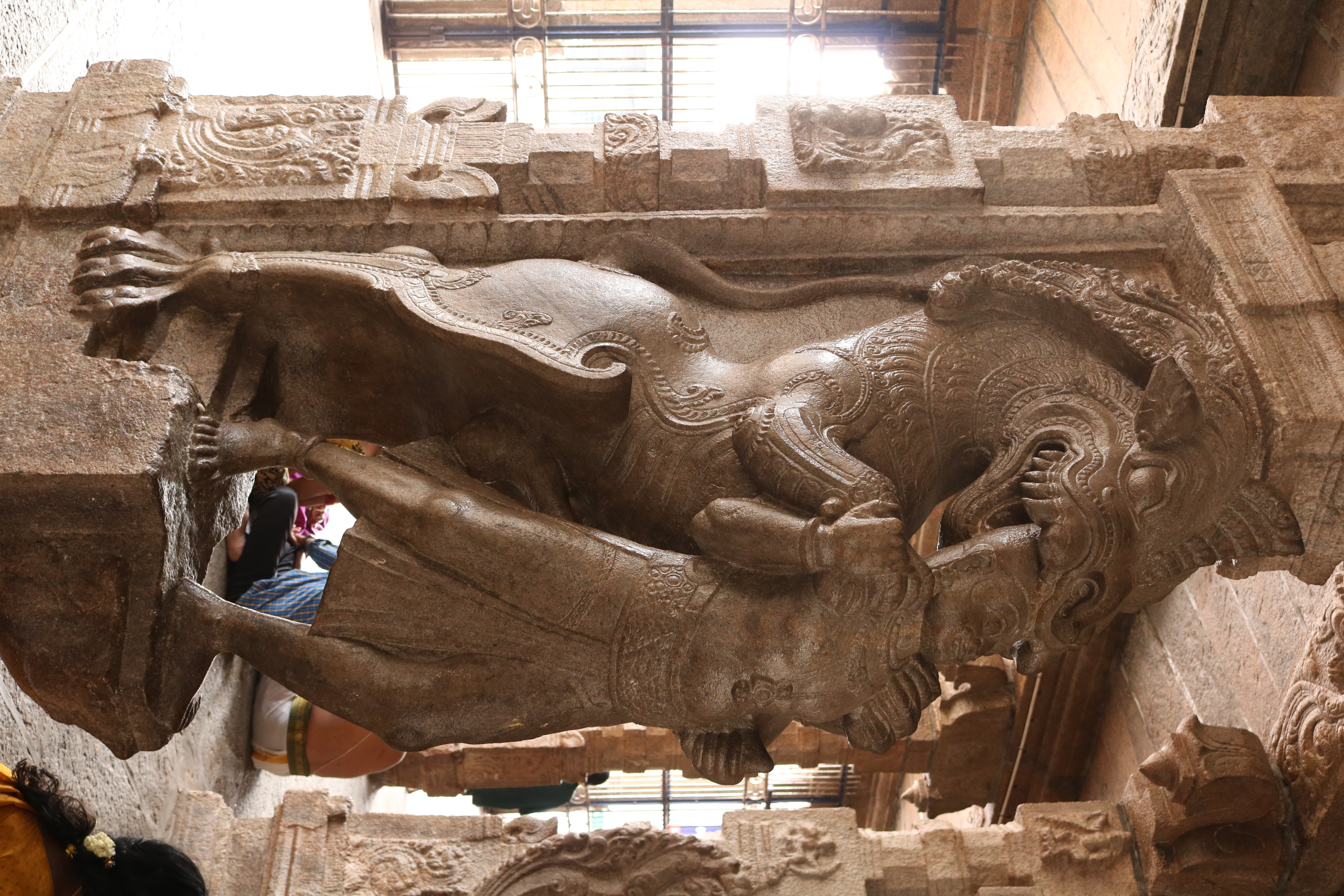
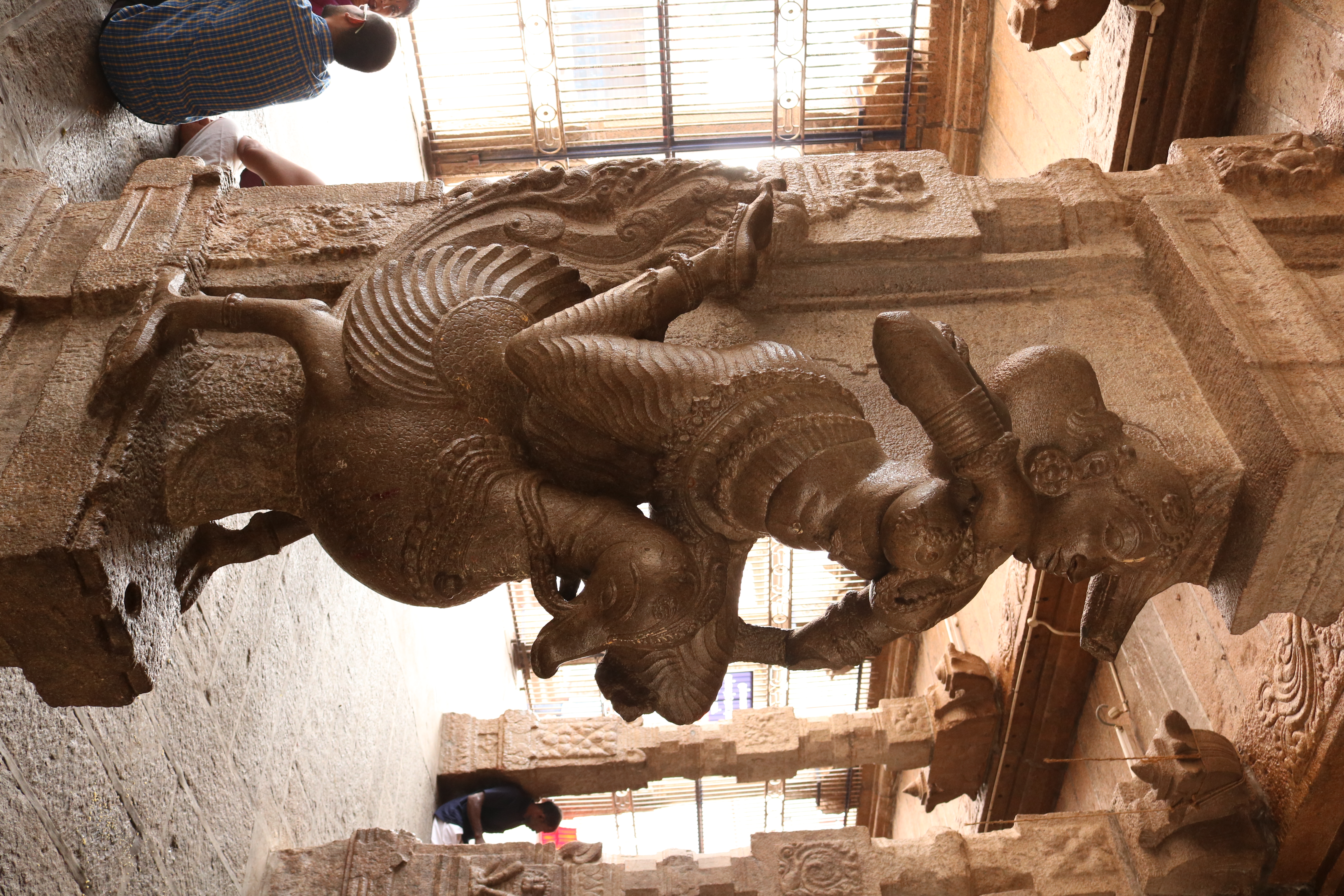
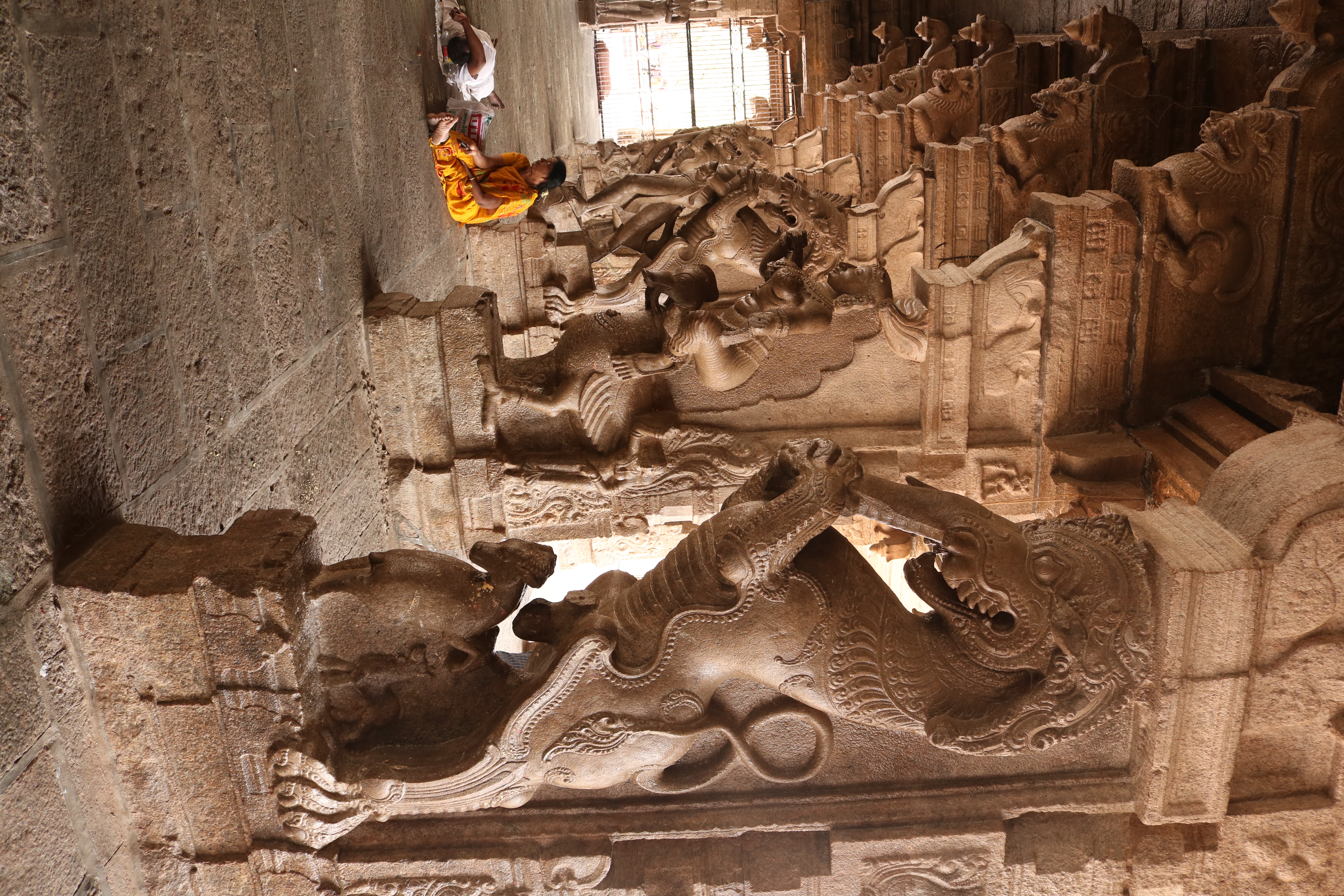
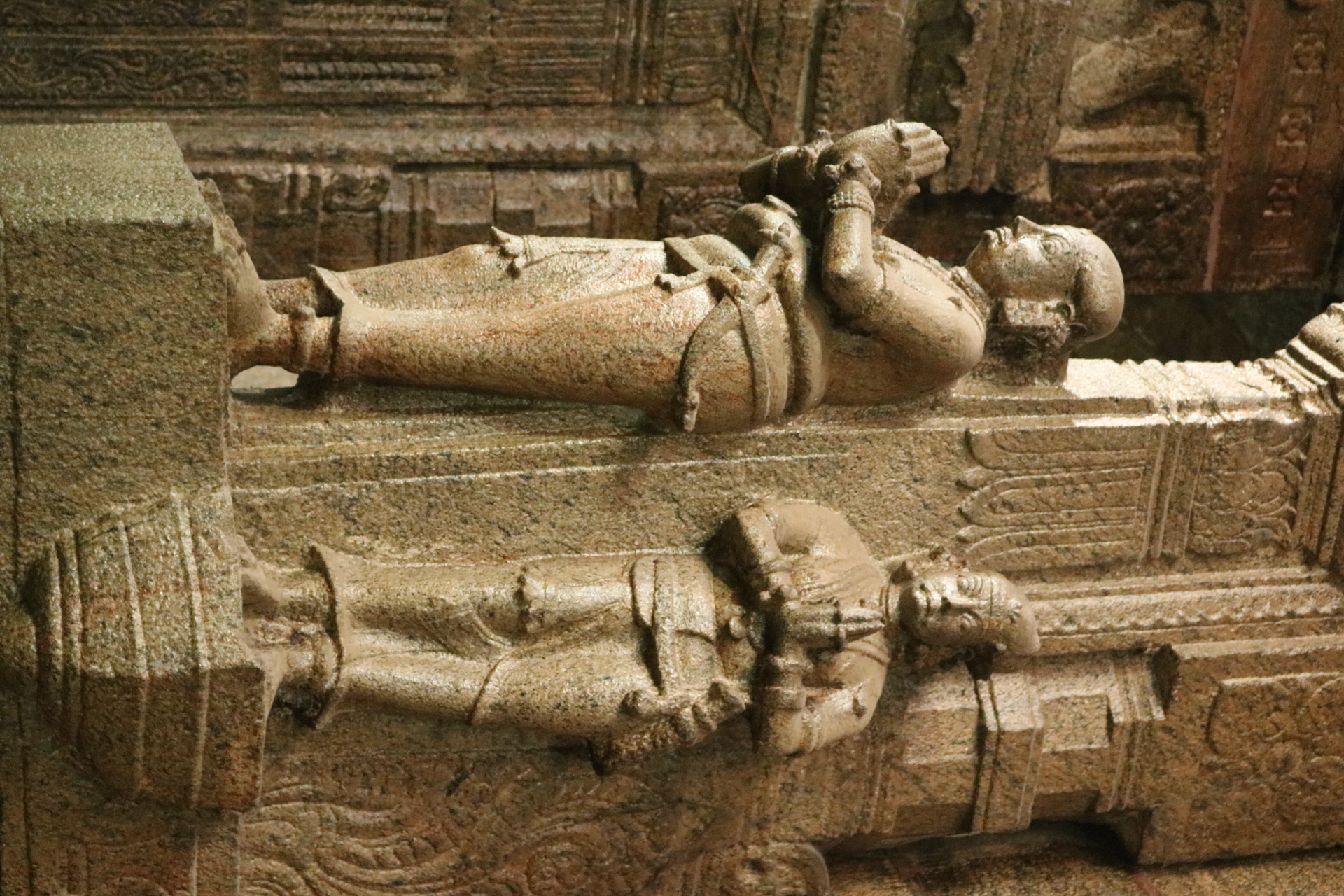
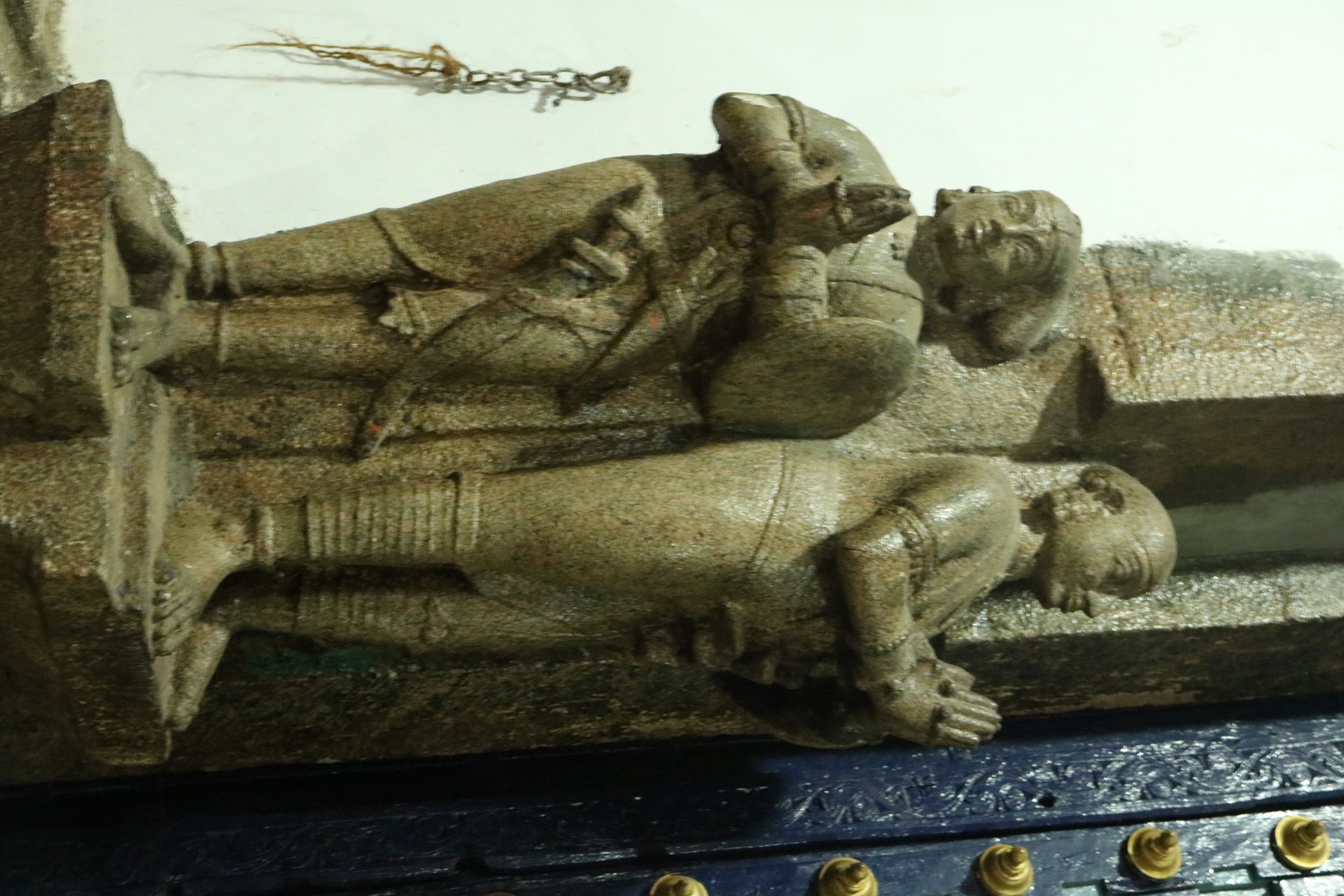
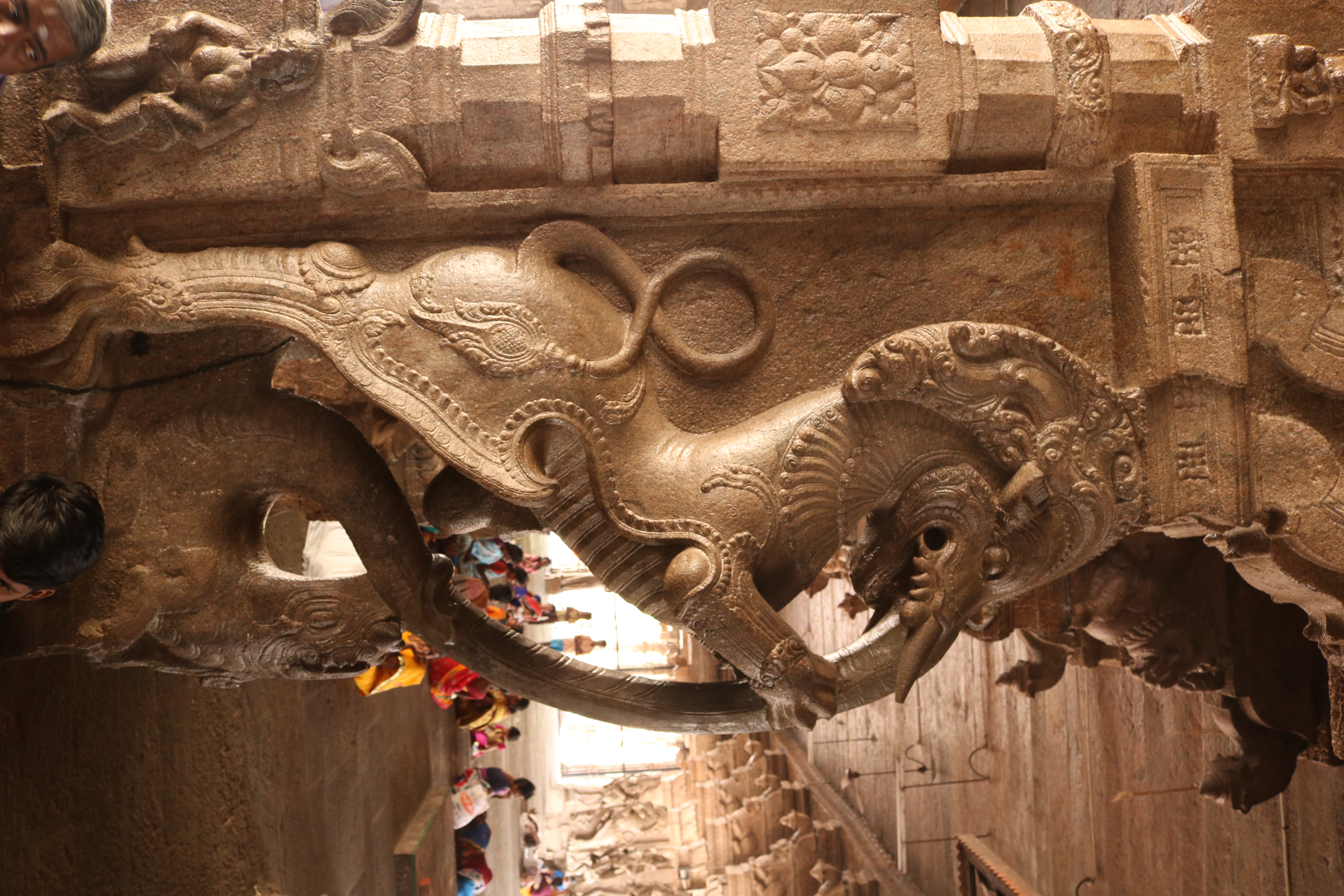
இரண்டாம் திருச்சுற்றுக்குத் தென்திசையில் ‘கலியாண சுந்தரவல்லித் தாயார்’ தாயார் சந்நிதி அமைந்துள்ளது. இதன் பின்புறம் திருவாழி ஆழ்வார் எனப்படும் சுதர்சனர் சந்நிதியும் அமைந்துள்ளது. இரண்டாம் திருச்சுற்றின் தென் பகுதியில், திருப்பணிகள் செய்தவரின் தூண் சிற்பங்கள் காணப்படுகின்றன. இரண்டாம் திருச்சுற்றில் கிழக்குநோக்கித் திரும்புமிடத்தில் ஆண்டாள் சந்நிதி உள்ளது. அதற்கு முன்னால் யாகசாலையும், வாகன மண்டபங்களும் உள்ளன. இக்கோயில் வளாகத்தில், கோட்டைத்திருநாள் மண்டபம், சுந்தரபாண்டியன் மண்டபம், பொன்மேய்ந்த பெருமாள் மண்டபம் என பல மண்டபங்களும் சக்கரத்தாழ்வார் சந்நிதி, கொடிக்கம்பத்திற்கு வடகிழக்கிலுள்ள ’மேட்டுக் கிருஷ்ணன் கோயில்’ போன்ற பல சந்நிதிகளும் அமைக்கப்பட்டடுள்ளன.
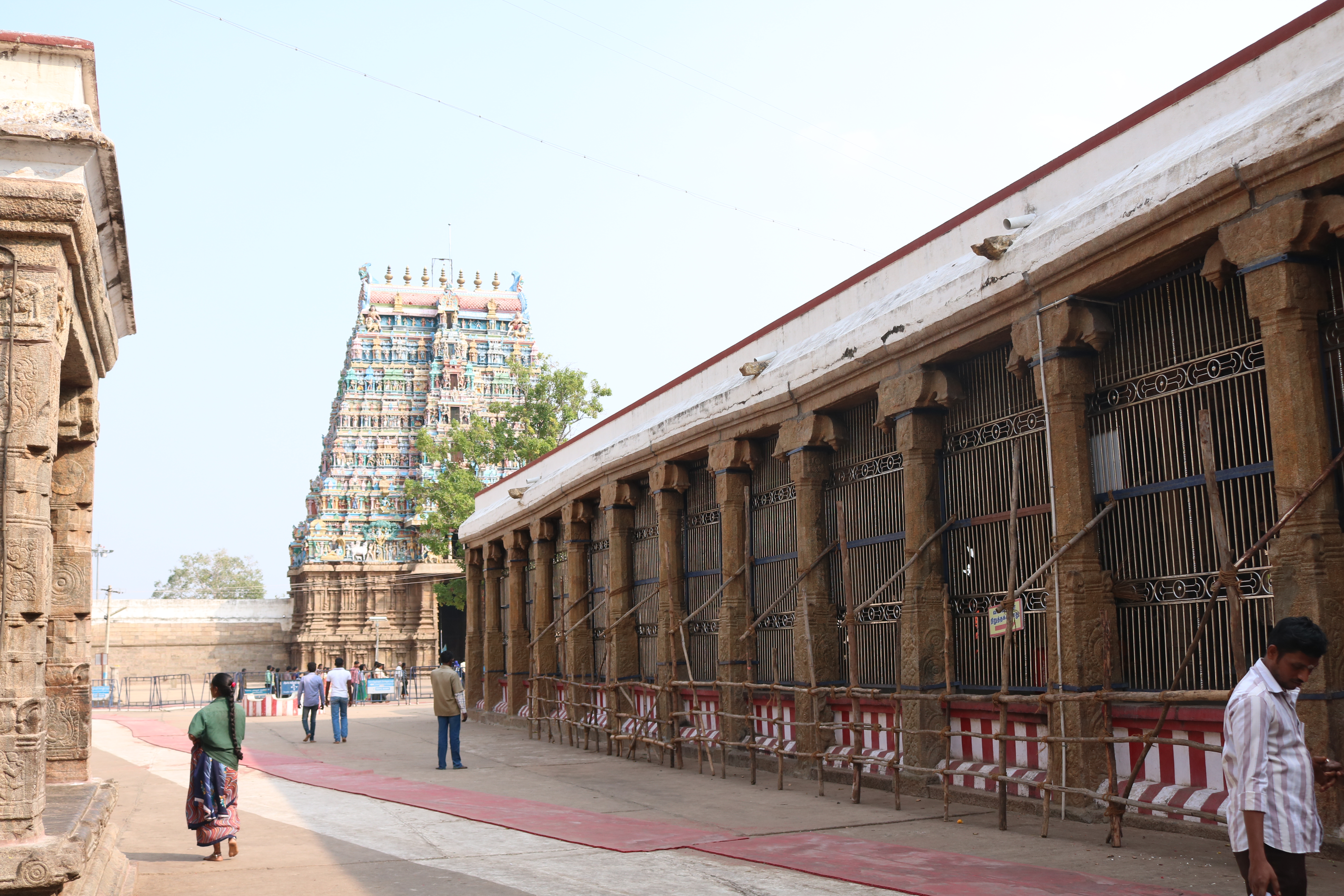
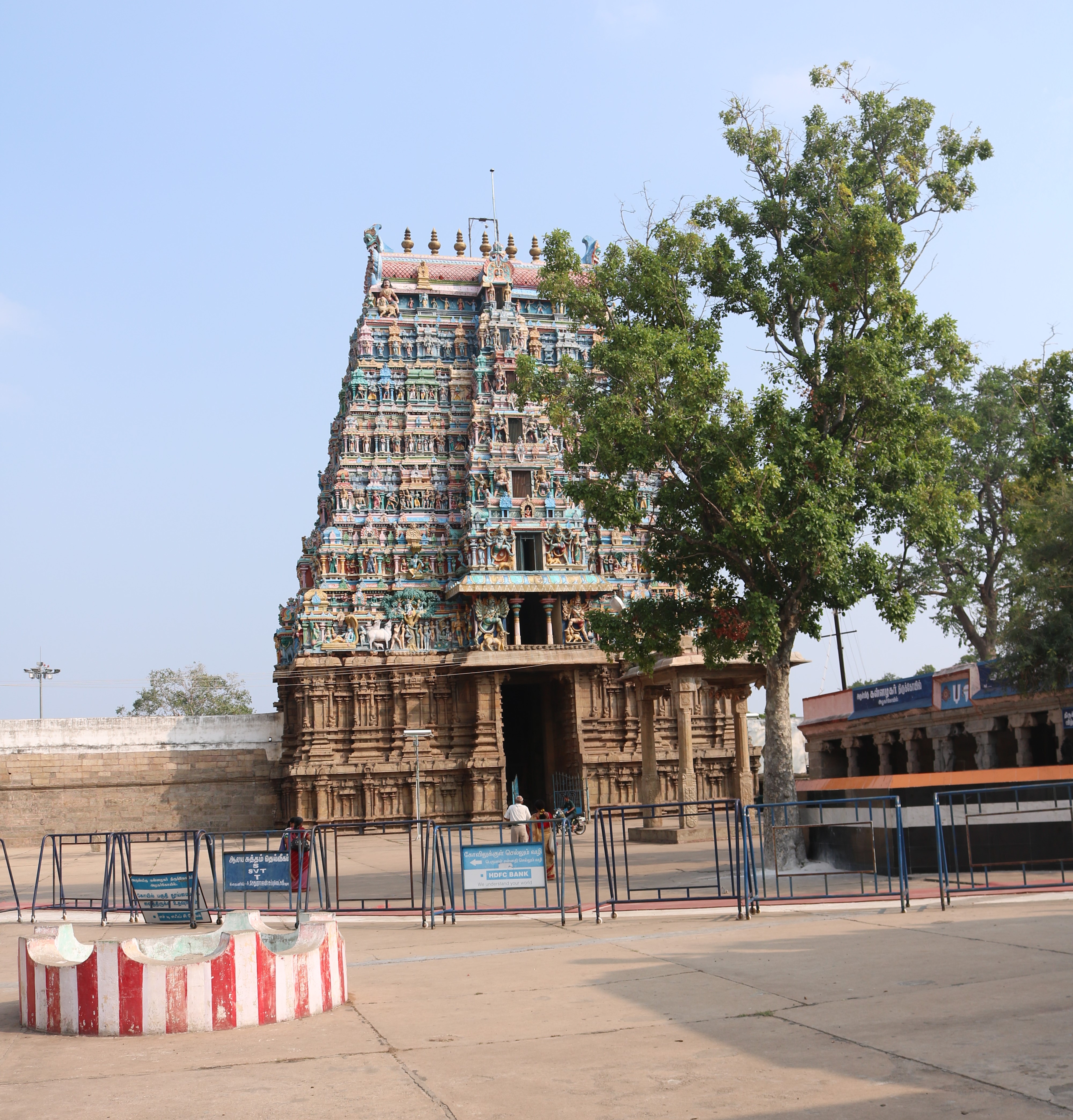
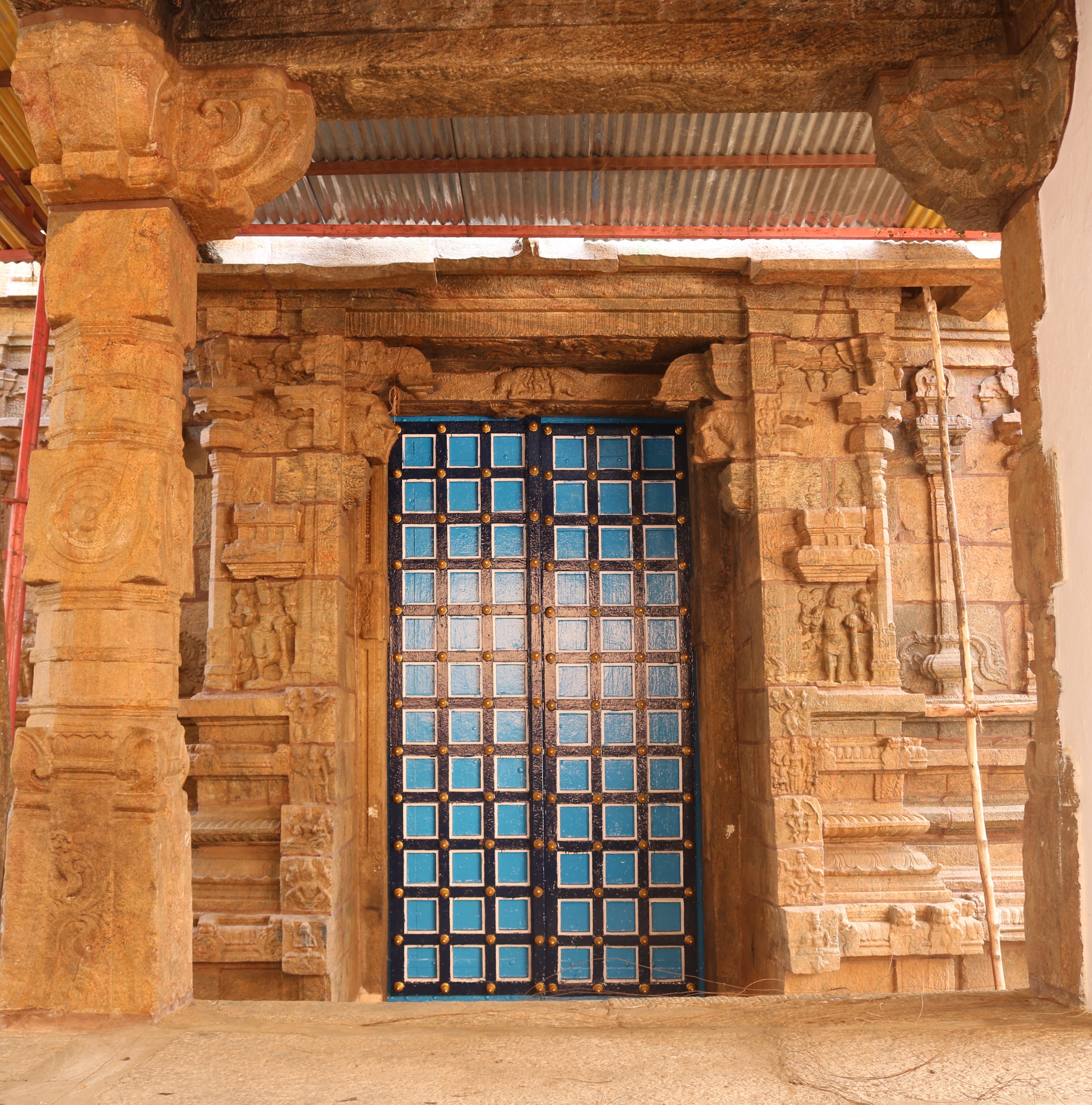
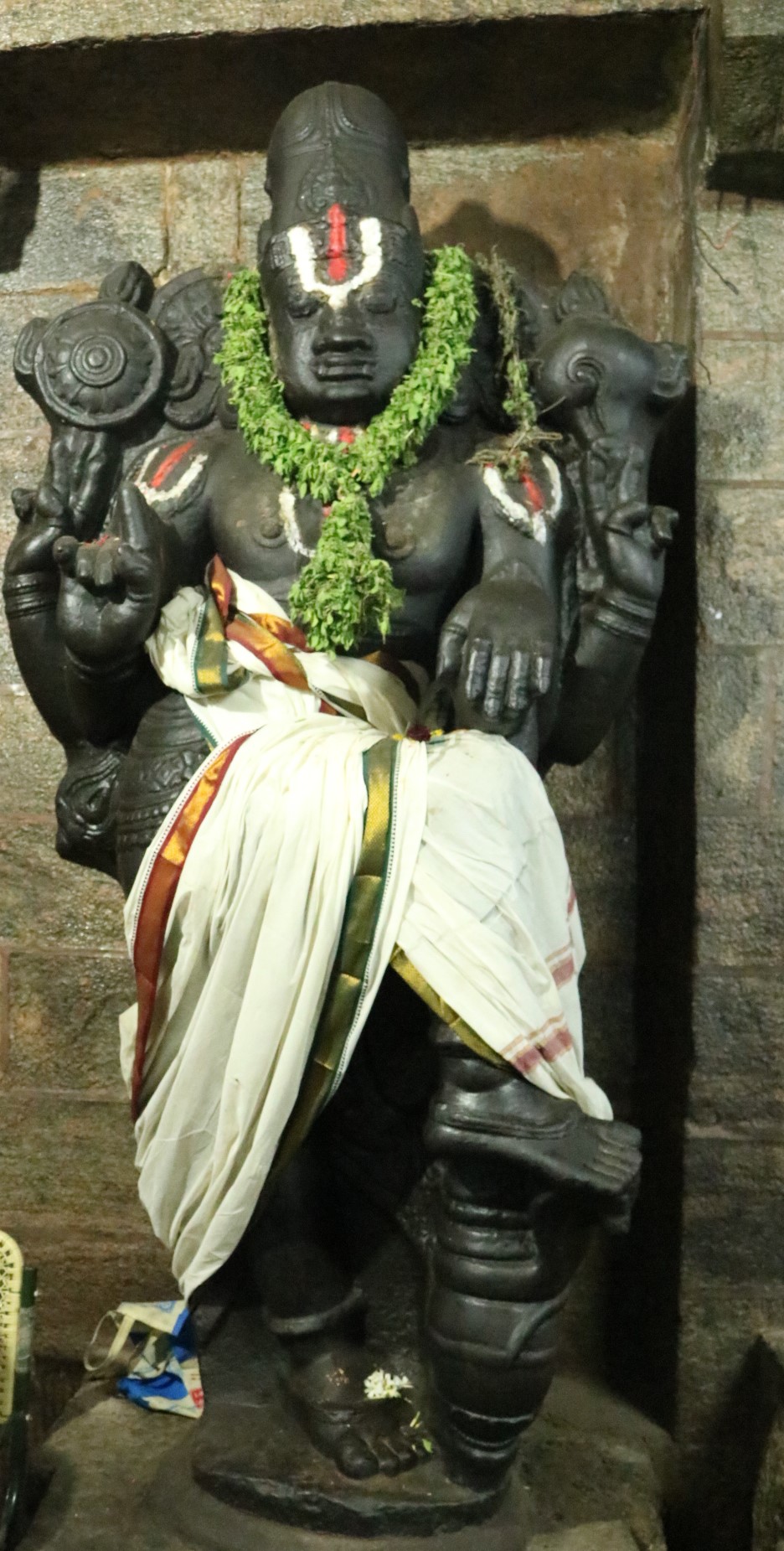
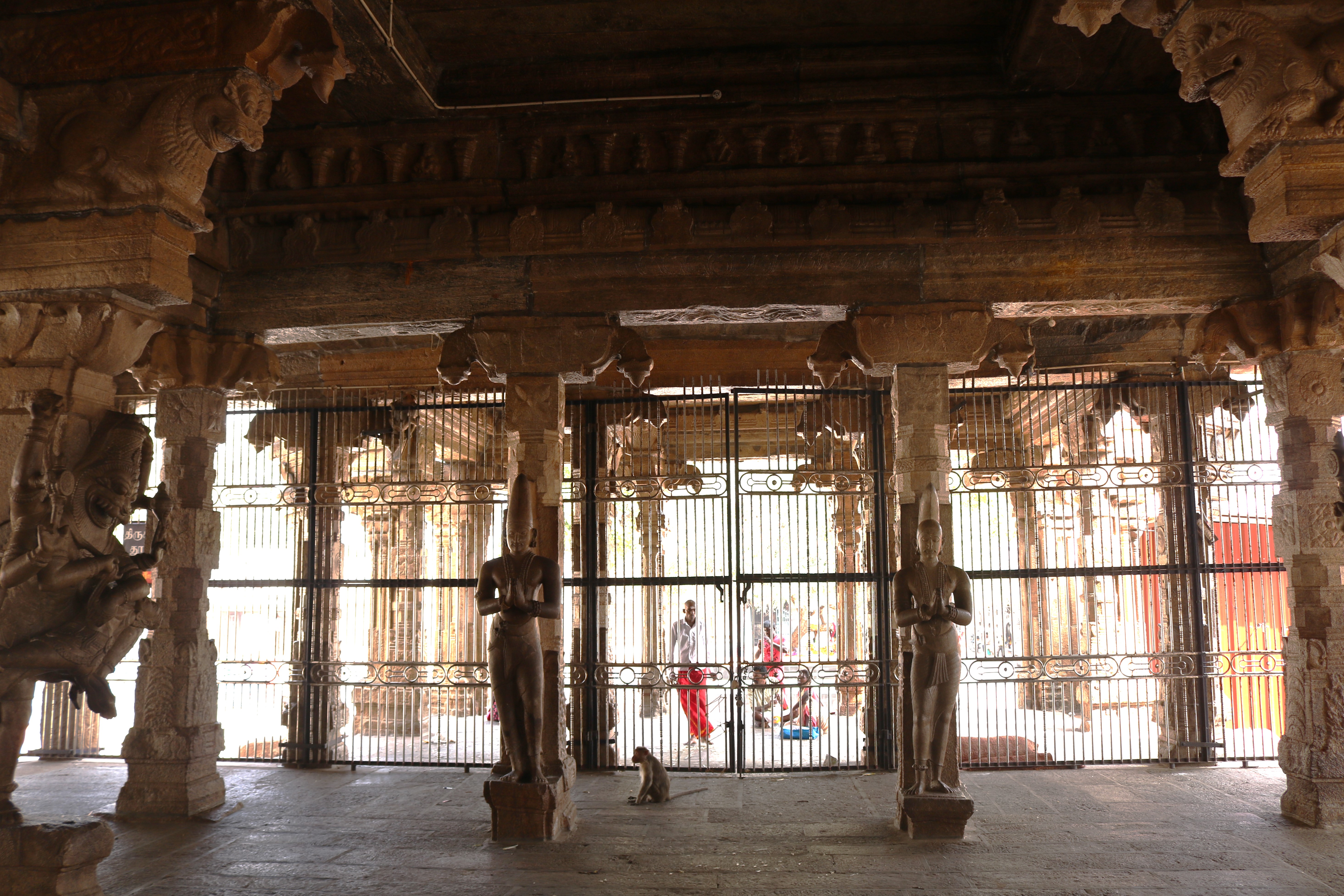
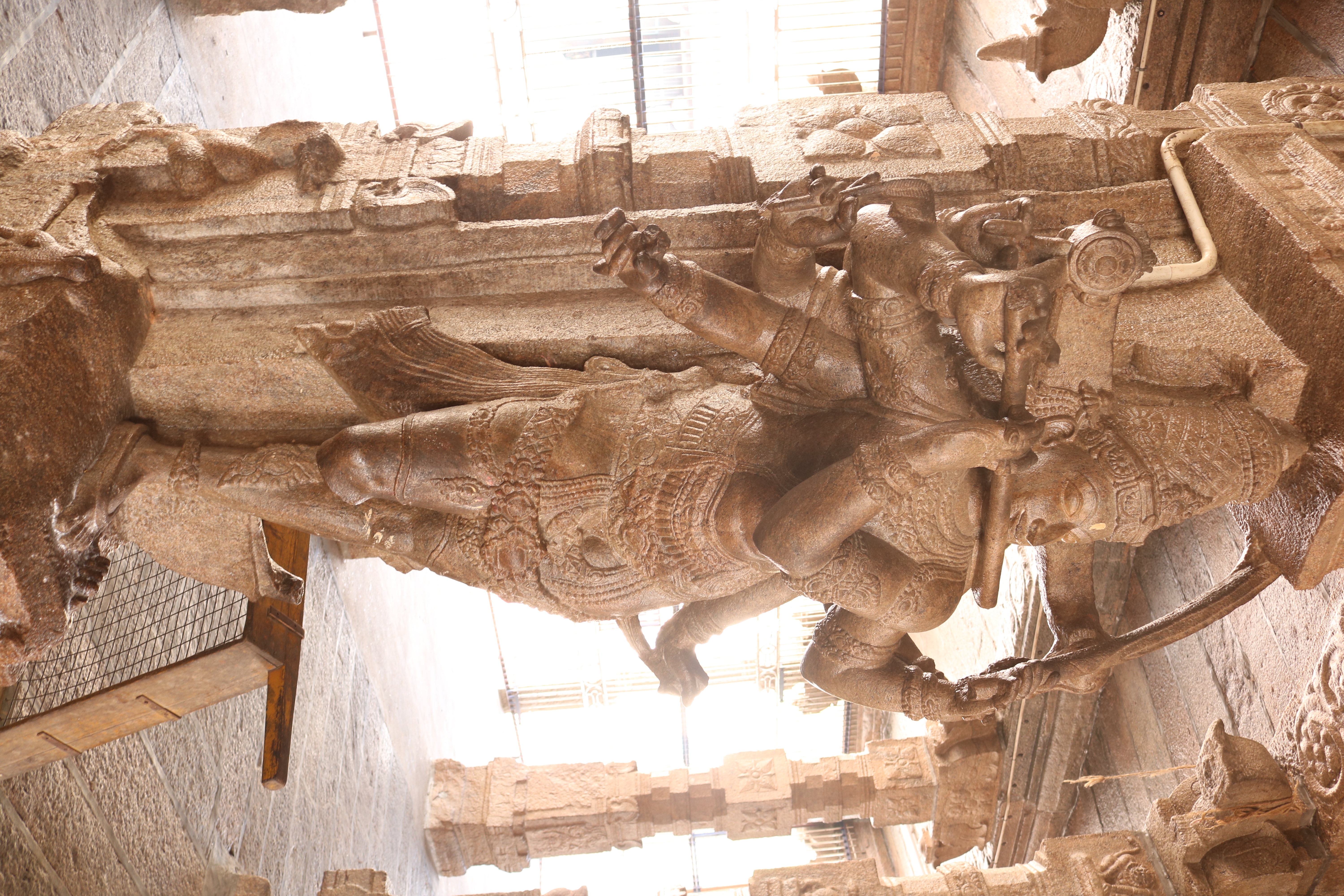
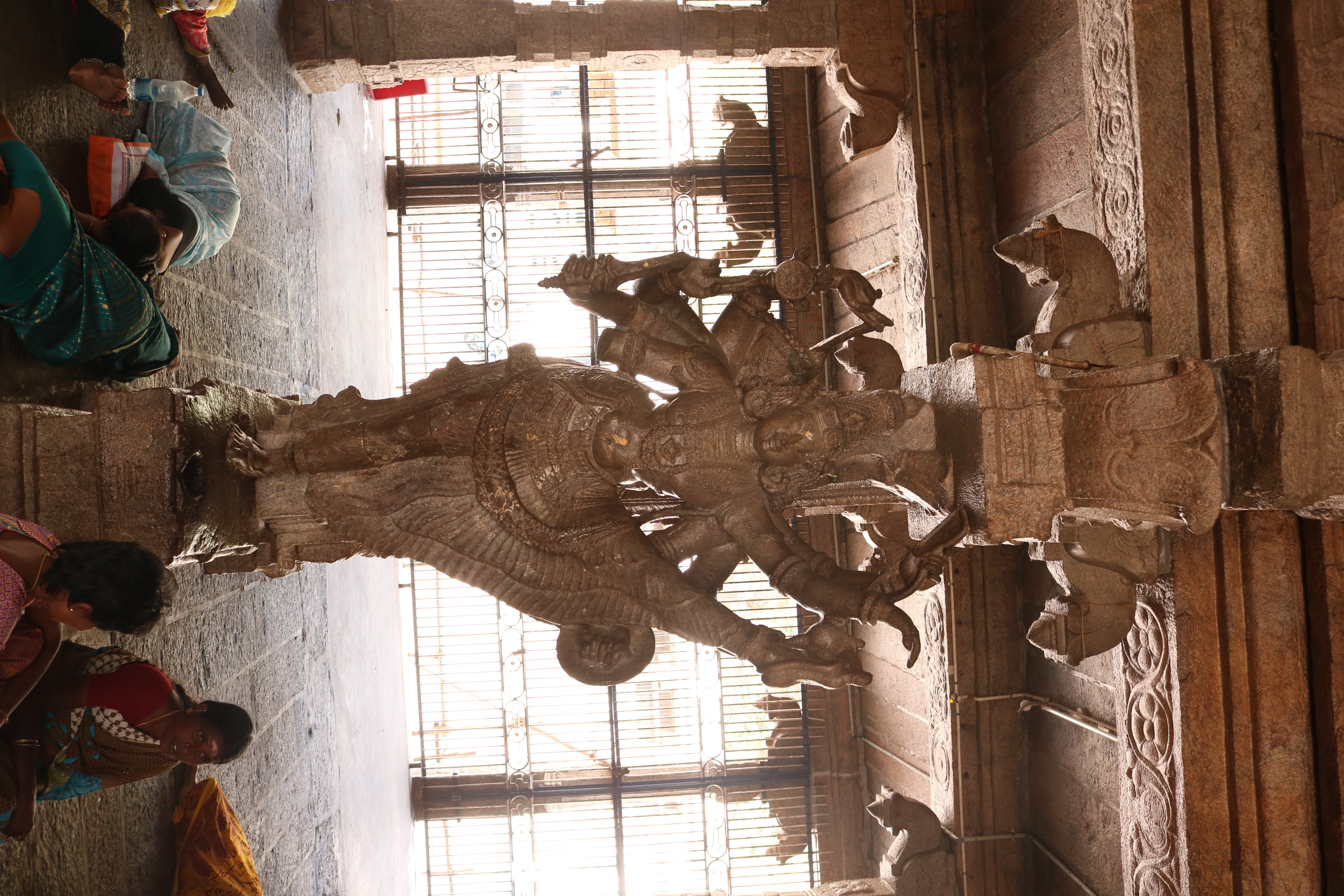
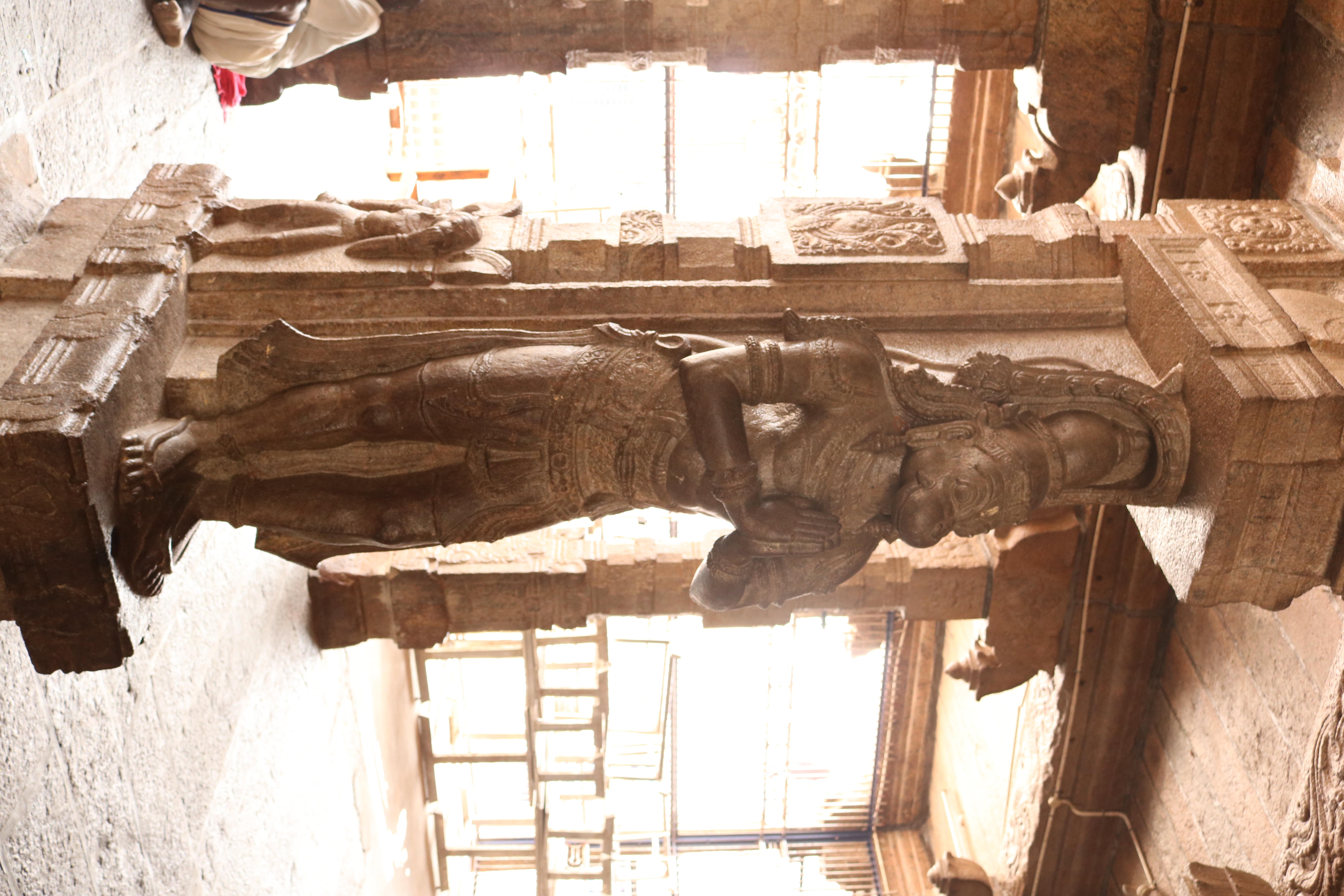
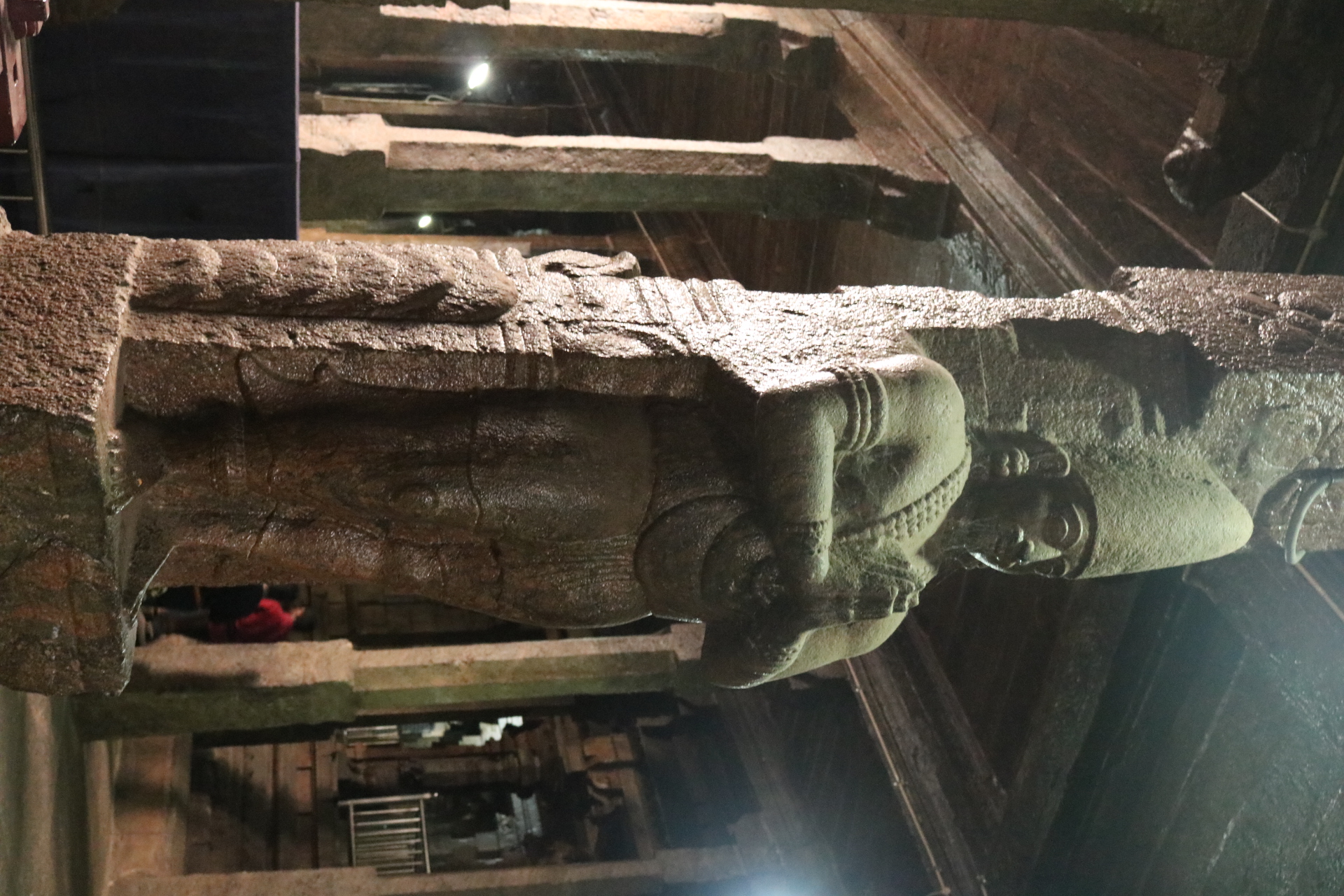
இராஜகோபுர மதிலுக்குள் காணப்படும் பரந்தவெளி ‘யதிராஜன் திருமுற்றம்’ என வழங்கப்படுகிறது. இவ்விடத்தில் நடுவில் அமைந்துள்ள பெரிய அலங்கரிக்கப்பட்ட மண்டபம் திருக்கல்யாண மண்டபமாகும். யதிராஜன் திருமுற்றத்துக்கு வடக்கே மேற்கூரை வட்டவடிவிலான இராமகளஞ்சியம், இலட்சுமண களஞ்சியம் எனப்படும் இரண்டு பெரிய கட்டிடங்கள் உள்ளன. இவை முற்காலத்தில் தானியங்களை சேமித்து வைப்பதற்காக பயன்பட்டிருக்கலாம். திருக்கலியாண மண்டபத்திற்கு மேற்கே உள்ள மதிலோடு கூடிய வாசல் ’தொண்டைமான் கோபுரம்’ என அழைக்கப்படுகிறது. இதில் கல்லால் செய்யப்பட்ட இரண்டு துவாரபாலகர் உருவங்கள் உள்ளன.
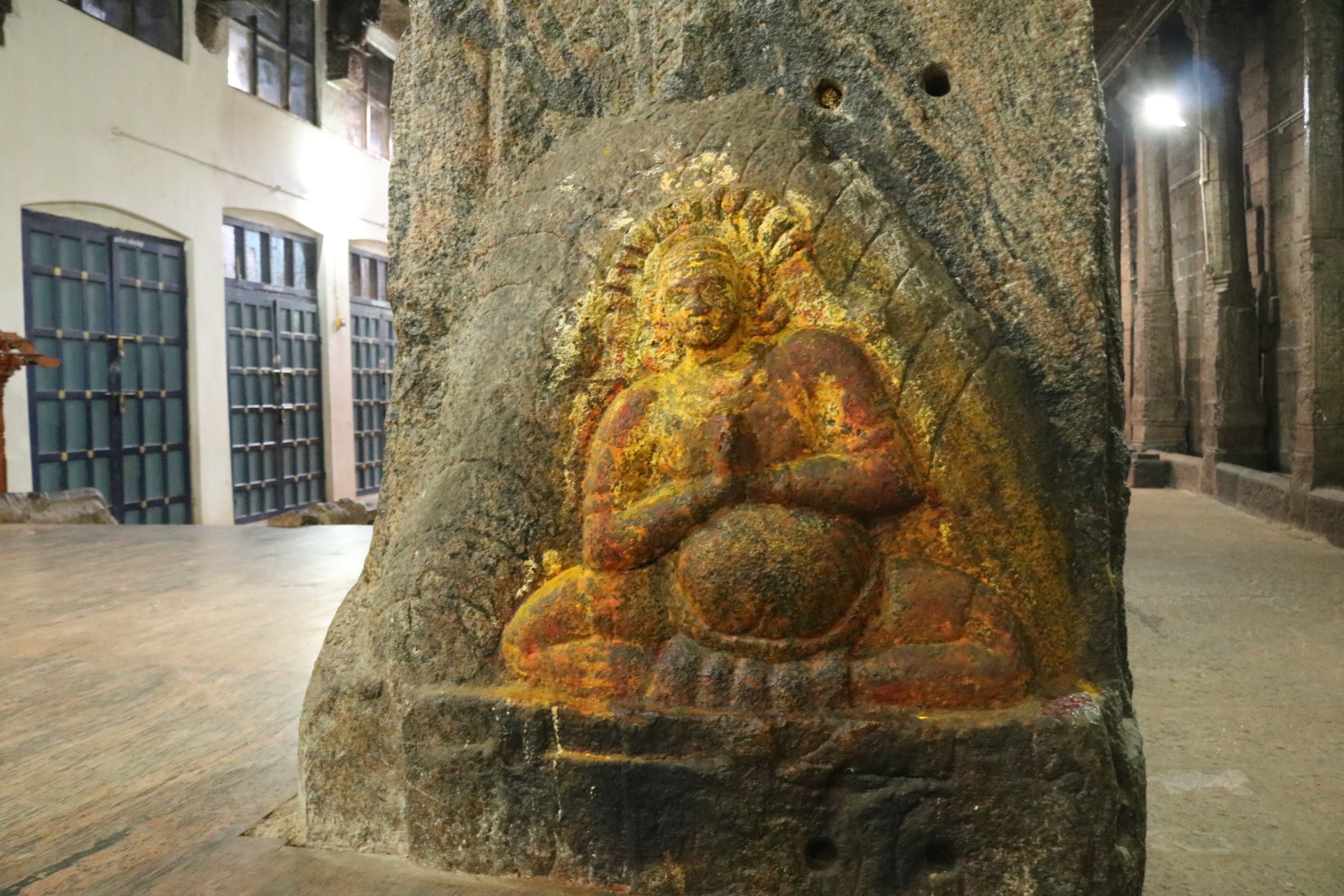
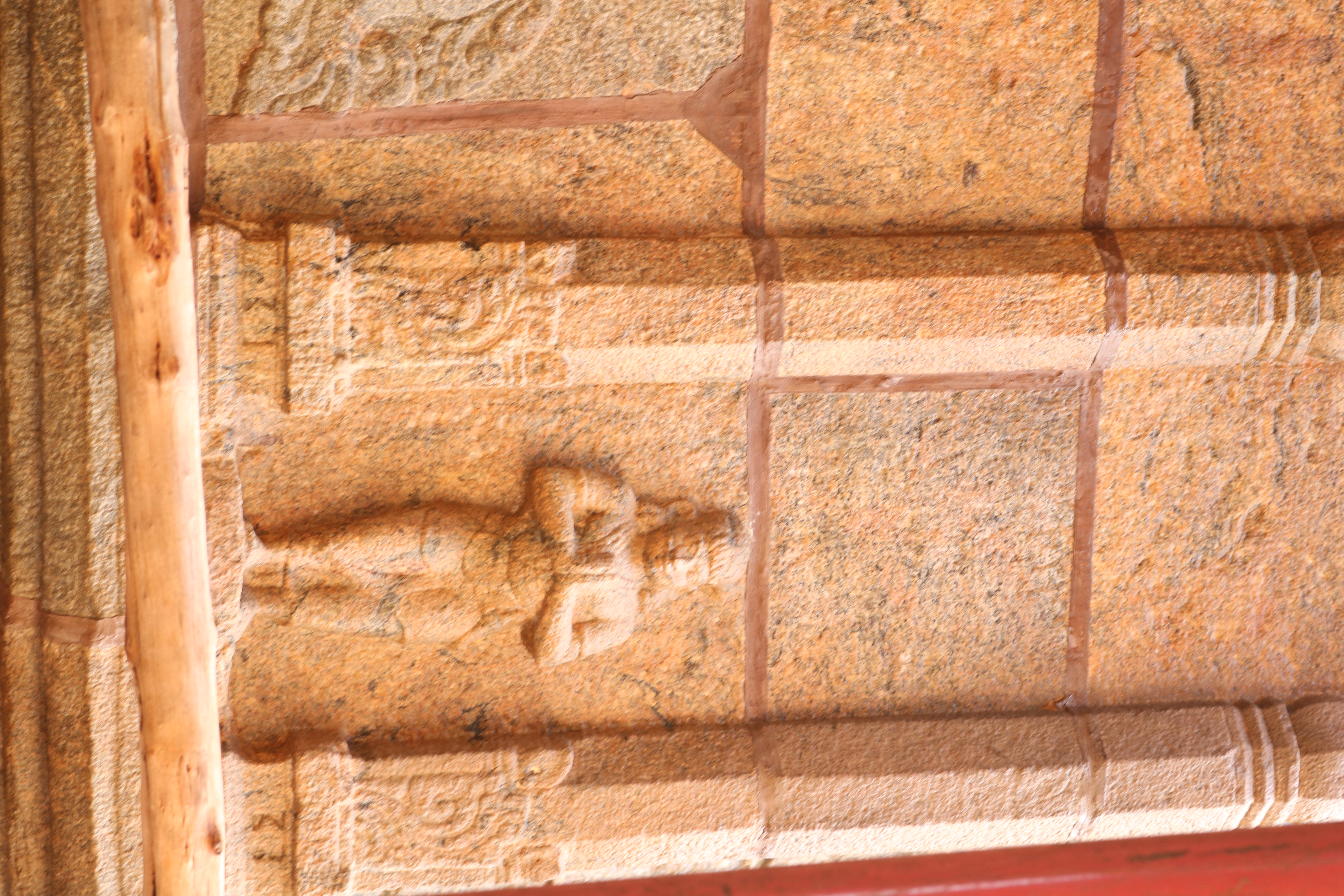
வெளிக்கோட்டையின் வடபகுதியில் இப்போது கோயில் அலுவலக பணியாளர் குடியிருப்பும், அடியவர் தங்கும் விடுதியும் உள்ளன.இப்பணியாளர் குடியிருப்பின் அருகில் சிதைந்த நிலையில் ஒரு மண்டபம் காணப்படுகிறது. இம்மண்டபத் தூணில் திருமலைநாயக்கரின் சிலை காணப்படுவதால், இம்மண்டபம் அவரால் கட்டப்பட்டிருக்கலாம் எனக் கருதப்படுகிறது. இச்சாலையின் கீழ்ப்புறத்தில் தேர்மண்டபம் உள்ளது.
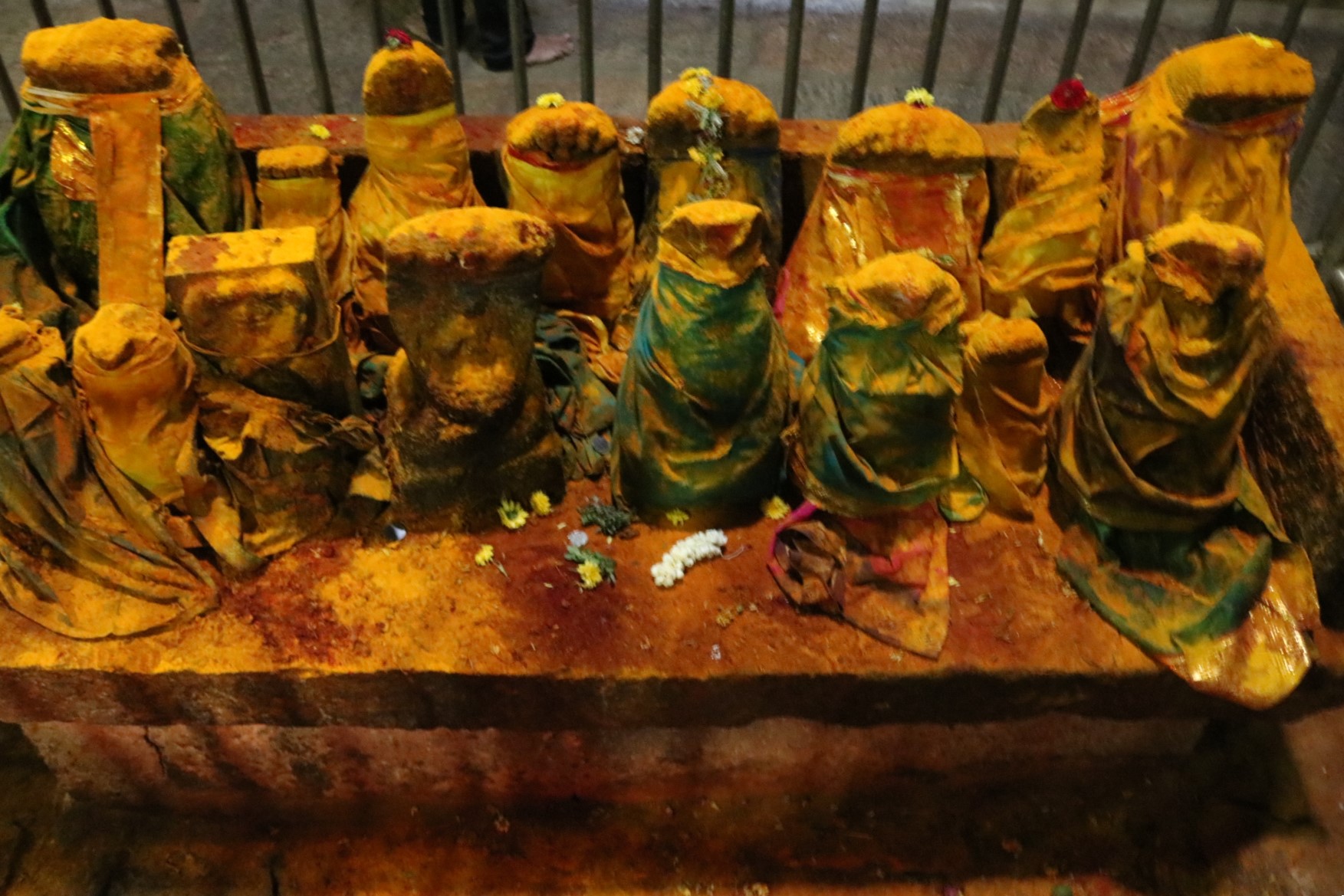
அழகர் மலையடிவாரத்தில் அமைந்துள்ள இக்கோயிலைச் சுற்றி பிற்காலத்தில் கோட்டைக் கட்டப்பட்டது. இங்கு படைவீரர்களும் தங்கவைக்கப்பட்டிருந்ததாக சொல்லப்படுகிறது. இக்கோயிலின் இராஜகோபுரத்திற்கு முன்புள்ள படிகள் மற்றும் இரட்டைக் கதவுகளே தற்போது பதினெட்டாம்படி கருப்பசாமி கோயிலாக வழிப்பாட்டில் உள்ளது. எனவே இராஜகோபுரம் மக்கள் பயன்பாட்டிற்காக தினமும் திறக்கப்படுவதில்லை. பதினெட்டாம்படி கருப்பசாமி அழகர் கோயிலின் காவல் தெய்வமாகவும், தவறு செய்பவர்களை தண்டிக்கும் சக்தி வாய்ந்த தெய்வமாகவும் கருதப்படுகிறார். மேற்கே இராஜகோபுர மதிலின் வடஎல்லையில் அம் மதிற்சுவர் உடைக்கப்பட்டு ஒரு வாசலாக்கப்பட்டிருக்கிறது. இவ்வாசலுக்கு, ‘வண்டி வாசல்’ என்று பெயர். இவ்வாசலே மக்கள் கோயிலுக்குள் செல்லப் பயன்படுத்தும் வாசலாகும். திருவிழாக்காலங்களில் இறைவனின் பல்லக்கும், கோயிலிலிருந்து இவ்வாசல் வழியாகத்தான் வெளியே வரும்.
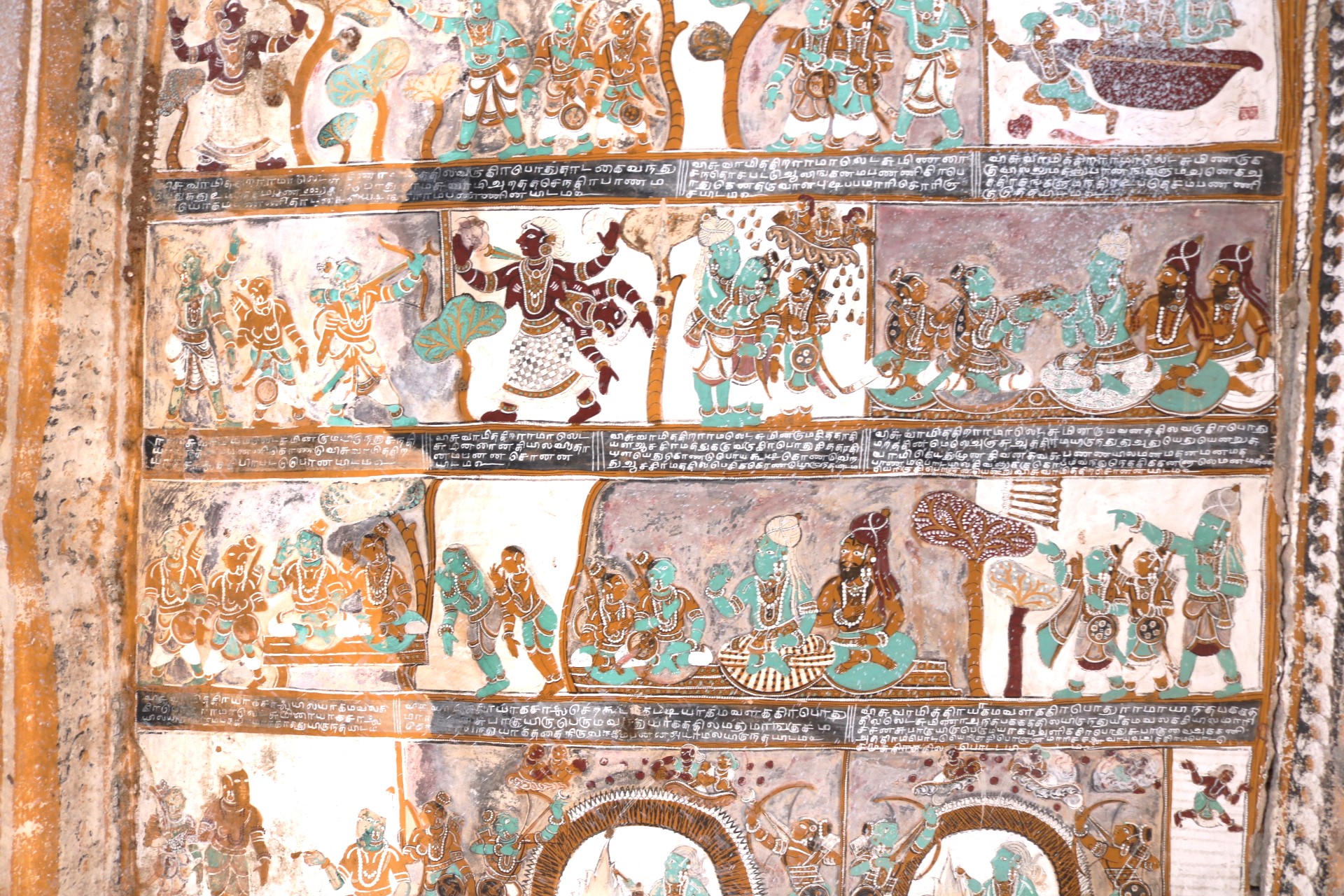
திருமாலிருங்குன்றம், இருங்குன்றம், திருமாலிருஞ்சோலை, சோலைமலை திருவரை, உத்யான சைலம், மாலிருங்குன்றம், வனகிரி, விருஷ பாத்திரி அல்லது இடபகரி ஆகிய பெயர்கள் இந்த அழகர் மலைக்கு வழங்கப்பட்டுள்ளன. சங்க காலந்தொட்டு சிறப்புடன் விளங்கும் இந்த அழகர் மலைப்பகுதி பரிபாடல், சிலப்பதிகாரம், நாலாயிர திவ்யப்பிரபந்தம் ஆகிய இலக்கியங்களில் குறிப்பிடப்பட்டுள்ளது. முருகனின் அறுபடைவீடுகளில் ஒன்றான பழமுதிர்சோலை கோயிலும் இம்மலையிலேயே உள்ளதால் இது சோலைமலை என அறியப்படுகிறது. இம்மலைக்கு மேல் ராக்காயி அம்மன் மற்றும் நூபுரகங்கை வழிபாட்டுத்தலமும் உள்ளது.
சிலப்பதிகாரத்தில் இது 'திருமால் குன்றம்' என்று குறிப்பிடப்பட்டுள்ளது. பூதத்தாழ்வார், பேயாழ்வார், பெரியாழ்வார், திருமங்கையாழ்வார், நம்மாழ்வார், ஆண்டாள் ஆகியோர் இவ்விறைவனை போற்றி மங்களாசாசனம் செய்துள்ளனர். பெரியாழ்வாரின் பாடலொன்றில் 'மதில் சூழ் சோலைமலை' என இத்தலம் குறிப்பிடப்படுவதால், அவர் காலத்திலேயே இக்கோயிலைச் சுற்றி ஒரு மதில் இருந்திருக்க வேண்டுமெனத் தெரிகிறது. அழகர்கோயில் வெளிக்கோட்டை பதினான்காம் நூற்றாண்டில் வாணாதிராயர்களால் கட்டப்பட்டிருக்கலாம் என இரா. நாகசாமி குறிப்பிடுகிறார். எனவே பெரியாழ்வார் குறிப்பிடும் மதில், இரணியன்கோட்டை எனப்படும் உட்கோட்டை மதிலாக இருக்கலாம்.
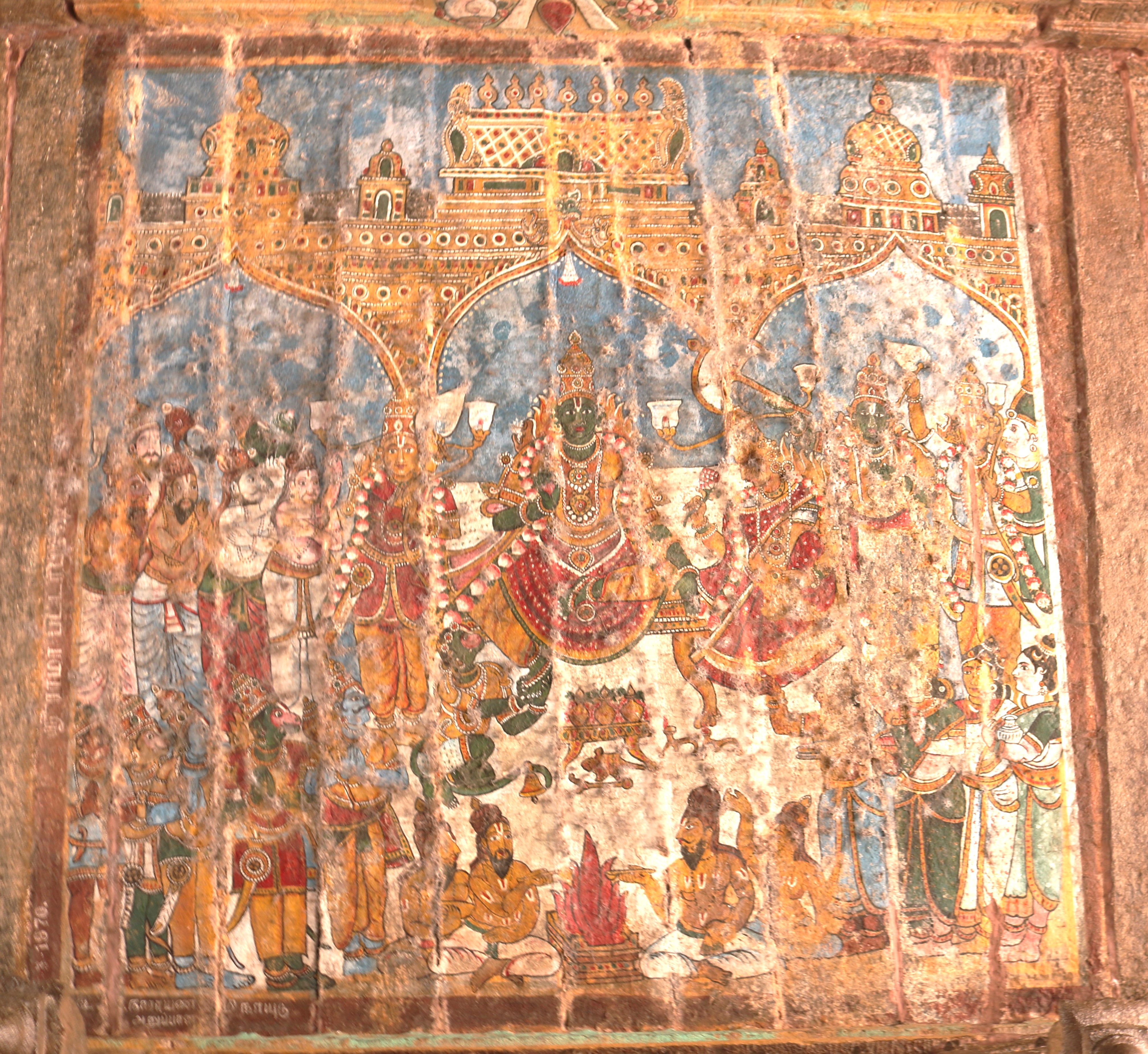
பரமசுவாமி, கள்ளழகர், அழகன், அலங்காரன், திருமாலிருஞ்சோலை நின்றான், சுந்தரத்தோளுடையான், ஏறு திருவுடையான், நலத்திகழ் நாரணன் என்ற பல பெயர்களால் அறியப்படும அழகர் (எ) சுந்தரராஜ பெருமாள், இகோயில் கருவறையில் ஸ்ரீதேவி மற்றும் பூதேவி ஆகிய இருவருடனும் நின்ற கோலத்தில் காட்சி அளிக்கிறார். இறைவனின் தன் வல மோற்கையில் பிரயோக சக்கரம், இட மேற்கையில் சங்கு, வல கீழ்க்கையில் கதை, இட கீழ்க்கையில் சார்ங்கவில், இடையில் நாந்தகவாள் ஆகியவை உள்ளன. சோமணனை (சந்திரனை)ப் போல வட்டவடிவிலிருப்பதால் இக்கோயில் விமானத்துக்குச் 'சோமசந்த விமானம்’ என பெயர் ஏற்பட்டிருக்கலாம்.
இக்கோயில் உலோக திருமேனிகள் ஏறு திருவுடையான், சுந்தரத் தோளுடையான், சோலைமலைக்கரசர், நலந்திகழ் நாரணன் என்ற பெயர்களில் குறிப்பிடப்படுகின்றன. பங்குனி உத்தரத்தன்று இக்கோயில் இறைவனின் திருமணவைபவம், கோயில் திருக்கல்யாண மண்டபத்தில் நடைபெறும். கோடைத்திருநாள் மண்டபத்தில். சித்திரைத் திருவிழாவில் முதல் மூன்று நாட்கள் திருவிழா நடைபெறும். இக்கோயிலில் உள்ள யோகநரசிம்மரின் சினம் தணிய நாள்தோறும் இவருக்கு எண்ணெய்க் காப்பு இடப்படுவதாக சொல்லப்படுகிறது.
அழகர் கோயில் நாயக்கர் காலத்தில் புணரமைக்கப்பட்டதால் இங்கிருந்த சில பழங்காலக் கல்வெட்டுக்கள் இடம் மாறி இருக்கலாம் என சொல்லப்படுகிறது. இக்கோயில் கல்வெட்டில், இக்கோயில் தேரின் பெயர் ‘அமைத்த நாராயணன்’ என்பதும், தேரோடும் வீதிகளில் ஒன்றின் பெயர் ‘தியாகஞ் சிறியான் திருவீதி’ என்பதும் தெரிகின்றன. ஆடிமாதம் பெளர்ணமி அன்று இங்கு தேரோட்டம் நடைபெறுகிறது. இக்கோயில் அமைந்துள்ள உட்கோட்டையின் வடபுறமும் மேற்குபுறமும் மலைகள் சூழ்ந்துள்ளதால், தேர் கோயிலைச் சுற்றி வர முடியாது. எனவே, மரங்களால் சூழப்பட்ட வெளிக்கோட்டையின் நான்கு சுவர்களை ஒட்டியே தேர் ஓடுகிறது.
அழகர் மலைப் பகுதியில் சுமார் இரண்டாயிரம் ஆண்டுகளுக்கும் முந்தைய தமிழ் பிராமி கல்வெட்டுகளும் கற்படுக்கைகளும் கண்டறியப்பட்டுள்ளன. மேலும் இம்மலையில் காணப்படும் பொது ஆண்டு 8-9 ஆம் நூற்றாண்டுகளை சேர்ந்த வட்டெழுத்துக் கல்வெட்டுகளும், அழகர் மலைப்பகுதி சங்க காலம் தொட்டு சிறப்புடன் இருந்து வந்ததை பறைசாற்றுகின்றன.
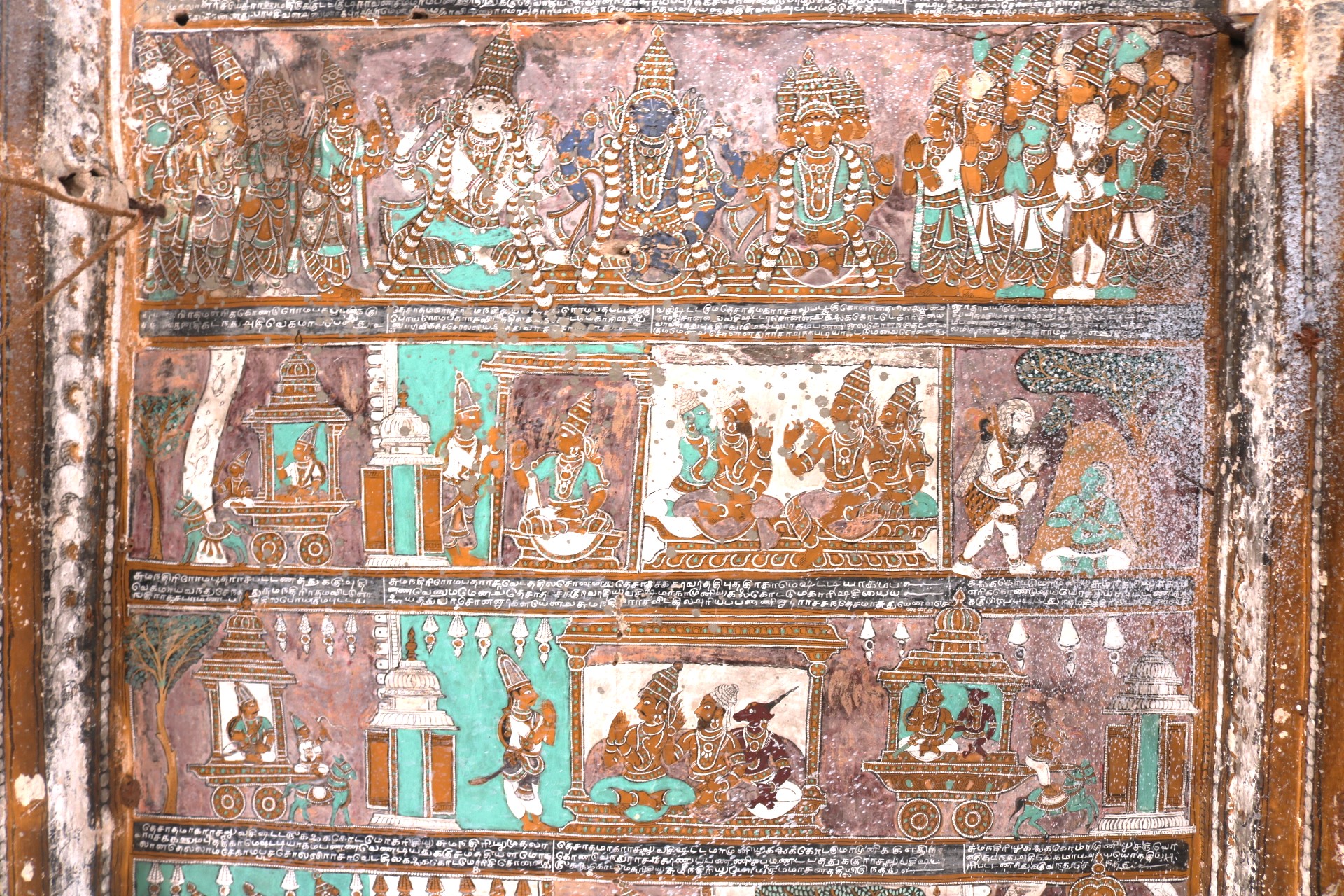
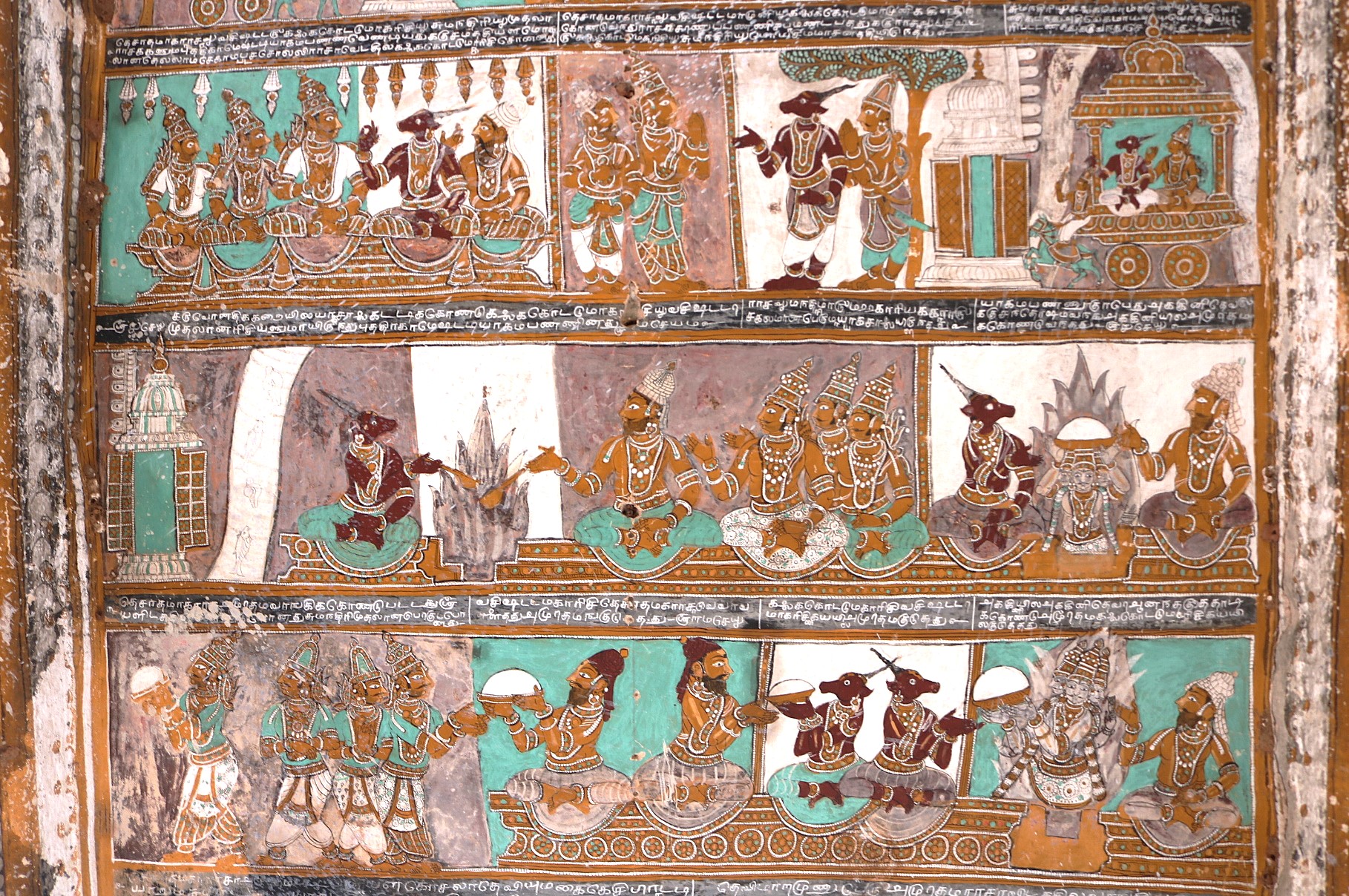
அழகர் கோயில் தலவரலாற்றின்படி, ஒரு சமயம் எமதர்மராஜனுக்கு ஒரு சாபம் ஏற்பட்டதாக சொல்லப்படுகிறது. அந்த சாபத்தை நீக்குவதற்காக, தற்போது கோயில் அமைந்துள்ள விருசுபகிரி/விருஷபாத்ரி எனப்படும் அழகர் மலைப்பகுதியில் அவர் தவம் செய்தார். தர்மராஜனின் தவத்தால் நெகிழ்ந்த பெருமாள் அவருக்கு தரிசனம் அளித்தார். இறைவனின் தயையால் உருகிய தர்மராஜன், 'தினமும் ஒரு முறை உங்களை பூஜிக்க வேண்டும்' என வரம் வேண்டினார். பெருமாள் அந்த வரத்தை வழங்க, இன்று வரை இக்கோயிலில் நடைபெறும் அர்த்த ஜாம பூசையை எமதர்ம ராஜனே நடத்துகிறார் என்று நம்பப்படுகிறது. அனைத்து மக்களுக்கும் இறைவனின் அருள் கிடைக்க வேண்டும் என்ற தர்மராஜனின் விருப்பத்தின் அடிப்படையில், விஸ்வகர்மா சோமசந்த விமானம் (வட்ட வடிவ) கொண்ட கோயிலை கட்டினார் என்றும் சொல்லப்படுகிறது.
க.த. காந்திராஜன்
பரமசிவன், தொ., அழகர் கோயில்.§முத்து. பிச்சை, அழகர் கோயில்.§மதுரை மாவட்ட தொல்லியல் கையேடு பக்கம் 120-123.§https://www.tamilvu.org/tdb/titles_cont/inscription/html/azhagar.htm§
பிராமி கல்வெட்டுகள், கற்படுக்கைகள், சமண சிற்பங்கள், வட்டெழுத்துக் கல்வெட்டு, பாலமேடு அருள்மிகு நாகம்மாள் கோயில், திருப்பாலை இராதாகிருஷ்ணன் கோயில், விராதனூர் அருள்மிகு அழுத கண்ணீர் ஆற்றிய ஈஸ்வரன் கோயில் ஆகியவை அமைந்துள்ளன.
மதுரையிலிருந்து வடக்கு - வடகிழக்குத் திசையில் பன்னிரண்டு கல் தொலைவில், மதுரைக்கு வடக்கே 21 கி .மீ தூரத்தில் இக்கோயில் அமைந்துள்ளது.
பெரியார் பேருந்து நிலையம், மதுரை. ஆரப்பாளையம் பேருந்து நிலையம்.
மதுரை
மதுரை
 க.த. காந்திராஜன்
க.த. காந்திராஜன்
க.த. காந்திராஜன்
க.த. காந்திராஜன்
க.த. காந்திராஜன்
க.த. காந்திராஜன்
க.த. காந்திராஜன்
க.த. காந்திராஜன்
க.த. காந்திராஜன்
க.த. காந்திராஜன்
க.த. காந்திராஜன்
க.த. காந்திராஜன்
க.த. காந்திராஜன்
க.த. காந்திராஜன்
க.த. காந்திராஜன்
க.த. காந்திராஜன்
க.த. காந்திராஜன்
க.த. காந்திராஜன்
க.த. காந்திராஜன்
க.த. காந்திராஜன்
க.த. காந்திராஜன்
க.த. காந்திராஜன்
க.த. காந்திராஜன்
க.த. காந்திராஜன்
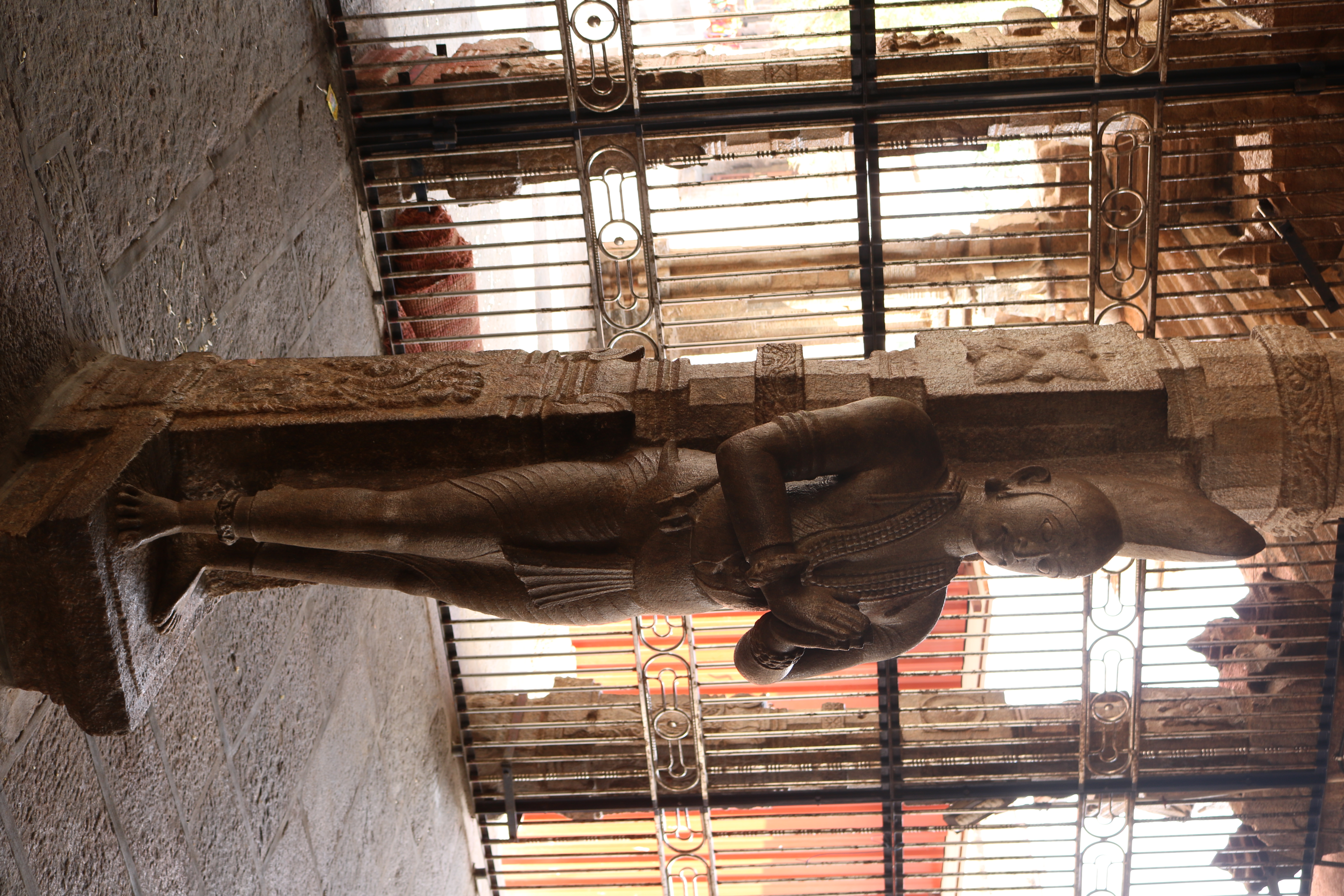
க.த. காந்திராஜன்
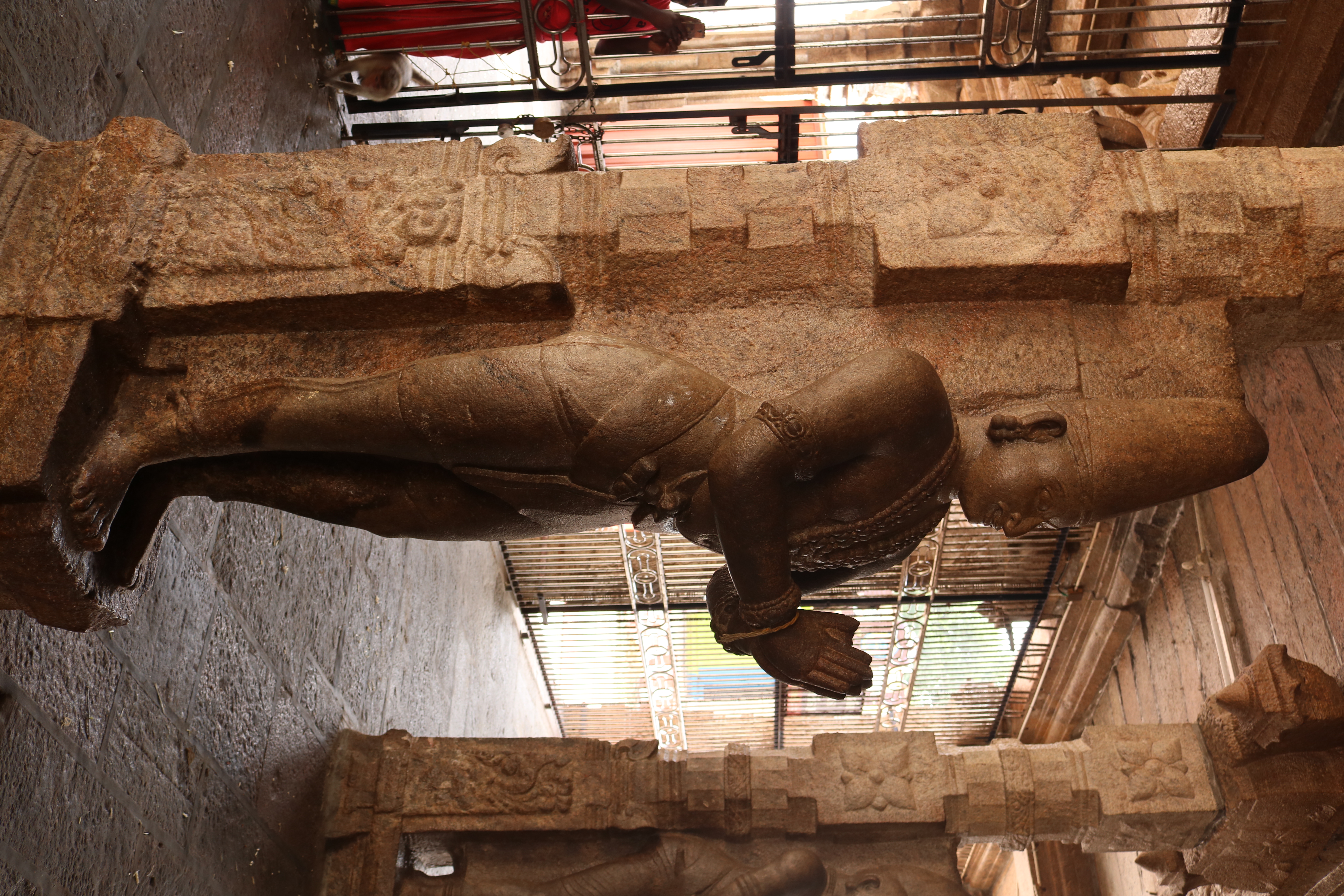
க.த. காந்திராஜன்
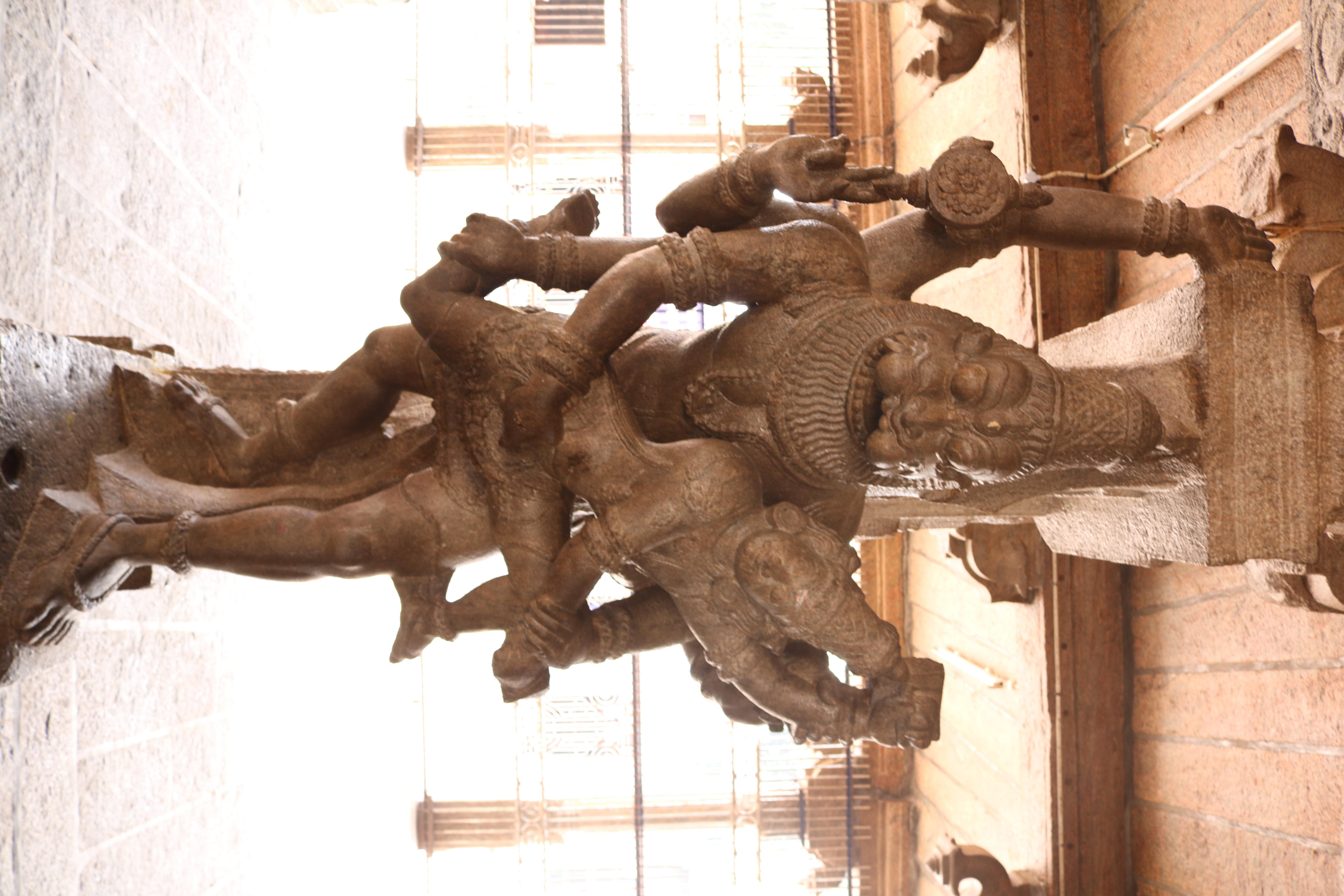
க.த. காந்திராஜன்
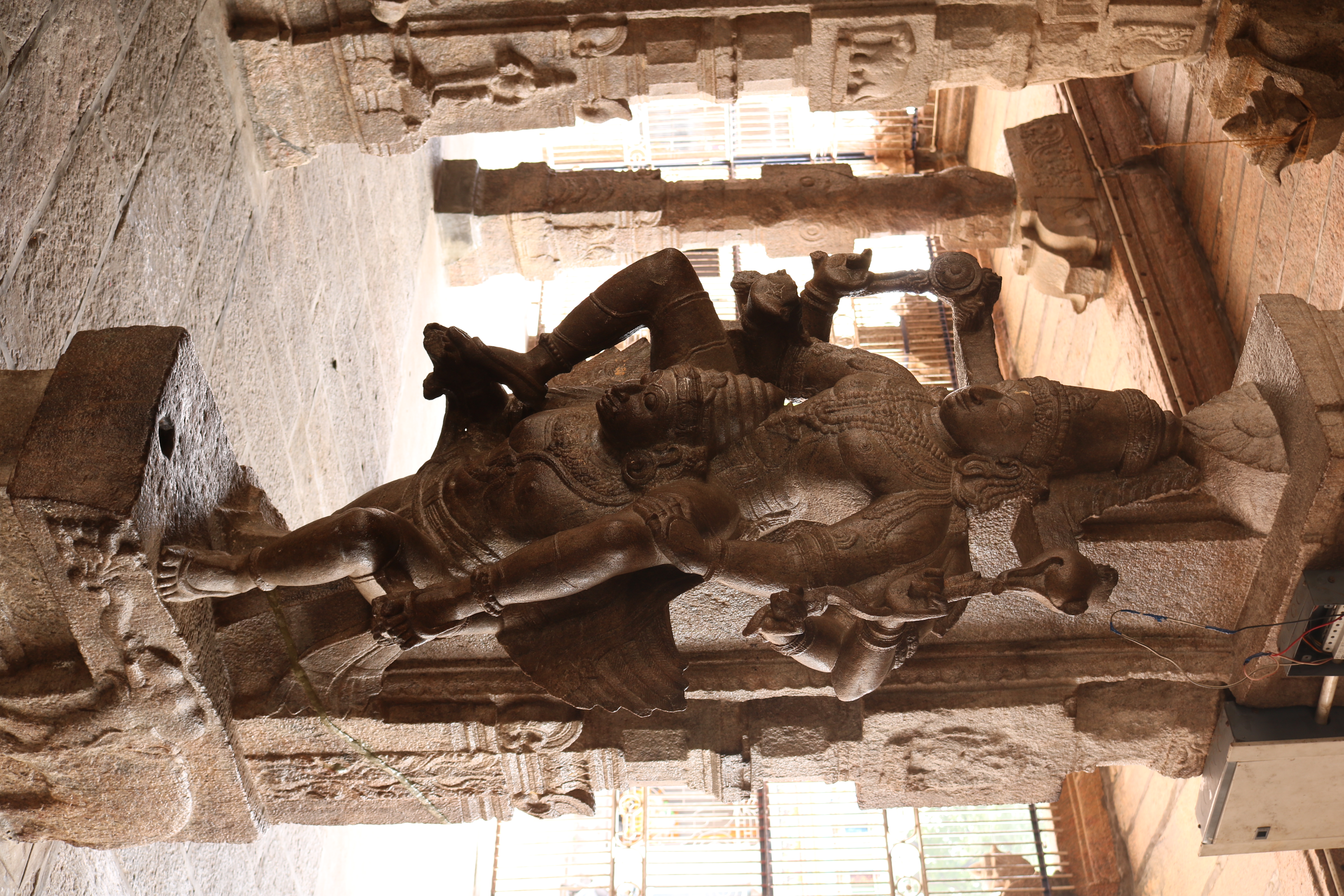
க.த. காந்திராஜன்
க.த. காந்திராஜன்
க.த. காந்திராஜன்
க.த. காந்திராஜன்
க.த. காந்திராஜன்
க.த. காந்திராஜன்
க.த. காந்திராஜன்
க.த. காந்திராஜன்
க.த. காந்திராஜன்
க.த. காந்திராஜன்
க.த. காந்திராஜன்
க.த. காந்திராஜன்
க.த. காந்திராஜன்
க.த. காந்திராஜன்
க.த. காந்திராஜன்
க.த. காந்திராஜன்
க.த. காந்திராஜன்
க.த. காந்திராஜன்
க.த. காந்திராஜன்
க.த. காந்திராஜன்
க.த. காந்திராஜன்
க.த. காந்திராஜன்

தமிழ் இணையக் கல்விக்கழகம்